
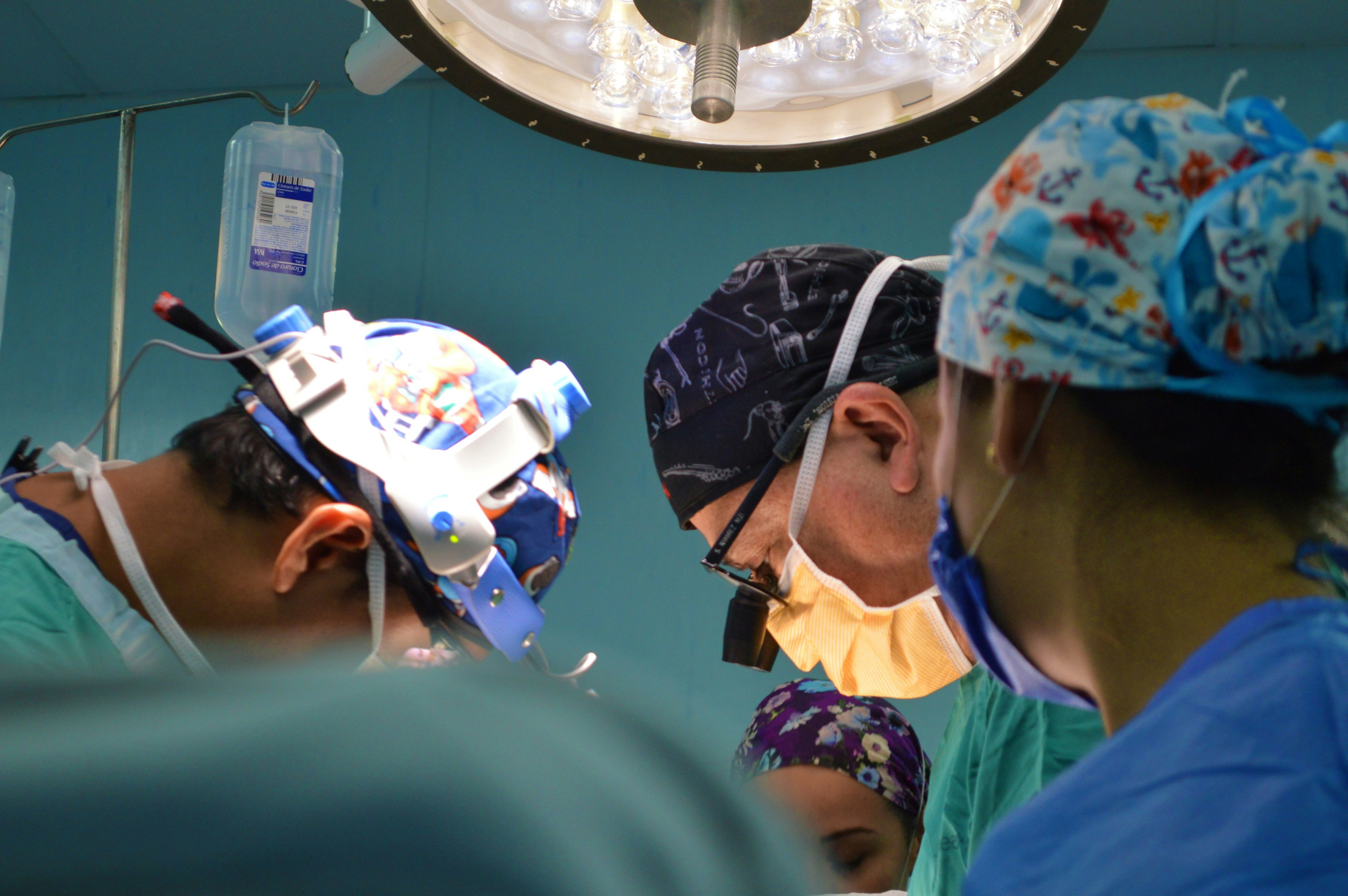
So, is surgical tech a good career in Florida in 2026? Let's get into the data and the details.
What Surgical Technologists Do

Before diving into salaries and job outlooks, it helps to understand what the role involves – because there's a gap between the public perception and the day-to-day substance of the work.
Surgical technologists, also called scrub techs or operating room technicians, are the people responsible for preparing the surgical suite, maintaining the sterile field, passing instruments to the surgeon during a procedure, and ensuring that every sponge, needle, and tool is counted before and after the case closes. They work alongside surgeons, anesthesiologists, and registered nurses throughout all three phases of surgery: preoperative, intraoperative, and postoperative.
One detail most people don't know: more than one-fourth of all inpatient hospital stays in the U.S. involve at least one operating room procedure. That statistic alone illustrates just how central surgical techs are to the functioning of the healthcare system, and why their absence creates serious operational pressure.
What Does a Surgical Tech Earn in Florida?

Pay is a reasonable starting point for evaluating any career. In Florida, the numbers depend heavily on certification status, setting, and city, but the range is wide enough to make the profession competitive.
Surgical technologists in Florida earn around $59,840 per year, or $28.77 per hour, according to the Bureau of Labor Statistics (BLS) data. That figure sits a bit below the national median but tracks with Florida's overall wage structure for allied health professions.
ZipRecruiter data shows the average annual pay for a certified surgical technologist in Florida is $57,715 as of early 2026, with top earners at the 90th percentile pulling in $81,300 annually. Cities like Port Saint Lucie and Miami Beach skew noticeably higher – some positions in those markets exceed the state average by more than 50%.
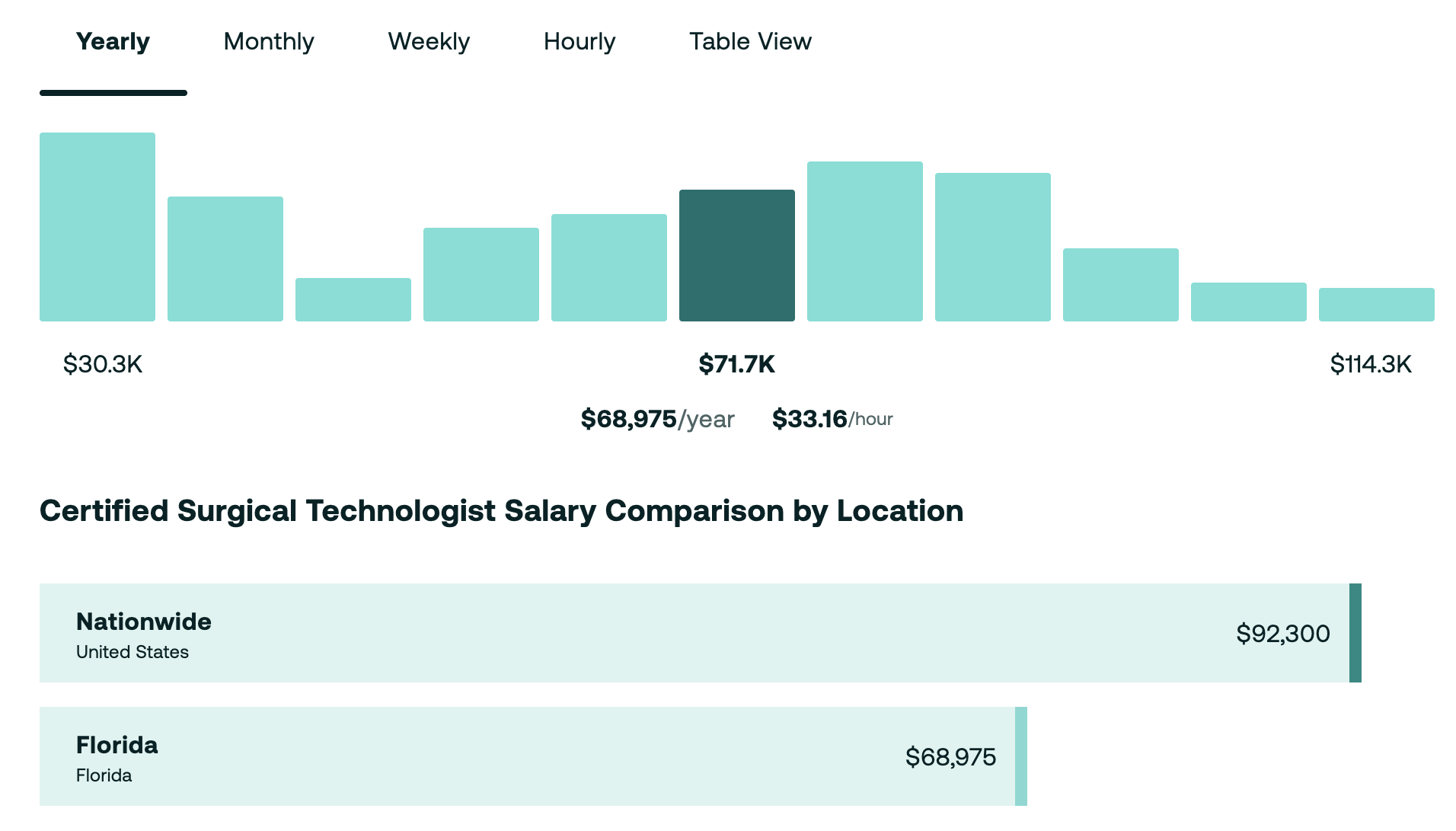
Image Source: ZipRecruiter
Nationally, the mean annual wage for surgical technologists sits at $63,060, with a median of $60,610, according to BLS Occupational Employment Statistics from May 2024. The full range runs from $38,740 at the 10th percentile to $89,740 at the 90th percentile.
Certifications like the Certified Surgical First Assistant (CSFA) represent a $20–30k annual premium over a staff Certified Surgical Technologist (CST), with program costs typically recovered in under 12 months.
For Tampa specifically, surgical techs can earn between $55,000 and $65,000 a year, depending on experience, and major hospital systems like Tampa General Hospital are known for offering competitive salaries alongside hiring incentives.
Experience counts in a predictable, measurable way. Entry-level positions typically start around $20–21 per hour, while techs with 10 or more years of experience average closer to $26–27 per hour. Those who pursue advanced credentials and specialty training, such as cardiovascular, neuro, or orthopedic, can push past those ceilings.
Job Growth and Demand: Florida's Position

Overall employment of surgical assistants and technologists is projected to grow 5% from 2024 to 2034, faster than the average for all occupations, with approximately 8,700 openings projected each year.
Florida is among the top states for surgical tech employment, alongside California, Texas, and New York.
Several forces are compounding that demand simultaneously:
- Florida's population is aging at a pace that outpaces most other states.
- Older adults require higher volumes of joint replacements, cardiac interventions, cataract procedures, and other surgical treatments that keep operating rooms busy year-round. That demographic pattern isn't reversing anytime soon.
Heightened demand is expected specifically in outpatient settings such as ambulatory surgery centers, which are seeing an increase in the number of surgeries because of advances in medical technology and changes in insurers' policies.
The outpatient shift is worth pausing on. As insurance structures favor same-day procedures over hospital admissions, ambulatory surgery centers have multiplied across Florida's metro areas. Outpatient centers often pay better than hospitals and have more predictable schedules – a combination that many experienced techs actively prefer.
Then there's robotic surgery, which some assume would reduce the need for human surgical support. The opposite is happening. Robotic surgery systems need techs who understand the technology. Laser procedures require specialized setups, and minimally invasive techniques need people who can handle delicate instruments. The more advanced surgery gets, the more it needs skilled technologists who can keep up.
The Surgical Tech Shortage Feel
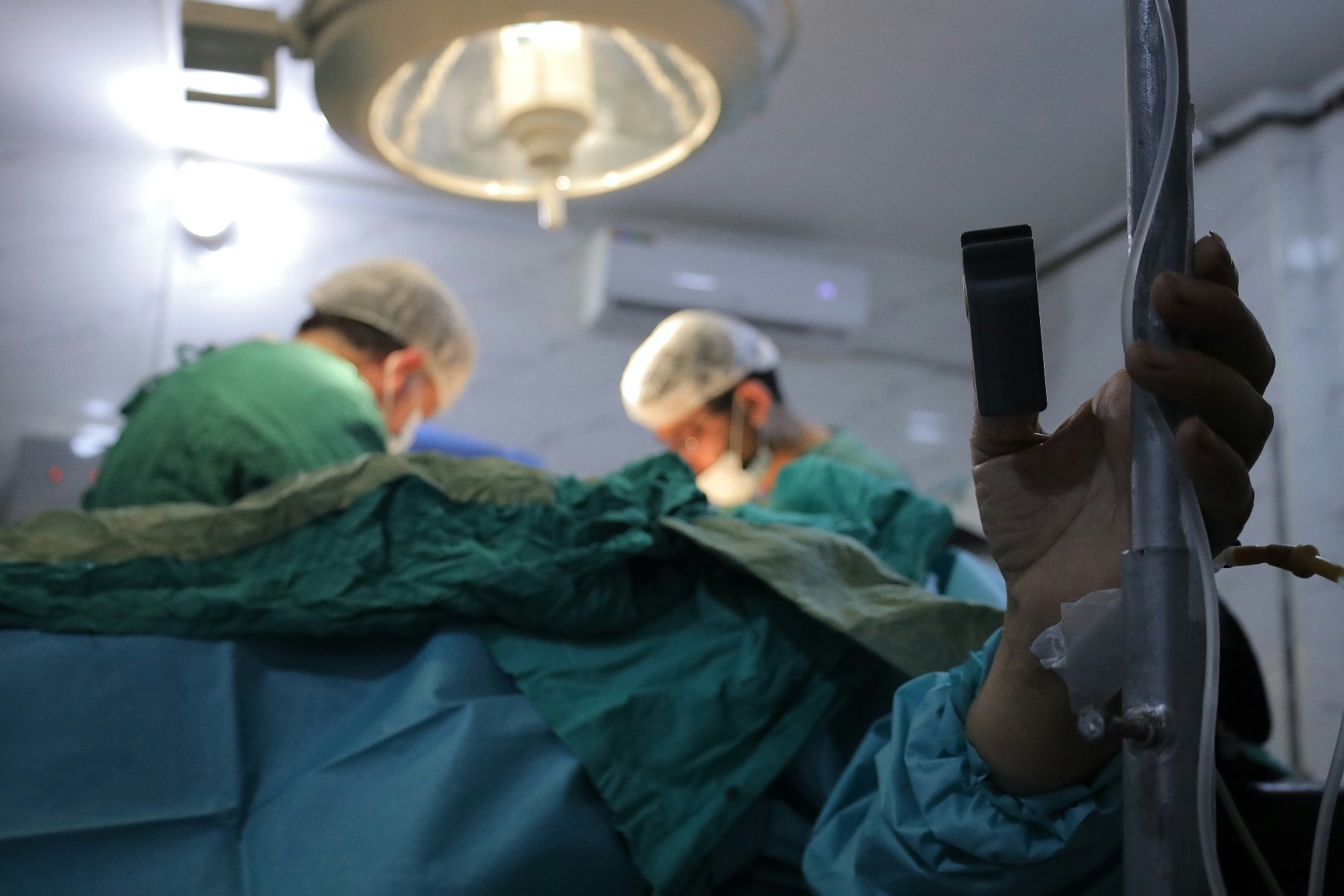
Surgical technology is facing a workforce shortage serious enough to draw comparisons to the nursing crisis.
“The surgical tech shortage at Penn Medicine is on par with the nursing shortage, with open positions for more than 25 out of approximately 240 surgical tech roles across the system.”
– Kevin Mahoney, CEO of the University of Pennsylvania Health System
Watch Our Video on HTA's Solutions to Workforce Shortages
The roots of the shortage are structural. In recent years, the number of accredited surgical technology programs has dropped from more than 500 to around 430. That decline in programs has directly resulted in fewer graduates sitting for the National Board of Surgical Technology and Surgical Assisting (NBSTSA) Certified Surgical Technologist certifying examination.
For people entering the field now, this shortage is a structural advantage. Fewer qualified techs means more leverage in salary negotiations, faster hiring timelines, and demand across a wide range of settings.
Florida's Specific Certification Requirements

Florida isn't a state where you can walk into an operating room without credentials. Registration with the state's Agency for Health Care Administration (AHCA) is mandatory, alongside a successful completion of a national certification exam. Practitioners must also fulfill continuing education requirements every two years to maintain certification currency.
Want to See Where You Stand Before Taking the Certification Exam?
Take Health Tech Academy's free practice exam and get a feel for the material before you commit.
Take Free Practice Exam →As of 2022, Florida law requires surgical technologists to graduate from an accredited program and earn a national certification within 12 months of graduation to work in a licensed healthcare facility. That certification standard raises the bar, which benefits those who meet it, because employers can't simply pull in uncredentialed workers off the street.
The primary national certifications relevant to Florida are the CST through the NBSTSA and the National Registered Surgical Technologist (NRST) through the American Allied Health (AAH). Both are recognized under Florida's registration requirements and carry weight with employers statewide.
Ready to Start?
Health Tech Academy's online 16-week Surgical Technologist Certification Program prepares you for the NRST certification through the AAH – all in a flexible online format built for working adults.
Get Certified in 16 Weeks →Hear from One of Our Students
Hear from Your Surgical Tech Instructor
Compare Health Tech Academy Vs Community Colleges Vs Online Colleges
| Metric | Health Tech Academy | Community College | Online Colleges |
|---|---|---|---|
| Program & tuition cost | $3,450 | $2,000 – $10,000/year | $8,000 – $19,000/year |
| Books, materials, & fees | Included ✓ | + $500 – $2,000 | + $500 – $2,000 |
| Certification exams & fees | Included ✓ | + $200 – $500 | + $200 – $500 |
| Job ready timeline | 4 – 6 months | 1 – 2 years | 6 months – 2 years |
| 100% online | ✓ Yes | ✗ No | ✓ Yes |
| Schedule flexibility | ✓ Yes | ✗ No | ✓ Yes |
| 1-on-1 coaching & mentorship | ✓ Yes | ✗ No | ✗ No |
| Job placement assistance | ✓ Yes | ✗ No | ✗ No |
| Clear path to certification | ✓ Yes | ✗ No | ✗ No |
| No travel requirements | ✓ Yes | ✗ No | ✓ Yes |
The Pros and Challenges of a Surgical Tech Career

Every career has trade-offs. Surgical technology's are worth knowing before you commit.
Why people choose it:
- Meaningful, visible work with clear patient impact.
- Faster entry into healthcare than nursing or physician assistant programs.
- Strong job security tied to non-discretionary healthcare demand.
- Scheduling variety: Hospital shifts, outpatient day cases, or travel tech contracts.
- Clear advancement pathways without starting over academically.
What the job demands:
- Surgical technologists must stand for long periods, work under pressure, and maintain excellent communication skills, as errors can be life-threatening.
- On-call requirements at hospital-based positions, including nights and weekends.
- Surgical technologists have one of the highest rates of injuries and illnesses of all occupations, with risks including slips, falls, and overexertion.
- Exposure to communicable diseases and high-stress, fast-moving environments.
- Emotional weight of working with patients in vulnerable situations.
The people who thrive in this role tend to describe a level of engagement and purpose that desk-based healthcare roles don't typically offer.
Long-Term Career Paths in Surgical Technology

One underappreciated aspect of this profession is how many directions you can take it:
- Specialization is the most common first move. Surgical techs who develop deep expertise in cardiovascular, orthopedic, neurosurgical, or robotic procedures become substantially more valuable and more difficult to replace.
- Surgical First Assistant is the natural step up for many experienced techs. A Certified Surgical First Assistant works in direct collaboration with the surgeon during the procedure itself rather than managing the sterile field from across the table.
- Surgical Services Management offers a route into OR administration, scheduling, and quality oversight – roles that draw on clinical knowledge without requiring continuous time in the sterile field.
- Transition to adjacent credentials is also well-trodden. The anatomy, physiology, and procedural knowledge surgical techs accumulate positions them well for nursing programs, physician assistant pathways, or sterile processing management.
- Travel surgical technology is another option. Travel surgical technologist positions in Florida can reach $3,326 per week for experienced cardiovascular operating room (CVOR) techs, with positions available across hospitals, ambulatory surgery centers, and specialty units throughout the state.
Who Should Consider This Career Path
Surgical technology tends to suit people who do their best work in structured, high-precision environments where the stakes are clear. If you can stay calm when things move fast, have strong attention to detail, and want to be directly involved in patient outcomes, the operating room offers something most healthcare roles don't.
It's also a particularly strong option for career changers. The certification timeline is compact compared to nursing or allied health degrees, and the earning potential begins quickly after credentialing.
Frequently Asked Questions and Answers
What is the Average Surgical Tech Salary in Florida?
The average annual salary for surgical technologists in Florida is approximately $59,840 or about $28.77 per hour. Certified techs in high-demand metros like Miami, Tampa, and Port Saint Lucie can earn considerably more, with top earners exceeding $80,000 annually.
Do You Need a Certification to Work as a Surgical Tech in Florida?
Yes. Florida requires surgical technologists to graduate from an accredited program and earn a national certification within 12 months of graduation. Registration with the state's AHCA is also mandatory, along with continuing education every two years.
How Long Does it Take to Become a Surgical Tech?
Timelines vary by program format. Certificate programs can run as short as nine to twelve months, associate degree programs typically take two years, and accelerated options – like Health Tech Academy's 16-week online program – can prepare students for national certification in a significantly shorter timeframe.
Where Do Surgical Techs Work in Florida?
The majority work in hospital operating rooms, but Florida's growing network of ambulatory surgery centers, specialty surgical clinics, and physician offices also employs substantial numbers of surgical techs. Each setting has different pay structures and scheduling norms.
What is the Job Outlook for Surgical Technologists?
The BLS projects 5% employment growth for surgical assistants and technologists from 2024 to 2034, faster than the average for all occupations, with approximately 8700 openings projected nationally each year.
Can a Surgical Tech Lead to Other Healthcare Careers?
Definitively. Experienced surgical techs can advance to Surgical First Assistant, Surgical Services Manager, or transition into Nursing, Physician Assistant, or Sterile Processing Management programs.
What Certifications Should I Pursue as a Surgical Tech?
The two most widely recognized credentials are the CST (Certified Surgical Technologist) through the NBSTSA, and the NRST (National Registered Surgical Technologist) through the AAH (American Allied Health). Florida employers recognize both, and either opens doors across the state's hospital and outpatient markets.