
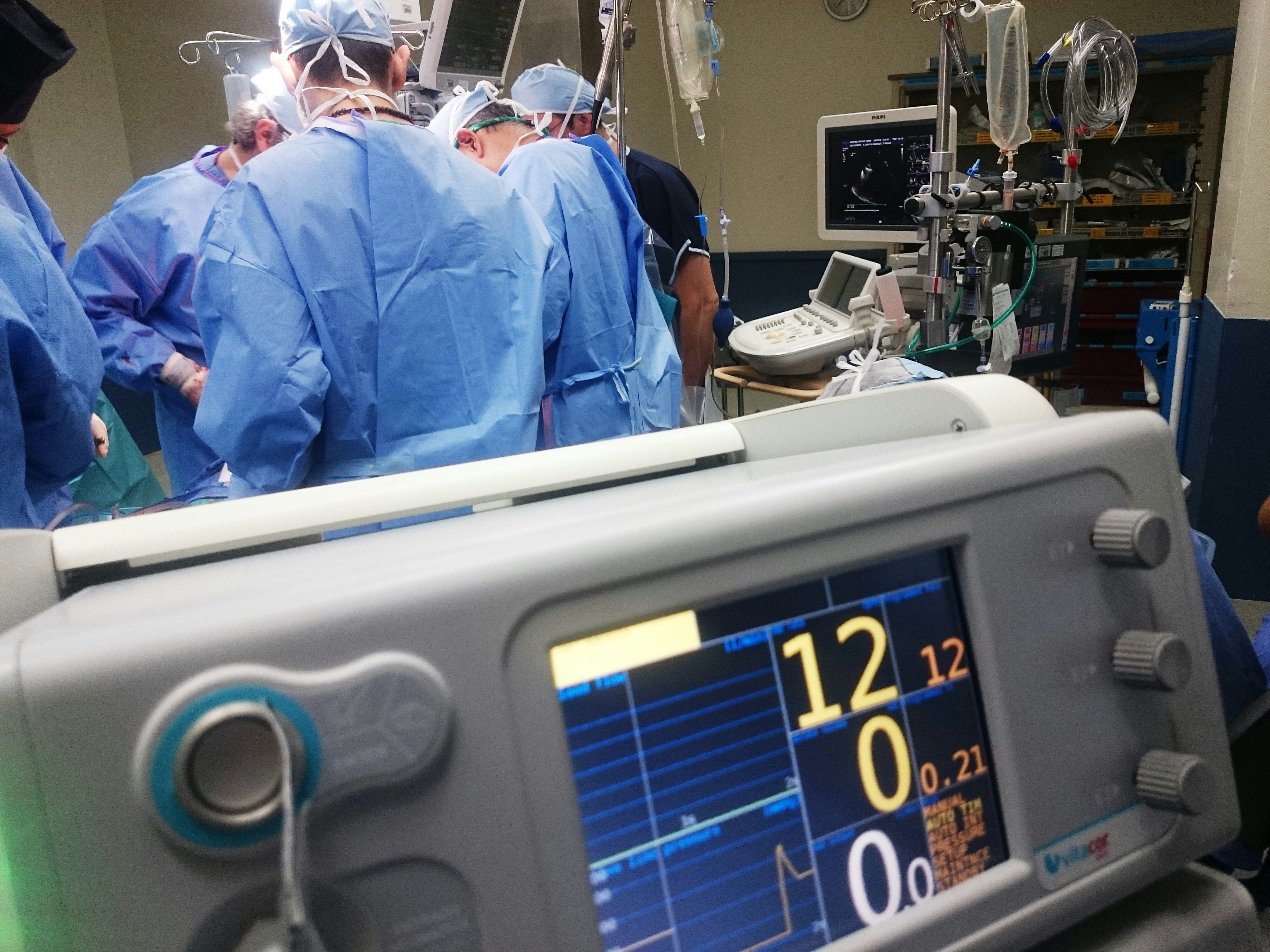
This article breaks down what the timeline looks like in Texas, what stretches it out, and what can compress it significantly.
The Short Surgical Tech Answer Nobody Gives You

Most people assume surgical tech training takes two years. That is the community college baseline – an Associate of Applied Science (AAS) degree spread across four semesters, sometimes longer if prerequisite courses push the start date back. What few people mention is that degree-based programs are not the only pathway, and in Texas, they are not always the fastest route to working in an operating room.
The Commission on Accreditation of Allied Health Education Programs (CAAHEP) sets the national standard for accredited surgical tech programs, and most traditional programs align with it. But accreditation does not mandate a two-year timeline –it mandates a competency standard.
Here is the breakdown by program type:
- Community college AAS programs: 18–24 months, including prerequisites.
- Hospital-based diploma programs: 12–18 months.
- Accelerated online certification programs: As short as 16 weeks for the didactic component, with clinical placement following.
The variable?
Prerequisites.
Some Texas community colleges require anatomy and physiology, medical terminology, and college-level English before you can start the core surgical tech coursework. That can add a full semester before you even touch a sterile field.
What the 1–2 Year Surgical Tech Traditional Route Looks Like
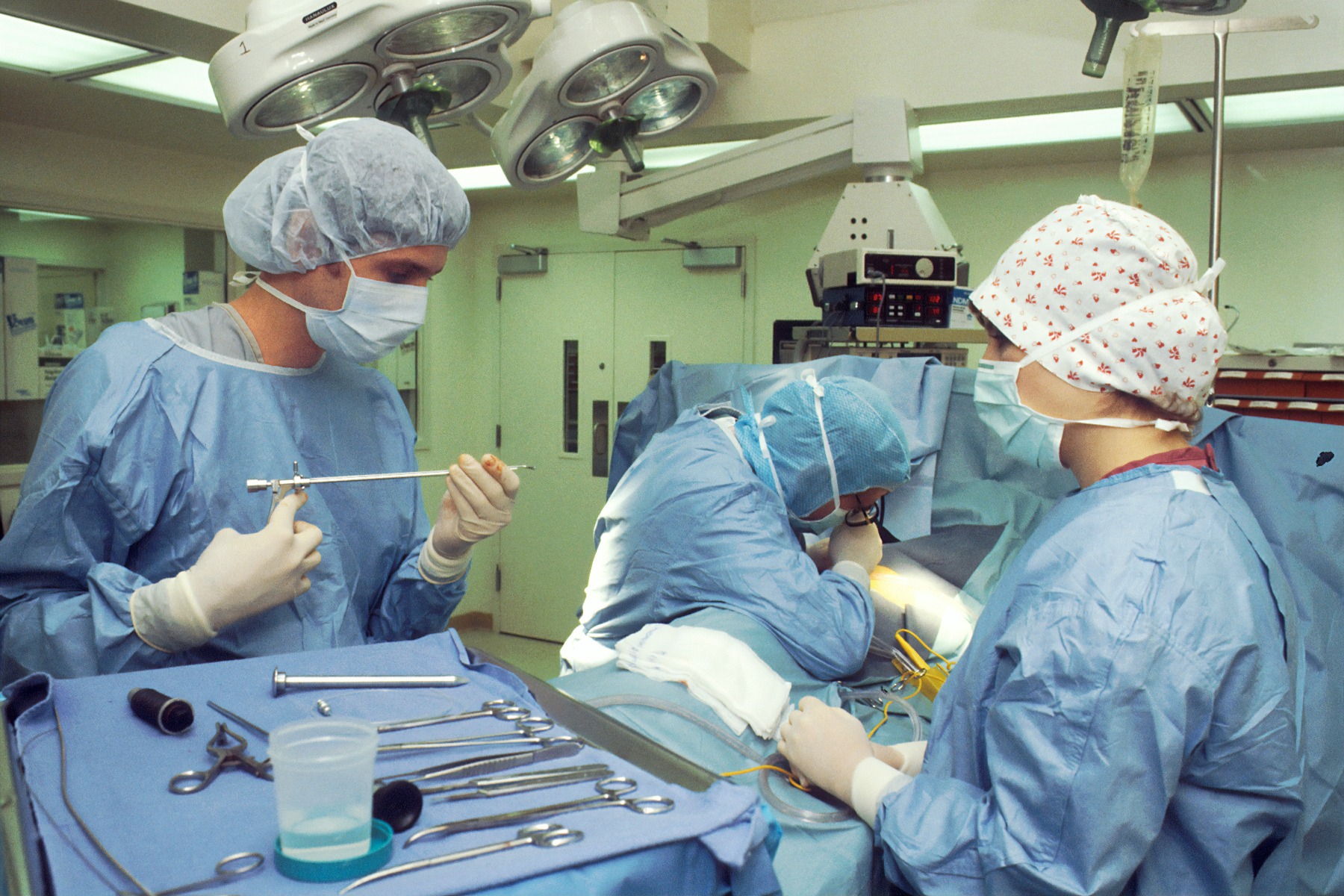
Texas has several well-established surgical technology programs through community colleges, including those run by San Antonio College and Austin Community College. These programs follow a structured cohort model:
- You apply.
- You wait for the next cohort start date.
- You move through the curriculum with your class.
The upside is comprehensive, hands-on experience. The downside is inflexibility. Miss a semester start? You may wait six months for the next one. Need to work full-time while in school? Cohort schedules are notoriously rigid.
Clinical hours are the non-negotiable piece of any program. Texas does not set a state-specific minimum for surgical tech clinicals, but CAAHEP-aligned programs typically require 120 or more surgical cases across different specialty areas. Getting those cases logged depends entirely on clinical site availability, and that availability varies by region, facility, and the number of students a program places simultaneously.
This is where timelines slip most often. A student who completes all their coursework on time can still see graduation delayed by three to six months if clinical site slots are limited or if they require additional case volume in underrepresented specialties like urology or orthopedics.
How Accelerated Surgical Tech Online Programs
The accelerated model separates the didactic (classroom) phase from the clinical phase, which gives students more control over each.
16-Week Surgical Technologist Certification
Health Tech Academy's Surgical Tech online program compresses the knowledge-based curriculum into a structured, fast-moving format – without cutting content.
It prepares students for the National Registered Surgical Technologist (NRST) credential through the American Allied Health (AAH).
Get Certified in 16 Weeks →That 16-week window covers:
- Surgical anatomy.
- Instrumentation.
- Sterile technique.
- Pharmacology for the surgical setting.
- Specialty procedures.
Students who are disciplined and time-efficient can move through the material at a focused pace that a semester-based schedule does not allow.
Where this model requires planning is in the clinical component. Clinicals still need to happen – no program can teach sterile field judgment through a screen. But because the didactic portion is completed first, students enter clinical placement with a stronger foundational base, which often translates to a smoother and faster case completion rate.
If getting into the operating room quickly is the priority, the 16-week didactic route followed by focused clinical placement is objectively faster than waiting for a community college cohort to begin.
Hear from One of Our Students
Hear from Your Surgical Tech Instructor
Compare Health Tech Academy Vs Community Colleges Vs Online Colleges
| Metric | Health Tech Academy | Community College | Online Colleges |
|---|---|---|---|
| Program & tuition cost | $3,450 | $2,000 – $10,000/year | $8,000 – $19,000/year |
| Books, materials, & fees | Included ✓ | + $500 – $2,000 | + $500 – $2,000 |
| Certification exams & fees | Included ✓ | + $200 – $500 | + $200 – $500 |
| Job ready timeline | 4 – 6 months | 1 – 2 years | 6 months – 2 years |
| 100% online | ✓ Yes | ✗ No | ✓ Yes |
| Schedule flexibility | ✓ Yes | ✗ No | ✓ Yes |
| 1-on-1 coaching & mentorship | ✓ Yes | ✗ No | ✗ No |
| Job placement assistance | ✓ Yes | ✗ No | ✗ No |
| Clear path to certification | ✓ Yes | ✗ No | ✗ No |
| No travel requirements | ✓ Yes | ✗ No | ✓ Yes |
The Certification Question and Why it Affects Your Timeline

Two primary credentials exist in this field: The Certified Surgical Technologist (CST) through the National Board of Surgical Technology and Surgical Assisting (NBSTSA), and the National Registered Surgical Technologist (NRST) through the American Allied Health (AAH) association. Both require passing an exam. Neither is legally required to work in Texas, but both significantly affect employability.
According to the Bureau of Labor Statistics (BLS), surgical technologists held about 116,000 jobs nationally as of 2022, with employment projected to grow 5% through 2032. Texas consistently ranks among the top states for surgical tech employment volume, driven by its population size and concentration of large hospital systems in Houston, Dallas, and San Antonio.
Most candidates need four to eight weeks of dedicated study after completing their program before they feel ready to sit for a credentialing exam. Students who build exam prep into their program schedule save themselves a month or two on the back end.
The NRST exam through the AAH covers core competency areas that align directly with what Health Tech Academy's curriculum teaches. That alignment is intentional and practical.
Gauge Your Readiness for The Exam
Take our free practice exam. You can get a sense of how prepared you are leading up to your official exam day.
Free Practice Exam →What Slows People Down in Surgical Tech
Beyond prerequisites and clinical slot availability, a few other timeline killers are worth knowing before you commit to a program:
- Financial aid processing. Federal aid for short-term programs can be complicated. Not all accelerated programs qualify for Title IV funding, which means some students need to secure alternative financing before they can begin. Factoring in application and disbursement timelines can add four to eight weeks before a start date.
- Background check and immunization requirements. Clinical sites in Texas require both before a student can set foot in a facility. If you have not had a Tdap (Tetanus, Diphtheria, and Pertussis) booster recently or need titers drawn for hepatitis B, that process alone can take two to three weeks. Starting this early is worth it.
- Program waitlists. Several Texas community college surgical tech programs have waitlists of six months to over a year. This is not widely advertised on program websites, but it is a documented reality at multiple institutions. Calling the program coordinator directly is always the right move.
Expert Perspective on Surgical Tech Training Timelines

The conversation around how long training should take has been ongoing in allied health education for years.
"The focus should be on what a graduate can do, not how long they spent in a classroom."
– Dr Mary Raven, Former President of the Association of Surgical Technologists (AST)
Similarly, workforce development research cited by the Health Workforce Research Center has highlighted that shorter, intensive programs in allied health fields produce graduates who enter the workforce faster without measurable differences in clinical competency when compared to longer degree programs (provided clinical hours are equivalent).
These perspectives support a shift in how prospective students evaluate program length. Sixteen weeks of intense instruction is not a shortcut.
Scheduling Flexibility as a Strategic Advantage

One underappreciated factor in the timeline equation is scheduling flexibility itself. A working adult who can dedicate 20–25 hours per week to an online program will often complete the same volume of material faster than a student attending classes on a fixed schedule three days a week.
Online programs allow students to study at 11 p.m. if that is when their brain is sharp. They allow a parent to complete a module during a child's nap. That flexibility does not dilute the content – it removes the structural inefficiencies that stretch traditional programs across 18 months.
For students in rural Texas, the flexibility argument is even stronger. Driving 90 minutes each way to a campus three times a week is time that online learners redirect into studying.
You’ve Got What It Takes to Get Trained
The timeline for becoming a surgical technologist in Texas is not fixed. Choosing a program with a long waitlist, skipping early certification prep, or underestimating how clinical scheduling works can each add months to an already extended process. Choosing a focused, online didactic program, starting background and immunization requirements early, and building exam prep into the curriculum can compress that same process significantly.
The operating room is not waiting. Texas hospitals are hiring, surgical volumes continue to rise, and credentialed technologists have a meaningful advantage in both placement speed and starting salary.
Frequently Asked Questions and Answers
How Long Does it Take to Become a Surgical Technologist in Texas?
It depends on the program format. Traditional AAS degree programs at community colleges take 18–24 months, including prerequisites. Accelerated online programs like Health Tech Academy's 16-week certification program can complete the didactic phase in four months, with clinical hours following. Total time from start to employment varies, but motivated students using the accelerated route can be working in an OR within six to nine months of starting.
Do I Need a Degree to Work as a Surgical Technologist in Texas?
No. Texas does not mandate a degree for surgical technologist employment. Certification is what most employers prioritize. The NRST through the AAH and the CST through the NBSTSA are both widely recognized credentials in Texas hospital systems.
What is the Difference Between the CST and NRST Credentials?
The CST (Certified Surgical Technologist) is administered by the NBSTSA and has historically been the more widely recognized credential. The NRST (National Registered Surgical Technologist) is offered through the AAH and is gaining traction among employers, particularly for graduates of newer, accelerated programs. Both demonstrate foundational competency. Some employers accept either; others specify one. Checking with target employers in your area before choosing a program is a practical step.
How Many Clinical Hours are Required for Surgical Tech Programs in Texas?
CAAHEP-aligned programs typically require a minimum of 120 surgical cases. Texas does not impose a separate state minimum beyond what accreditation bodies require. Clinical hours must span multiple specialty areas, which is why slot availability and clinical site relationships matter so much when choosing a program.
Can I Become a Surgical Technologist Online?
The didactic portion of surgical tech training can be completed online. The clinical component cannot be done remotely and must be completed at an approved clinical site. Hybrid programs that combine online coursework with in-person clinicals are legitimate, accredited pathways and are common.
What Does a Surgical Technologist Earn in Texas?
According to the BLS, the median annual wage for surgical technologists nationally was $59,490 as of May 2023. In Texas, wages vary by metro area – Houston, Dallas, and Austin tend to offer higher compensation than rural markets. Credentialed technologists consistently out-earn non-credentialed peers in the same facilities.
Is Surgical Technology a Good Career in Texas?
Texas is one of the strongest markets for surgical tech employment in the country, driven by population growth, a high concentration of large health systems, and consistent surgical volume. The BLS projects 5% job growth nationally through 2032, and Texas-specific demand tracks above that baseline in several major metros.