Let's skip the motivational preamble and get into what the exam tests and how to build a prep strategy that holds up under pressure.
What the Surgical Tech Certification Exam Covers
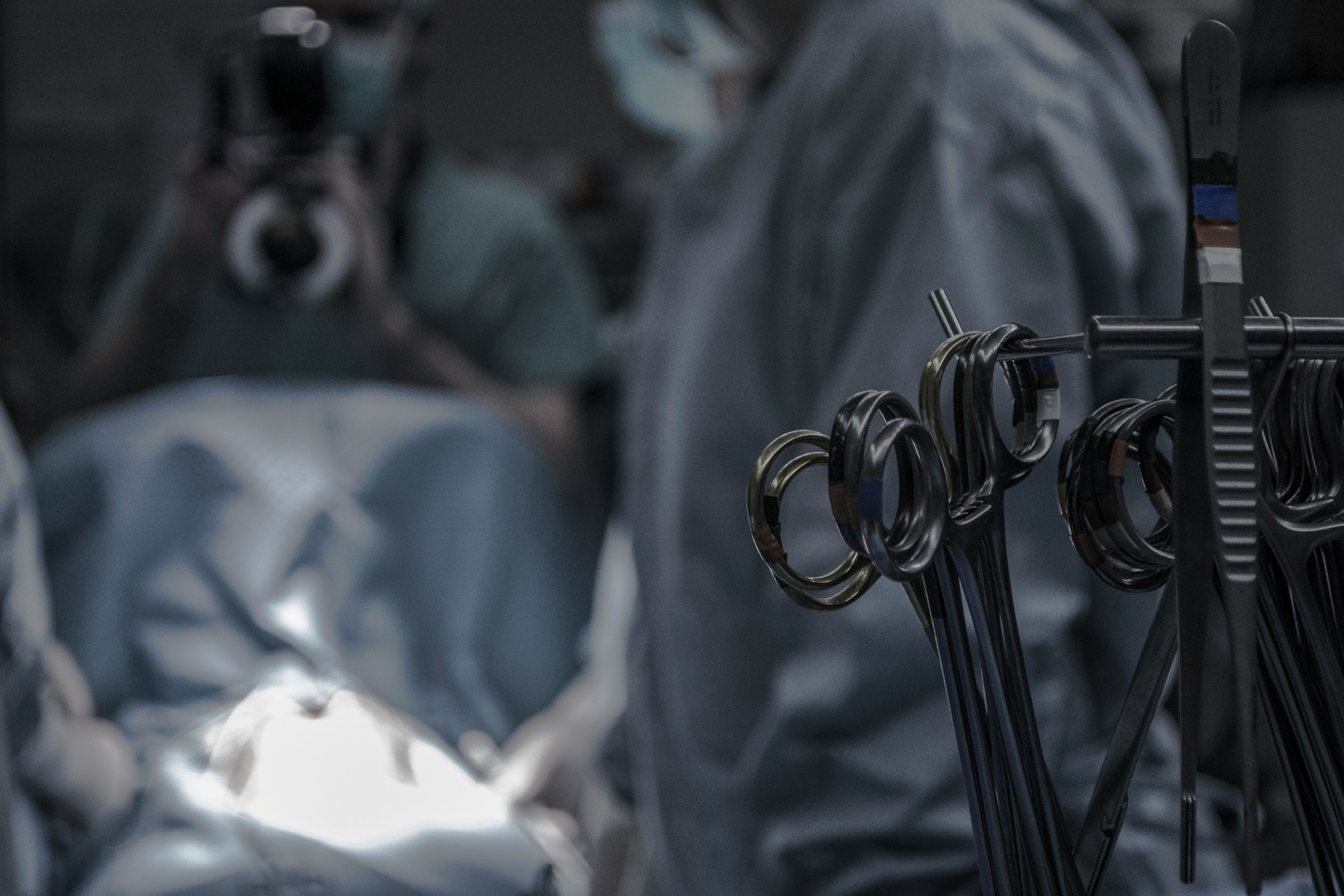
The NRST exam is organized around three core domains, and understanding the weight of each one is the first edge you can give yourself.
- Perioperative care carries the heaviest load – roughly 40% of the exam. This includes preoperative preparation, intraoperative procedures, and postoperative responsibilities. If you've been skimming this section because it feels ‘basic,’ reconsider. Questions go deep into positioning complications, specimen handling protocols, and surgical conscience – an ethical standard that's frequently tested in scenario-based questions.
- Anatomy and physiology account for approximately 30% of the exam. You'll encounter questions on surgical approaches to specific anatomical structures, regional variations in vasculature, and physiological responses to anesthesia. Expect applied questions, not definitions.
- Surgical pharmacology and anesthesia make up the remaining 30%. Hemostatic agents, anticoagulants, contrast media, and the surgical tech's role in medication handling – this domain trips up a lot of candidates who assumed pharmacology was "the nurse's job."
A passing score on the NRST exam is 70% or higher. The exam is not adaptive, meaning every candidate receives the same structure, which makes domain-weighted studying especially effective.
The AAH allows candidates to retake the exam, but there is a waiting period and an additional fee per attempt. Knowing this upfront is a motivator to treat your first sitting as your best shot.
The Surgical Tech Numbers do Add Up
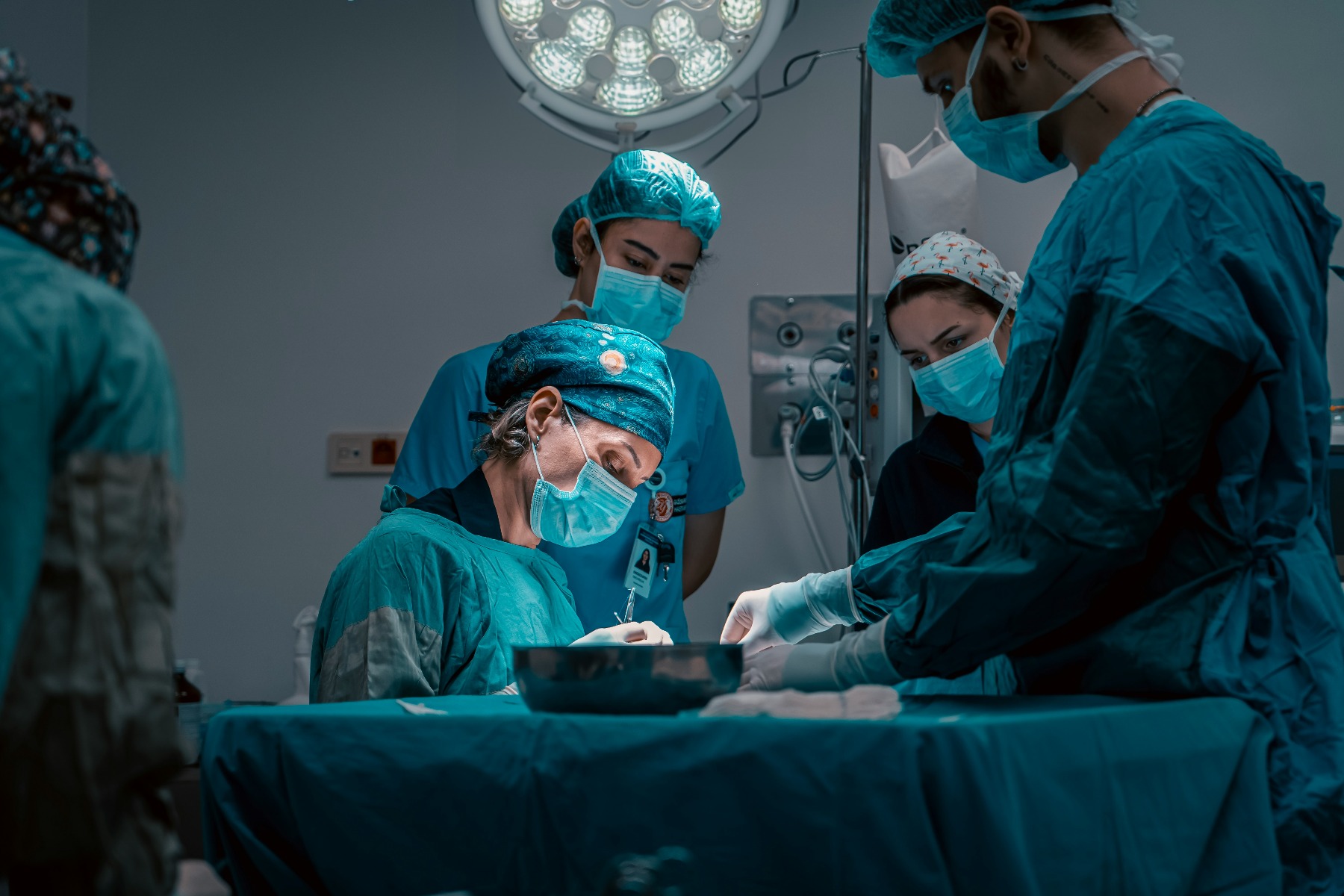
According to the Association of Surgical Technologists (AST), the surgical technologist profession is projected to grow 5% through 2032, but California's healthcare sector is running a parallel shortage of OR (operating room) support staff, particularly in rural and inland regions. Certified techs in California report median hourly wages between $30 and $38, with Level I trauma centers in Los Angeles and the Bay Area paying at the higher end of that range.
A 2022 workforce report from the California Hospital Association found that OR staffing shortages contributed to surgical delay rates in understaffed facilities. Certified surgical techs are one of the primary solutions hospitals are actively recruiting for.
How to Prioritize Your Study Time Without Burning Out
Most candidates fail because they studied everything equally. That's the wrong move.
Start with a diagnostic. Before you commit to any structured timeline, take a full-length practice exam cold. Your weak domains will surface immediately, and you'll stop wasting hours reviewing what you already know.
Take the free practice exam from Health Tech Academy – it's built to reflect exam difficulty and is a strong starting point for identifying where your prep needs the most work.
From there, a structured timeline works best when it's domain weighted. Here's a framework that works:
- Weeks 1 through 4: Focus on perioperative care. Cover surgical positioning, draping techniques, instrument identification, and sterile field management. Build mental checklists – the exam uses a lot of scenario-based questions in this domain.
- Weeks 5 through 8: Move into anatomy and physiology. Use surgical approach maps alongside your anatomy review. Understanding why an incision is made in a specific location reinforces both domains simultaneously.
- Weeks 9 through 12: Shift to pharmacology and anesthesia. Memorize drug classifications, but spend equal time on clinical application scenarios. How does a surgical tech respond when a patient shows signs of malignant hyperthermia? These questions appear more often than most prep books suggest.
- Weeks 13 through 16: Full review, timed practice exams, and targeted drilling on missed question types.
Proven Surgical Tech Prep Strategies
Practice Tests as Diagnostic Tools
The biggest mistake candidates make with practice tests is using them to feel good rather than to identify gaps. Every wrong answer is a data point. Keep a running log of missed questions by domain – after three or four practice exams, a pattern will emerge. That pattern is your study priority list.
Low-quality question banks recycle surface-level definitions. High-quality questions force you to apply knowledge to realistic surgical scenarios.
Spaced Repetition Over Marathon Sessions
There's solid cognitive science behind spaced repetition, and surgical tech candidates who use it consistently outperform those who rely on cramming. A 2021 study published in Cognitive Psychology confirmed that information reviewed at increasing intervals is retained significantly longer than content reviewed in massed sessions. For a 100-question exam that spans three domains, long-term retention is the entire game.
Apps like Anki work well for terminology and pharmacology. For procedural sequences and surgical technique, written scenario walkthroughs tend to stick better than passive reading.
Study Groups with a Catch
Study groups are helpful, with one condition: every session needs an agenda. Open-ended study sessions tend to devolve into reviewing what everyone already knows because it feels productive. Set a domain topic for each session, assign sections in advance, and quiz each other on scenario-based questions rather than definitions.
Common Mistakes that Derail Prepared Surgical Tech Candidates
- Neglecting sterile technique scenarios: These show up across multiple domains and are often framed as ethical decision-making questions. What do you do when a team member breaks sterile field protocol, but no one else acknowledges it? Know your answer cold.
- Over-relying on memorization for pharmacology: Knowing the name of a hemostatic agent is not the same as knowing when it's contraindicated. The exam tests the latter far more often.
- Skipping the candidate handbook: The AAH publishes a detailed candidate handbook for the NRST exam. Most people don't read it. It contains the domain breakdown, testing policies, and sample question types. Reading it takes 30 minutes and removes a significant amount of exam-day uncertainty.
- Underestimating fatigue management: A 100-question exam under timed conditions is a cognitive endurance event. Practice taking full-length tests in one sitting so the format isn't a surprise on exam day.
Why a Structured Program Changes the Outcome
Self-study works for some candidates, but completion rates and first-attempt pass rates are higher among candidates who complete a structured program. The reason is accountability and curriculum sequencing – knowing what to study is only useful if you're moving through the material in the right order.
"Competency in clinical environments is not self-assessed accurately – structured external validation consistently outperforms individual self-reporting."
– Dr Peter Angood, Former CEO of the American College of Physician Executives
Health Tech Academy's 16-week online Surgical Technologist Certification Program is built around the NRST exam framework and is designed for working adults who need flexibility without sacrificing structure. The curriculum covers all three exam domains, includes practice assessments, and prepares candidates for NRST certification through the AAH.
Hear from One of Our Students
Meet Your Surgical Tech Instructor
The California-Specific Context You Need to Know
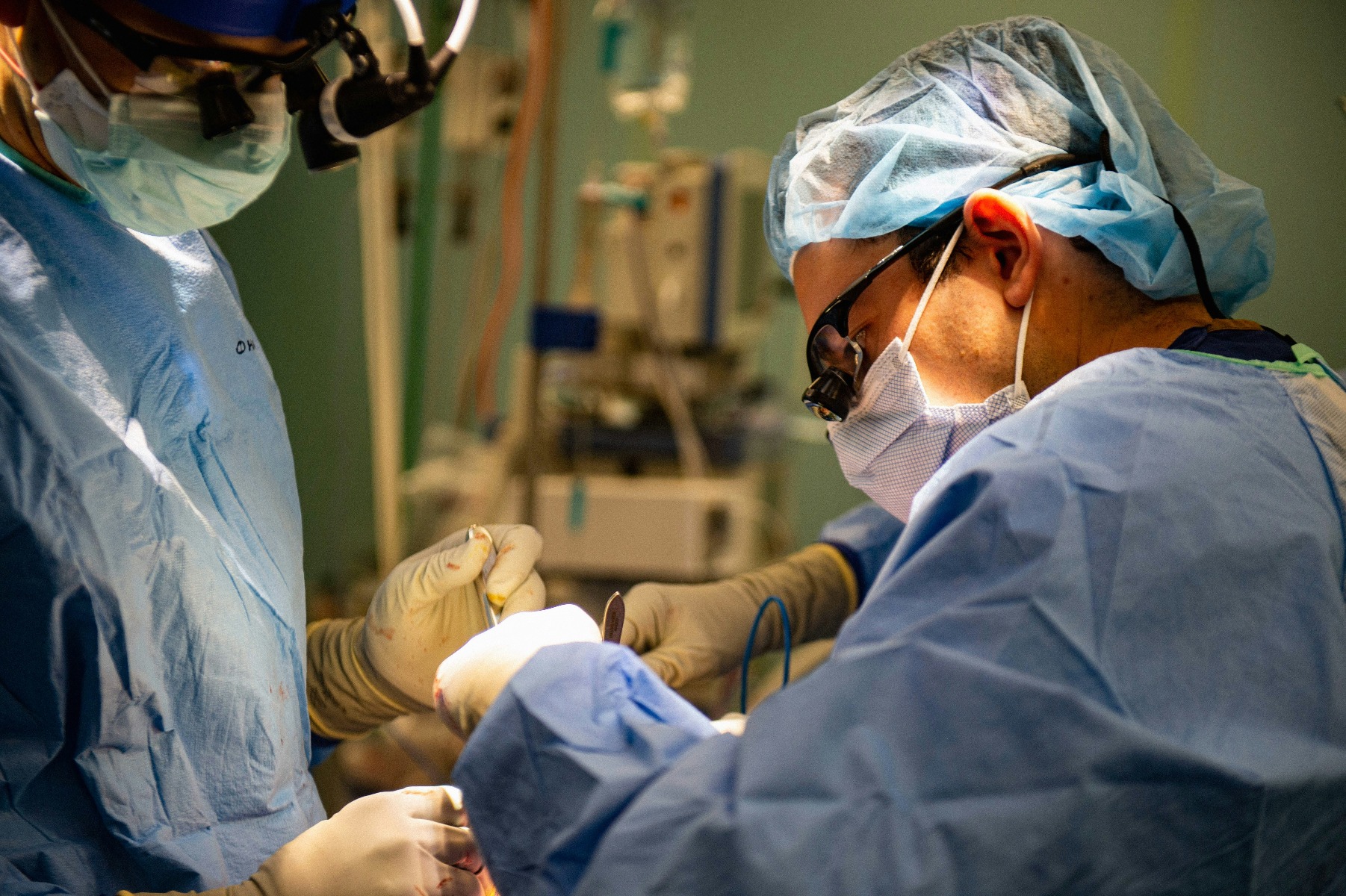
California operates under a voluntary certification model, meaning no state law currently mandates surgical tech certification, but that's changing in practice. The Joint Commission standards reference credentialed surgical personnel as part of hospital accreditation requirements, and California's major health systems, including Kaiser Permanente, Dignity Health, and Sutter Health, have moved toward requiring national certification for all OR support staff.
Legislative efforts similar to those passed in Texas, Tennessee, and Nevada, which require surgical techs to hold a recognized national certification, have appeared in California discussions more than once. Whether or not a state mandate materializes, the professional trend is clear: certification is becoming the floor, not the differentiator.
Passing the NRST exam positions you ahead of that shift rather than scrambling to catch up once it arrives.
"The surgical technologist's role in patient safety cannot be overstated – and formal credentialing is the clearest signal the profession can send about its commitment to that standard."
– Kevin Fickenscher, MD
You’re Ready to Get a Pass in California
Passing the surgical tech certification exam comes down to three things:
- Understanding what the NRST tests.
- Studying those domains in proportion to their weight.
- Building a prep strategy based on diagnostic data rather than comfort.
California's OR market rewards certified techs, and the professional landscape is moving in one direction on credentialing.
The candidates who pass on their first attempt are rarely the ones who studied the most hours. They're the ones who studied the right material, at the right depth, with enough structure to stay consistent across 12 to 16 weeks.
Frequently Asked Questions and Answers
What is the NRST Exam and Who Administers it?
The National Registered Surgical Technologist exam is a certification assessment administered by the American Allied Health. It consists of 100 multiple-choice questions covering perioperative care, anatomy and physiology, and surgical pharmacology. A passing score is 70% or higher.
Is Surgical Tech Certification Required in California?
California does not currently have a statewide law mandating certification. Still, the majority of hospital systems and accredited surgical facilities in the state require national certification – such as the NRST – as a condition of employment. Voluntary state-level certification requirements may change as legislative discussions continue.
How Long Should I Study Before Taking the Exam?
Most candidates benefit from 12 to 16 weeks of structured preparation, particularly when using a domain-weighted study plan. Candidates who attempt the exam after fewer than eight weeks of preparation tend to show lower first-attempt pass rates, especially in the pharmacology domain.
Can I Retake the NRST Exam if I Don't Pass?
Yes. The AAH permits retakes, but there is a mandatory waiting period between attempts and an additional examination fee. Candidates are encouraged to use their first attempt as their primary target and to approach it with a complete preparation timeline.
What's the Difference Between the NRST and the CST Offered by NBSTSA?
The NRST is offered by the American Allied Health, while the Certified Surgical Technologist (CST) credential is offered by the National Board of Surgical Technology and Surgical Assisting (NBSTSA). Both are nationally recognized credentials. The NRST is accessible to candidates who complete an approved training program and does not require a formal surgical technology degree, making it a common path for those completing certificate programs.
Are Online Surgical Tech Programs Respected by California Employers?
Yes, provided the program is structured, covers the relevant exam domains, and prepares candidates for a recognized national certification. Health Tech Academy's 16-week online program is specifically designed around the NRST certification framework and is built for working adults navigating scheduling constraints.