The California Surgical Tech Job Market: Why Speed is Critical

California consistently ranks among the top two states for surgical technologist pay. The San Francisco–Oakland–Hayward metro tops the national list for surgical tech wages at $91,150 annually, with San Jose close behind at $90,870. California ranks second nationally for mean annual surgical tech wages, at $73,850.
With numbers like that, it's no surprise people want to get into the field as quickly as possible. The accelerated program market has expanded to meet that demand, but not all programs are built the same.
One thing that trips up a lot of prospective students: California doesn't mandate state licensure for surgical technologists the way some other states do. That means you could technically work without a national certification, but almost no employer of note will hire you without one.
Certification is strongly preferred by many employers, with the Certified Surgical Technologist (CST) credential offered through the National Board of Surgical Technology and Surgical Assisting (NBSTSA) being the most common. Hospitals and ambulatory surgical centers typically build it into their hiring requirements through internal credentialing standards.
Breakdown of Accelerated Programs in California

Understanding what "accelerated" means in practice will save you from a bad enrollment decision. Here's how the main program structures break down:
- Certificate programs (9–16 months): Certificate programs in California typically run nine to fifteen months and are intensive, often full-time. Clinical hours are a non-negotiable part of training – expect anywhere from several hundred to over a thousand clock hours of lab and clinical practice, depending on program type and accreditation standards. These are the workhorses of the accelerated space. They prioritize surgical technology fundamentals and get you to the certification exam faster than a two-year degree track would.
- Associate degree programs (18–24 months): Associate degree programs in surgical technology usually take about two years and often include more clinical skills and hands-on training across a broader range of surgical procedures. Schools like Skyline College in San Mateo offer this route with partnerships at facilities such as California Pacific Medical Center and Mills-Peninsula Hospital, giving students exposure to multiple OR environments.
- Online and hybrid accelerated programs (16 weeks to 6 months, didactic): A number of programs now deliver the didactic (classroom-based) portion online in as few as 16 weeks, with clinical externships handled separately at partnered sites. Programs like these are co-certified by the National Center for Competency Testing (NCCT) and the American Allied Health (AAH), preparing students for nationally recognized certification exams.
The Certification Question: What the NRST and AAH Stand for

One acronym that doesn't get enough attention in the "fastest program" conversation is the NRST – National Registered Surgical Technologist – a credential administered through the American Allied Health (AAH). This is a nationally recognized certification that many online and hybrid program completers pursue, and it's worth understanding how it differs from the CST.
Both the NRST and the CST signal competency. The CST, administered through the NBSTSA, requires graduation from a Commission on Accreditation of Allied Health Education Programs (CAAHEP)-accredited program. The NRST, through the AAH, offers a pathway that some non-CAAHEP programs (including online programs) can prepare you for.
The certification pathway built into your program determines which exam you're eligible to sit for. Choosing a program without first checking its certification eligibility criteria is one of the most common and costly mistakes prospective students make.
"We need to commit to certification and ongoing education for our sterile processing staff. They need to have the knowledge and skills required to produce quality work and ensure that our customers receive clean, sterile, and functioning instruments for their surgeries."
– Mary Velasco, Manager of Sterile Processing at Henry Ford Macomb Hospital
That expectation (knowledge, skills, and credentials) doesn't change whether you trained in nine months or twenty-four.
How to Choose a Program That Balances Speed with Certification Readiness

Speed and certification readiness are not mutually exclusive, but they require you to ask the right questions before handing over tuition money. Here's a framework for evaluating any accelerated program:
- Does the program lead to a recognized national certification exam? This is non-negotiable. Confirm which certification body the program prepares you for and verify that local employers in your target area accept that credential. Call a hiring manager at a hospital you'd want to work at and ask directly.
- How are clinical placements handled? Programs that partner with multiple hospitals and ambulatory surgical centers typically provide broader exposure to different procedures and team dynamics. Ask specifically whether the program manages site placement or whether that responsibility falls to you. In California's hospital market, walking into a placement cold without institutional support is harder than it sounds.
- What is the weekly time commitment? Many accelerated certificate programs are full-time and require daytime clinicals, so part-time options may be limited. If you're working while in school, a hybrid or fully online didactic portion buys you scheduling flexibility.
- What does the exam prep component look like? Pass rates on certification exams are not always published, and programs aren't always required to disclose them. Ask directly. Also, ask whether practice exam resources are included in tuition. Many programs charge extra for prep materials that can run $200–$500 out of pocket.
- Is coaching or mentorship built into the program structure? One differentiator among online accelerated programs is whether they include one-on-one coaching sessions with working surgical technologists. This matters because the technical material is one thing; OR culture, instrument anticipation, and sterile field discipline are learned through professional mentorship.
"Being a part of a surgical team is poetic to me. Being able to critically think, anticipate, and stay organized are the top assets that I bring to the field."
– Brian Kriever, a Surgical Technologist at Southeast Community College
That kind of instinct is shaped by who mentors you during training, which is why programs with built-in coaching and case-completion tracking tend to produce more exam-ready graduates.
Health Tech Academy's 16-Week Online Program: Built for California's Market
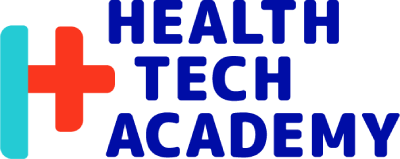
For California-based students who need to complete didactic training without interrupting a job or family schedule, Health Tech Academy's online 16-week Surgical Technologist Certification Program is worth a close look.
The program leads to NRST certification through AAH, includes one-on-one coaching, and manages clinical externship placement.
Get Certified in 16 Weeks →The program leads to NRST certification through the AAH, includes mandatory one-on-one coaching sessions with experienced surgical technologists, and covers the full exam prep resource stack. Clinical externships are managed through the institution, with a required 125 documented surgical cases across specific specialties. The career services team handles site matching and onboarding, which removes a significant logistical burden from students navigating California's hospital systems.
The 16-week timeline covers the didactic portion. Students then move into a clinical apprenticeship before sitting for certification – a structure that front-loads the knowledge and back-loads the hands-on hours, allowing working adults to study around their current schedules.
If you're evaluating whether this program is the right level of challenge for where you're starting, the best first step is to take the free practice exam before committing. It's a realistic diagnostic tool.
Hear from One of Our Students
Hear from Your Surgical Tech Instructor
Compare Health Tech Academy Vs Community Colleges Vs Online Colleges
| Metric | Health Tech Academy | Community College | Online Colleges |
|---|---|---|---|
| Program & tuition cost | $3,450 | $2,000 – $10,000/year | $8,000 – $19,000/year |
| Books, materials, & fees | Included ✓ | + $500 – $2,000 | + $500 – $2,000 |
| Certification exams & fees | Included ✓ | + $200 – $500 | + $200 – $500 |
| Job ready timeline | 4 – 6 months | 1 – 2 years | 6 months – 2 years |
| 100% online | ✓ Yes | ✗ No | ✓ Yes |
| Schedule flexibility | ✓ Yes | ✗ No | ✓ Yes |
| 1-on-1 coaching & mentorship | ✓ Yes | ✗ No | ✗ No |
| Job placement assistance | ✓ Yes | ✗ No | ✗ No |
| Clear path to certification | ✓ Yes | ✗ No | ✗ No |
| No travel requirements | ✓ Yes | ✗ No | ✓ Yes |
What Accelerated Programs Fail to Mention
A few things that tend to get buried:
- Clinical hours are fixed, regardless of how fast the didactic portion moves: The number of procedures you need to document for certification eligibility doesn't compress because your coursework ran 16 weeks. This means the total time to certification readiness is the didactic period plus the externship, not just the program length advertised on the homepage.
- California's cost of living affects how fast you can realistically complete training: Compare the total cost of a program – tuition, fees, books, equipment, and travel for clinicals – and explore financial aid early in the application timeline.
- Not all hybrid programs have the same accreditation status: CAAHEP accreditation is the standard for surgical technology programs, but some credible programs – including online-first ones – operate under AAH or ABHES accreditation and prepare students for equivalent national certifications.
- The TS-C credential from the NCCT (National Center for Competency Testing) has a different renewal cycle than the CST: TS-C certifications are renewed annually and require the completion of at least 14 continuing education hours, while the CST requires 30 continuing education credits every two years. Annual renewal means staying more actively current, which aligns with how fast OR protocols and equipment evolve.
Before You Commit: Use a Practice Exam to Gauge Your Starting Point
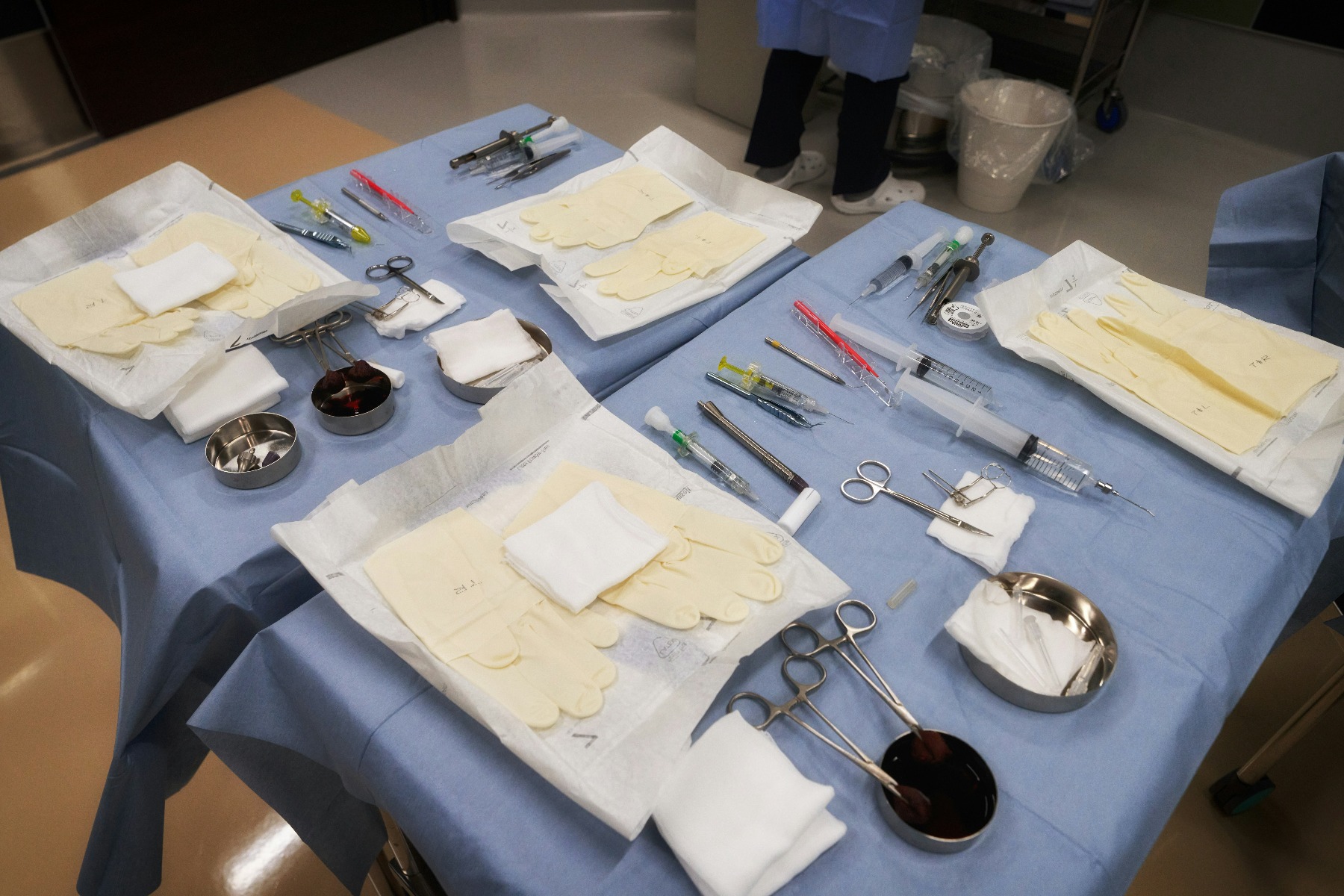
One practical move that many applicants skip – taking a practice exam before enrolling in any program – can tell you a lot about where your knowledge gaps are and how much of the curriculum will feel new versus reinforcement.
Health Tech Academy offers a free practice exam. It's calibrated to the certification exam, covers anatomy, sterile technique, instrument handling, and surgical procedures, and takes about 30 minutes.
Even if you're early in the comparison phase, the results will sharpen your questions when you talk to program advisors.
Take Our Free Practice Exam →Act Fast with Your Training
In California, where hospital hiring standards are high, a credential that employers question defeats the purpose of speed entirely.
The programs worth your attention are the ones that move efficiently through didactic training, manage clinical placement rather than outsourcing it to you, build exam preparation into the structure, and lead to a nationally recognized certification with market acceptance. Those criteria narrow the field considerably, which is exactly the point.
Frequently Asked Questions and Answers
How Long Does the Fastest Surgical Tech Program in California Take?
The fastest surgical tech programs (like Health Tech Academy’s) in California complete the didactic portion in as little as 16 weeks through online or hybrid formats. Total time to certification readiness, including clinical externship hours, typically runs six to twelve months, depending on the program structure and how quickly externship placement is secured.
Do I Need to be Certified to Work as a Surgical Tech in California?
California doesn't mandate state licensure for surgical technologists, but most hospitals and ambulatory surgical centers require national certification through their internal credentialing standards. Without a recognized credential such as the NRST or CST, getting hired at a facility is significantly harder.
What is the Difference Between the NRST and CST Certifications?
The NRST (National Registered Surgical Technologist) is administered through the American Allied Health (AAH) and is accessible through programs that are not required to hold CAAHEP accreditation. The CST (Certified Surgical Technologist) is administered through the NBSTSA and requires graduation from a CAAHEP-accredited program. Both are nationally recognized; the right choice depends on which programs you're considering, and which credentials your target employers accept.
Can I Complete a Surgical Tech Program Online in California?
Yes. Several programs offer online didactic training, including Health Tech Academy's 16-week program. Clinical externship hours must still be completed in person at approved surgical facilities, but the coursework, coaching, and exam prep components can be handled online.
What Do California Surgical Techs Earn?
The San Francisco–Oakland–Hayward metro reports mean surgical tech wages of $91,150, the highest of any metro area in the country. California's mean annual surgical tech wage was $73,850 in 2024, placing it second nationally. Earnings vary based on specialty, facility type, shift differentials, and certification level.
Is Prior Healthcare Experience Required to Enroll in an Accelerated Program?
It depends on the program. Some accelerated options do not require prior healthcare experience or a prior degree for enrollment or to sit for the AAH NRST certification exam. Programs that do require prerequisites typically ask for coursework in anatomy, medical terminology, or microbiology.
How Do I Know if An Accelerated Program is Legitimate?
Check whether the program leads to a recognized national certification exam (NBSTSA or AAH), whether it provides managed clinical placement rather than leaving that to the student, and whether it publishes or discloses its pass rate data. Accreditation through CAAHEP, ABHES, or recognized program approval bodies is an additional signal of program quality.