

The demand side of this market is worth understanding before diving into applications. Florida's population is growing by more than 800 people a day, more than half of whom are over the age of 60, creating an increased demand for healthcare services. The state currently has 4.5 million residents aged 65 and older – a number projected to reach 6.7 million by 2036. That demographic trajectory feeds directly into surgical volume.
"Florida's hospitals have made remarkable progress in strengthening our workforce, but more work lies ahead as the demand for healthcare grows and evolves."
– Mary Mayhew, President and CEO of the Florida Hospital Association
Florida employs approximately 9,470 Surgical Technologists, with an average median salary of $65,743 heading into 2026 – and West Palm Beach pays $70,614, the highest in the state, outpacing even Miami.
What Florida Surgical Tech Employers Screen For
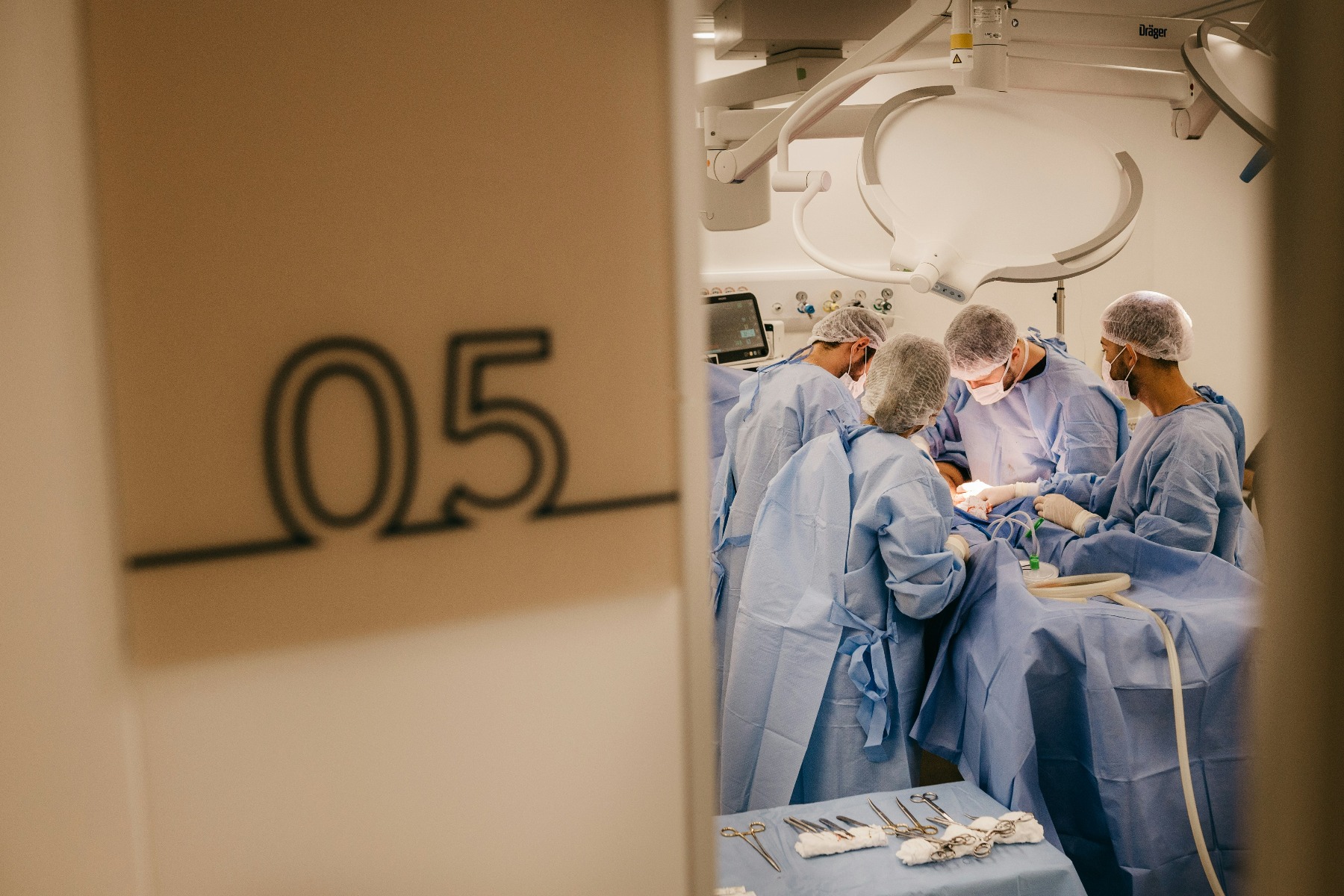
Certification lands first. The Nationally Registered Surgical Technologist (NRST) credential from American Allied Health (AAH), the Certified Surgical Technologist (CST) from the National Board of Surgical Technology and Surgical Assisting (NBSTSA), and the Tech in Surgery – Certified (TS-C) from the National Center for Competency Testing (NCCT) are all accepted across Florida. A current Basic Life Support (BLS) certification is a universal hard requirement – applications without it stall at screening regardless of everything else.
After certifications and credentials, Florida employers focus on sterile field competency and instrument familiarity by case type. General surgery, orthopedics, and laparoscopic procedures appear most frequently in Florida postings, driven by the state's large outpatient surgical market.
Start Your Surgical Tech Career in Florida
Health Tech Academy's 16-week online Surgical Tech Certification Program prepares you for the NRST through the AAH and covers the sterile technique and instrumentation skills Florida employers screen for.
See Our Full Program →A Word From One of Our Surgical Tech Students
Meet Your Surgical Tech Instructor
Surgical Tech Skills to Have in Florida
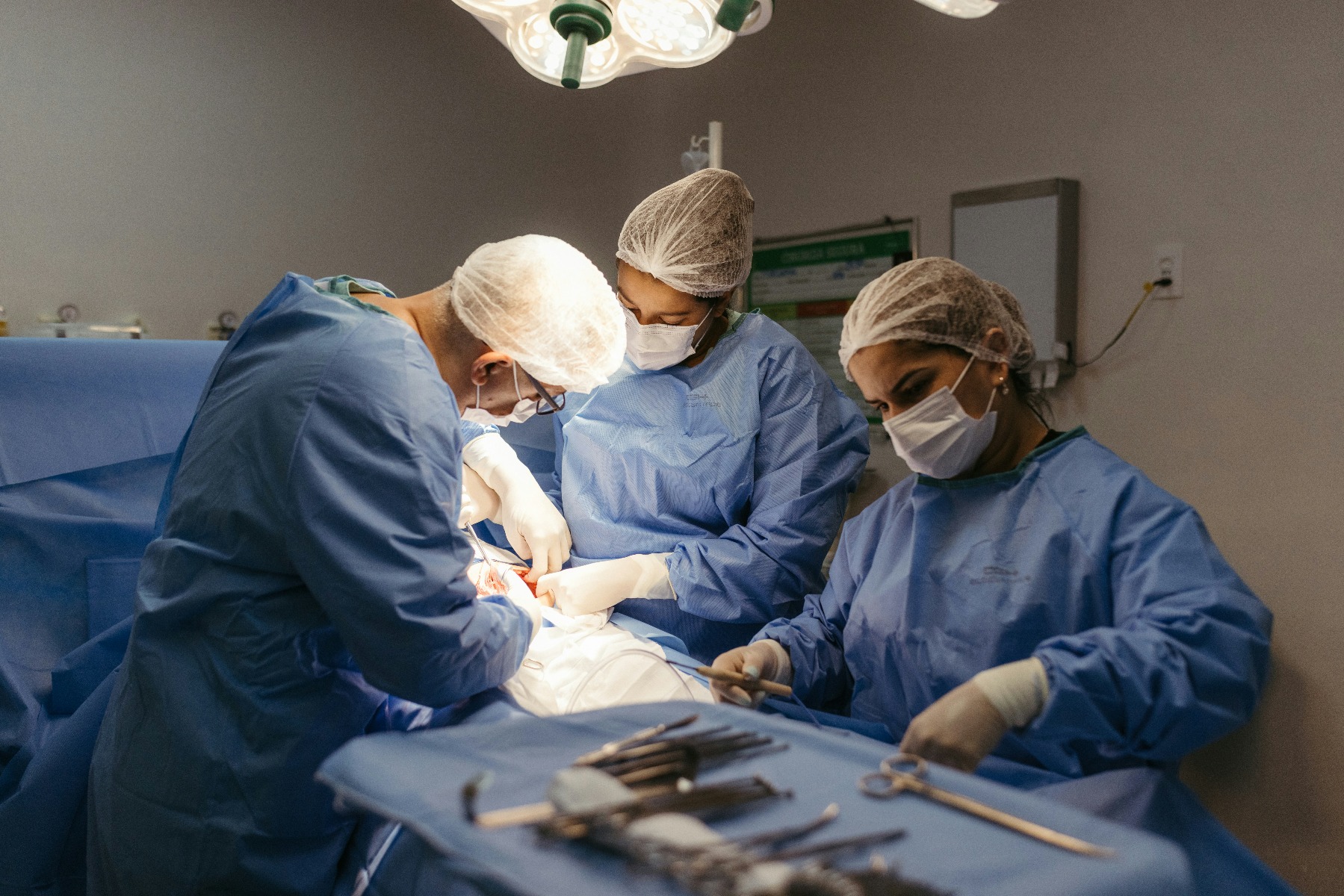
"We need to commit to certification and ongoing education for our Surgical Tech staff. They need to have the knowledge and skills required to produce quality work and ensure that our customers receive clean, sterile, and functioning instruments for their surgeries."
– Mary Velasco, Manager of Surgical Technology and Sterile Processing at Henry Ford Macomb Hospital
That expectation transfers directly into the OR. Florida's ASC sector runs multiple rooms with lean staffing, which means techs who need minimal direction are worth more than those with stronger credentials but weaker self-sufficiency. The candidates who move fast through hiring are those who demonstrate specific case familiarity, not generic OR exposure.
How to Get Hired in Florida as a Surgical Tech the Right Way

- Start with ASCs before hospital systems: Florida has one of the largest ASC sectors in the country, and these facilities hire new graduates more readily than hospitals, which typically require one year of experience for their OR positions. Six months of ASC experience changes what hospital doors are open to you.
- Apply to West Palm Beach and Port St. Lucie if pay is a priority: Most applicants concentrate on Miami and Orlando, but West Palm Beach leads the state in Surgical Tech pay at $70,614 annually. Less competition, strong patient volume, and the highest compensation in Florida.
- List case counts on your resume, not generic duties: "Participated in 200+ general surgery and orthopedic cases during clinical training" tells a Florida hiring manager something concrete.
- Get your BLS renewed before sending anything out. A lapsed BLS card is the most common reason qualified candidates stall mid-screening. Handle it before the job search, not during.
Test Your OR Readiness
Check where your baseline stands before applying anywhere. Take our free practice exam and get a realistic sense of your readiness.
Take Our Free Practice Exam →You’re Hire Ready When You’re Certification Ready
Florida's absence of a state licensure requirement removes one bureaucratic step – it does not remove the need for certification. Employers fill that gap themselves, and the bar they set is consistent across the state. The favorable news is that 9,470 Surgical Technologists are employed across Florida, the population fueling surgical demand keeps growing, and ASC expansion means entry points for new graduates exist from Jacksonville to Miami.
Certified, BLS-current candidates with specific case experience get hired. The rest have to wait before a job offer comes their way.
Frequently Asked Questions and Answers
Do Surgical Technologists Need State Licensure in Florida?
No. Florida does not require state licensure or registration for Surgical Technologists. However, virtually every employer in the state requires national certification as a condition of hire.
What Certifications Do Florida Surgical Tech Employers Accept?
The most widely recognized credentials are the NRST from the AAH, the CST from the NBSTSA, and the TS-C from the NCCT. A current BLS certification is also universally required.
What is the Average Surgical Tech Salary in Florida?
The projected average median salary is approximately $65,743 per year heading into 2026, based on BLS OEWS data. West Palm Beach offers the highest pay in the state at $70,614 annually.
How Many Surgical Tech Jobs Are Open in Florida?
Florida employs approximately 9,470 Surgical Technologists statewide. Demand continues rising alongside a population that adds more than 800 residents daily, with over half aged 60 or above.
Is Florida a Good State to Start a Surgical Tech Career?
Yes. No state licensure barrier, a large ASC sector that hires new graduates, a rapidly aging population driving surgical demand, and a documented statewide healthcare workforce shortage all make Florida a practical and well-supported market for newly certified Surgical Techs.