

If you're weighing a surgical tech training program and wondering whether online options can prepare you for what happens inside a sterile field – this article gives you a grounded breakdown of what to look for, what to skip, and how to make a smart decision.
Surgical Tech Shortages Create Opportunities

The median annual salary for surgical technologists was $62,830 in May 2024, and overall employment is projected to grow 5 percent from 2024 to 2034 – faster than the average for all occupations, with roughly 8,700 openings projected each year over the decade.
That growth isn't coming from nowhere. Surgical volumes are climbing with an aging population, robotic procedures are expanding in hospitals and ambulatory surgery centers (ASCs), and accredited training programs have decreased in number over the last several years – creating a widening gap between workforce supply and the positions available.
“We went from about six or seven orthopedic-specific scrub techs to three. And now, we have four. It significantly impacts the ability to do our work.”
– Blake Miller, an Orthopedic Trauma Surgeon at Trinity Health
That's a senior surgeon describing, in plain terms, what happens when trained techs aren't available. It's also the market signal every aspiring surgical tech should take seriously.
What a Surgical Tech Training Program Needs to Deliver
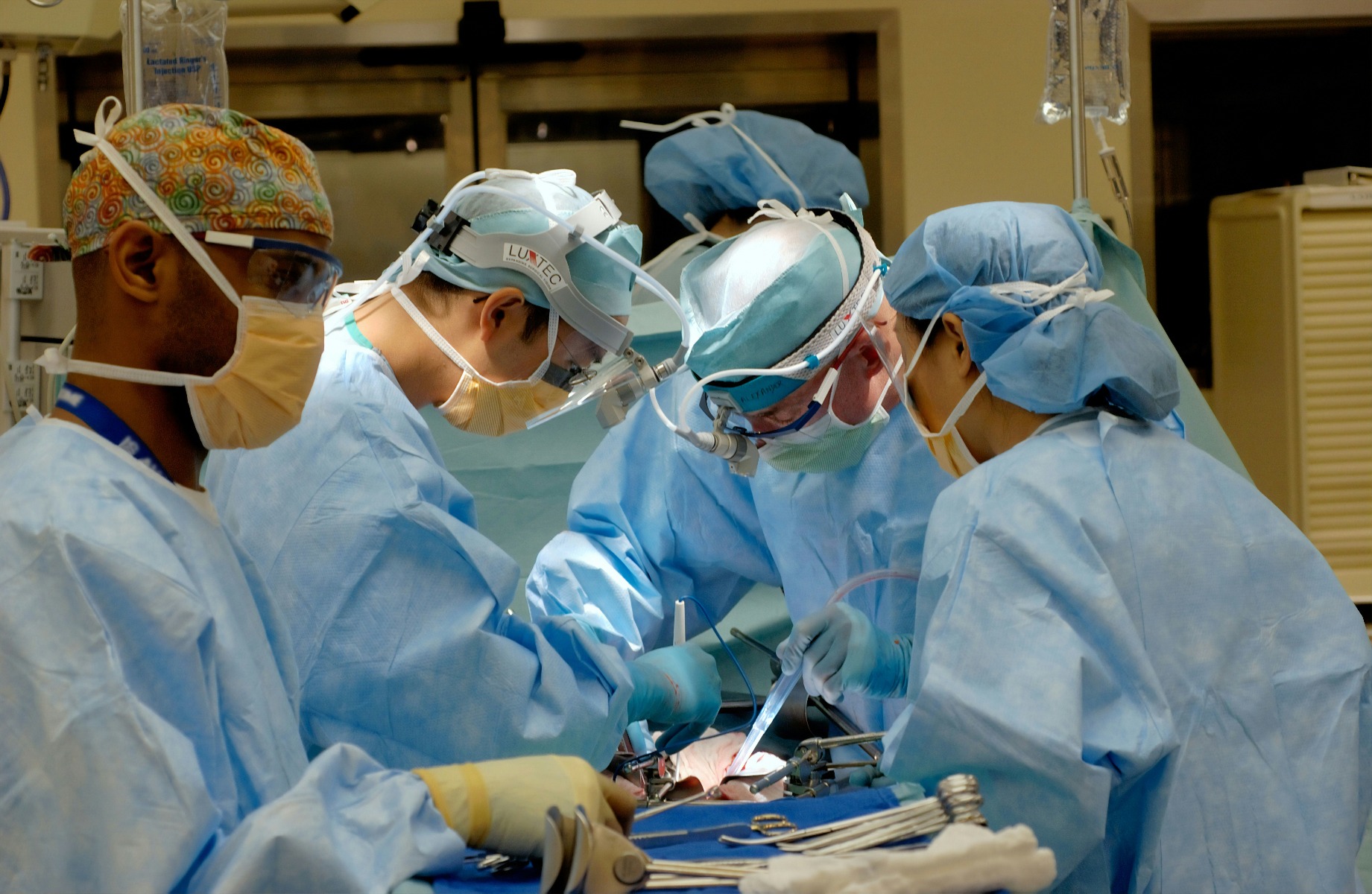
Not all programs are built equal, and the differences matter in a field where your job involves anticipating a surgeon's next move in real time. Here's what separates programs worth your investment from ones that hand you a certificate and wish you luck:
- Certification preparation that goes beyond rote memorization: The Nationally Registered Surgical Technologist (NRST) credential, offered by the American Allied Health (AAH), covers sterile technique, surgical procedures, anatomy and physiology, and patient safety. The NRST exam consists of 150 multiple-choice and “true/false” questions administered through the AAH's secure online computer-based testing portal, covering sterile technique, surgical procedures, anatomy and physiology, and patient safety. Good programs build their curriculum around these domains with case-based content.
- Simulated and procedural skills training: The ability to set up a sterile field, anticipate instrumentation, and respond to an unexpected intraoperative change isn't something you learn by watching a YouTube video. Programs that include procedure videos, skills checklists, and coaching components close the gap between theoretical knowledge and real-world readiness.
- Career support with teeth: Resume framing, LinkedIn positioning, and mock interviews – these aren't extras. For candidates entering the OR workforce for the first time, how you present a fresh credential to a hiring manager counts as much as holding it. Programs that integrate employability training alongside clinical content give graduates a meaningful edge.
Health Tech Academy's Online 16-Week Surgical Tech Certification Program Checks All Three
It's designed for people entering healthcare from scratch – no prior clinical experience required – and prepares you for the NRST exam through the AAH.
Get Certified in 16 Weeks →Hear from One of Our Students
Hear from Your Surgical Tech Instructor
How Online Programs Can Accelerate Your Entry Into the Surgical Tech Field
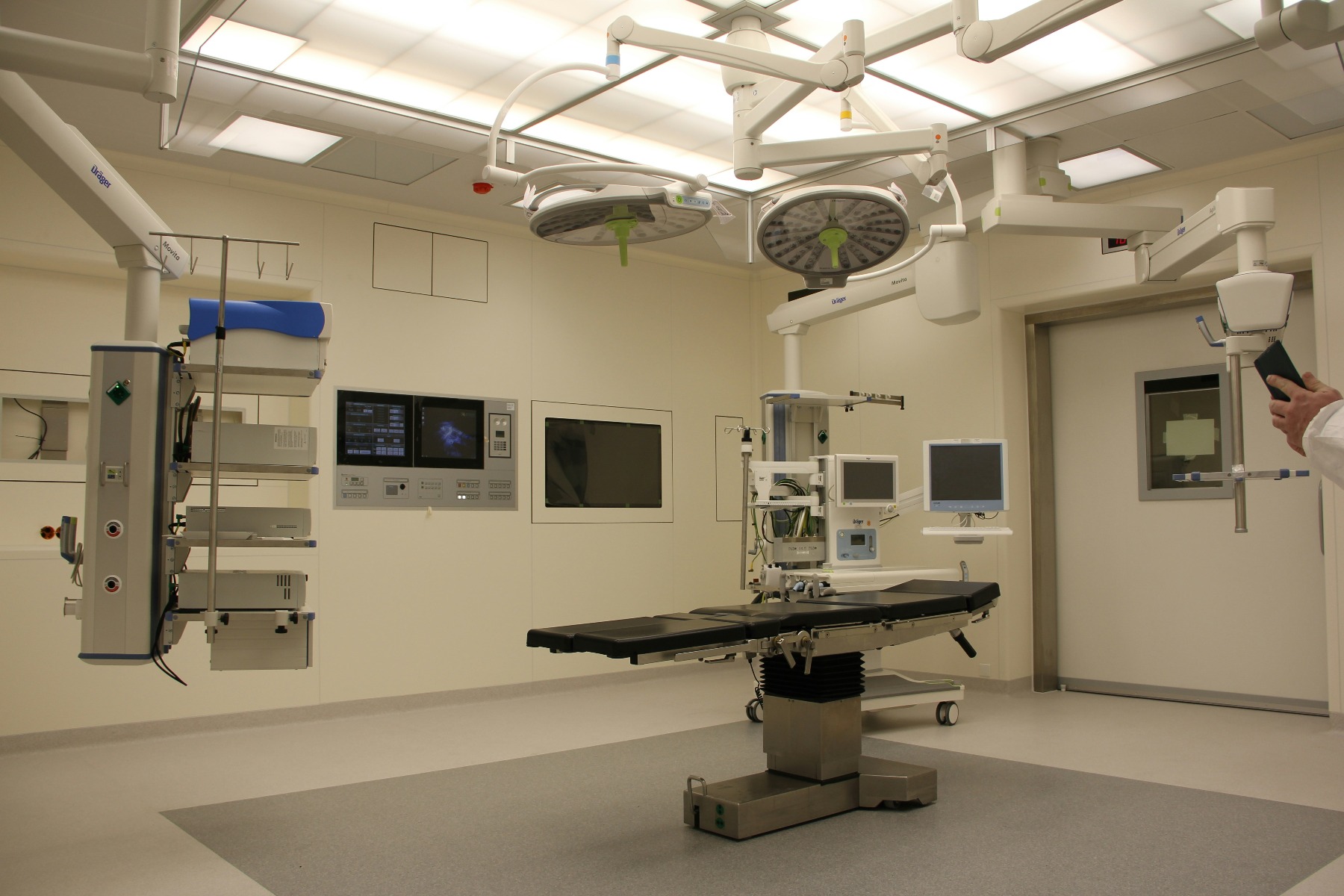
The traditional route into surgical technology – a one-to-two-year accredited associate degree program – works well for many people. But it's not the only path, and for working adults, parents, or career changers, it's often the least accessible one.
A self-paced format means coursework fits around a job, a family, or other obligations. The didactic (classroom theory) components – anatomy, sterile processing principles, surgical specialties, and infection control – translate well to an online environment when the content is structured properly.
- The NRST by the AAH certification training program does not require an externship to become fully certified.
- Students need to complete the online training program and pass the NRST exam.
- Students who meet these requirements are eligible to apply for sterile processing roles without the need for an externship.
That's a meaningful distinction from programs that send graduates scrambling to arrange clinical hours independently.
Certified surgical technologists earn roughly 12 to 18% more than non-certified peers in equivalent roles. Hospitals also report that certified techs receive job offers faster, averaging about three weeks from application to offer compared to nearly six weeks for non-certified candidates.
What the Surgical Tech Curriculum Should Cover
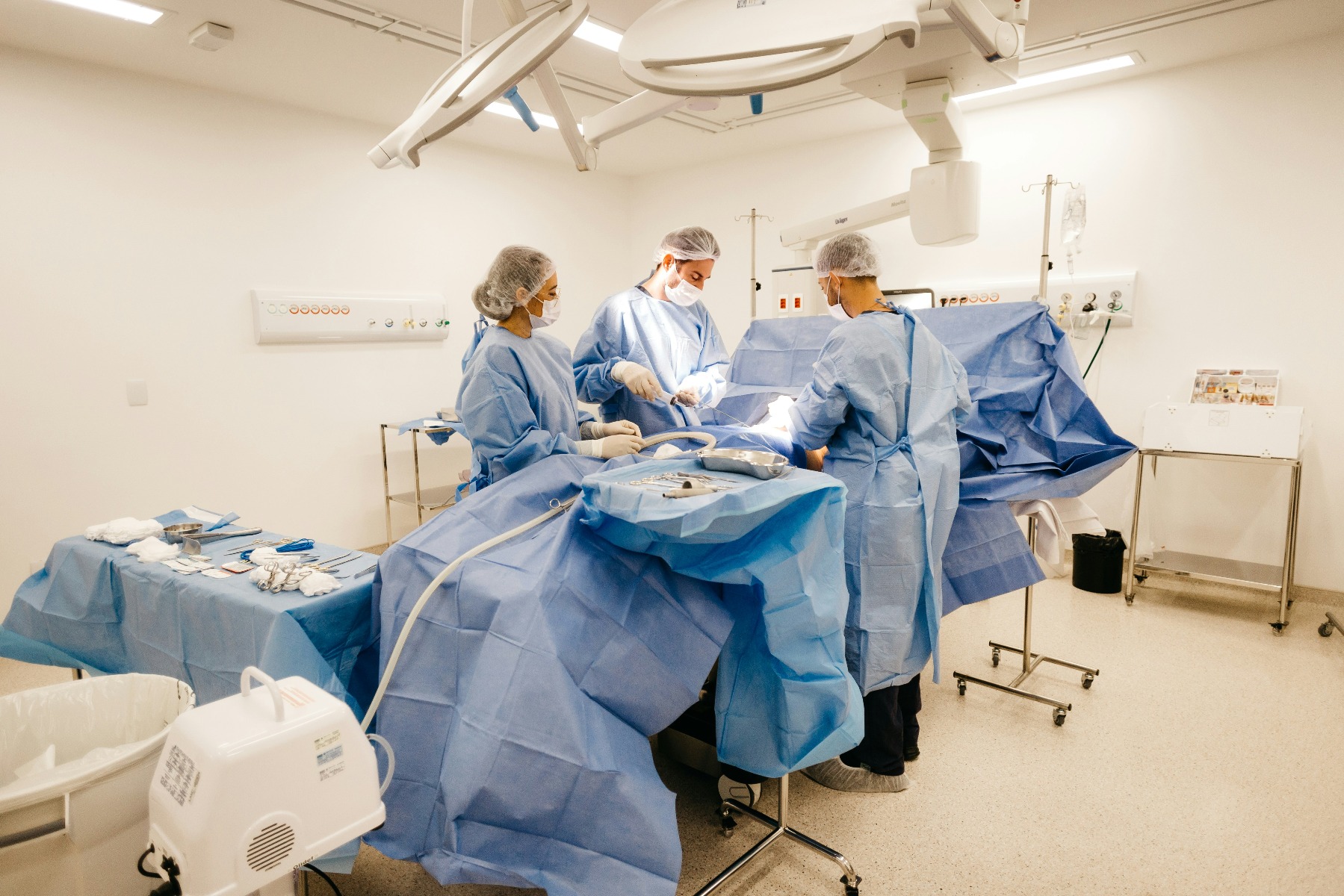
Here's what's worth confirming before enrolling in any surgical tech training program:
- Sterile field management and aseptic technique: This is the non-negotiable foundation of the role. Any program that glosses over sterile processing principles is setting graduates up to struggle in their first weeks on the job.
- Surgical specialties by rotation: General surgery, orthopedics, OB/GYN (obstetrics and gynecology), cardiovascular, and neurosurgery – a solid program walks through each specialty's instrumentation, positioning, and procedural flow. Graduates who understand specialty differences can step into a wider range of roles from day one.
- Anatomy and physiology with clinical application: Not anatomy for its own sake, but anatomy in the context of what's happening on the table – why a specific retractor is used, what structures are at risk during a particular approach, and what the surgeon is protecting.
- Patient safety and perioperative care: Surgical techs are part of a team that has a direct impact on whether a patient leaves the OR safely. Content on surgical counts, fire safety protocols, and time-out procedures is the baseline.
Wondering How You'd Stack Up on the NRST Exam?
Take Health Tech Academy's free practice exam to identify your strong areas and where to focus before you sit for the real thing.
Take the Free Practice Exam →Get Certified and Become Job-Ready
The surgical tech workforce gap isn't closing on its own, and the demand for trained, certified professionals continues to outpace supply. Online programs – when they're built around certification prep, procedural content, and career support – give motivated candidates a faster, more accessible path into a field that needs them.
The NRST credential through the AAH is nationally recognized, achievable without a two-year degree program, and carries a measurable salary premium. If the timing and format work for your life, the market conditions are solidly in your favor.
Frequently Asked Questions and Answers
What Does a Surgical Tech Training Program Cover?
A comprehensive surgical tech program – like Health Tech Academy’s – covers sterile field management, aseptic technique, surgical anatomy, instrumentation by specialty, patient safety protocols, and perioperative care. Stronger programs also include procedural videos, skills checklists, and certification exam preparation aligned to the NRST or Certified Surgical Technologist (CST) content domains.
Can I Become a Surgical Tech Through an Online Program?
Yes. The didactic components of surgical tech training – theory, anatomy, surgical specialties, and sterile processing principles – translate well to online formats.
What is the NRST Certification?
The Nationally Registered Surgical Technologist (NRST) is a professional credential awarded by the American Allied Health (AAH) to candidates who demonstrate core competency in surgical technology. It's nationally recognized and, in many states, positions graduates to apply for sterile processing and surgical tech roles immediately after passing the exam.
Do I Need Prior Healthcare Experience to Enroll?
No. Health Tech Academy's surgical tech program does not require prior clinical experience for enrollment or for NRST exam eligibility. The program is built for people entering the healthcare field for the first time, as well as those making a career change.
How Long Does it Take to Complete a Surgical Tech Training Program Online?
Health Tech Academy's program runs 16 weeks. Community college associate degree programs typically take one to two years. The right timeline depends on your schedule, learning preferences, and how quickly you want to enter the workforce.
What Do Surgical Technologists Earn?
The median annual wage for surgical technologists in the United States was $62,830 in May 2024. The highest-paid earners brought in over $90,700. Certified technologists consistently out-earn their non-certified counterparts, with the pay gap widening over time.
Is the Job Market Strong for Surgical Techs?
Employment of surgical assistants and technologists is expected to grow 5 percent from 2024 to 2034, faster than the average for all occupations, with an estimated 8,700 job openings projected each year over the next decade. The combination of an aging patient population, expanding robotic surgery, and a shrinking accredited program pipeline makes the hiring environment favorable for newly certified candidates.
What's the Difference Between the NRST and CST Credentials?
The NRST is administered by the American Allied Health (AAH) and can be earned through completion of an approved training program without a mandatory externship in all eligible states. The CST (Certified Surgical Technologist) is administered by the National Board of Surgical Technology and Surgical Assisting (NBSTSA) and typically requires completion of a Commission on Accreditation of Allied Health Education Programs (CAAHEP)-accredited program. Both are nationally recognized; your choice may depend on the program you enroll in and your state's specific employer preferences.