

Texas is one of the more permissive states on program type – it accepts graduates from programs accredited by either the Commission on Accreditation of Allied Health Education Programs (CAAHEP) or the Accrediting Bureau of Health Education Schools (ABHES). That flexibility means more programs are available here than in states with narrower accreditation requirements.
Texas currently employs 10,160 Surgical Technologists statewide, with a median annual wage of $65,220 per BLS (Bureau of Labor Statistics) Occupational Employment and Wage Statistics (OEWS) data. The top 10% earn above $92,580. Houston's Texas Medical Center – the largest medical complex in the world – alone sustains consistent operating room (OR) hiring year-round across 60+ institutions.
What Texas Surgical Tech Programs Look Like
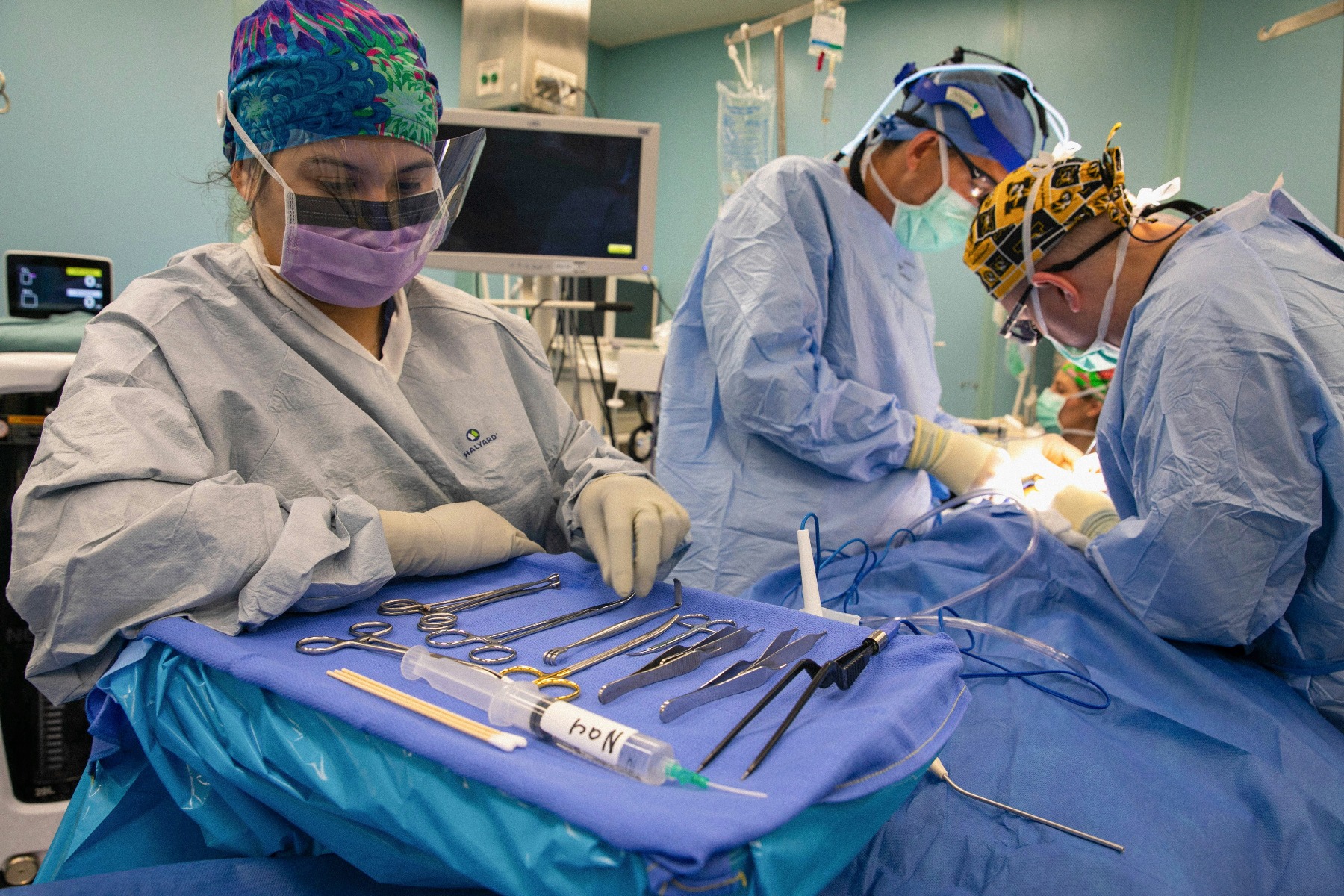
CAAHEP-accredited programs across the state – at community colleges including Tarrant County College, Del Mar College, and North Central Texas College – run 18 to 24 months and combine classroom instruction, skills laboratory work, and mandatory clinical externships. Some ABHES-accredited proprietary school programs are slightly shorter, running closer to 12 to 15 months.
"Every member of the operating room team must be efficient, alert, and disciplined. Surgical Technologists play a key role in this critical environment, and the way they are trained matters."
– Melanie Graves, Program Director and Department Chair of Surgical Technology at Austin Community College
The training design – how a program sequences its coursework, how many cases students observe and assist before graduation, and how closely it mirrors an OR environment – determines whether a graduate can function independently or requires handholding through their first month of orientation. Texas hospitals are not staffed for patience. They want people who show up knowing how to count.
How to Compare Texas Programs by Length, Certification Prep, and Case Exposure
Surgical Tech Program Length and What it Trades Off
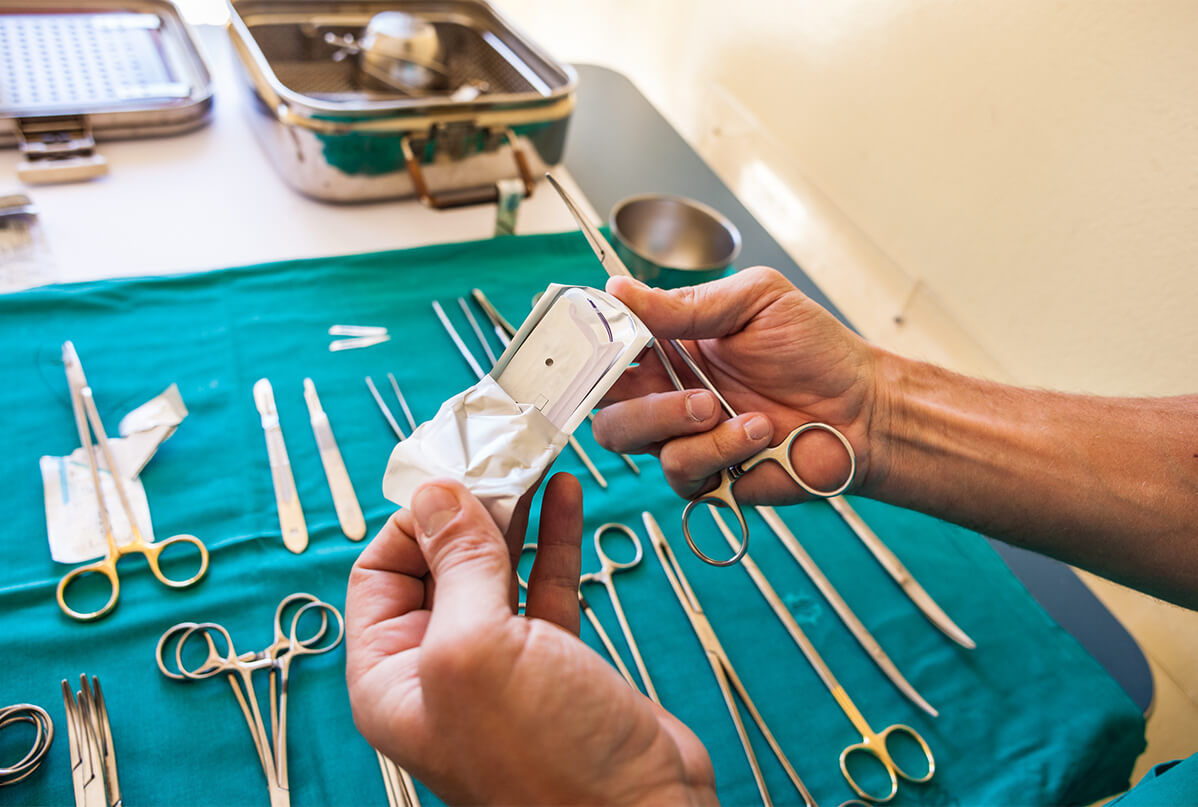
Longer programs or degrees at community colleges provide more total case exposure and more time with clinical preceptors. Shorter proprietary programs move faster but compress the same competency requirements into a tighter window. Neither format is automatically better – the question is whether the program's case count meets the standard Texas employers use when they screen new graduates.
Temple College in Killeen, Texas, posted a 100% first-attempt certification exam pass rate for both 2024-2025 and 2023-2024, alongside a 93% graduate placement rate for 2024-2025. Those are publicly verifiable numbers from a CAAHEP-accredited Texas program that show what strong outcomes look like. Any program you consider should be willing to publish equivalent data.
Surgical Tech Certification Track
Texas law recognizes two credentials for Surgical Technologists: The Certified Surgical Technologist (CST) from the National Board of Surgical Technology and Surgical Assisting (NBSTSA), which requires a CAAHEP accredited program completion, and the Tech in Surgery – Certified (TS-C) from the National Center for Competency Testing (NCCT). Both are accepted across Texas hospital systems and ambulatory surgery centers (ASCs).
The Nationally Registered Surgical Technologist (NRST) credential from the American Allied Health (AAH) is a nationally recognized certification accepted by Texas employers, including ASCs and surgical centers across the Dallas-Fort Worth, Houston, Austin, and San Antonio markets.
Start Your Surgical Tech Career
Health Tech Academy's 16-week online Surgical Tech Certification Program prepares you for the NRST through the AAH – fully online, self-paced, and built for working adults.
See the Program →A Word From One of Our Surgical Tech Students
Meet Your Surgical Tech Instructor
Clinical Experience: The Variable in Texas Surgical Tech Programs

The number of surgical procedures a student participates in before graduation has a direct and documented effect on how hireable they are. Programs accredited by the CAAHEP have minimum case requirements – but not every program exceeds that minimum.
"Being a part of a surgical team is poetic to me. Being able to critically think, anticipate, and stay organized are the top assets that I bring to the field."
– Brian Kriever, Surgical Technologist at Southeast Community College
What Kriever names as assets – anticipation, organization, and critical thinking – are skills built through repetition in a real OR setting. A program that places students in high-volume surgical environments with diverse case types (general surgery, orthopedics, and cardiovascular) produces candidates who can anticipate a surgeon's next move before being asked. A program that sources its clinical sites primarily from low-volume facilities or limits exposure to a narrow case mix produces candidates who technically meet the graduation threshold but struggle in their first weeks on the floor.
When evaluating Texas programs, ask specifically:
- What is the average case count per graduate?
- Which surgical specialties are represented?
If the answer is vague, that is a data point in itself.
How to Choose a Program That Leads to Faster Hiring in Texas
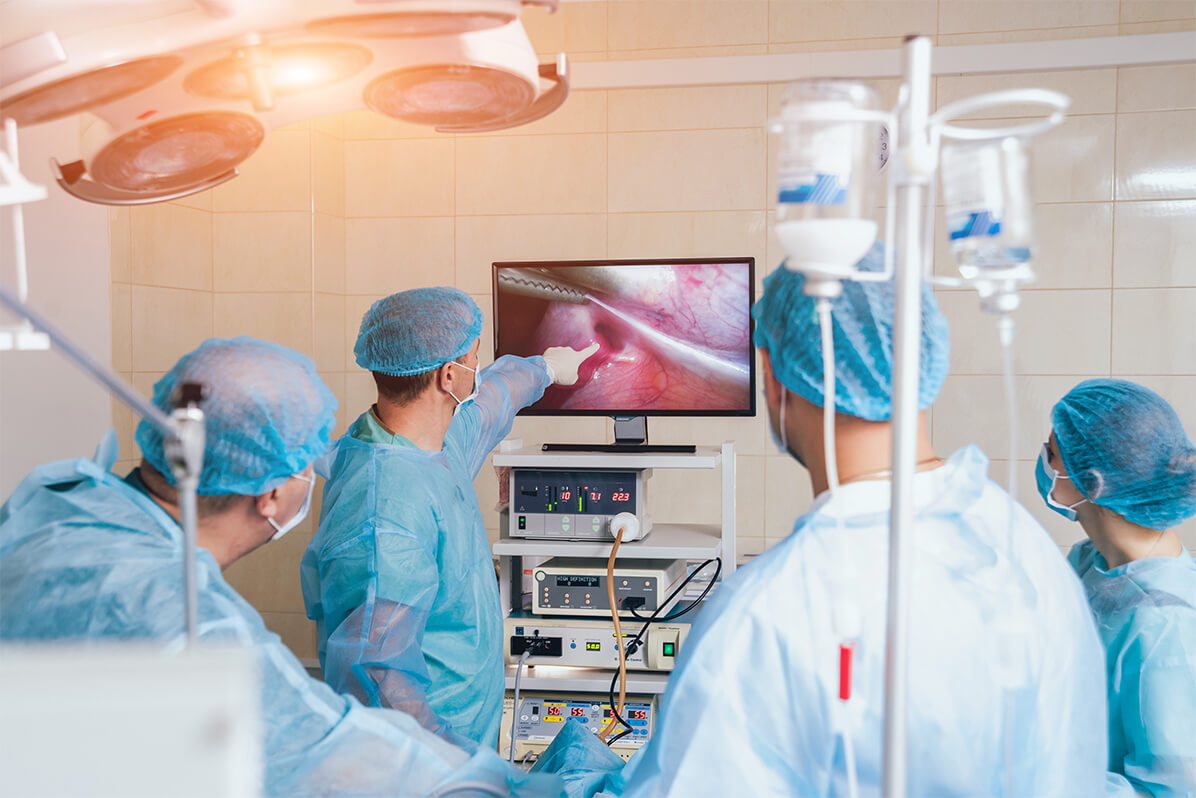
- Target ASCs before major hospital systems: This applies across Texas markets – Dallas-Fort Worth, Houston, Austin, and San Antonio – and speeds up the timeline from graduation to first paycheck. Major hospital systems like UT Southwestern, Memorial Hermann, and Texas Children's often require one year of experience for their OR staff positions. ASCs hire new graduates more readily, build your case count quickly, and open the hospital door in 6 to 12 months.
- Ask about pass rates and placement rates before applying: Any program worth attending will publish these numbers. A 100% first-attempt pass rate and a 90%+ placement rate within 12 months of graduation are the benchmarks a strong Texas program should be approaching. Programs that deflect this question during an information session are telling you something.
- Map your program's clinical sites to where you want to work: Texas is a large state. A program based in Corpus Christi with all its clinical sites in the Coastal Bend will not automatically position you for a job in Austin. If you know which Texas market you plan to work in, confirm that the program places clinical students in that market or nearby.
- Get BLS (Basic Life Support) current before you apply anywhere: This is the consistent reason otherwise-qualified candidates stall in Texas screening. It is a 3-hour course. Handle it before you submit your first application, not during the hiring process.
Test Your Surgical Tech Readiness
Before any application goes out, see where your surgical tech knowledge baseline stands. Take our free practice exam to benchmark your current skills.
Take Free Practice Exam →Your Path to a Surgical Tech Career Has Been Paved
Texas's legal certification requirement is the single most important structural fact about this job market. It sets a floor — and that floor is the reason the credential you earn and the program you complete both carry real consequences here, not just symbolic ones. Ten thousand-plus Surgical Technologists are already employed across the state, the Texas Medical Center alone sustains a permanent hiring pipeline, and the market projects to keep growing as population growth continues to outpace the healthcare workforce.
The program that gets you to certification fastest, with the strongest case count and a credential recognized by Texas employers, is the program worth your time.
Frequently Asked Questions and Answers
Is Certification Required by Law to Work as a Surgical Tech in Texas?
Yes. Texas Health and Safety Code, Chapter 259, requires Surgical Technologists to hold a national certification. The state recognizes the CST from the NBSTSA and the TS-C from the NCCT. Employers, including ASCs and surgical centers, also widely accept the NRST from the AAH.
What Types of Programs Are Accepted in Texas?
Texas accepts graduates from programs accredited by the CAAHEP or ABHES. Both accrediting bodies are recognized for purposes of national certification exam eligibility. Most Texas community college programs are CAAHEP-accredited.
How Long Do Surgical Tech Programs in Texas Take?
CAAHEP-accredited programs at Texas community colleges typically run 18 to 24 months. Some ABHES-accredited programs run 12 to 15 months. Online programs like Health Tech Academy's can be completed in 16 weeks, with externship coordination handled separately.
What is the Average Surgical Tech Salary in Texas?
The median annual wage for Surgical Technologists in Texas is $65,220 per BLS OEWS data. The top 10% earn above $92,580. Pay varies by metro area, with Houston and Dallas-Fort Worth offering above-average compensation compared to smaller Texas markets.
How Many Surgical Tech Jobs Are Available in Texas?
Texas employs 10,160 Surgical Technologists statewide, making it one of the largest surgical tech labor markets in the country. Dallas-Fort Worth, Houston, Austin, and San Antonio carry the highest concentrations of open positions.
Does Clinical Case Count Matter When Choosing a Texas Program?
Yes, meaningfully. The number of surgical procedures a student participates in before graduation affects how confidently they perform in their first months on the job, and how hireable they appear to Texas employers who review clinical backgrounds. Ask every program you consider for their average graduate case count before enrolling.