
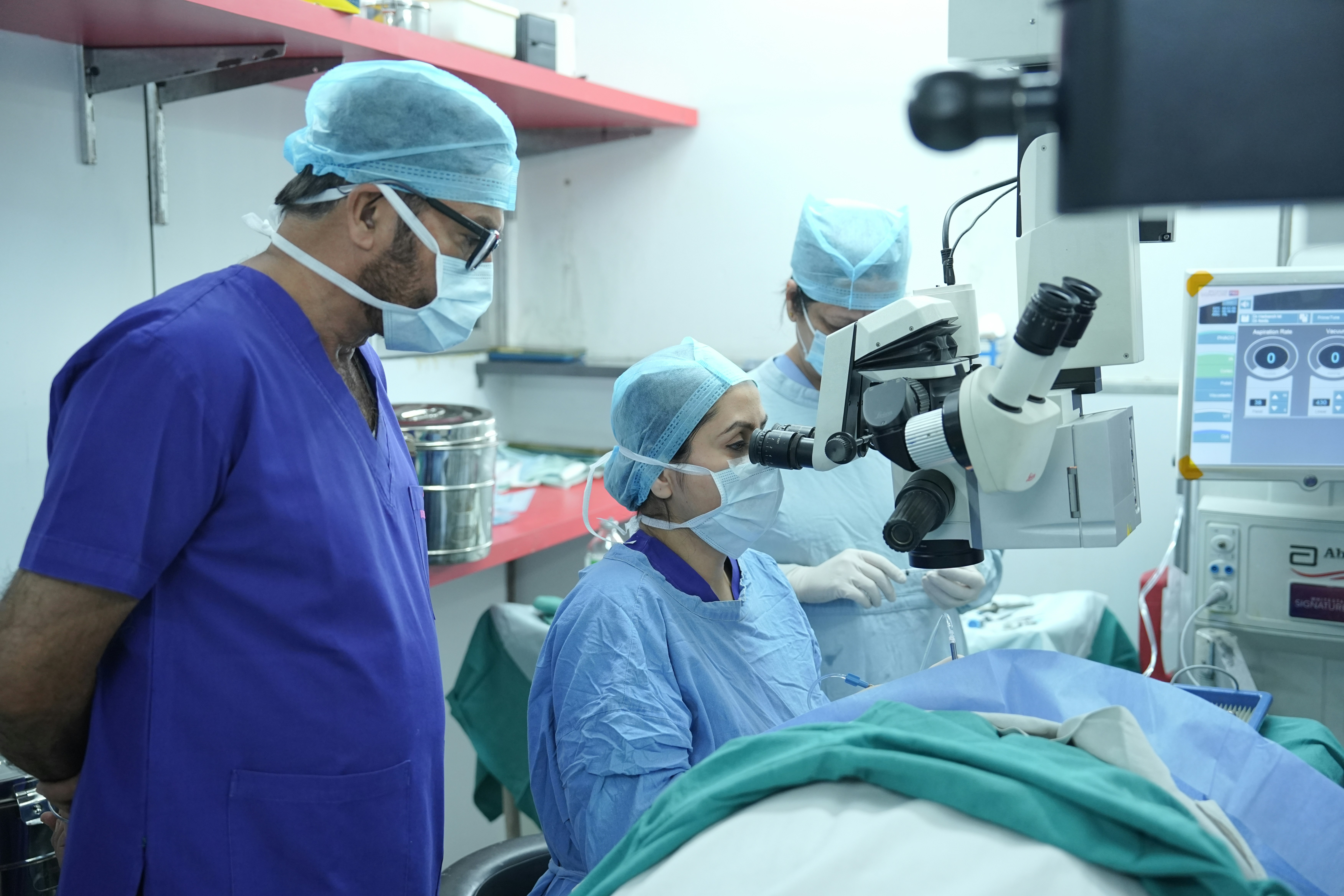
The Core Metrics Surgical Tech Performance is Measured Against

Count accuracy is the metric most Surgical Techs understand in concept but underestimate in practice. The Joint Commission (TJC) identified unintentionally retained surgical items (RSIs) as the third most common sentinel event type, with 119 incidents reported in 2024 alone – the highest in five years. In a review of 319 confirmed retained sponge cases, the final count was recorded as correct 80.6% of the time. Something was left inside the patient, and the count said everything was accounted for.
Count accuracy is about whether your instrument count is reliable under distraction, fatigue, and pressure. That is what auditors review when scrutinizing retained item incidents.
"Being able to critically think, anticipate, and stay organized are the top assets that I bring to the field."
– Brian Kriever, Surgical Technologist at Southeast Community College
Being organized is not a soft skill in an OR. It is a measurable safety output.
Build Count Accuracy Discipline
Health Tech Academy's 16-week online Surgical Tech Certification Program builds the sterile field and instrumentation discipline that count accuracy requires. It prepares you for the Nationally Registered Surgical Technologist (NRST) certification through the American Allied Health (AAH).
See the Full Program →A Word From One of Our Surgical Tech Students
Meet Your Surgical Tech Instructor
Surgical Tech Compliance Metrics During Joint Commission and Internal Audits

Joint Commission surveys evaluate OR teams against AORN (Association of periOperative Registered Nurses) guidelines and TJC standards. For Surgical Techs, the areas most commonly cited during audits include:
- Sterile field maintenance documentation and breach reporting.
- Count protocol adherence, including who performed the count and when.
- Surgical (OR) site prep and draping sequence compliance.
- Personal protective equipment usage and glove integrity records.
Facilities track these by individual, not just by team. A pattern of compliance gaps attached to a specific tech's cases surfaces during quarterly reviews. The industry standard benchmark for case cart error rate is 1% – no more than one error per 100 cases. Errors include missing instruments, wrong instruments, and items with remaining bioburden from prior reprocessing.
Turnover Time, First Case On-Time Starts, and Why They Follow You
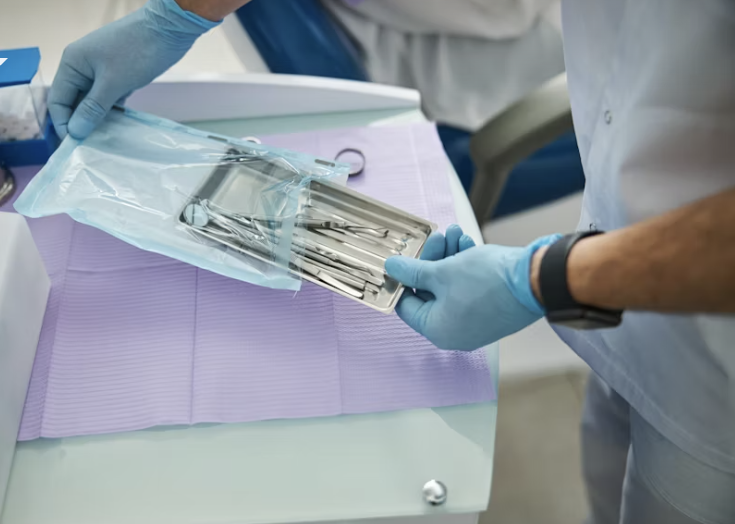
"You only make money when there's a patient on the table, and any time that is spent down, waiting for a case to either get started or for a room to turn over, is nonproductive time."
– Sharon Ulep, Healthcare Operations Consultant at Plante Moran
First case on-time starts (FCOTS) – the percentage of first OR cases that begin at the scheduled time – is tracked by room, surgeon, and scrub team. A Surgical Tech who consistently delays room readiness by even three minutes compresses the surgical schedule and generates a pattern in the data. Facilities benchmark FCOTS at 80% or higher for well-functioning ORs, and scrub team readiness is a documented contributing factor when that benchmark is missed.
Room turnover time – the window between patient out and next patient in – has a direct target at most facilities. Twenty-five to thirty-five minutes is a common benchmark for general surgery cases. A tech who routinely runs long on breakdown and resetting of the sterile field appears in that metric.
Benchmark Your OR Readiness
Before you enter your first OR, benchmark where you stand on the fundamentals. Take our free practice exam to assess your readiness.
Take Our Free Practice Exam →Stay on Track By Getting Certified
Performance metrics in the OR are not abstract management concepts. They are tied to patient safety outcomes, facility accreditation, and your individual employment record. Count accuracy failures trace directly to retained item statistics. Turnover time and FCOTS failures trace directly to a tech's readiness habits. The scrub techs who perform well in annual reviews are the ones who built reliable routines around these metrics before their first audit, not after.
Frequently Asked Questions and Answers
What Performance Metrics Are Surgical Techs Evaluated on During Annual Reviews?
The primary areas are count accuracy, sterile field compliance, first case on-time start contribution, room turnover time, and documentation completion. Facilities may also track surgical site infection rates and count discrepancy frequency per individual.
What is the Industry Standard for Case Cart Error Rate in the OR?
The widely cited benchmark is 1% – no more than one error per 100 cases picked. Errors include missing instruments, wrong items, or equipment with remaining bioburden from prior sterilization cycles.
How Are Retained Surgical Items Connected to Surgical Tech Performance?
RSIs rank among the top sentinel events reported to The Joint Commission annually. Count accuracy and protocol adherence – both primary surgical tech responsibilities – are documented contributing factors. Auditors review count records per case when investigating RSI incidents.
Are First Case On-Time Starts Tracked Per Individual Surgical Tech?
Yes. FCOTS data is collected at the room and team level, and scrub team readiness is a documented variable in on-time start analysis. A pattern of late readiness generates a performance finding regardless of other contributing factors.