
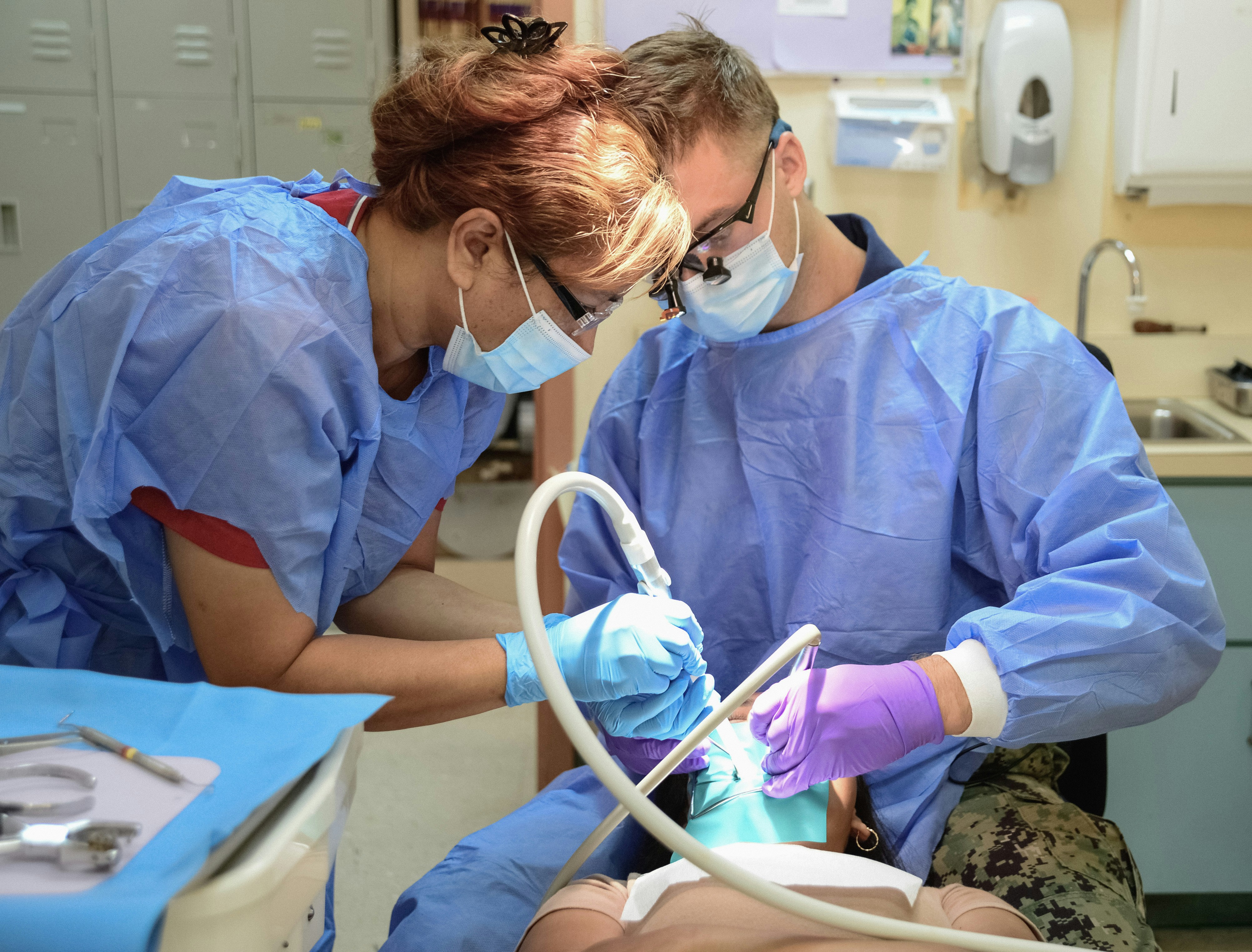
This breakdown cuts through the noise on dental assistant certification requirements so you can make a decision based on where you want to work, what you want to earn, and how fast you want to get hired.
The Dental Assistant Certification Landscape
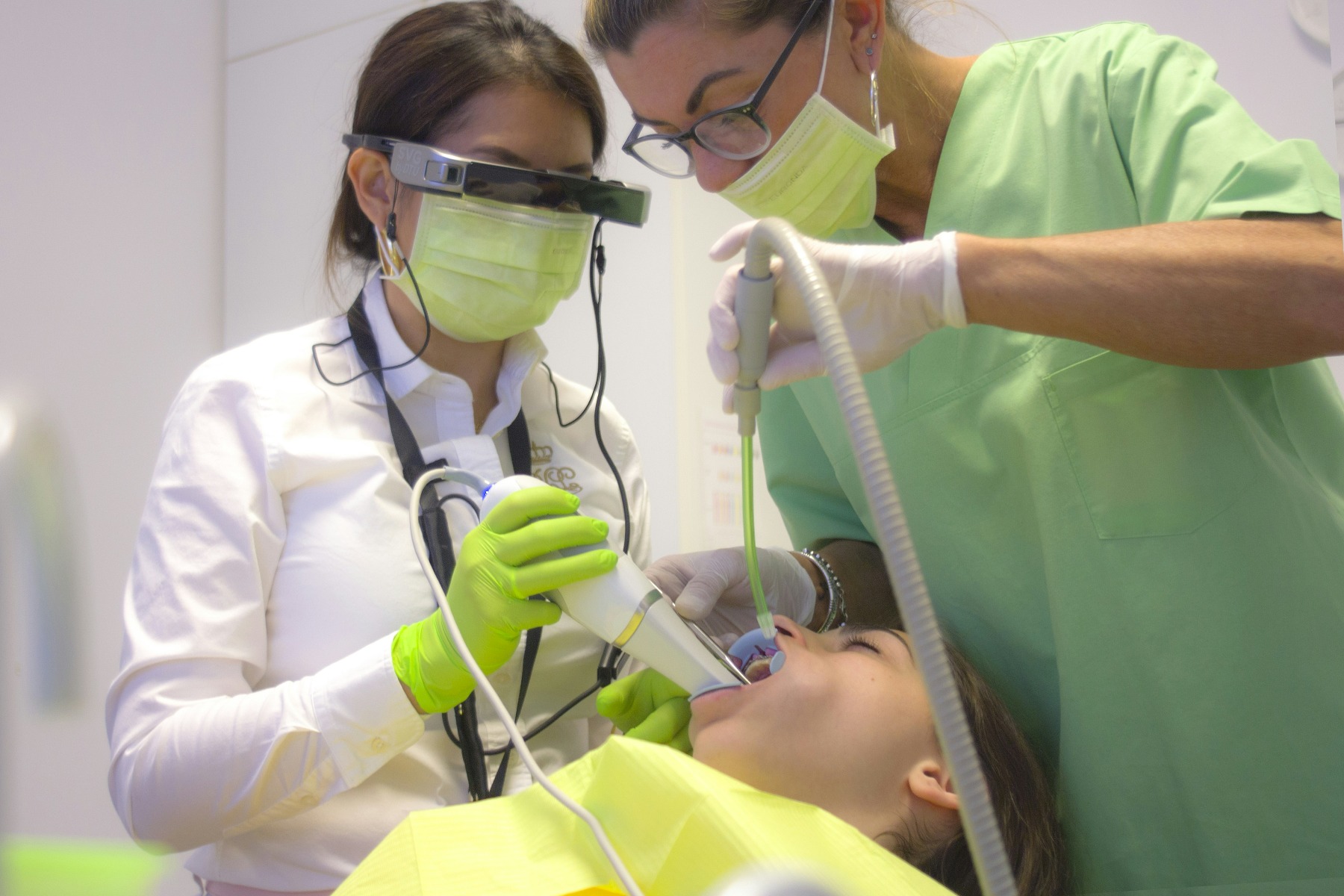
Dental assisting is one of the few healthcare fields where there is no single, universally required national credential. Regulation happens almost entirely at the state level, which means a credential that makes you highly competitive in Texas might mean very little in California – and vice versa.
There are currently over 12 distinct dental assisting credentials and cerfications recognized across the United States, issued by different bodies and carrying different weight depending on geography. The two you'll hear about most often are the Certified Dental Assistant (CDA) issued by the Dental Assisting National Board (DANB) and the Registered Dental Assistant (RDA) offered through the American Medical Technologists (AMT).
CDA Vs RDA: The Core Comparison
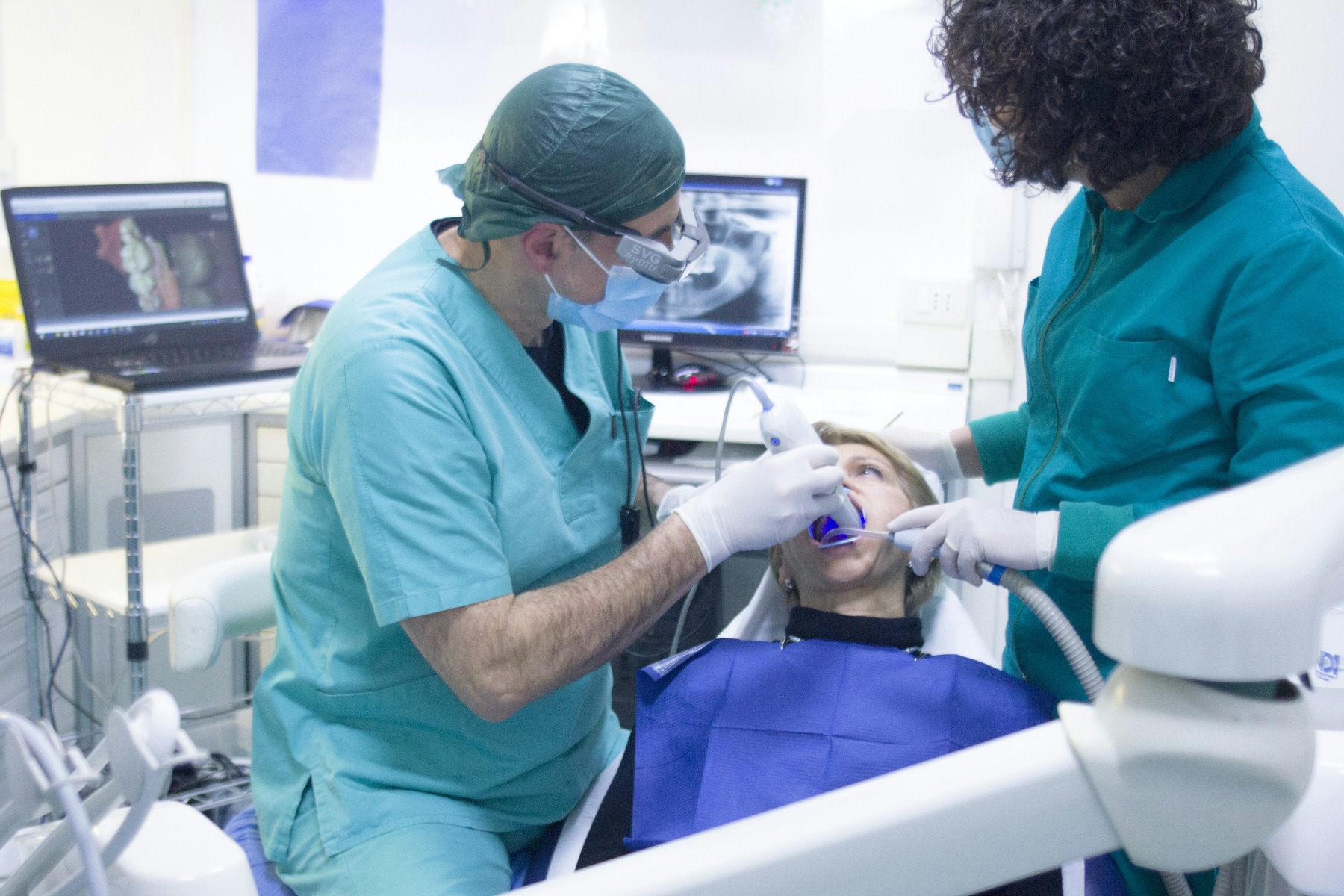
Certified Dental Assistant (CDA) – the DANB
The CDA from the DANB is the credential most dental schools and textbooks reference by default. It requires passing three component exams: the Radiation Health and Safety (RHS) exam, the Infection Control (ICE) exam, and the General Chairside Assisting (GC) exam. Candidates must also hold a current cardiopulmonary resuscitation (CPR) certification.
DANB credentials are recognized in some capacity in 37 states, and in several of those, specific DANB component exams are required by law to perform radiographs or coronal polishing. The annual renewal fee sits around $95, and continuing education is required to maintain the credential.
The CDA is well-regarded in academic and hospital-based dental settings. If you're eyeing a role in a dental school clinic or a multi-specialty group practice, it's a name that opens doors.
Registered Dental Assistant (RDA) – the AMT
The RDA through the AMT is the credential that's gained significant traction in recent years, particularly among career-changers and candidates coming out of accelerated training programs. To qualify, candidates need either a high school diploma plus one year of full-time work experience, or completion of an accredited dental assisting program, which can be as short as 16 weeks.
The RDA exam covers:
- Clinical procedures
- Chairside assisting
- Radiology
- Infection control
- Dental materials.
AMT credentials are recognized nationally, and the RDA specifically is accepted in states including Texas, Illinois, Michigan, Florida, and more. The application fee is $135 as of 2026.
AMT also offers a pathway for candidates who are still building clinical hours, making it a more accessible entry point for people transitioning from other industries.
What the Data Shows About Hiring and Pay in Dental Assisting
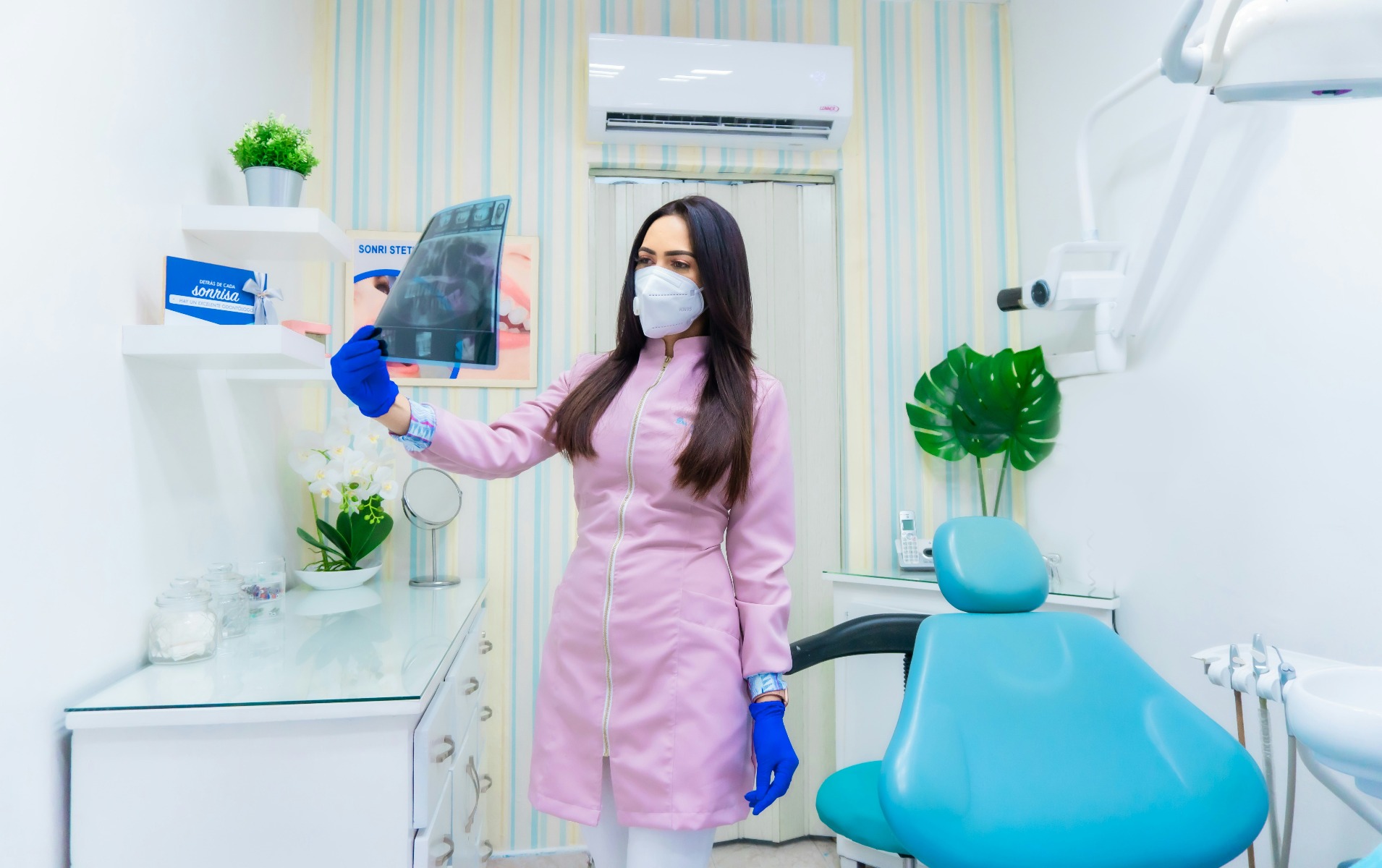
- The US Bureau of Labor Statistics (BLS) projects dental assistant employment to grow 7% between 2022 and 2032.
- Median annual pay for dental assistants sits at $46,540 nationally as of the BLS's most recent data, but credentialed assistants consistently land higher. In states like Alaska, Minnesota, and North Dakota, median wages push past $56,000.
Certification status directly affects time-to-hire. A 2023 survey by the DANB found that 73% of dental employers prefer to hire candidates who already hold a credential rather than train an uncertified hire. In metro markets, that preference often functions as an informal filter.
The expanded functions designation is where earning potential starts to separate meaningfully. Expanded Functions Dental Assistants (EFDAs) – who are permitted to perform certain clinical tasks under dentist supervision – earn a median of $10,000–$15,000 more annually than general dental assistants in states where the role is authorized. Not every state permits the EFDA scope, so checking your state's dental practice act is essential before pursuing that pathway.
Dental Assistant State-by-State Recognition
- California has its own state-issued RDA credential that's separate from the AMT's RDA. In California, the state RDA is issued by the Dental Board of California and is legally required to perform certain procedures. If you're planning to work in California long-term, you'll need to factor in their specific pathway.
- Texas, by contrast, doesn't mandate certification but does require registration with the state dental board and completion of specific courses (including radiology and jurisprudence). Most Texas employers still prefer credentialed hires regardless.
- New York requires dental assistants to be registered with the state Office of the Professions, but doesn't currently mandate a specific national credential.
Before you commit to a certification pathway, look up your state's dental practice act or check with your state dental board. It takes 20 minutes and can save you from spending money on a credential that doesn't align with your local job market.
Which Certification Influences Hiring Speed?

For most candidates outside of California, the RDA through the AMT offers the most direct path from training to employment. The eligibility requirements align well with short-format training programs, and the AMT's national recognition means you're not locked into a single geographic market.
Health Tech Academy's 16-week online Dental Assistant Bootcamp is designed around exactly this pathway – covering the clinical knowledge and exam prep you need to sit for the AMT's RDA exam. The program is online, meaning it fits around existing work or family schedules, and it's built for people who want a healthcare career without a multi-year commitment.
Hear From One of Our Students
Other Dental Assistant Credentials Worth Knowing About

- Orthodontic Assistant Specialty (OAS): The DANB also offers a specialty credential specifically for orthodontic assistants. This one is niche but valuable if you're interested in working in an ortho practice. It demonstrates competency in bracket placement, wire adjustments (under supervision), and appliance management.
- Certified Orthodontic Assistant (COA): The AMT's COA credential covers similar territory and is gaining recognition among orthodontic group practices looking for differentiated candidates.
- Dental Radiation Health and Safety Exam: Even if you're not pursuing the full CDA, sitting for the DANB's standalone Radiation Health and Safety exam is worthwhile in states where a separate radiography credential is required. Several states accept this component exam independently as proof of radiography competency.
What Employers Are Looking For in 2026
"Dental assistants have become one of the most important members of the dental team. Their expanded responsibilities have grown considerably."
– Dr Gordon Christensen, a Prosthodontist and Founder of Clinicians Report Foundation
That shift in expectation is showing up in job postings. A scan of dental assistant listings across Indeed and LinkedIn in early 2026 shows a notable increase in postings that list certification as "preferred," moving closer to "required."
From a workforce perspective, the American Dental Association's Health Policy Institute has documented that dentist shortages in rural and underserved areas are increasing demand for dental assistants who can take on broader responsibilities, which further underscores why expanded-functions training and credentials are worth the investment.
How to Prep for the Dental Assistant RDA Exam Without Losing Your Mind
The AMT's RDA exam covers five content domains:
- Chairside dental procedures
- Dental radiology
- Infection and hazard control
- Dental materials and laboratory procedures
- Head and neck anatomy.
The exam is computer-based and consists of 200 multiple-choice questions. The AMT publishes a detailed content outline on its website that maps exactly what percentage of the exam each domain represents. Printing that out and structuring your study time around it tends to produce better results in less time.
Practice exams matter more than most candidates expect. Simulating timed test conditions several times before your exam date measurably reduces performance anxiety and helps flag gaps in knowledge before they cost you points.
Take Health Tech Academy's free practice exam. It's a quick way to benchmark where you stand before committing to a study plan.
Get Certified
For most candidates in 2026, the RDA through the AMT offers the most practical combination of accessibility, national recognition, and alignment with accelerated training pathways. The CDA through the DANB remains a strong credential, especially for specific clinical environments or states where DANB component exams are legally required.
What this comes down to is matching your credential to your geography, your timeline, and your long-term goals. Check your state's dental practice act, look at what local employers are listing in their job postings, and build backward from there.
Frequently Asked Questions and Answers
What are the Dental Assistant Certification Requirements for the AMT RDA?
To sit for the AMT Registered Dental Assistant exam, you need either a high school diploma plus 12 months of full-time dental assisting experience, or graduation from an accredited dental assisting program – like Health Tech Academy’s. Current CPR certification is also required at the time of application.
Is RDA or CDA Better for Job Prospects?
It depends heavily on your state. In most states outside California, both credentials are well-regarded by employers. The RDA through the AMT tends to be more accessible for candidates coming out of accelerated programs, while the CDA through the DANB is often preferred by academic and hospital-based dental employers. Research the job postings in your specific market to see which credential appears more frequently.
How Long Does it Take to Become a Certified Dental Assistant?
With an accelerated program, you can complete training in as little as 16 weeks. Add two to four weeks for exam scheduling and processing, and most candidates are credentialed and job-searching within five to six months of starting a program.
Do Dental Assistant Certifications Expire?
Yes. Most credentials require annual renewal and completion of continuing education units. The DANB's CDA requires 12 hours of continuing education per year. The AMT's RDA requires renewal annually with a fee and documentation of continuing education.
Can I Work as a Dental Assistant without Certification?
In many states, yes, but it significantly narrows your options and earning potential. Some states permit uncertified dental assistants to perform limited duties (often non-clinical), but anything involving radiographs, coronal polishing, or chairside procedures typically requires documented training or credentialing.
What's the Difference Between a Dental Assistant and a Dental Hygienist?
Dental hygienists hold an associate or bachelor's degree, are licensed by the state, and focus primarily on preventive care – cleanings, scaling, and patient education. Dental assistants work chairside, support clinical and administrative workflows, and generally complete training in months rather than years. Hygienists earn more on average, but dental assisting offers a faster, lower-cost entry into the dental field.
Watch our video on dental assistant vs dental hygienist.