
Clinics are hiring people who can keep up with a provider seeing 20 patients a day without needing their hand held through every tray setup. That gap between what programs teach and what employers need is precisely why so many newly certified dental assistants still struggle to get hired.
Choosing the right program is about finding one designed around how dental offices run.
What Most Programs Miss About Clinical Readiness
Dental assisting education has historically been designed around certification exam objectives, not employer expectations. This makes sense from a regulatory standpoint – programs need their graduates to pass – but it creates a pretty significant blind spot.
The Dental Assisting National Board (DANB) has noted that clinical competency gaps are among the top concerns raised by dental employers during the hiring process. Meanwhile, the U.S. Bureau of Labor Statistics projects a 15% growth rate for dental assistant roles through 2032, which means the demand is there, but competition for the best positions is real.
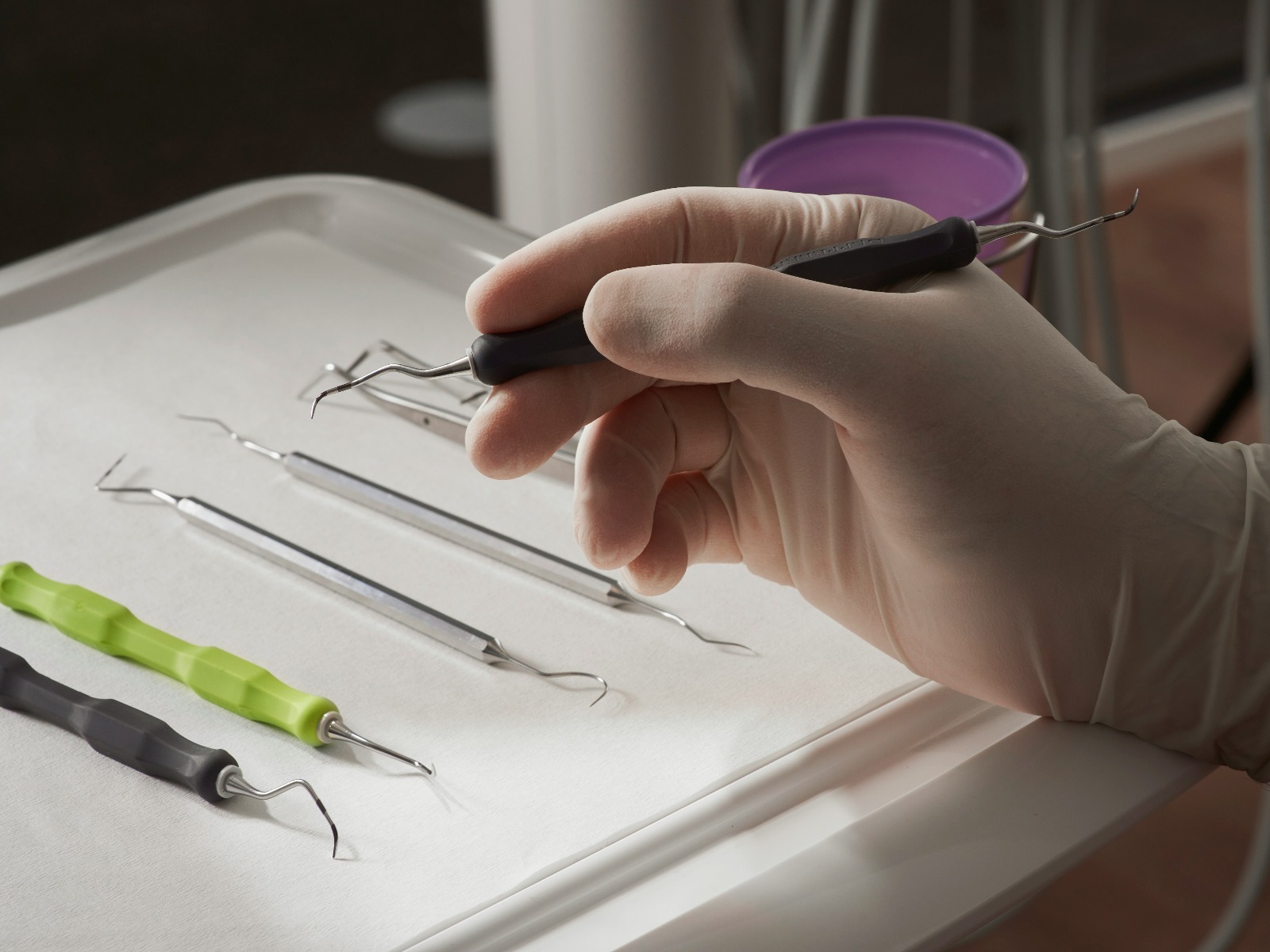
Programs that spend 80% of their curriculum on memorizable facts and only a fraction on applied clinical workflows produce graduates who can answer multiple choice questions about four-handed dentistry but have never practiced instrument transfer under time pressure. That's a problem that shows up fast on the clinic floor.
What to look for instead:
- Programs that structure learning around realistic patient flow scenarios.
- Teach dental charting software navigation.
- Include hands-on or simulation-based components.
- Address the coordination demands of working alongside a dentist in real time.
Why Employer-Aligned Dental Assisting Curricula Change the Hiring Equation
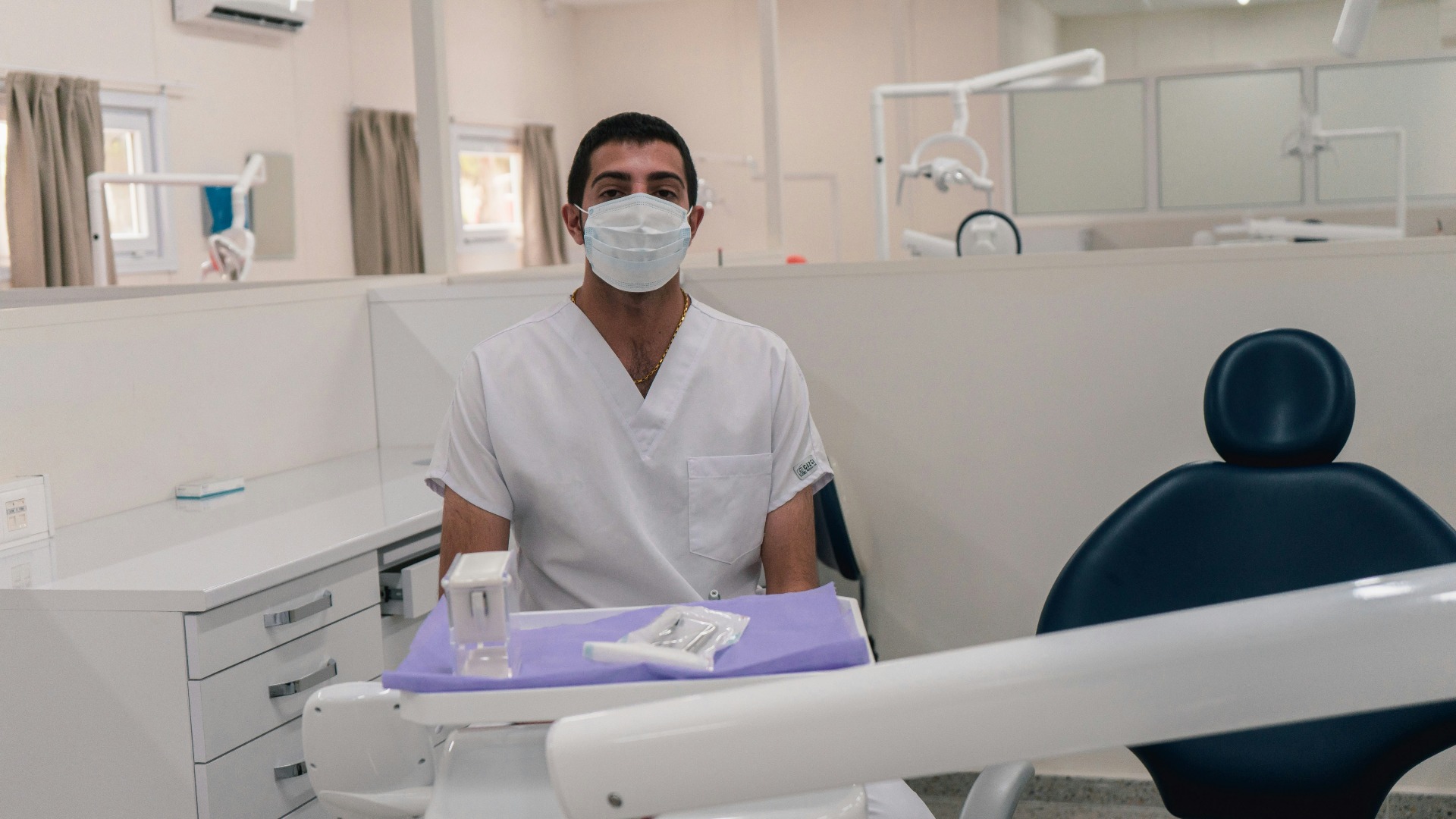
Employer-aligned training means the curriculum was built in conversation with dental practices.
When a program incorporates direct employer input, the outcome data shifts noticeably. According to a report from the National Center for Education Statistics, certificate program graduates who complete workforce-aligned credentials are more likely to be employed in their field within six months of graduation compared to those who complete non-aligned programs.
This alignment shows up in very specific ways: programs that teach the most widely used dental practice management software (Eaglesoft, Dentrix, and Open Dental), cover clinical compliance documentation requirements, and walk students through the intake-to-discharge workflow end to end. They're the baseline that dental offices expect.
“The dental workforce pipeline has a preparation problem, not a supply problem.”
– Dr Jane Grover, Former Director of the Council on Access, Prevention and Interprofessional Relations at the American Dental Association (ADA)
That quote came out of a broader conversation about access to care, but it applies equally to dental assisting education. Plenty of people want these jobs. Far fewer are coming in prepared to do them.
The RDA by AMT Credential: What It Signals to Employers
Not all dental assisting credentials carry the same weight. The Registered Dental Assistant (RDA) credential issued by the American Medical Technologists (AMT) is one of the more respected national certifications in the field – and for good reason. It requires demonstrated clinical knowledge, adherence to a professional standards code, and in many cases, verifiable hands-on training hours.
When an employer sees the RDA by the AMT on a resume, they're seeing a candidate that met a defined competency standard that a professional credentialing body oversees. That's a different signal than a program-issued certificate of completion, which varies in what it represents.
Lesser-known fact: The AMT has reciprocity agreements in multiple states, which means your credential travels with you if you relocate. That's a practical advantage that never gets mentioned in program materials.
Watch Our Video on What Qualifications You Need for a Dental Assistant Position
How Health Tech Academy's Dental Assistant Bootcamp Was Designed Differently
Health Tech Academy's 16-week online Dental Assistant Bootcamp was structured from the ground up around what dental practices need. The program prepares students for the RDA by the AMT certification and covers clinical workflows, chairside skills, radiography, infection control protocols, and the documentation and communication patterns that keep a dental office running smoothly.
Hear from One of Our Students
The 16-week format is deliberate. It's compressed enough to move you toward employment quickly, but substantial enough to build the kind of procedural fluency that one-week crash courses can't produce. And because it's online, it's accessible to working adults, parents, and career changers who can't restructure their entire life around a brick-and-mortar schedule.
If you're evaluating whether dental assisting fits where you want to go, a useful starting point is our free practice exam. It gives you a realistic benchmark for where you stand before you commit to anything.
What the Curriculum Should Cover (and What to Ask Programs)

When you're comparing dental assisting programs, the marketing copy is usually not where the useful information lives. The syllabus is. Here are specific things worth asking about or looking for before you enroll:
- Clinical workflow integration. Does the program teach dental assisting within the context of a full patient visit – from rooming and preparation through procedure support and post-visit documentation – or does it present skills as isolated modules?
- Software and charting. Are students exposed to dental practice management platforms, or is charting covered only in abstract terms?
- Infection control depth. The Occupational Safety and Health Administration (OSHA) and Centers for Disease Control and Prevention (CDC) have specific guidelines for dental settings that go beyond general healthcare protocols. Does the program address dental-specific exposure control and sterilization procedures?
- Radiography training. Dental radiography is one of the most regulated and clinic-critical skills a dental assistant can hold. State requirements vary significantly – does the program account for this, and does it prepare students for state-specific licensure where applicable?
- Certification pathway. Is the program aligned with a nationally recognized credential (like the RDA by the AMT), and does it provide structured exam prep?
“Competency-based education requires that learners demonstrate the ability to perform professional skills at a defined level of proficiency.”
– Dr Pamela Zarkowski, a Dental Education Expert and Former Provost at the University of Detroit Mercy School of Dentistry
The Practical Case for Online Dental Assistant Training Programs
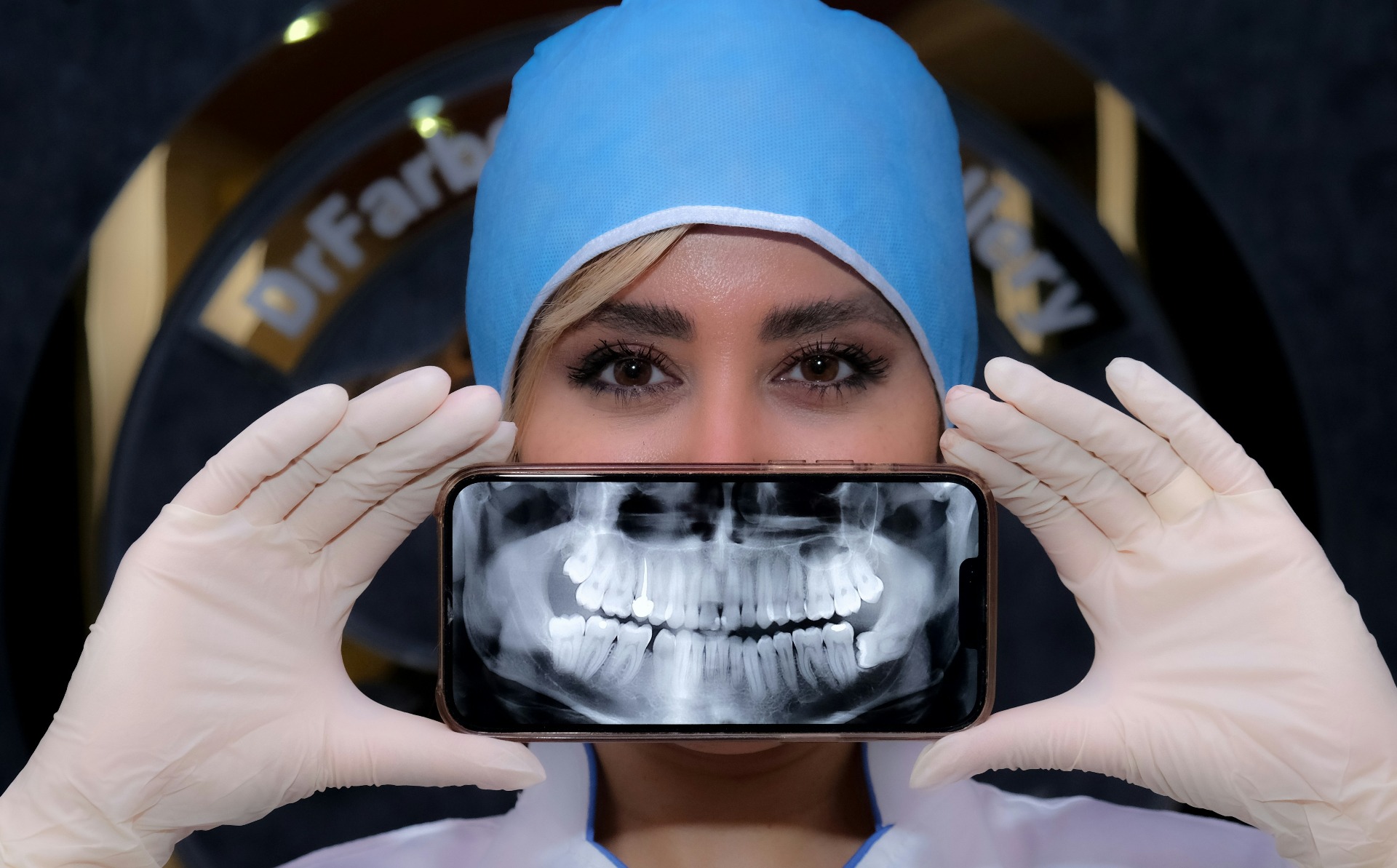
The phrase "dental assistant training program online" gets searched thousands of times each month by people who are weighing their options. What many of them don't realize is that online delivery, done well, doesn't compromise clinical preparedness. It changes how foundational knowledge is built before hands-on components begin.
The key phrase there is "done well." An online program that uses video lectures and quizzes to cover theoretical content while integrating simulation exercises, real documentation practice, and employer-connected externship opportunities can absolutely produce practice-ready graduates. An online program that's essentially a PDF library with an end-of-module quiz cannot.
Make Your Choice
Choosing a dental assisting program is a career decision, not a scheduling one. The programs worth your time are the ones built around what dental offices need, credentialed through bodies that employers recognize, and structured to develop the kind of procedural fluency that holds up on a busy clinic floor.
The RDA by the AMT credential is a meaningful benchmark. Finding a program designed to earn it narrows your list considerably.
Frequently Asked Questions and Answers
How Long Does it Take to Become a Certified Dental Assistant Online?
Program lengths range from a few weeks to over a year, depending on the structure and credential. Health Tech Academy's bootcamp is 16 weeks – designed to move efficiently without sacrificing the depth employers expect.
Is the RDA by the AMT Recognized Nationally?
Yes. The AMT's RDA credential is accepted across multiple states and carries reciprocity provisions in several jurisdictions. It's one of the more portable credentials in dental assisting.
What's the Difference Between a Certificate of Completion and a National Certification?
A certificate of completion means you finished a program. A national certification means you met external competency standards set by a credentialing organization independent of the school. Employers treat these differently.
Do Online Dental Assisting Programs Include Hands-On Training?
Quality programs do. This typically happens through simulation components, externship partnerships, or lab components, depending on the program. Ask specifically how hands-on skills are assessed before enrolling.
How Competitive is the Dental Assisting Job Market?
The Bureau of Labor Statistics projects 15% growth through 2032, which is well above average. The candidates who move fastest through hiring are those who come in with both a recognized credential and demonstrated clinical fluency.
What Should I Look for in a Dental Assistant Program if I'm Already Working?
Flexible scheduling, asynchronous content delivery, and a clear timeline to completion. Also, look at how the program handles clinical components – whether they accommodate working students or require a rigid in-person schedule.