This guide walks through what to look for when comparing the best online dental assistant programs – accreditation, the right credentials, outcomes that translate to a paycheck – plus the warning signs that a program is more interested in your tuition than your career.
Why Your Dental Assistant Online Program Decision Matters
The dental assisting field is not a niche corner of healthcare. The U.S. Bureau of Labor Statistics (BLS) projects employment for dental assistants to grow 6% from 2024 to 2034. According to the Dental Assisting National Board (DANB)'s 2024 Salary and Satisfaction Survey, Certified Dental Assistants (CDAs) earn 15% more per hour than their non-certified peers – $26 per hour versus $22.50.
Over a standard work year, it comes to roughly $7,280 more annually – and that is before factoring in the career progression advantages that come with holding a recognized credential.
The urgency runs deeper than salary data. When the American Dental Association (ADA) Health Policy Institute surveyed dentists in late 2024, about 62% named staffing shortages as the biggest challenge facing their practices. American Dental Association Dental offices are hiring qualified, credentialed graduates as fast as they can find them.
Watch Our Video on How Much a Dental Assistant Makes
Accreditation: The First Filter
Before comparing tuition, schedule flexibility, or whether the instructor seems engaging – check accreditation.
For dental assisting programs, two accrediting bodies carry the most weight with employers and state licensing boards: the Commission on Dental Accreditation (CODA), which operates under the American Dental Association, and the Accreditation Bureau of Health Education Schools (ABHES). Attending a non-accredited program can affect your eligibility for financial aid and for certification exams, which in turn affects your ability to practice in your state.
Some states require graduates of accredited programs specifically to sit for licensure exams. If you enroll in a non-accredited program in one of those states, you may need to accumulate 3,500 hours of verified work experience before you become eligible to test – that is over a year and a half of full-time hours to get to the starting line.
What accreditation does not mean, however, is that a CODA stamp alone equals a quality education. CODA currently accredits more than 1,400 programs across dental and allied dental education disciplines.
Credentials That Employers Recognize: The RDA by the AMT
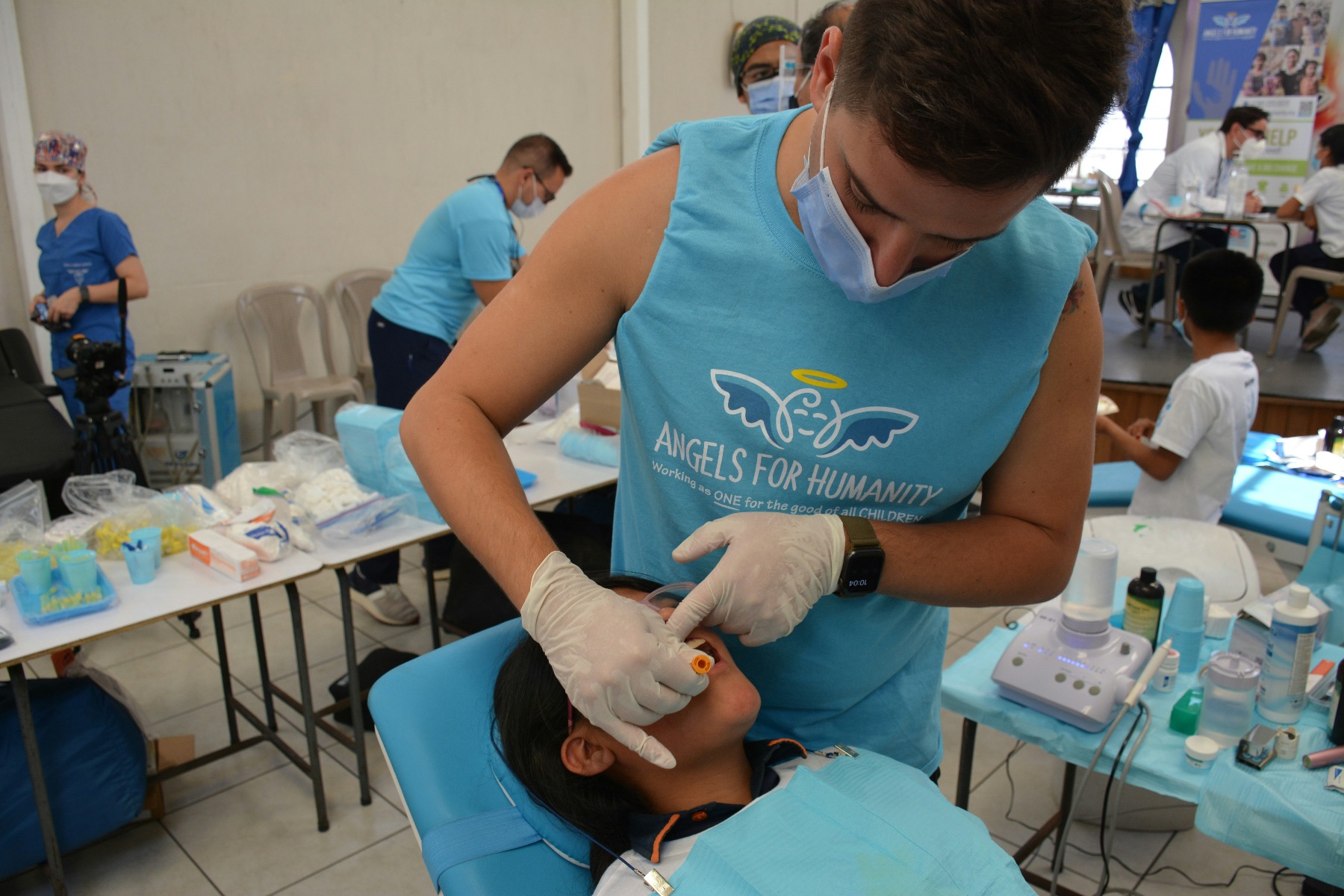
When comparing the best online dental assistant programs, look specifically for preparation for the Registered Dental Assistant (RDA) credential through the American Medical Technologists (AMT) or the Certified Dental Assistant (CDA) credential through the DANB.
The RDA by the AMT validates knowledge across chairside assisting, radiography, infection control, and general office procedures. It signals to employers that a candidate has met standardized professional benchmarks.
Health Tech Academy's 16-week online Dental Assistant Bootcamp is designed specifically around preparing graduates for the RDA by the AMT certification. The program moves efficiently without sacrificing depth. 16 weeks is enough time to build clinical knowledge when the curriculum is structured intelligently.
Hear from One of Our Students
What Good Certification Prep Entails
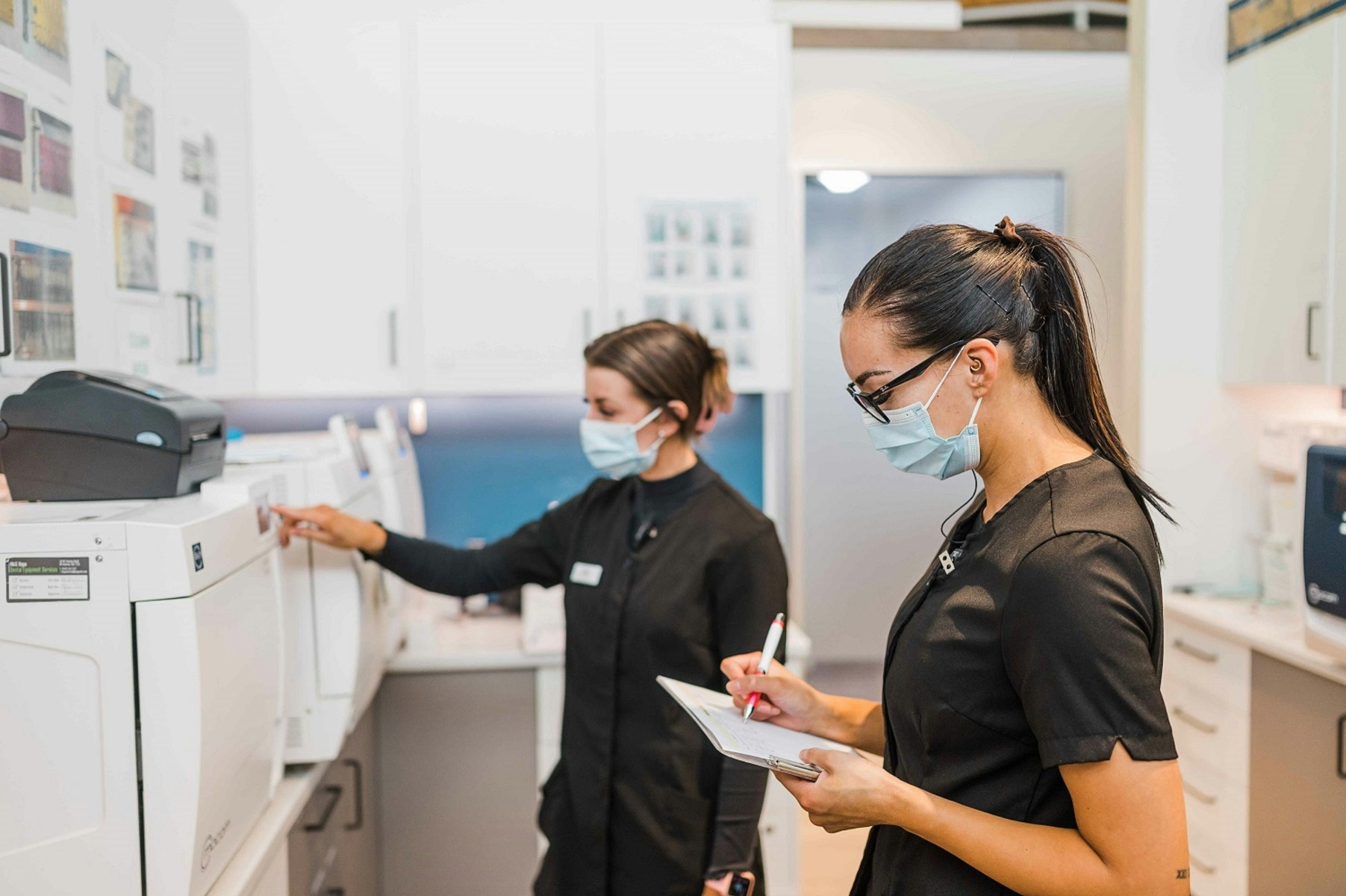
There is a meaningful difference between a program that mentions certification and one that builds toward it. The best online dental assistant programs integrate exam preparation throughout the curriculum.
Specifically, look for:
- Mock exams and practice testing integrated throughout. Programs that offer repeated, timed practice assessments give students the opportunity to identify weak areas before sitting for the exam, not after. A single end-of-program review session is not the same thing.
- Curriculum aligned to exam content domains. The RDA covers specific knowledge areas. If a program's syllabus does not map clearly to those domains, ask why.
- Instructor credentials that include clinical or certification experience. An instructor who has held the credential being taught understands the exam from the inside.
Want to benchmark where you stand before committing to a program? Take Health Tech Academy's free practice exam. It is a fast, no-pressure way to understand what the certification covers and where your preparation needs to go.
The Dental Assistant Staffing Shortage Is Your Leverage
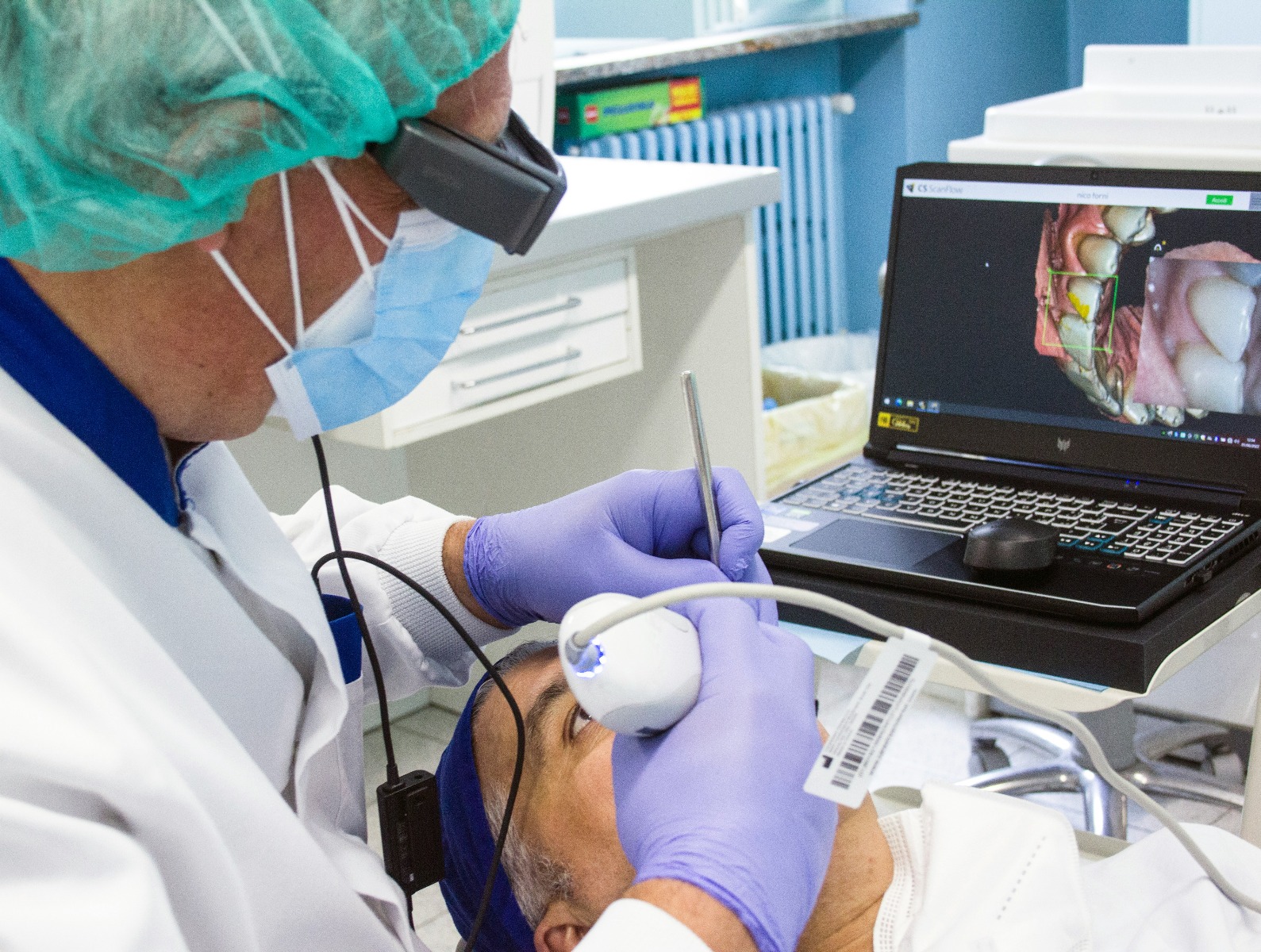
The current staffing crisis in dentistry creates immediate opportunity, but only for graduates who can demonstrate that they are job-ready.
“The pandemic accelerated the reduction of an already-declining number of available allied team members, who left the profession through retirement, a career change, or for other reasons.”
– Dr Shane Ricci, D.D.S., Chair of the ADA Council on Dental Practice
That shortage means dental offices are motivated to hire, but it also means they cannot afford to spend months onboarding someone who graduated from a program with inadequate clinical preparation. Among dentists who reported actively recruiting, nearly 87% said it was very challenging to hire dental assistants in late 2022 – a percentage that dropped to slightly more than 70% by the end of 2024. Practices want certified, qualified graduates who can contribute quickly.
Program Outcomes: The Questions Programs Hope You Forget to Ask
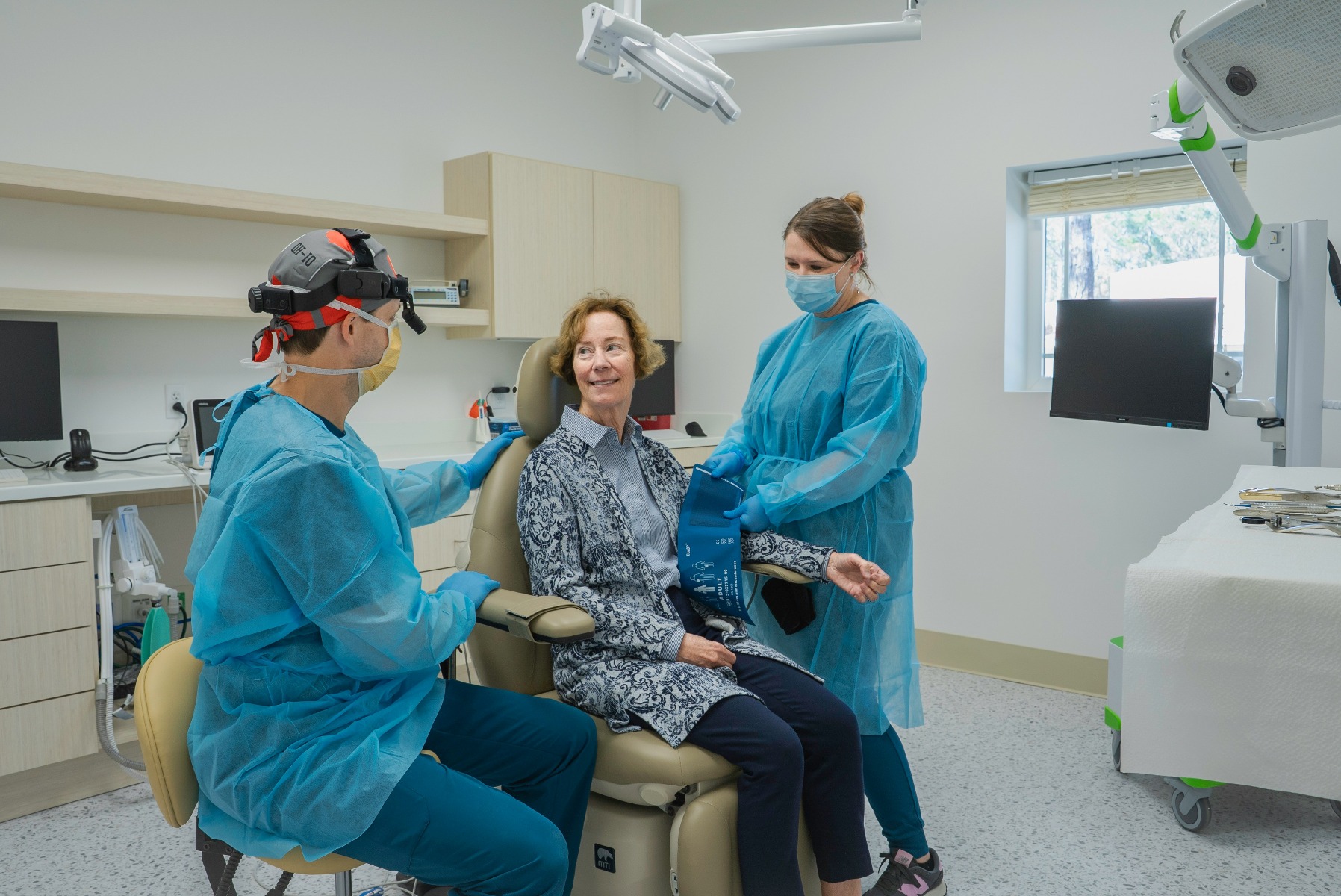
Job placement rate is probably the single most overlooked metric when comparing programs – and it is often the hardest to pin down, because many programs do not track it.
Ask these specific questions before enrolling:
- What percentage of graduates pass their certification exam on the first attempt? First-attempt pass rates reflect curriculum quality more directly than completion rates. A high graduation rate alongside a low first-pass rate should prompt follow-up questions.
- What kinds of practices have hired your graduates? General dentistry, specialty practices, dental service organizations (DSOs), and community health centers all have different hiring profiles. Knowing where graduates land tells you something about how employers perceive the program.
- Do you have employer partnerships or externship networks? Programs with established relationships at dental offices can place students in clinical settings and sometimes facilitate direct hiring pipelines.
Dental Assistant Red Flags That Should Give You Pause
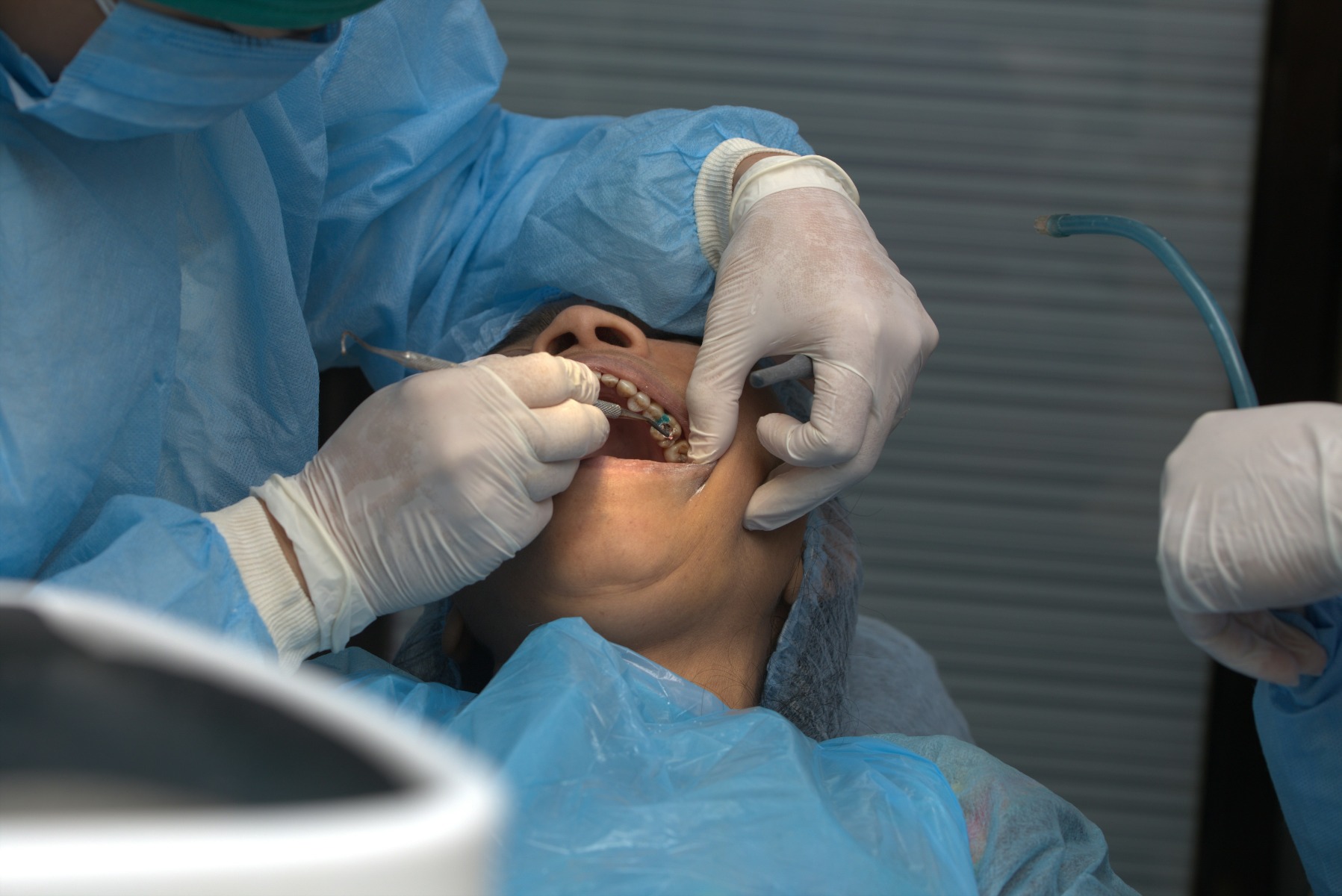
Not all warning signs are obvious. Some programs are quite good at looking professional while delivering thin preparation. Here is what to watch for specifically:
- No mention of specific certification prep. If a program discusses "career readiness" and "industry-relevant skills" but never names the specific credential it prepares graduates for, that is worth flagging.
- No information on instructor qualifications. The faculty section of a program's website should be transparent. If you cannot find any information about who is teaching, that is a gap worth filling before you pay tuition.
- No state-specific guidance. Dental assisting regulations vary by state. A quality program addresses this directly. If a program makes no mention of state-specific considerations, it may not be built for real-world practice.
Enroll in Your Program
Picking an online dental assistant program is not a decision that rewards rushing. The market for qualified graduates is strong, but dental offices are looking for people who can demonstrate competency. Accreditation, the right credential target, and evidence of graduate outcomes are the pillars.
The ADA found that 62% of dentists cite staffing shortages as their single biggest challenge heading in 2026, which means the opportunity is there. What closes the gap between opportunity and a job offer is showing up with credentials that employers trust.
Frequently Asked Questions and Answers
What Accreditation Should I Look for in an Online Dental Assistant Program?
The two most recognized accrediting bodies for dental assisting programs are the Commission on Dental Accreditation (CODA), which is associated with the American Dental Association (ADA), and the Accreditation Bureau of Health Education Schools (ABHES).
What is the RDA Certification by the AMT?
The Registered Dental Assistant (RDA) credential is issued by the American Medical Technologists (AMT). It validates a candidate's knowledge across key dental assisting competencies including chairside procedures, radiography, infection control, and office operations. It is employer-recognized and available to graduates of qualifying programs who pass the standardized AMT examination.
How Long Does it Take to Become a Dental Assistant Online?
Program length varies considerably – anywhere from 16 to 24 weeks for focused bootcamp-style programs, to 9 to 12 months for associate degree tracks. Longer does not automatically mean better. What matters more is whether the curriculum maps to the certification you are targeting and whether clinical components are structured rather than informal.
Do Online Dental Assistant Programs Include Hands-On Training?
Reputable programs pair online coursework with structured clinical components delivered through externship partnerships at dental offices or simulation facilities.
How Much More can I Carn with a Dental Assistant Certification?
According to the DANB's 2024 Dental Assistants Salary and Satisfaction Survey, Certified Dental Assistants earn 15% more per hour than non-certified assistants – a median of $26 per hour versus $22.50 per hour. Over a full work year, that gap adds up to roughly $7,280 in additional earnings.
Is Health Tech Academy's Online Dental Assistant Bootcamp a Good Option?
Health Tech Academy's 16-week online Dental Assistant Bootcamp is built around preparing graduates for the RDA by the AMT certification. The program is structured for career changers and aspiring dental professionals who want focused, efficient preparation rather than multi-year degree programs.