
California is one of the highest-paying states for dental assistants in the country, but that doesn't mean every dental assistant earns the same. Geography, credentials, and role specialization create a wide earning range. Most people stay at the lower end because they lack a clear strategy.
This guide breaks down what drives higher dental assistant salary California numbers, which credentials unlock better pay, and how to move from assistant to lead within a realistic timeframe.
What Dental Assistants Earn in California
The Bureau of Labor Statistics (BLS) puts the mean annual wage for dental assistants in California at $47,070 as of 2023. The top 10% of earners in the state bring in over $62,000 annually, while entry-level positions in smaller markets can start closer to $36,000.
San Francisco, San Jose, and the broader Bay Area consistently rank among the highest-paying metro regions for dental assistants nationally. According to BLS data, the San Francisco-Oakland-Hayward metro area reports mean annual wages around $58,000 for dental assistants – roughly $11,000 above the state average.
Los Angeles and San Diego fall somewhere in the middle range, with higher overall cost of living but competitive salaries that reflect the density of dental practices and patient volume.
The Dental Assistant Credentials That Change the Math
Most dental offices have a ceiling on what they'll pay an unlicensed assistant. Getting credentialed expands the legal scope of procedures you can perform, which directly increases your value to an employer.
Registered Dental Assistant (RDA)
In California, the Registered Dental Assistant (RDA) through the American Medical Technologists (AMT) license is issued by the Dental Board of California and allows you to perform expanded functions – things like taking impressions, applying sealants, coronal polishing, and more. Practices that see high patient volume rely heavily on RDAs to keep workflows efficient, and they pay accordingly.
The salary bump from unlicensed to RDA can range from $4,000 to $10,000 annually, depending on the practice and location.
AMT credentialing is nationally recognized and signals a standardized level of clinical knowledge that California employers – especially group practices and DSOs (Dental Support Organizations) – look for when hiring at mid and senior levels.
If you're building toward a leadership role or planning to work across multiple states, the AMT's RDA credential gives you portability and credibility that state-specific pathways alone don't provide.
Health Tech Academy's 16-week online Dental Assistant Bootcamp is designed specifically to prepare you for the AMT RDA exam – with flexible scheduling built for working adults.
Hear From One of Our Students
Radiation Safety Certificate
In California, dental assistants who take radiographs (X-rays) must hold a radiation safety certificate. Many offices will not hire without it, and those that do tend to keep uncertified assistants off the clinical floor. Adding this credential removes a major bottleneck and makes you immediately more schedulable.
Orthodontic or Oral Surgery Specialties
Specialty practices pay more. Orthodontic assistants in California often earn 10–15% above general dentistry rates, and oral surgery environments push that gap higher. These roles require additional training and, in some cases, supplementary certifications, but they're accessible within a two-to-three year window for someone intentional about their development.
Moving From Entry-Level to Lead Within 1–3 Years
The path from new hire to lead dental assistant follows a predictable pattern when you know what to target.
Year One: Get the Fundamentals Airtight
The first 12 months are about competency and consistency. Offices notice who shows up prepared, who asks good questions, and who doesn't create problems at the chair. This is also when you should be completing or finalizing your RDA licensure and radiation safety certification if you haven't already.
“Assistants who advance quickly share one trait: they treat the clinical floor like a professional environment, not a holding pattern. Initiative – flagging supply issues, suggesting workflow adjustments, and showing up to continuing education – registers with dentists.”
– Dr Evelyn Chung, a Dental Practice Management Consultant
Year Two: Develop a Specialty or Niche
By months 18 to 24, you should have enough clinical exposure to identify which area of dentistry fits your strengths and interests. Orthodontics, pediatric dentistry, periodontics, and oral surgery all have different workflows – and each pays differently. Leaning into one creates depth that generalist assistants can't offer.
This is also when cross-training becomes strategic. Assistants who understand front-office operations (scheduling, insurance coordination, and treatment planning conversations) are harder to replace than those who only work chair-side. Some of the highest-paid lead assistants in California are essentially hybrid roles – clinical lead plus treatment coordinator.
Year Three: Position for Lead or Senior Roles
By year three, the assistants earning $55,000+ are typically holding an RDA license, have a specialty niche or dual clinical/administrative competency, and are actively contributing to office training or onboarding of new staff.
“Dental assistants who can speak to case acceptance, workflow efficiency, and patient retention are compensated accordingly.”
– Dr Bryan Laskin, a Dentist and Dental Technology Advocate
Lead dental assistant roles often carry an additional $5,000 to $12,000 in annual compensation above standard RDA rates, depending on the practice size and whether the role includes supervisory responsibilities.
Watch Our Video on How Much a Dental Assistant Makes
Market Factors for Dental Assistants
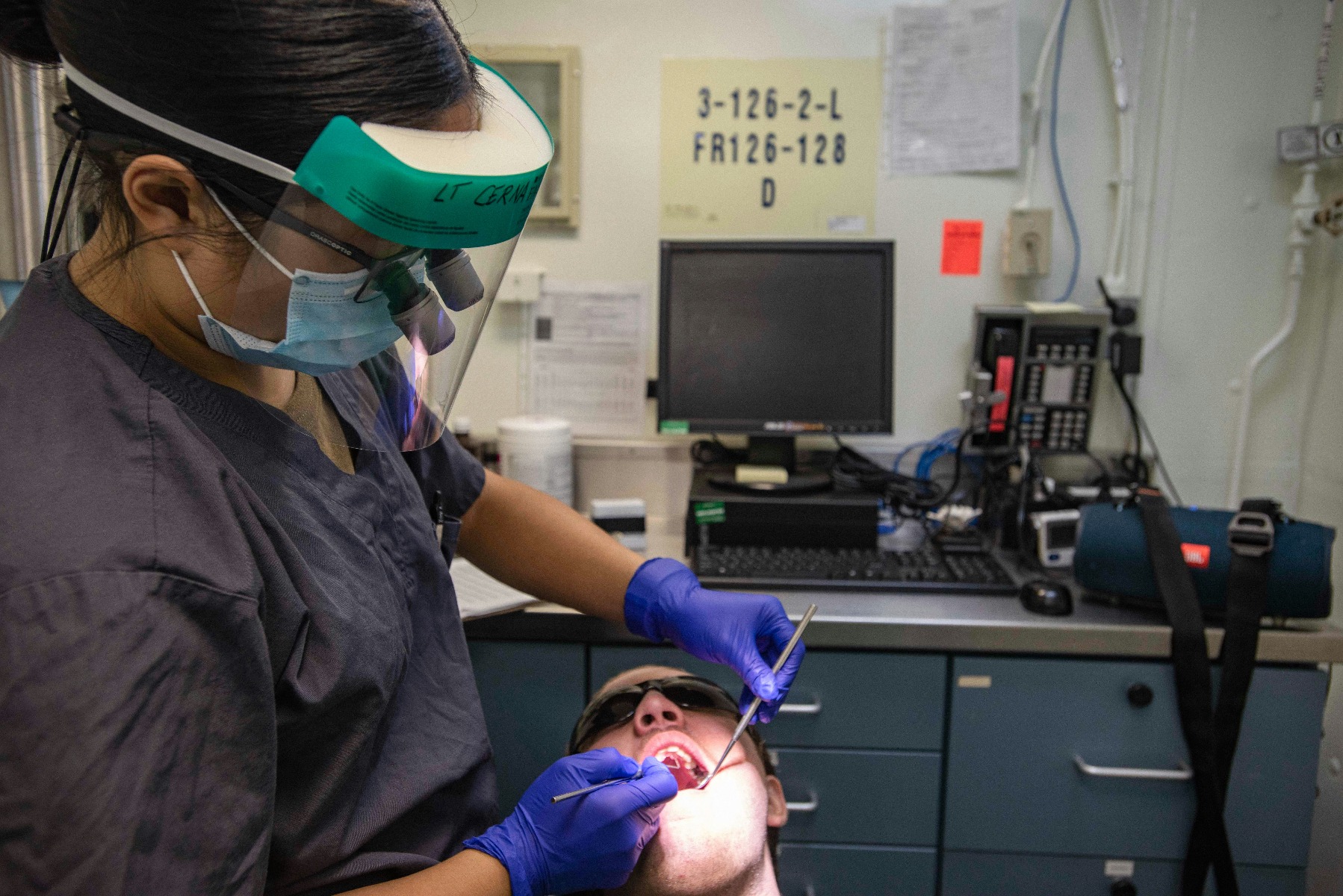
DSOs (Dental Support Organizations) are a growing segment of the California market. They're sometimes dismissed by clinicians who prefer private practice environments, but they offer structured pay scales, benefits packages, and defined advancement ladders.
For an assistant focused on salary growth over a set timeline, a regional DSO with clear promotion criteria can be more financially efficient than waiting for a raise in a two-dentist private practice.
A 2022 survey by Dental Economics found that fewer than 30% of dental assistants had ever formally negotiated their starting salary. Most simply accepted the first offer. In a state where demand for qualified RDAs consistently exceeds supply, that's a costly habit.
How to Prepare for the AMT RDA Exam
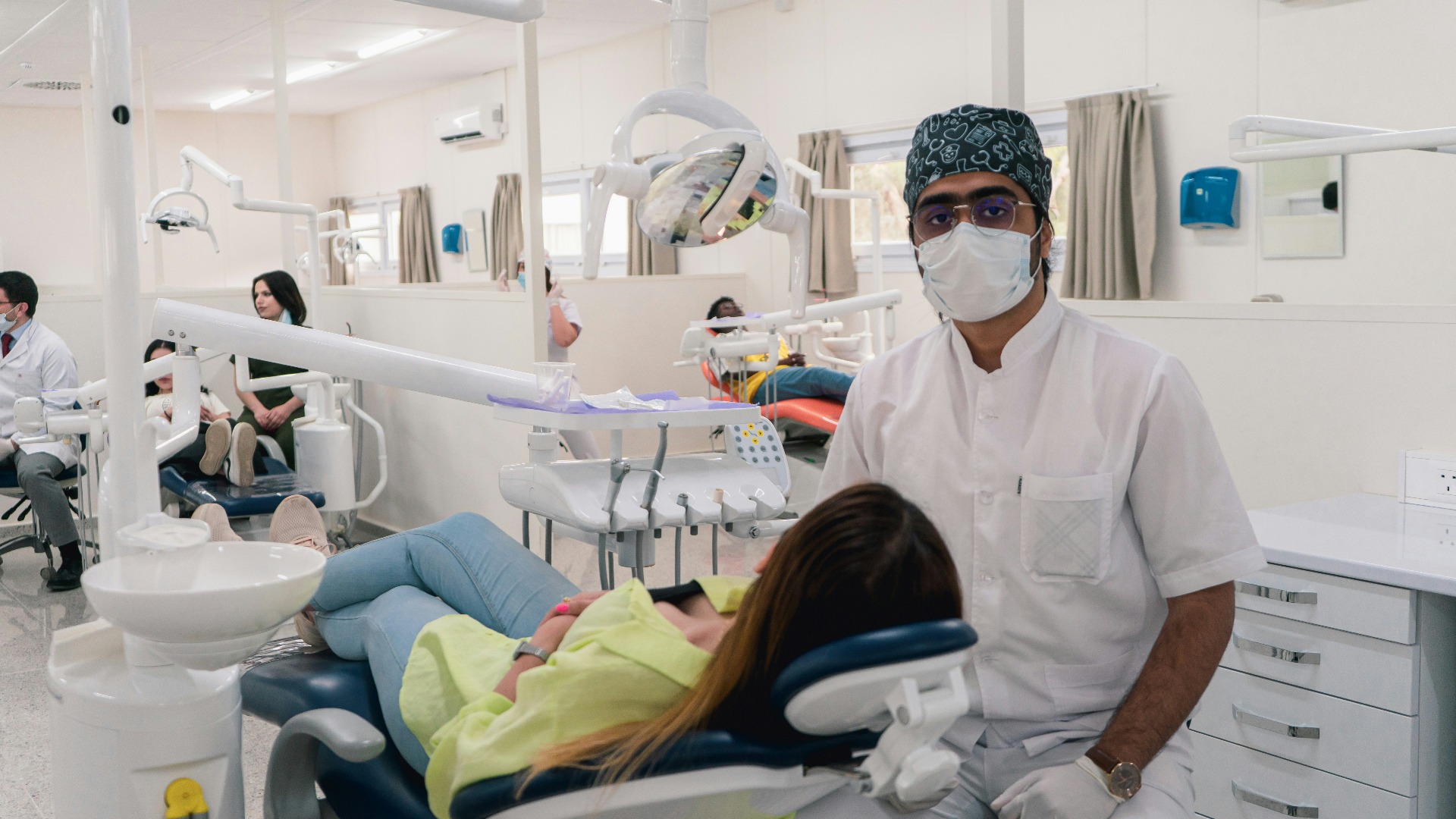
The AMT Registered Dental Assistant exam covers infection control, chairside assisting, dental radiography, and dental materials – a broad scope that requires structured preparation, not just on-the-job experience.
Passing on the first attempt is meaningful: it signals readiness to employers and avoids the time and cost of retesting. The best way to measure your competency before sitting for the exam is a timed, realistic practice run.
Not sure if you're ready? Take Health Tech Academy's free practice exam to identify gaps before exam day.
Continuing Dental Assistant Education as a Salary Strategy
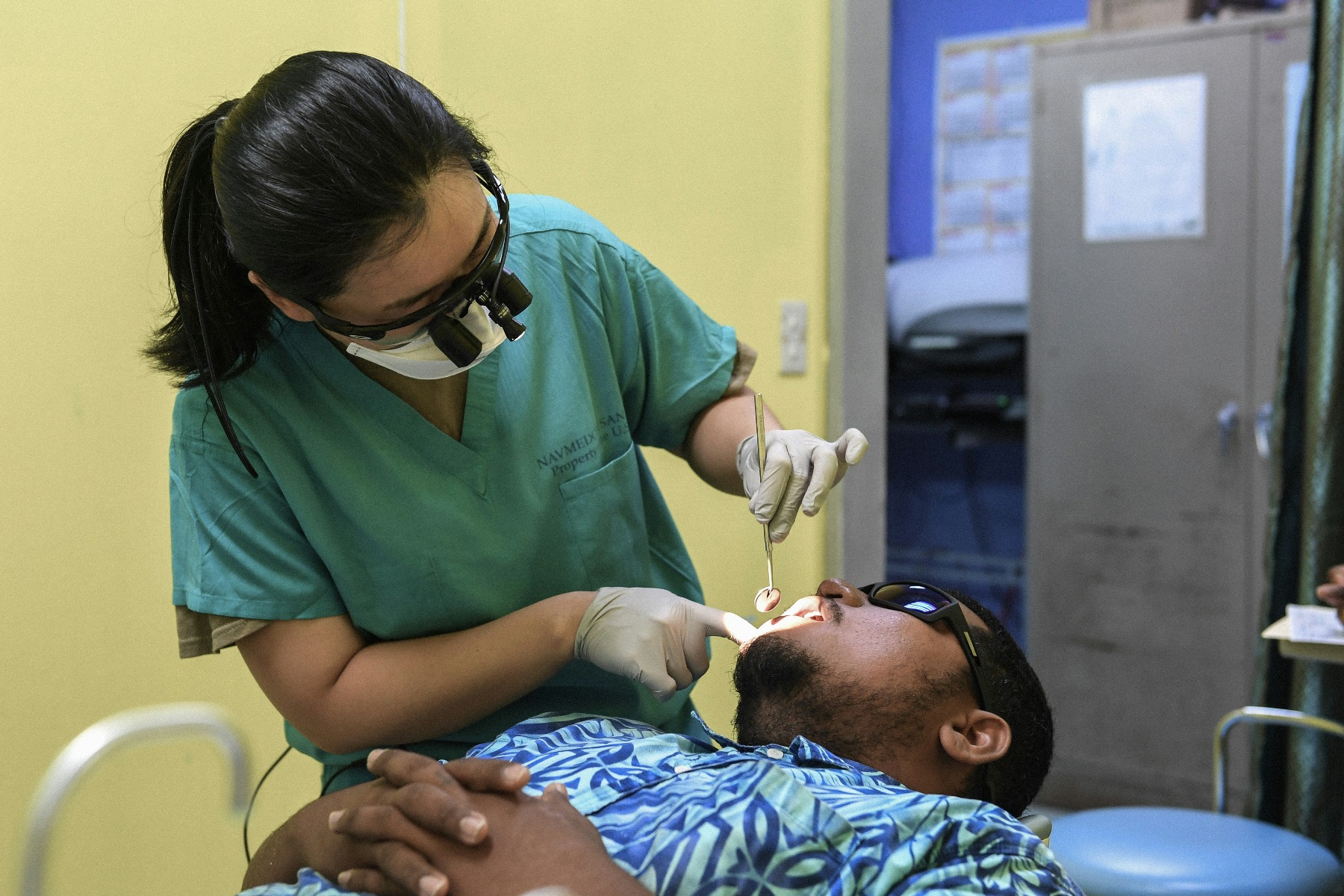
- California RDAs are required to complete continuing education (CE) hours for license renewal, but the assistants using CE strategically treat it as a salary tool, not a compliance checkbox.
- Specific CE coursework in areas like nitrous oxide monitoring, coronal polishing, or orthodontic assisting adds functions you can legally perform and charge for in a clinical context. Each added function increases your schedule value. It's a slower lever than a promotion, but it compounds over time.
- Time-poor assistants working full schedules can accumulate credits without weekend seminars or long commutes.
You’re Ready for a Pay Rise
Dental assistant salary numbers in California are not fixed. They move based on what you're licensed to do, where you choose to work, and how deliberately you build toward senior roles. The gap between a starting wage and a lead assistant salary in a specialty practice is about credentials, positioning, and knowing which moves to make.
The RDA credential, particularly through nationally recognized pathways like the AMT, is the single highest-leverage step for most assistants currently earning at the lower end of the pay range. Pairing that with specialty exposure and a clearer understanding of how practice economics work puts you in a position that very few dental assistants occupy.
Frequently Asked Questions and Answers
How Much do Dental Assistants Make in California Per Hour?
The average hourly wage for dental assistants in California is around $22.63 based on BLS 2023 data, but credentialed RDAs in high-demand metro areas like the Bay Area often earn $26 to $30 per hour or more.
What is the Difference Between a Dental Assistant and an RDA in California?
A dental assistant works under direct supervision and has a limited scope of permitted functions. An RDA is licensed by the Dental Board of California and can perform expanded functions independently, including coronal polishing, taking impressions, and placing temporary restorations.
How Long Does it Take to Become an RDA in California?
Most candidates complete their education and exam preparation within four to twelve months, depending on the program format. Health Tech Academy's 16-week bootcamp is one of the faster structured pathways available, designed specifically around the AMT RDA exam.
Is the AMT RDA Credential Recognized in California?
Yes. The AMT (American Medical Technologists) credentials are nationally recognized and accepted by employers across California, particularly within group practices and DSOs that hire across multiple states.
What Specialty Pays the Most for Dental Assistants in California?
Oral surgery and orthodontics consistently rank among the highest-paying specialties for dental assistants in California, with oral surgery environments often paying a premium due to the complexity of procedures and sedation-adjacent responsibilities.
Can I Negotiate My Salary as a Dental Assistant in California?
Yes – and most assistants don't. Given the consistent demand for credentialed RDAs in the state, negotiation is both reasonable and expected in many markets. Coming in with a relevant certification like the AMT RDA strengthens your position considerably at the offer stage.