
What an EKG Technician Does, Specifically
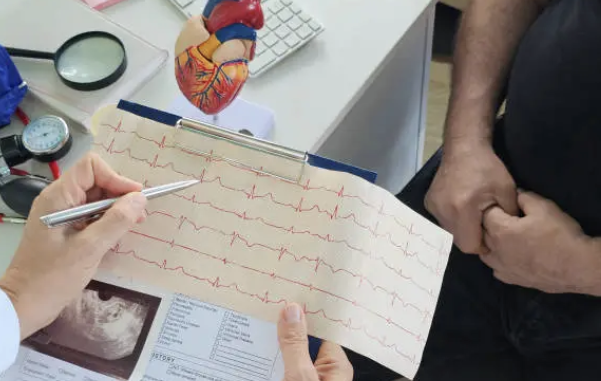
An EKG technician's core job is recording the electrical activity of the heart using an electrocardiograph machine – ten electrodes placed on a patient's chest, arms, and legs, capturing signals that physicians use for clinical decisions.
“EKG techs work in hospitals and they perform electrocardiograms on inpatients, and outpatients. Their day is filled with going from room to room, performing EKGs on patients with various medical and surgical problems.”
– Terri Glazewski, Program Adviser for the EKG/Cardiac Monitor Technician Certificate Program at Edmonds College in Washington
That room-to-room rhythm is more demanding than it sounds. The average EKG technician runs 13 tests a day. Each one requires:
- Proper patient preparation.
- Correct lead placement.
- Artifact-free recording.
- Real-time quality checks.
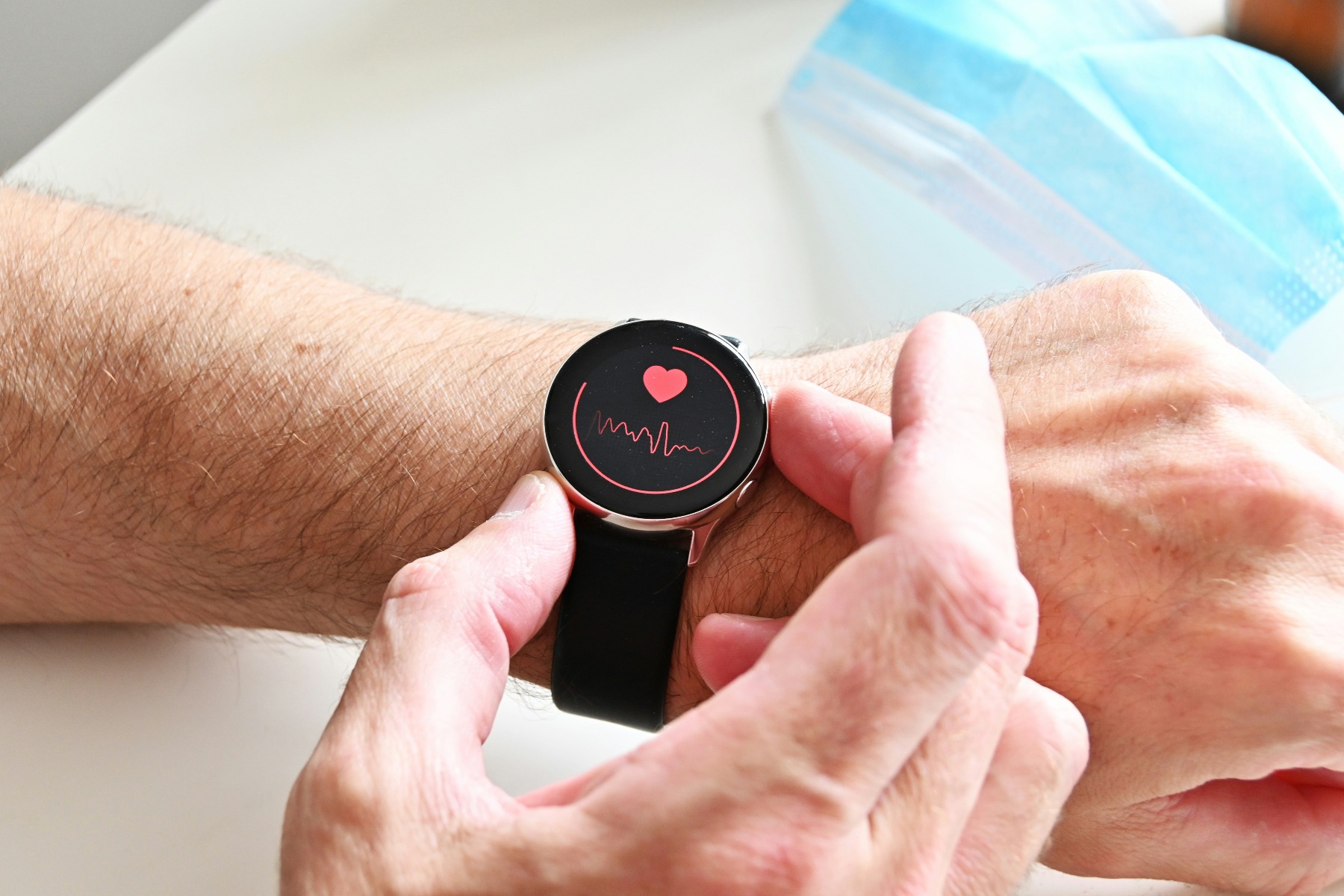
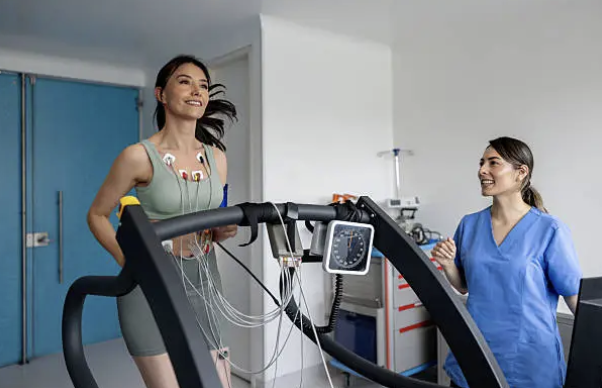
Beyond the standard resting EKG, many technicians are also trained to run stress tests – monitoring the heart during treadmill exertion – and set up Holter monitors, the portable devices patients wear for 24 to 48 hours to catch intermittent arrhythmias a 10-second resting test would miss.
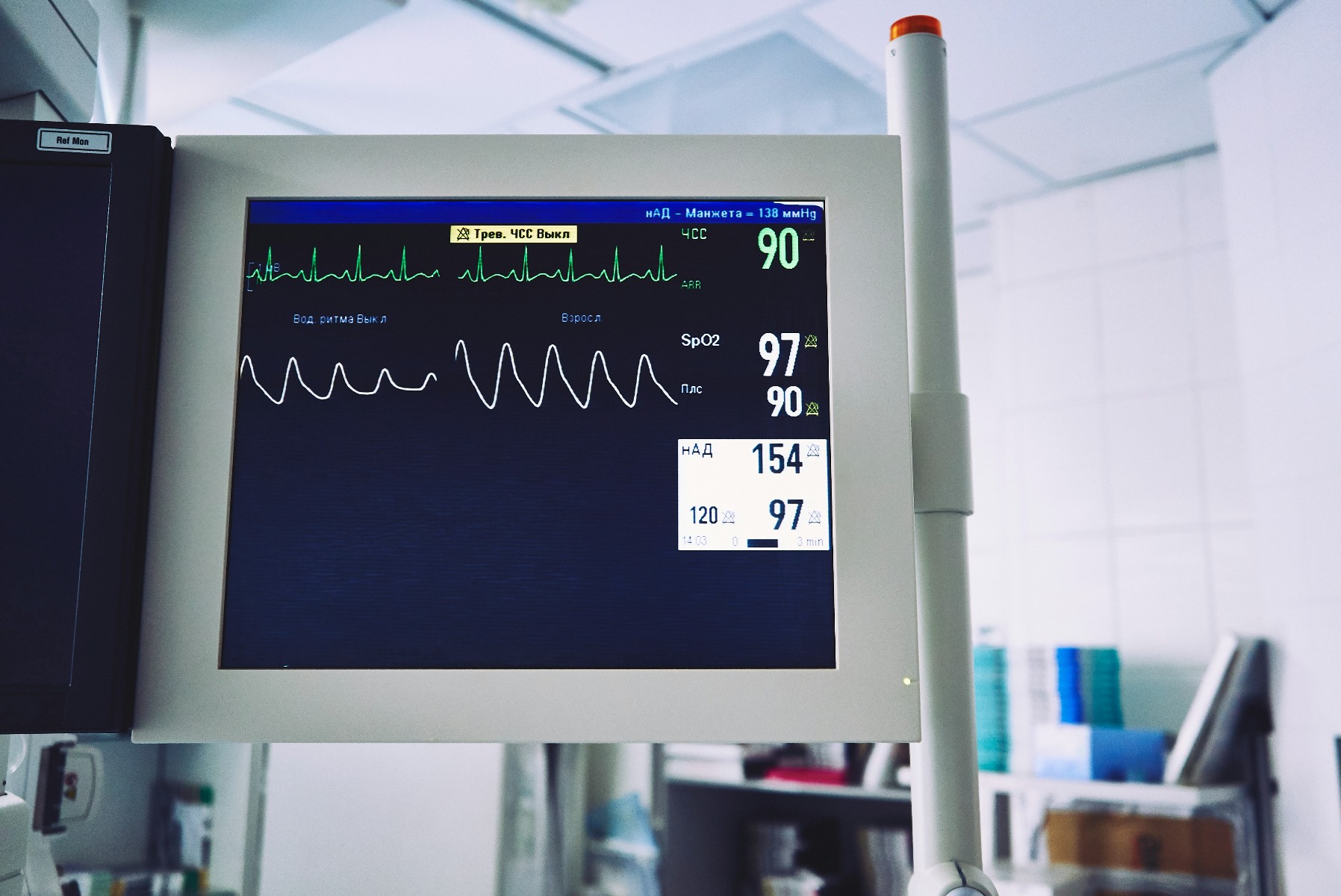
In hospital settings, some techs transition into telemetry monitoring: watching continuous cardiac rhythms on a central display and alerting the care team when something changes.
The Diagnostic Gap They Fill
The EKG technician does not diagnose – that's the physician's job. But the quality of the tech's work directly shapes the quality of the diagnosis. A poorly placed electrode introduces artifact. Artifact looks like noise on a tracing. Noise can obscure a subtle ST-segment change that signals a heart attack in progress.
After performing a test, technicians review tracings for quality and completeness, and must identify and flag irregular readings for physician review – accurate record-keeping is central to effective patient care.
This is why electrode placement is a genuinely skilled task. Skin preparation matters. Patient anxiety affects the signal. An experienced EKG tech knows how to get a clean tracing under conditions that aren't always cooperative.
Where EKG Techs Work and How the Role Fits In
Cardiovascular technologists and technicians held about 58,400 jobs in 2023, with hospitals employing 77% of them, physician offices another 12%, and outpatient care centers 3%.
- Hospital-based techs float across departments – the emergency department needs a stat EKG on a chest pain patient; surgery prep needs a baseline reading; the cardiology floor needs a post-procedure tracing.
- Outside hospitals, EKG techs work in cardiology practices, urgent care clinics, cardiac rehab centers, and a growing number of remote cardiac monitoring companies.
Within the care team, the EKG technician sits at the diagnostic entry point. They communicate immediate concerns or abnormal results to nurses or physicians to support timely diagnosis. When a telemetry screen shows new-onset atrial fibrillation at 2 a.m., the tech monitoring that display is the first to know – and their ability to recognize it and relay it clearly has direct patient outcomes attached.
Want to Step Into this Role?
Health Tech Academy's online 8-week EKG Certification Program prepares you for lead placement, rhythm recognition, and the National Healthcareer Association (NHA) Certified EKG Technician (CET) exam – built for working adults who can't put their lives on hold for a two-year degree.
Get Certified in 8 Weeks →Hear from One of Our Students
EKG Certification, Salary, and Job Market
The NHA CET is the industry-standard credential. The exam covers 100 scored questions across:
- Safety.
- Compliance.
- Coordinated patient care.
- EKG acquisition.
- Cardiac monitoring knowledge.
The cut score is 390, with a two-hour time limit.
On the compensation side, the median annual wage for cardiovascular technologists and technicians was $67,260 in May 2024, with the top 10% earning more than $108,900. Employment is projected to grow 3% from 2024 to 2034, with roughly 3,800 openings per year over the decade. This is driven by an aging population and cardiovascular disease remaining the leading cause of death globally.
Worth Knowing Before You Commit
Not sure if you're ready to sit for the NHA CET exam? Take Health Tech Academy's free practice exam before investing in a program. It's a low-stakes way to gauge where you stand and what needs work.
Take the Free Practice Exam →The Part that Doesn't Get Said Enough
EKG technicians don't headline the cardiac care narrative – cardiologists do. But the tracing the physician reads starts with the tech who prepped the patient and delivered a clean recording. In cardiac medicine, where milliseconds on a rhythm strip can distinguish a normal variant from a life-threatening event, that foundational work carries more weight than the job title suggests.
The entry point is accessible. The ceiling, with the right certifications and cross-training, is higher than most people standing outside the field expect.
Frequently Asked Questions and Answers
What Does an EKG Technician Do on a Daily Basis?
They perform electrocardiograms, set up patients for stress tests and Holter monitoring, maintain equipment, and flag abnormal findings for clinical staff. In hospitals, this typically means 13 or more tests per shift across multiple departments.
How Long Does it Take to Become an EKG technician?
Many programs take 8 to 12 weeks. After completing a qualifying training program – like Health Tech Academy’s – candidates can sit for the NHA CET exam. Certified candidates generally have a clear hiring advantage over those without credentials.
What Certification do EKG Technicians Need?
The NHA Certified EKG Technician (CET) is the most widely recognized credential. It requires passing a 100-question exam with a score of 390 or higher and must be renewed every two years with continuing education.
Do EKG Technicians Interpret Results?
They don't formally diagnose, but they must recognize abnormal tracings and know when to escalate. A tech who can't distinguish artifact from arrhythmia creates clinical risk. Pattern recognition is a core part of the job.
What is the Difference Between an EKG and an ECG?
Same test, different spelling. EKG derives from the German (Elektrokardiogramm) and is more common in the U.S.; ECG comes from the English spelling and appears more often in academic and international contexts.