
This guide breaks down what it takes to earn your certification, which skills matter on the job, and a few things that most career pages conveniently leave out.
What an EKG Technician Does
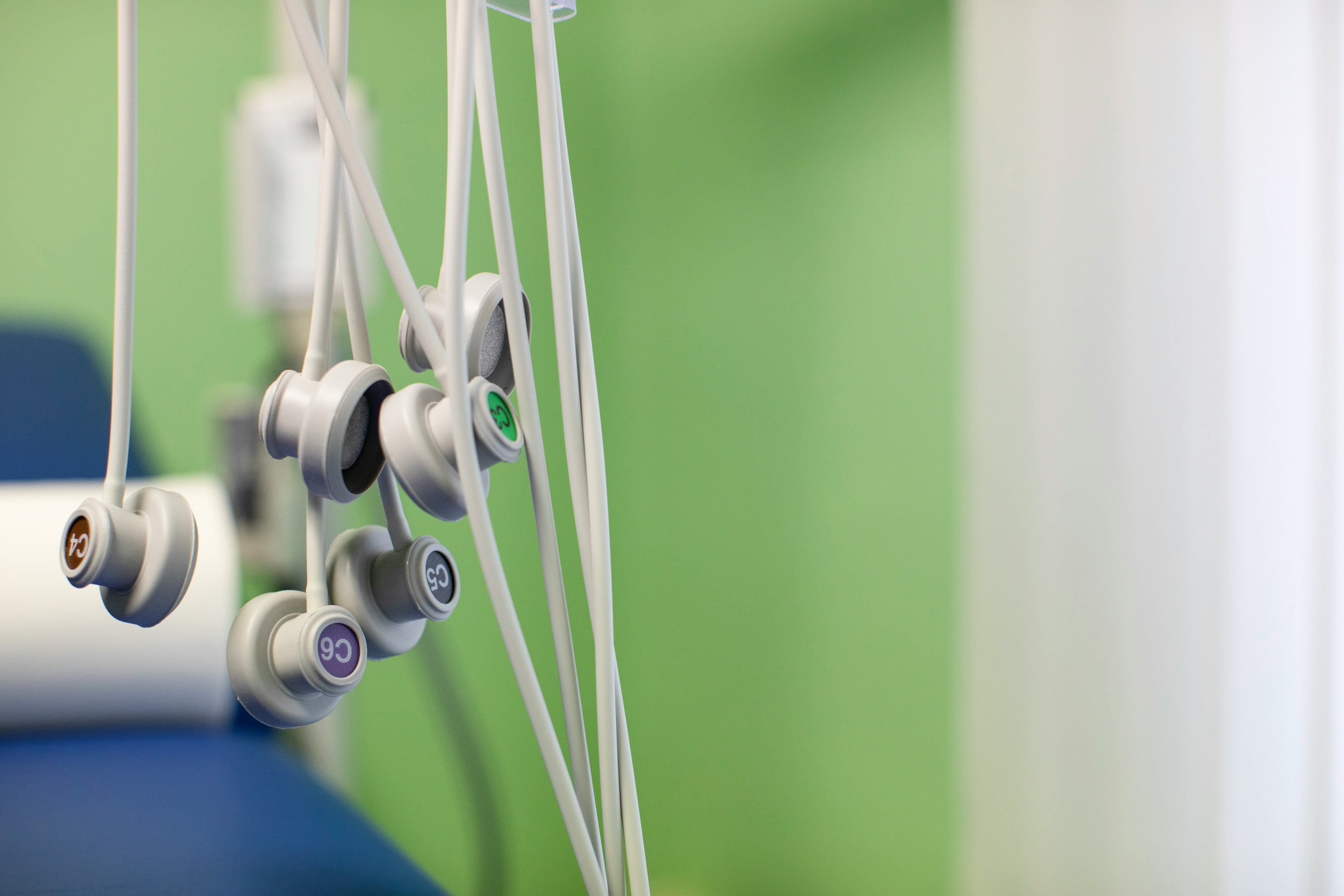
EKG technicians (also called cardiovascular technicians in some settings) are responsible for attaching electrodes to patients, operating EKG equipment, identifying artifacts that would corrupt a reading, and flagging anything that looks like it needs immediate physician attention. In busier hospitals, you might run a stress test in the morning, do a 24-hour Holter monitor fitting in the afternoon, and spend an hour troubleshooting equipment before your shift ends.
You're interpreting lead placement, spotting a wandering baseline caused by patient movement, and deciding whether a reading is clean enough to send to a cardiologist or needs to be redone.
EKG Certifications

There's no single national license required to work as an EKG tech, which sounds like good news until you realize that means employers set their own bars, and those bars vary wildly.
The two most recognized certifications are:
- Certified Rhythm Analysis Technician (CRAT): Offered by the Cardiovascular Credentialing International (CCI).
- Certified EKG Technician (CET): Offered by the National Healthcareer Association (NHA).
According to the U.S. Bureau of Labor Statistics (BLS), cardiovascular technologists and technicians earn a median annual wage of around $61,000, with the top 10% earning above $95,000. Certification consistently sits at the top of employer requirements for those higher-paying positions.
Did you know that some states are beginning to push for mandatory credentialing in certain cardiac monitoring roles, particularly in telemetry units? Getting certified now puts you ahead of that curve.
Step-by-Step: How to Become a Certified EKG Technician
Step 1: Meet the Basic Eligibility Requirements
Most certification exams require a high school diploma or GED. Some, like the NHA's CET exam, recommend (but don't always mandate) completion of a formal training program. The CCI's CRAT exam requires documented clinical hours, so winging it without structured training is harder than it sounds.
Step 2: Complete a Formal EKG Training Program
This is where program quality comes into play. A well-structured program covers cardiac anatomy, EKG lead placement (including the 12-lead EKG setup), rhythm interpretation, and basic pharmacology as it relates to cardiac function.
If you want to move quickly without cutting corners, Health Tech Academy's 8-week online EKG Tech Program is worth enrolling in. It's designed to take you from foundational knowledge to exam-ready in two months, with flexible scheduling that works around jobs and family – not the other way around.
Hear from One of Our Students
Step 3: Accumulate Clinical Knowledge (and Hours, if Required)
Some certifications want documented hands-on experience. Programs (like Health Tech Academy’s) that include practicum components or help place students in clinical settings are worth prioritizing.
Step 4: Sit for Your Certification Exam
The NHA CET exam consists of 100 scored questions covering anatomy, physiology, EKG acquisition, and rhythm recognition. Pass rates improve significantly with structured study – one NHA report noted that candidates who completed a formal training program passed at higher rates than self-study candidates.
Want to see where you stand before committing to the exam? Take our free EKG Tech practice exam – it'll give you an honest baseline of your current knowledge and highlight the specific areas worth focusing on.
Step 5: Maintain Your Credential
Both the CCI and NHA require continuing education (CE) for credential renewal. This isn't a one-and-done deal. The field moves with evolving trends – new monitoring technologies, updated clinical guidelines, and evolving equipment all mean that staying current is part of the job description.
Technical Proficiency: The Hard Skills You Need
Electrode Placement and Lead Configuration
A misplaced electrode can mimic pathological findings. The V1 through V6 precordial leads have precise anatomical landmarks, and even a centimeter off on V4 can distort the reading enough to cause clinical confusion. Knowing these landmarks cold is non-negotiable.
Rhythm Interpretation
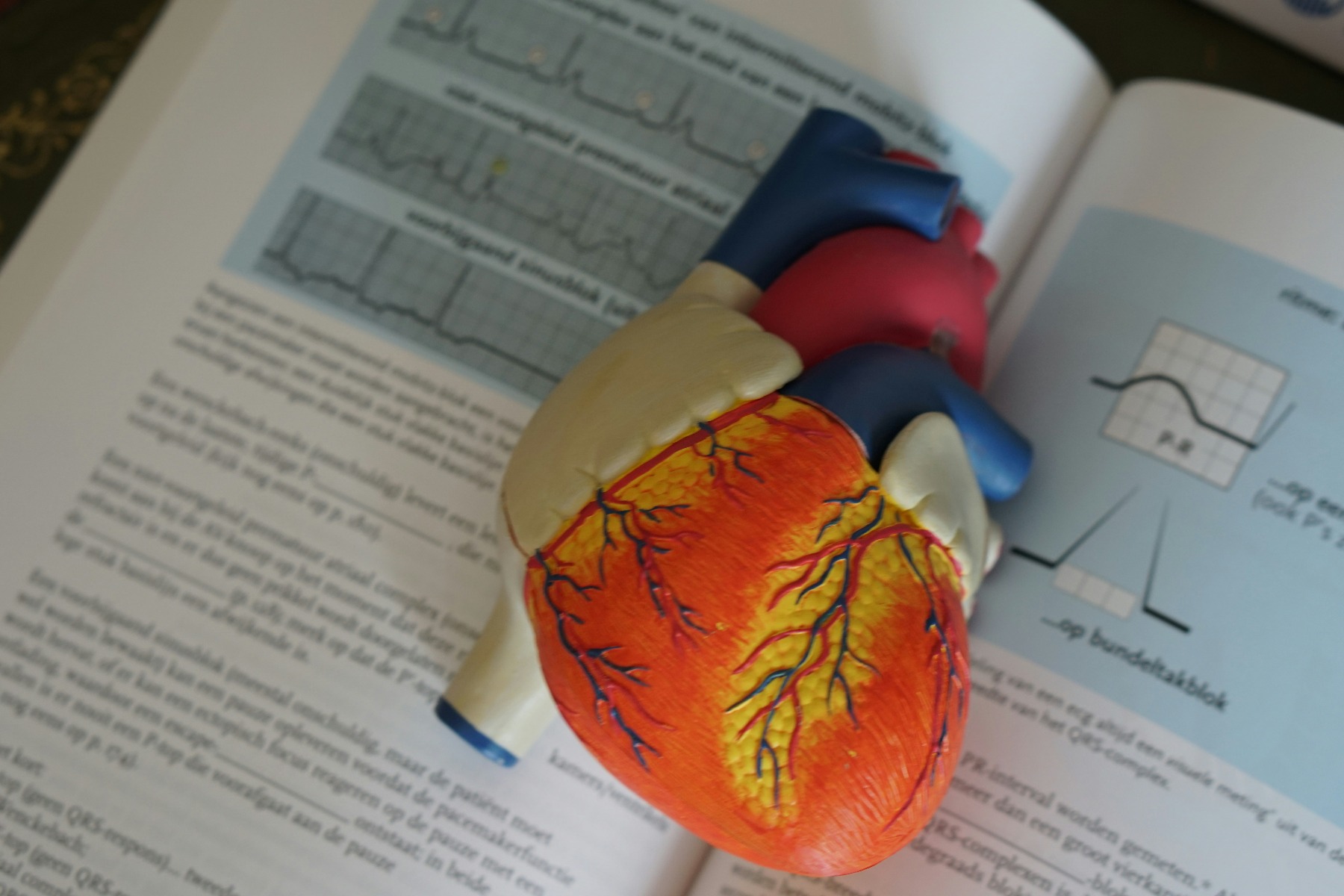
You don't need to diagnose – that's the physician's job – but you do need to recognize. Sinus bradycardia, atrial fibrillation (AFib), ventricular tachycardia (V-tach), and heart block all have distinct visual signatures. Being able to spot something that doesn't look right and escalate immediately is a core skill.
Artifact Identification and Troubleshooting
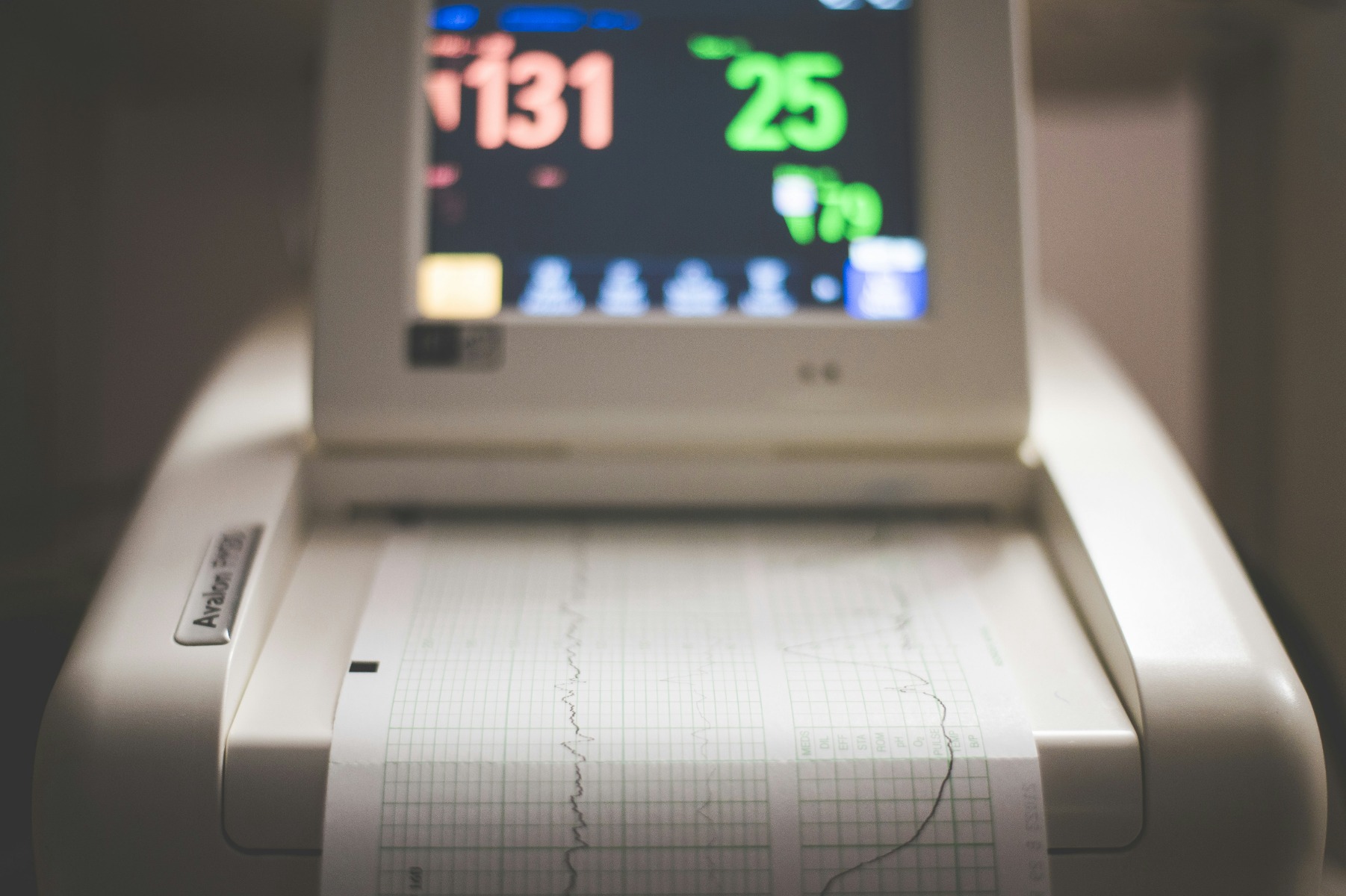
Sixty-cycle interference, somatic tremor from patient movement, and loose lead connections all produce noise in the tracing that can obscure real data. Knowing how to identify and eliminate artifacts is a skill that separates technicians who produce clean, usable data from those who generate rework for everyone else.
Equipment Maintenance and Quality Control
EKG machines require regular calibration checks. Understanding what a properly calibrated machine looks like versus one that needs servicing counts, particularly in outpatient and smaller clinic settings, where biomedical engineers aren't always minutes away.
Soft Skills for Patient Care

Communication Under Pressure
Patients getting EKGs are often scared. Some are in pain. Some just got told they might be having a cardiac event. The ability to explain what you're doing calmly, use plain language without being condescending, and project confidence without false reassurance is a skill set that takes conscious development.
"In cardiac monitoring environments, patient anxiety can itself affect readings – elevated heart rate, muscle tension, and erratic breathing all show up in the data. Managing patient comfort is a data quality issue."
– Dr Deborah Weatherspoon, RN, Healthcare Writer
Attention to Detail Without Rigidity
There's a difference between being meticulous and being inflexible. Good EKG techs notice small deviations from baseline and investigate them. However, they also adapt when a patient can't hold perfectly still or when a standard electrode placement doesn't work due to anatomy or prior surgery.
Communicating With the Clinical Team
EKG techs work inside interdisciplinary teams. Being able to communicate findings clearly to nurses and physicians (without overstepping scope or underreporting) is a professional skill that develops over time.
"The interpretation of the human heart's electrical signals will always require human judgment layered on top of the data. That judgment starts with the technician who captures the signal in the first place."
– Dr Eric Topol, Cardiologist and Founder of the Scripps Research Translational Institute
What EKG Employers are Looking For

Hospitals and cardiology practices use applicant tracking systems (ATS) that filter for credentialing keywords before a human ever sees a resume. Beyond credentials, hiring managers consistently flag these as differentiators:
- Experience with specific equipment brands (GE, Philips, and Mortara are common).
- Familiarity with electronic health record (EHR) systems, particularly Epic.
- Demonstrated reliability metrics from previous roles.
- Bilingual ability, particularly Spanish, in high-demand markets.
How Long Does It Take to Become an EKG Tech?
Realistically, eight to twelve weeks for a dedicated training program, plus exam preparation time. Some candidates are job-ready in under three months. That timeline assumes consistent study time and a program that's structured for efficient learning rather than padded to fill a semester.
The field rewards people who move with intention – pick a credible program (like Health Tech Academy’s), put in focused study time, and sit for your exam before momentum fades. Three months from now, you could be certified and competitive; or you could still be researching.
Frequently Asked Questions and Answers
Do I Need a Degree to Become an EKG Technician?
No. Most programs and certification exams require a high school diploma or equivalent. A dedicated short-term training program is the standard pathway into the field.
Is EKG Technician Certification the Same Everywhere?
No. The two main credentials – the NHA's CET and the CCI's CRAT – are nationally recognized, but employer preferences vary. Some hospital systems have specific credentialing requirements, so checking with target employers in your area before choosing a certification path is worth doing.
How Difficult is the EKG Certification Exam?
Moderate. Rhythm interpretation and lead placement are the sections where most candidates struggle. Structured preparation, including practice exams, improves pass rates considerably compared to self-study alone.
Can I Work While Studying for EKG Certification?
Yes, and most students do. Online programs with flexible scheduling are specifically designed for working adults. The eight-week format at Health Tech Academy, for example, is built around that reality.
What's the Difference Between an EKG Technician and a Cardiovascular Technologist?
Scope and education. Cardiovascular technologists typically hold a two-year associate degree and perform more advanced procedures, including cardiac catheterization and vascular ultrasounds. EKG technicians focus specifically on electrocardiography and cardiac monitoring. Many EKG techs use the role as a launching point into broader cardiovascular technology careers.
Is EKG Tech a Good Career Long-Term?
The BLS projects healthcare support occupations, including cardiovascular technicians, to grow at rates above the national average through the next decade. An aging population with higher rates of heart disease means sustained demand. The role also serves as a strong foundation for advancement into cardiac monitoring, stress testing, and Holter analysis specializations.