
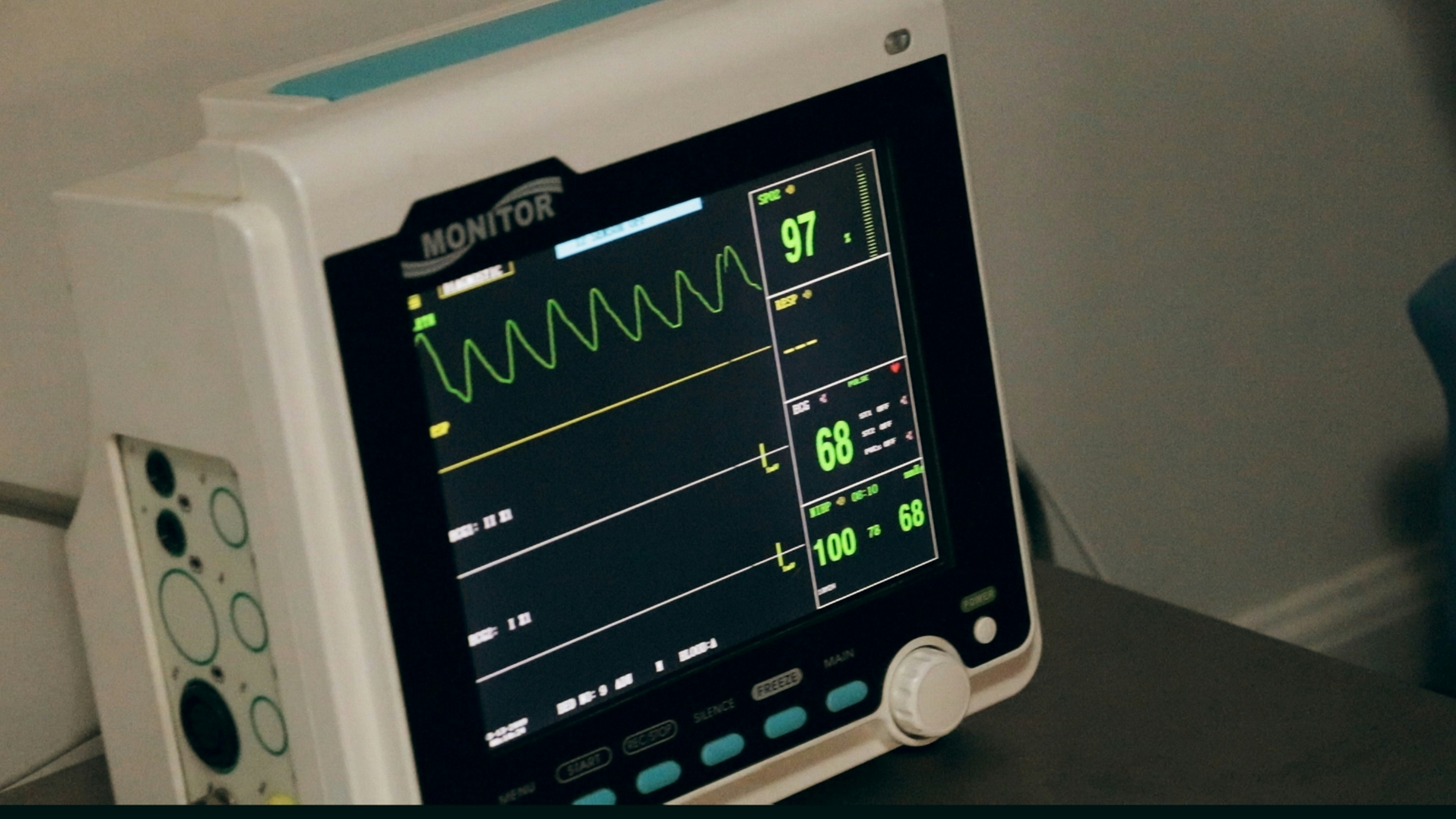
his isn't a career you stumble into, though. Where you work, what certifications you hold, and how strategically you move through the field will largely determine whether you plateau early or build something with real longevity.
The Ins and Outs of EKG Technician Employment
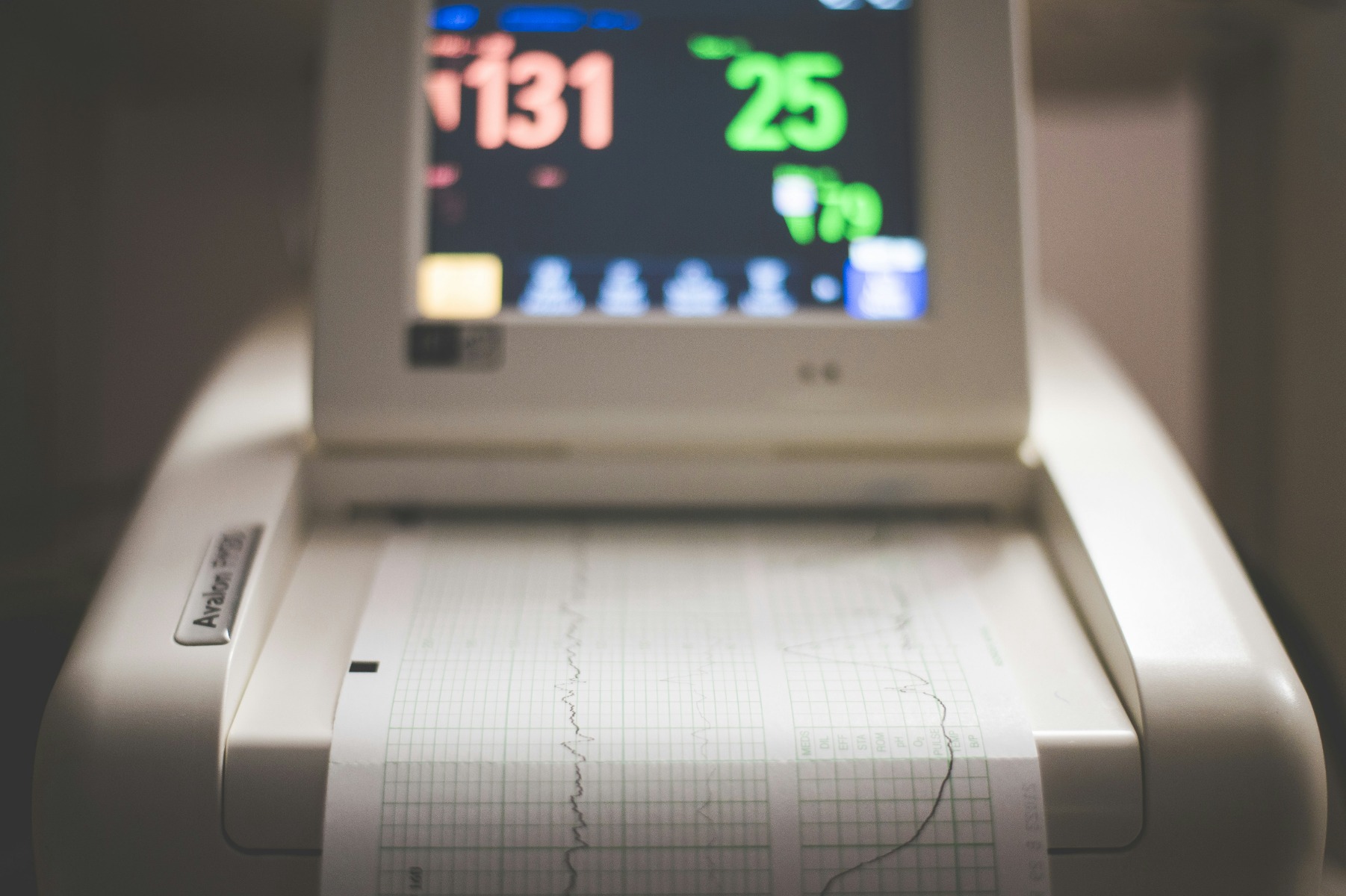
Electrocardiogram technician employment spans a wider range of settings. The default assumption is hospitals, and yes, hospitals do employ the bulk of EKG techs, but the field doesn't stop there.
- Hospital settings remain the largest employer, particularly in cardiology departments, intensive care units (ICUs), emergency departments, and pre-operative units. Here, techs often work in fast-paced environments where accuracy under pressure matters more than speed alone.
- Outpatient cardiology clinics and physician offices have grown significantly as healthcare delivery shifts away from inpatient models. These settings tend to offer more predictable hours and a patient population that's less acute, which appeals to techs who prefer consistency over adrenaline.
- Mobile cardiac telemetry companies represent one of the lesser-known corners of EKG employment. These organizations provide remote cardiac monitoring services, and they employ techs to review and transmit data – sometimes remotely, which has opened up work-from-home opportunities that didn't exist a decade ago.
- Long-term care facilities and rehabilitation centers also hire EKG techs, especially as the aging population drives increased cardiac monitoring needs in non-acute settings. Staffing agencies and per-diem work round out the picture for those who prefer flexibility over a fixed schedule.
According to the U.S. Bureau of Labor Statistics (BLS), cardiovascular technologists and technicians held about 57,000 jobs in 2022, with employment projected to grow 5% through 2032, roughly on par with the average for all occupations. That growth is being driven in part by the aging baby boomer population, which is entering peak years for cardiovascular disease.
What EKG Technicians Do Day to Day
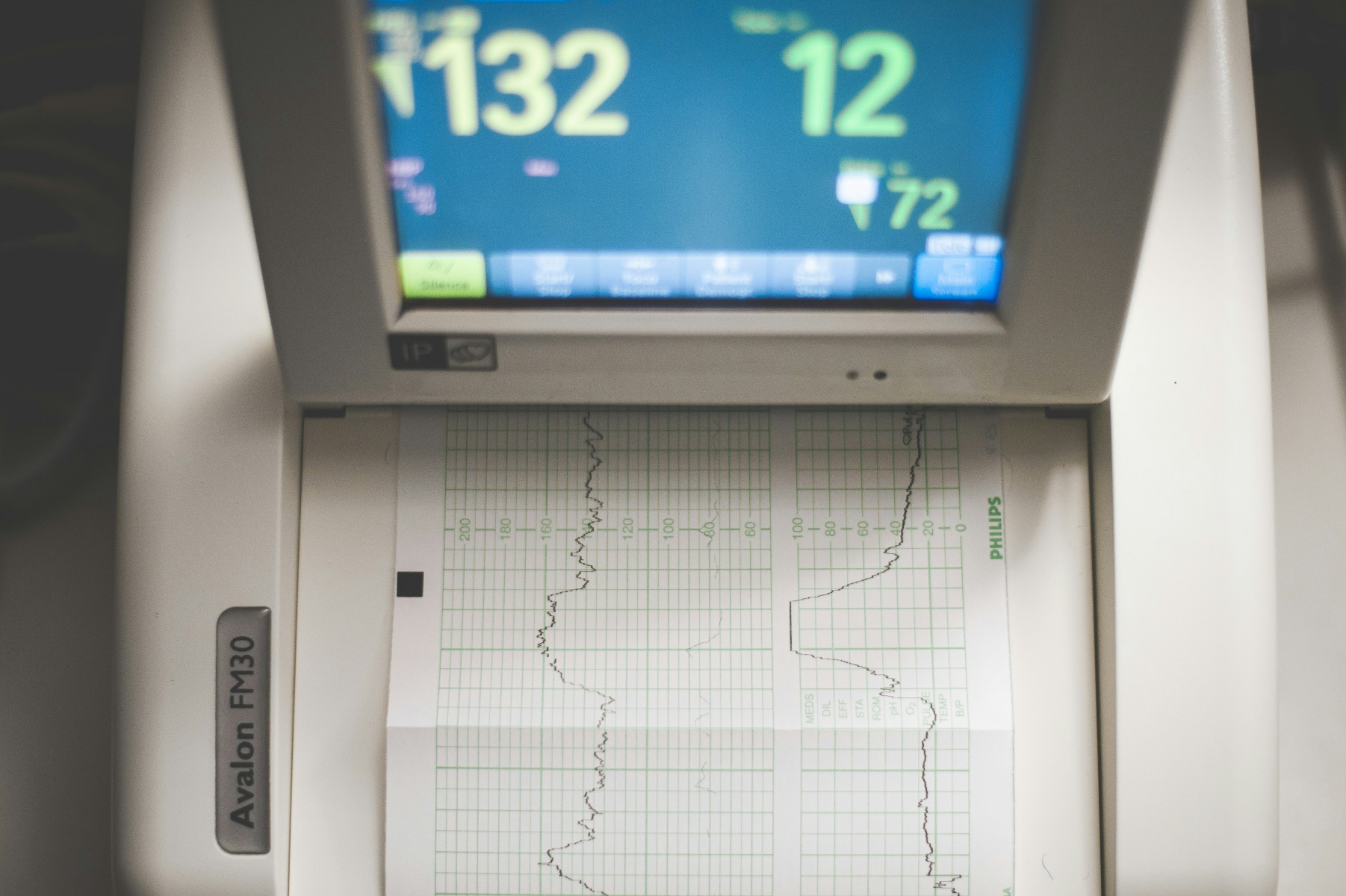
The core task is straightforward: attach electrodes to a patient's chest, limbs, and torso, run the test, and produce a clean tracing for a physician or cardiologist to interpret. But that description undersells the complexity of what good techs do.
Beyond the standard 12-lead EKG, many techs are trained in Holter monitor application and scanning – attaching 24- to 48-hour ambulatory monitors that patients wear home, then downloading and organizing the data for physician review. Stress testing support is another common responsibility, where techs monitor patients during exercise or pharmacologic stress protocols.
In some facilities, experienced techs assist with event monitoring, telemetry monitoring, and even support for cardiac catheterization labs, though those roles typically require additional training.
The interpersonal side of the job is underrated. Patients being prepped for cardiac testing are often anxious. A tech who can explain what's happening, manage patient comfort, and get a clean artifact-free tracing on the first attempt is valuable – and that skill set takes time to develop.
EKG Tech Certifications and Qualifications
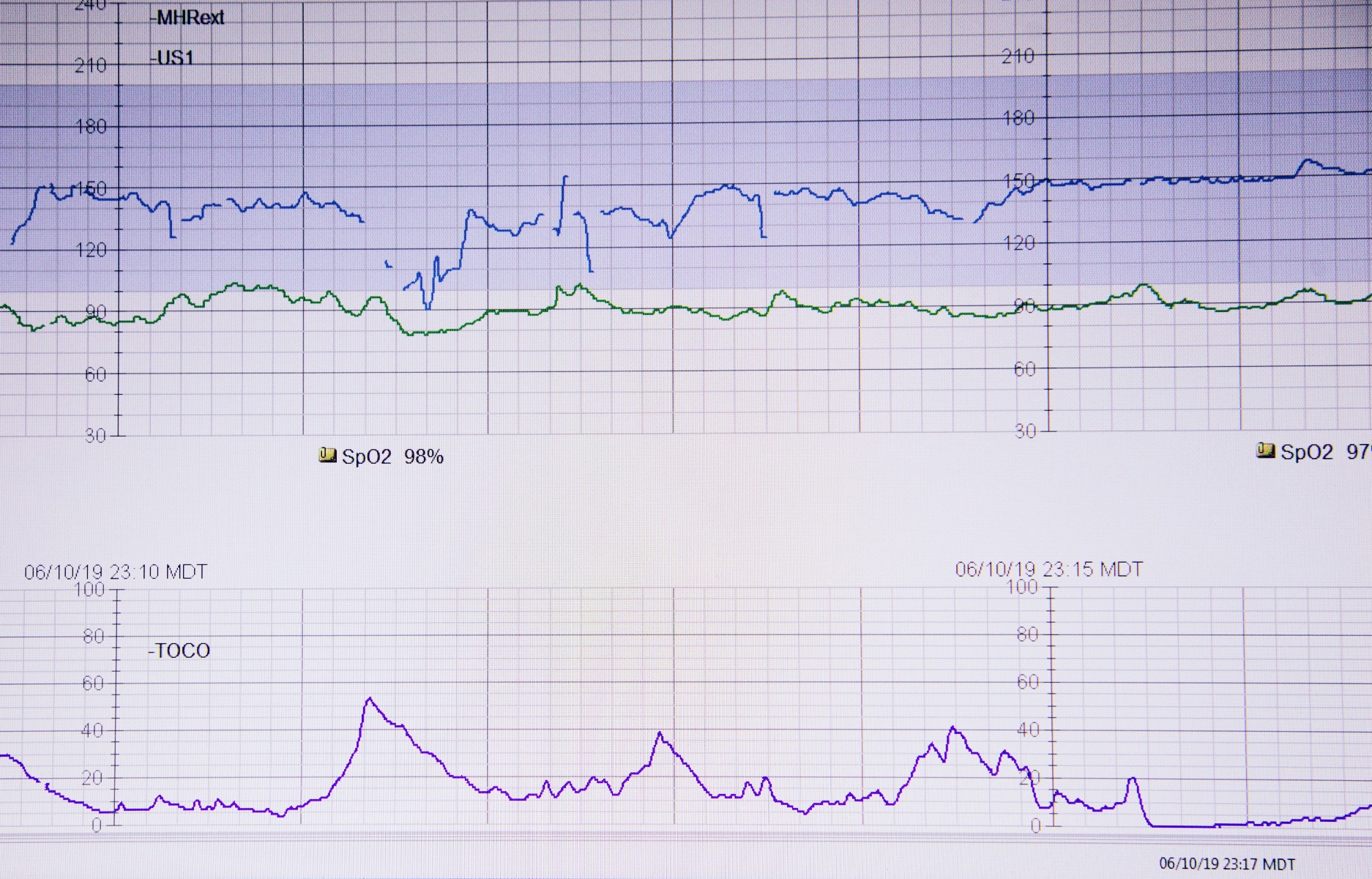
Entry into EKG technician employment doesn't require a degree, but it does require demonstrated competency.
The Certified EKG Technician (CET) credential from the National Healthcareer Association (NHA) is among the most widely recognized entry-level certifications. The Certified Cardiographic Technician (CCT) from Cardiovascular Credentialing International (CCI) is considered a step up and is often required for hospital-based positions or roles with expanded responsibilities.
Employers also increasingly look for:
- Basic Life Support (BLS) certification – non-negotiable in most clinical settings.
- Holter scanning proficiency – frequently listed in job postings but rarely discussed in basic training programs.
- Electronic health record (EHR) familiarity – particularly with systems like Epic, Cerner, or similar platforms.
- Medical terminology fluency – not optional if you're working in a cardiology department
One thing worth knowing: a surprising number of EKG positions list "phlebotomy" as a preferred or required skill. Combined EKG/phlebotomy techs are in demand at outpatient clinics and smaller facilities that want multi-functional staff. If you're building a resume from scratch, that combination is worth considering early.
EKG Salary Ranges and What Influences Them

The BLS reported a median annual wage of approximately $61,750 for cardiovascular technologists and technicians in 2023. That figure covers a range – entry-level hospital EKG techs in lower cost-of-living areas may start closer to $35,000–$40,000, while experienced techs in major metro areas or specialized settings can exceed $70,000.
Geography matters considerably.
- States like California, New York, Massachusetts, and Washington consistently report higher wages for cardiovascular technicians.
- Shift differentials for evenings, nights, and weekends can add meaningfully to base pay in hospital settings.
Specialization is the clearest path to higher earnings. Techs who move into stress testing, Holter interpretation, or telemetry monitoring (and who hold advanced credentials like the CCT) typically see wages at the upper end of the range.
How to Advance in This Field

Advancement in EKG technician employment isn't automatic, and it doesn't happen just because you've been on the job for two years. The techs who move up tend to do a few things deliberately.
- Credential stacking is one of the most effective strategies. Starting with the CET and adding the CCT, BLS, and phlebotomy certification creates a profile that's hard for employers to ignore. Some techs go further and pursue the Registered Cardiovascular Invasive Specialist (RCIS) credential, which opens doors to cath lab roles with substantially higher pay.
- Internal mobility is underutilized. Hospital systems often have structured pathways for clinical staff to move into supervisory roles, training positions, or adjacent departments. EKG techs who express interest in those pathways are frequently considered for internal openings before external candidates.
- Further education is another route. Many EKG techs use the role as a launchpad for cardiovascular sonography, nursing, or other allied health programs. The clinical foundation and patient care experience carry weight in those applications.
If you're weighing whether to pursue formal training before entering the field, Health Tech Academy's 8-week online EKG Program offers a structured, focused path to certification-ready preparation – built for people who need to move efficiently without sacrificing the depth employers expect.
Hear From One of Our Students
What EKG Employers Are Looking For
Hiring managers and department supervisors often describe something different when asked directly.
"The technical skill is teachable, but the ability to recognize artifact, troubleshoot equipment issues in real time, and communicate findings appropriately – that's what separates competent techs from excellent ones."
– Dr Peter Ting, Cardiologist and Researcher
That observation aligns with what shows up in employer surveys. A 2021 workforce study from the American Society of Echocardiography found that soft skills – communication, professionalism, and adaptability – ranked as highly as technical proficiency when supervisors evaluated new hires.
Additionally, the American Heart Association's (AHA) workforce data has consistently pointed to a shortage of trained cardiovascular technicians relative to demand, particularly in rural and underserved areas. For job seekers, that supply-demand imbalance is a meaningful advantage.
"We are not producing cardiac technicians at a rate that matches the epidemiological curve of cardiovascular disease in the United States. The gap is widest in community hospitals and outpatient settings."
– Dr Sunita Mahtta, Cardiovascular Medicine Specialist
That structural shortage isn't going away. If anything, it strengthens the employment outlook for trained, credentialed EKG techs entering the market now.
Watch Our Podcast on HTA's Solutions to Workforce Shortages
Testing Your Readiness Before You Apply
One practical and underused step before pursuing an EKG Tech certification is taking a timed practice exam under realistic conditions. It surfaces weak spots before they show up on the credentialing test, and it calibrates your study time more effectively than reading through material passively.
Take Health Tech Academy's free EKG practice exam – it's a low-stakes way to benchmark where you stand before committing to a test date.
Get Certified, Trained, and EKG Employed
EKG technician employment is one of the more pragmatic entry points into healthcare – the training timeline is compressed, the demand is documented, and the ceiling is higher than the title suggests. But the techs who build durable careers in this field are the ones who treat it as a foundation rather than a finish line.
Stack the right credentials, seek out settings that offer clinical variety, and stay ahead of the specialization curve. The field rewards those who stay deliberate about where they're headed.
Frequently Asked Questions and Answers
What is the Typical Starting Salary for an EKG Technician?
Entry-level EKG technician salaries generally range from $35,000 to $45,000 annually, depending on geographic location, employment setting, and certifications held. Hospital-based positions, particularly in higher cost-of-living metro areas, tend to start at the higher end of that range.
How Long Does it Take to Become Certified EKG Technician?
Focused training programs can prepare candidates for the CET exam in as little as 8 to 12 weeks. The timeline depends on the format – accelerated online programs like Health Tech Academy's 8-week course move faster than community college semester-based options.
Is an EKG Technician Certification Required to Get Hired?
Technically, some employers will hire without certification and provide on-the-job training. In practice, credentialed candidates move through hiring faster and typically receive higher starting pay. Most job postings in hospital systems list certification as required or strongly preferred.
What is the Difference Between CET and CCT Certifications?
The CET is an entry-level credential from the NHA focused on standard EKG acquisition. The CCT from CCI is more advanced, covering Holter monitoring, stress testing support, and broader cardiovascular concepts. The CCT generally qualifies techs for expanded roles and higher compensation.
Can EKG Technicians Work from Home?
Yes, in specific roles. Mobile cardiac telemetry companies and remote cardiac monitoring services employ technicians to review and transmit data off-site. These positions typically require prior clinical experience and may have their own training requirements, but remote EKG work is a genuine segment of the market.
What are the Best States for EKG Technician Employment?
California, New York, Texas, Florida, and Massachusetts consistently rank among the top states for cardiovascular technician employment in terms of both job volume and compensation. However, rural and underserved states often have significant demand with less competition, which can be advantageous for new entrants.
What is the Career Path Beyond an EKG Technician?
Common advancement paths include cardiovascular stress technologist, Holter scanning specialist, cardiac monitor technician, and cardiovascular invasive specialist (cath lab tech). Some EKG techs also use the role as a stepping stone into nursing, cardiovascular sonography (echocardiography), or healthcare management.
```html