

Let's get into it.
The Texas Healthcare Landscape for EKG Techs

Texas is one of the fastest-growing healthcare markets in the country. It ranks among the top five states for healthcare employment, with over 1.7 million people working in the sector as of 2024, according to the Texas Workforce Commission.
Heart disease remains the leading cause of death in Texas, accounting for roughly 45,000 deaths annually per the Texas Department of State Health Services. That's a grim statistic, but it also means hospitals, outpatient clinics, cardiology practices, and urgent care centers across the state are continuously hiring people who can operate EKG equipment accurately and efficiently.
A significant portion of EKG tech job postings in Texas – particularly in outpatient and clinic settings – are filled by candidates without a four-year degree. Employers in these settings prioritize certification, hands-on competency, and reliability over academic credentials. That's a meaningful distinction when you're weighing your options.
What Entry-Level EKG Technician Roles Look Like

- You'll be performing 12-lead EKGs on patients who range from calm and cooperative to anxious and confused.
- You'll need to correctly place up to 10 electrodes on precise anatomical landmarks, recognize common artifacts (interference patterns that distort readings), and flag any tracings that look abnormal for a physician to review.
- In hospital settings, you may also assist with Holter monitor applications (portable devices patients wear for 24 to 48 hours) and stress testing, depending on your department.
- Some entry-level positions in larger Texas health systems like Houston Methodist or UT Southwestern Medical Center will rotate new techs through multiple cardiac diagnostic services.
Most errors made by new EKG techs are procedural (and sometimes related to burnout or fatigue). Misidentifying a patient, mislabeling a tracing, or failing to document a patient's reported symptoms before the test are the kinds of mistakes that experienced technicians say haunt new hires. Getting the clinical fundamentals right matters, but so does understanding hospital protocol and documentation standards from day one.
Average starting pay in Texas for EKG technicians sits between $18 and $23 per hour, with metropolitan areas like Dallas-Fort Worth, Houston, and Austin trending toward the higher end, according to data compiled by ZipRecruiter and Indeed.
Certifications to Consider for EKG Techs

Texas does not require EKG technicians to hold a state license. However, that doesn't mean credentials are optional. The market self-regulates through employer hiring standards, and those standards have gotten sharper.
The two most recognized certifications in the state are:
- Certified EKG Technician (CET) – offered through the National Healthcareer Association (NHA). This is widely considered the entry-level standard and is what most Texas employers list as a preferred or required qualification. The exam covers cardiac anatomy, rhythm interpretation, lead placement, and patient care protocols.
- Certified Cardiographic Technician (CCT) – offered through Cardiovascular Credentialing International (CCI). This credential carries more weight in hospital cardiology departments and is often the next step after a year or two of experience.
The NHA's CET exam has a national pass rate that fluctuates between 70% and 75%, meaning roughly one in four candidates fails on the first attempt. Preparation – particularly with practice exams and structured coursework – significantly improves those odds.
If you're looking for a structured path to certification that doesn't require you to leave your current job or commit to a two-year program, enroll in Health Tech Academy's 8-week online EKG Technician Program. It is built specifically for that gap and covers everything required for the CET exam. Our comprehensive program also includes clinical prep that goes beyond what most self-study guides offer.
Hear From One of Our Students
What Hiring Managers in Texas Cardiology Departments Look For

Many Texas cardiology hiring managers say the candidates who stand out are the ones who can demonstrate patient communication skills alongside technical ability.
"The quality of an EKG tracing depends entirely on the technician performing it. A poor-quality tracing can lead to misinterpretation, delayed diagnosis, or unnecessary follow-up procedures."
– Dr Dhanunjaya Lakkireddy, a Cardiac Electrophysiologist and Former President of the Heart Rhythm Society
When you interview for your first role, be ready to talk about how you minimize artifact, how you prepare anxious patients, and how you handle a situation where a tracing looks abnormal.
One more credential worth mentioning for Texas specifically is the Basic Life Support (BLS) certification through the American Heart Association (AHA). It is required by most Texas hospital systems before your first shift. If you don't have it, get it before you start applying. It's a half-day course, and not having it will hold up your hire date unnecessarily.
Navigating the Texas EKG Job Market
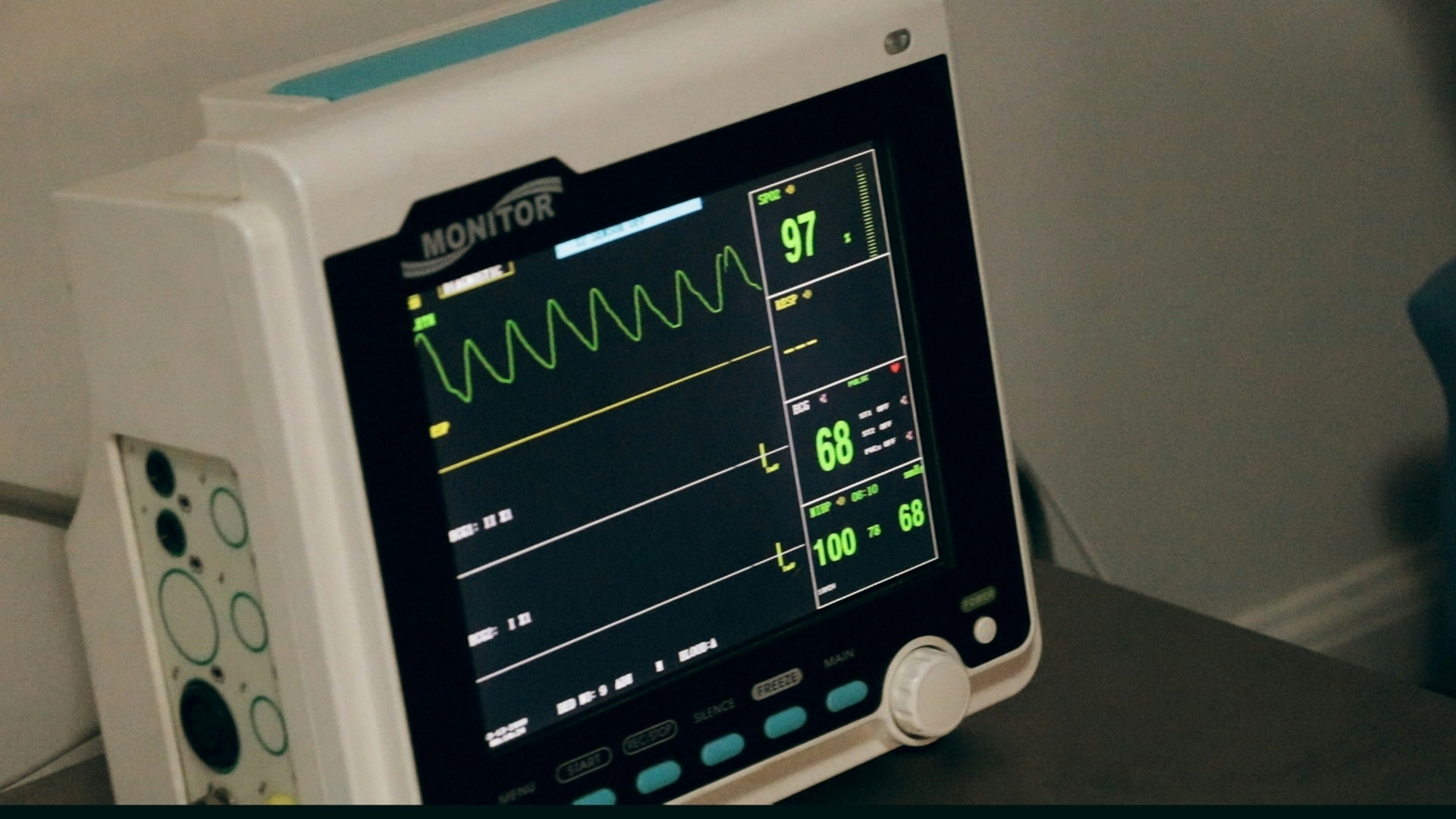
The bulk of EKG technician job postings in Texas cluster in the following areas:
- Houston: Anchored by the Texas Medical Center, the largest medical complex in the world, with over 60 institutions employing cardiac diagnostic staff.
- Dallas-Fort Worth: Strong demand across both hospital systems and the growing network of outpatient cardiology clinics.
- San Antonio: Military-affiliated healthcare systems (including Brooke Army Medical Center) create steady demand and often offer competitive benefits for entry-level techs.
- Austin: Hospital expansion is actively ongoing, with newer facilities building out their cardiac departments.
Rural and semi-rural Texas hospitals often struggle to fill EKG technician positions. They may offer relocation assistance, faster advancement timelines, and loan repayment support in exchange for a one- to two-year commitment. For someone just starting out, that can be a strategically smart trade.
Building EKG Tech Competency Before You're Hired

"The technicians who perform best in entry-level roles are those who have spent time understanding the patient experience and the clinical context around it."
– Linda Scaringe, Executive Director of the American Registry of Medical Assistants
That distinction matters when you're preparing. Studying for the CET exam gives you the knowledge base, but employers will assess your confidence in clinical scenarios during interviews. Understanding why a right bundle branch block looks the way it does on a 12-lead, or why a patient with poor skin contact produces artifact, is what separates someone who passed an exam from someone who's ready to practice.
Wondering if you're ready to sit for the CET certification? Take Health Tech Academy's free practice exam to benchmark your current knowledge and identify any gaps before you commit to the actual exam day.
EKG Technician Career Trajectory
Most EKG technicians don't stay in the same role indefinitely, and the field offers upward mobility. With two to three years of experience and additional credentialing, many techs move into:
- Holter/event monitor technician roles with higher pay.
- Stress test technician positions in cardiology practices.
- Cardiovascular technologist roles.
- EKG department lead or supervisory positions in larger hospitals.
The CCI's CCT credential is the most common next step after the CET, and many Texas employers will partially or fully reimburse the cost of continuing education and exam fees for staff who've demonstrated reliability in their first year.
That first year is less a finishing line and more a launching pad – show up prepared, stay consistent, and the field has a way of rewarding people who take it seriously.
Frequently Asked Questions and Answers
Do I Need a Degree to Become an EKG Technician in Texas?
No. Texas does not require a degree for EKG technician positions. Most employers prioritize certification (particularly the CET credential) and demonstrated clinical competency over academic credentials. Certificate programs and employer-sponsored training are the most common pathways.
How Long Does it Take to Become Certified?
Training programs typically run 12 weeks, depending on the format. The NHA's CET exam can be scheduled independently once you meet eligibility requirements. Health Tech Academy's program is structured as an 8-week online course designed specifically to prepare candidates for the exam and entry-level employment.
What Does the CET Exam Cover?
The exam includes cardiac anatomy and physiology, EKG lead placement, rhythm recognition, artifact identification, and patient care protocols. The NHA provides a detailed content outline, and structured coursework will cover all major domains.
Is the Job Physically Demanding?
Moderately. You'll be on your feet for most of a shift, frequently repositioning patients and moving between rooms or floors. In hospital settings, some lifting and patient assistance may be required. It's less physically demanding than nursing but more so than most administrative healthcare roles.
What's the Difference Between a CET and a CCT?
The CET (Certified EKG Technician) is the entry-level credential offered by the NHA and is the standard requirement for most first-time positions. The CCT (Certified Cardiographic Technician) is offered by the CCI and is a more advanced credential typically pursued after gaining clinical experience. Both are recognized by Texas employers, but the CET is the appropriate starting point for most candidates.
Can I Complete EKG Technician Training Online?
Yes. Online programs have become widely accepted. Many Texas employers no longer distinguish between in-person and online training when reviewing applications – provided the program includes clinical preparation and leads to a recognized certification (which Health Tech Academy does).