

Anyone considering this career path needs to understand what they're signing up for. The hours can be brutal, the pace relentless, and the consequences of mistakes catastrophic. But for those who thrive in high-pressure environments and want stable employment with a genuine purpose, sterile processing offers the certainty that your work directly saves lives.
Let's explore deeper into sterile processing shift structures and workload expectations to understand how these patterns determine everything from your paycheck to your sleep schedule.
The Sterile Processing Three-Shift System that Runs Healthcare
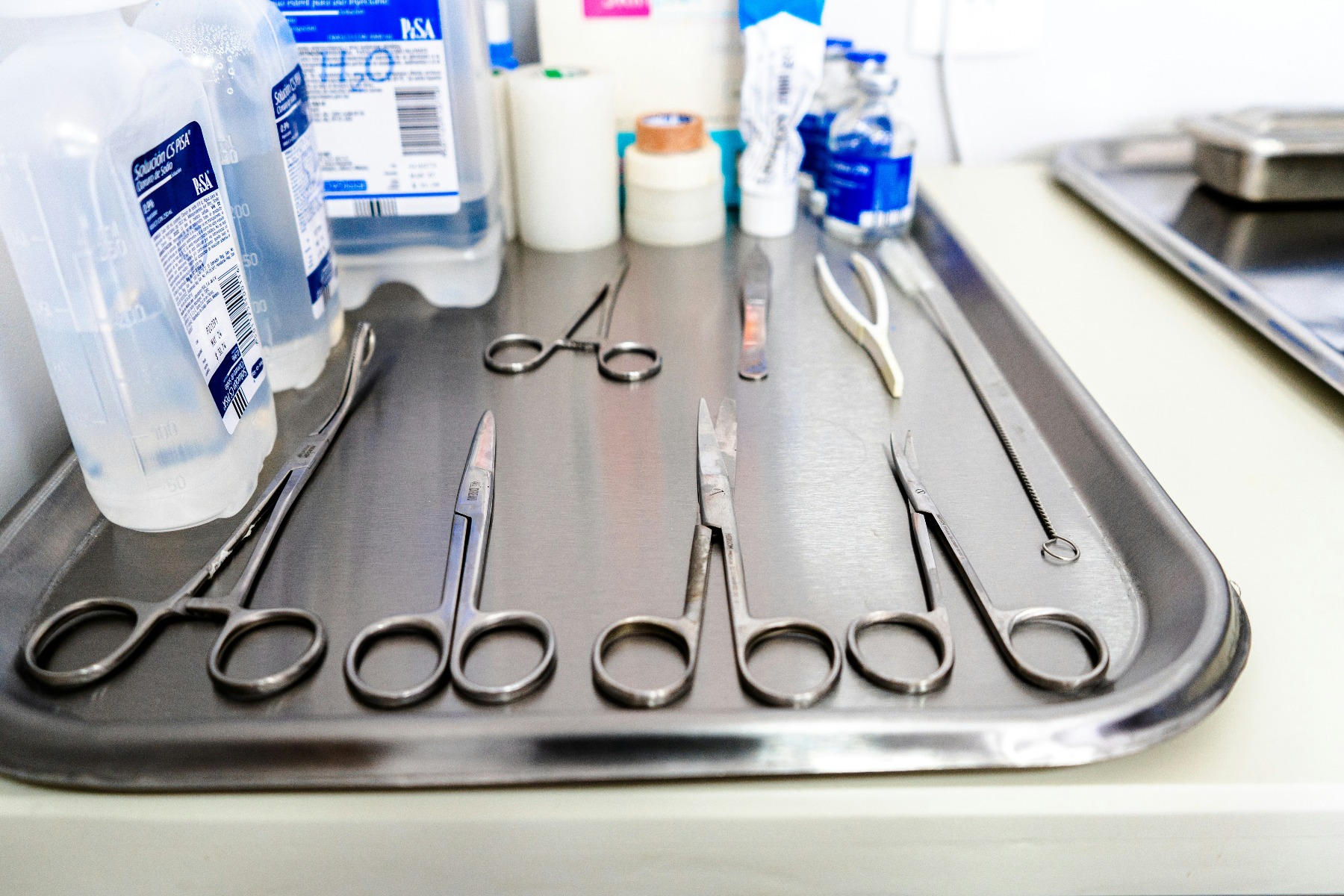
Most sterile processing departments operate on rotating eight-hour or twelve-hour shifts spanning 24/7 coverage. The typical breakdown includes day shifts (7 AM to 3 PM or 7 AM to 7 PM), evening shifts (3 PM to 11 PM or 3 PM to 3 AM), and night shifts (11 PM to 7 AM or 7 PM to 7 AM). These aren't arbitrary time blocks as they align with surgical schedules, emergency department patterns, and the reality that contaminated instruments don't take breaks.
Day Shifts Handle the Morning Surgical Rush
- Operating rooms start cases early, and instruments from those procedures flood the decontamination area by mid-morning.
- This shift processes the highest volume of routine cases and scheduled surgeries.
- Technicians on days often face assembly-line conditions during peak hours, with instrument trays stacking up faster than they can be cleaned, inspected, and reassembled.
Evening Shifts Inherit the Overflow from Day Operations
- According to data from the Healthcare Sterile Processing Association, evening crews typically process 60-70% of the volume that day shifts handle, but with fewer staff members.
- This creates a workload-to-worker ratio that exceeds day shift intensity.
- Evening teams also prepare instrument sets for the next morning's first cases, meaning their workflow extends beyond processing what came through today.
Night Shifts Present Their Own Beast
- Trauma doesn't schedule appointments, and emergency surgeries happen when they happen.
- Night technicians maintain readiness for sudden influxes while catching up on tasks that day and evening crews couldn't complete.
- A Level I trauma center might see quiet nights punctuated by explosions of activity when multiple accident victims arrive simultaneously.
How Facility Size Dictates Your Daily Grind
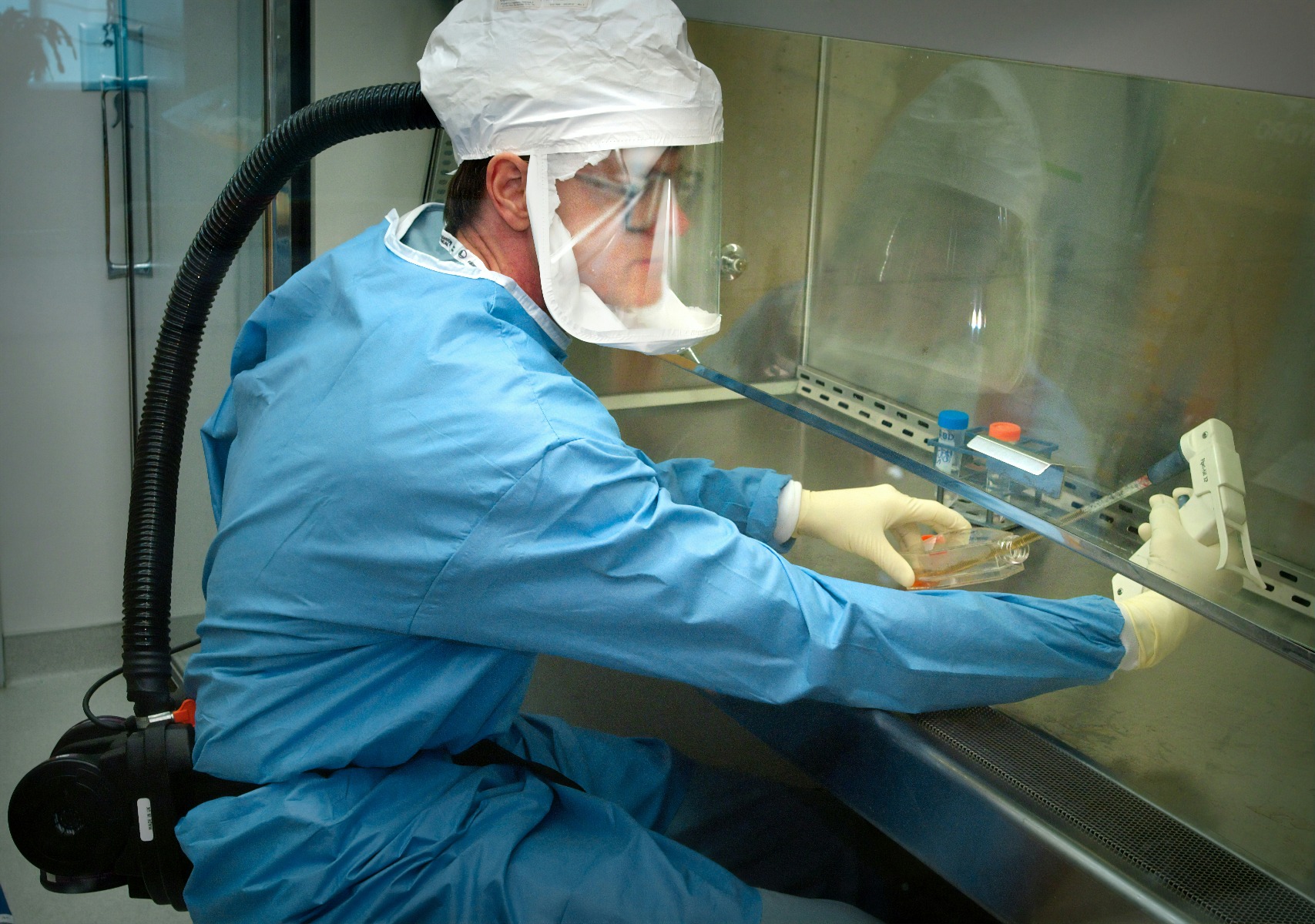
The workload difference between a small community hospital and a major medical center resembles comparing a food truck to an industrial kitchen. A 50-bed rural hospital might employ four to six sterile processing technicians total, with each person wearing multiple hats and processing 30-50 instrument trays daily.
Compare that to a 500-bed academic medical center running 20+ operating rooms, where departments employ 40-60 technicians and process upward of 400 trays per day.
At smaller facilities, technicians often know every surgeon's preference and can predict instrument needs based on the weekly schedule.
“In smaller hospitals, sterile processing staff often develop close relationships with the surgical team. They're integral members of the perioperative team who understand the specific needs of each surgeon and procedure.”
– Dr Susan Klacik, Executive Director of the Certification Board for Sterile Processing
Larger facilities segment the department into specialized zones. Some technicians only work on decontamination, others focus exclusively on assembly, and specialized teams handle scope reprocessing or instrument tracking. This specialization creates efficiency but removes the variety that makes small-hospital work engaging for some people.
Sterile Processing Case Volume Fluctuations
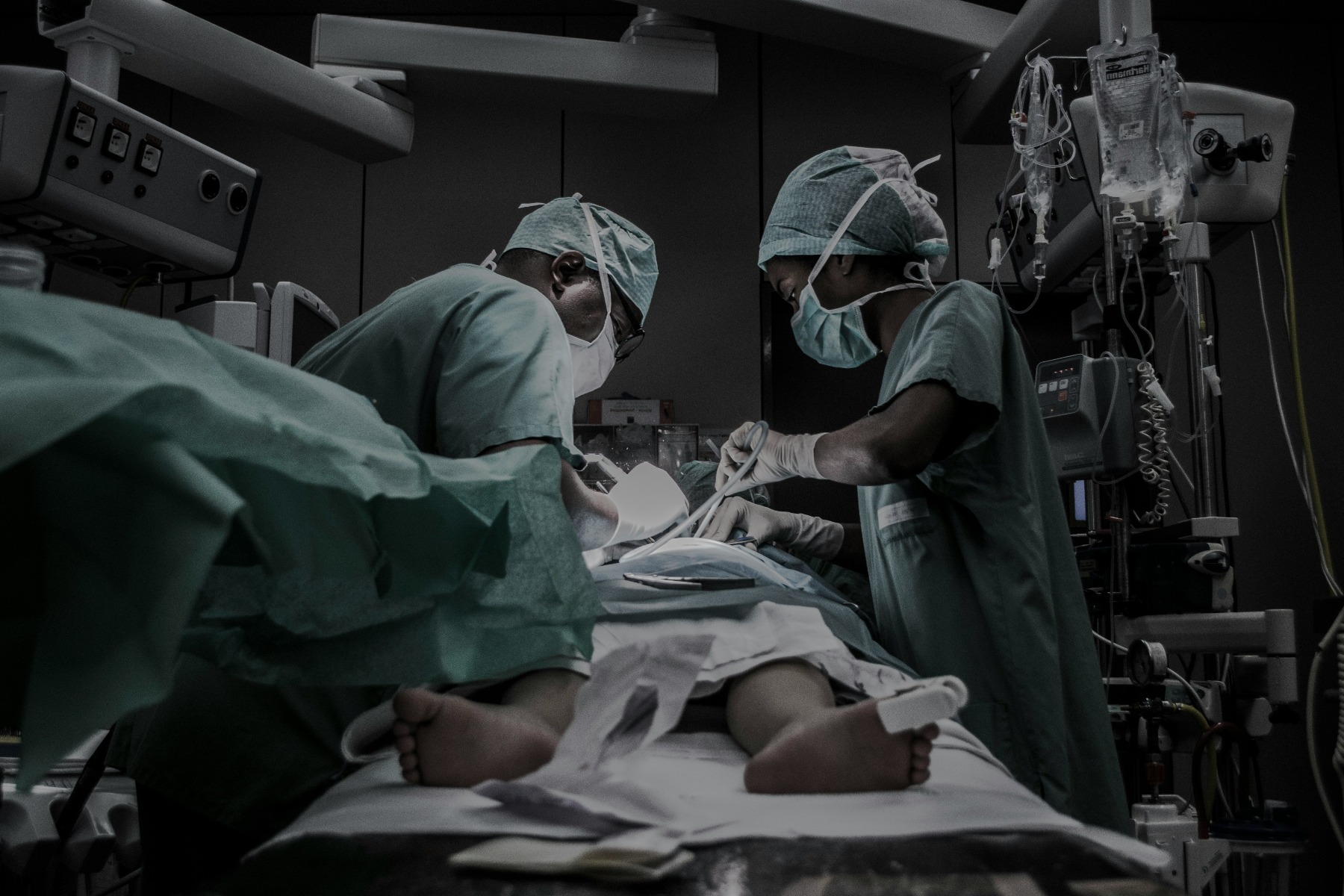
Surgical volume isn't consistent. Mondays and Tuesdays typically see the highest caseloads as elective surgeries scheduled for the week kick off. Wednesdays maintain steady volume, while Thursdays and Fridays taper off as fewer patients want to spend their weekends recovering. This creates predictable workflow patterns that technicians learn to anticipate.
Then there's seasonal variation that new technicians are often unaware of:
- January through March represents peak surgical season at many facilities.
- Patients with new insurance coverage rush to schedule procedures, and people want to use their benefits before annual deductibles reset.
- Conversely, late November through December slows considerably as people postpone elective procedures to avoid recovering during holidays.
Emergency cases throw all predictions out the window. A mass casualty incident can bury a sterile processing department under instrument demands that exceed normal capacity by 300-400%. Hurricane seasons in coastal regions, ski season in mountain states, and motorcycle weather in warm climates all create predictable spikes in trauma volume that sterile processing must accommodate.
The Weekend and Holiday Situation

Most departments maintain full staffing on Saturdays to handle Friday's processing backlog and prepare for Monday's cases. Sundays typically run skeleton crews unless the facility performs scheduled weekend surgeries.
Holiday staffing follows similar patterns. Thanksgiving, Christmas, and New Year's Day usually operate with minimal crews, but someone's always there. Many departments rotate holiday coverage, requiring each technician to work two or three major holidays per year. But holiday pay rates typically run 1.5x to 2.5x regular wages, and you get compensatory days off.
Did you know that approximately 73% of sterile processing technicians work at least one weekend day per month, and 89% work at least two major holidays annually? These are baked into the job description.
The Sterile Processing Physical and Mental Toll of Shift Work

- Shift work carries documented health consequences that sterile processing techs experience firsthand.
- The American Journal of Industrial Medicine published research showing night shift workers face elevated risks for cardiovascular disease, metabolic disorders, and depression.
- Rotating between different shifts amplifies these risks by preventing circadian rhythm stabilization.
“Sterile processing professionals work under constant pressure, knowing that any mistake they make could potentially harm a patient. Combine that responsibility with irregular sleep patterns from rotating shifts, and you have a recipe for significant occupational stress. It's why professional development and proper training are so critical. They give technicians confidence in their skills even when they're exhausted.”
– Bruce T Barringer, President of IAHCSMM
The physical demands extend beyond shift timing. Technicians spend entire shifts on their feet, frequently lift heavy instrument trays (some weighing 25+ pounds), and work in environments alternating between hot, humid decontamination areas and climate-controlled assembly rooms. Repetitive motion injuries affect hands and wrists, while back problems plague those who don't maintain proper lifting techniques.
Barringer's point about proper training deserves emphasis. When you're working nights, fighting exhaustion, and processing instruments that will enter someone's sterile body cavity in a few hours, confidence in your training is survival.
Health Tech Academy's Sterile Processing Program builds that foundation through Certified Registered Central Service Technician (CRCST) certification preparation that covers the critical thinking skills you'll need when protocols meet real-world chaos.
Hear from One of Our Students
What Determines Workload Intensity
Three factors control how hard you'll work on any given shift:
- Scheduled surgical volume
- Emergency cases
- Staffing levels.
A fully staffed department handling scheduled cases operates smoothly with a predictable workflow. Remove one or two technicians due to call-offs, and the remaining staff scrambles to cover the gap.
Scope reprocessing adds another layer of complexity. Flexible endoscopes require meticulous manual cleaning followed by high-level disinfection or sterilization. These processes can't be rushed. A busy gastroenterology schedule can monopolize multiple technicians for entire shifts just keeping pace with scope turnover.
Moreover, instrument tray complexity varies wildly.
- A basic laceration repair tray might contain 15 instruments requiring 20 minutes to process.
- An orthopedic total joint replacement set could include 200+ pieces requiring two hours of assembly time, plus specialized implants needing individual attention.
Your workload is about the mix of simple versus complex trays.
Pay Differentials and Shift Premiums
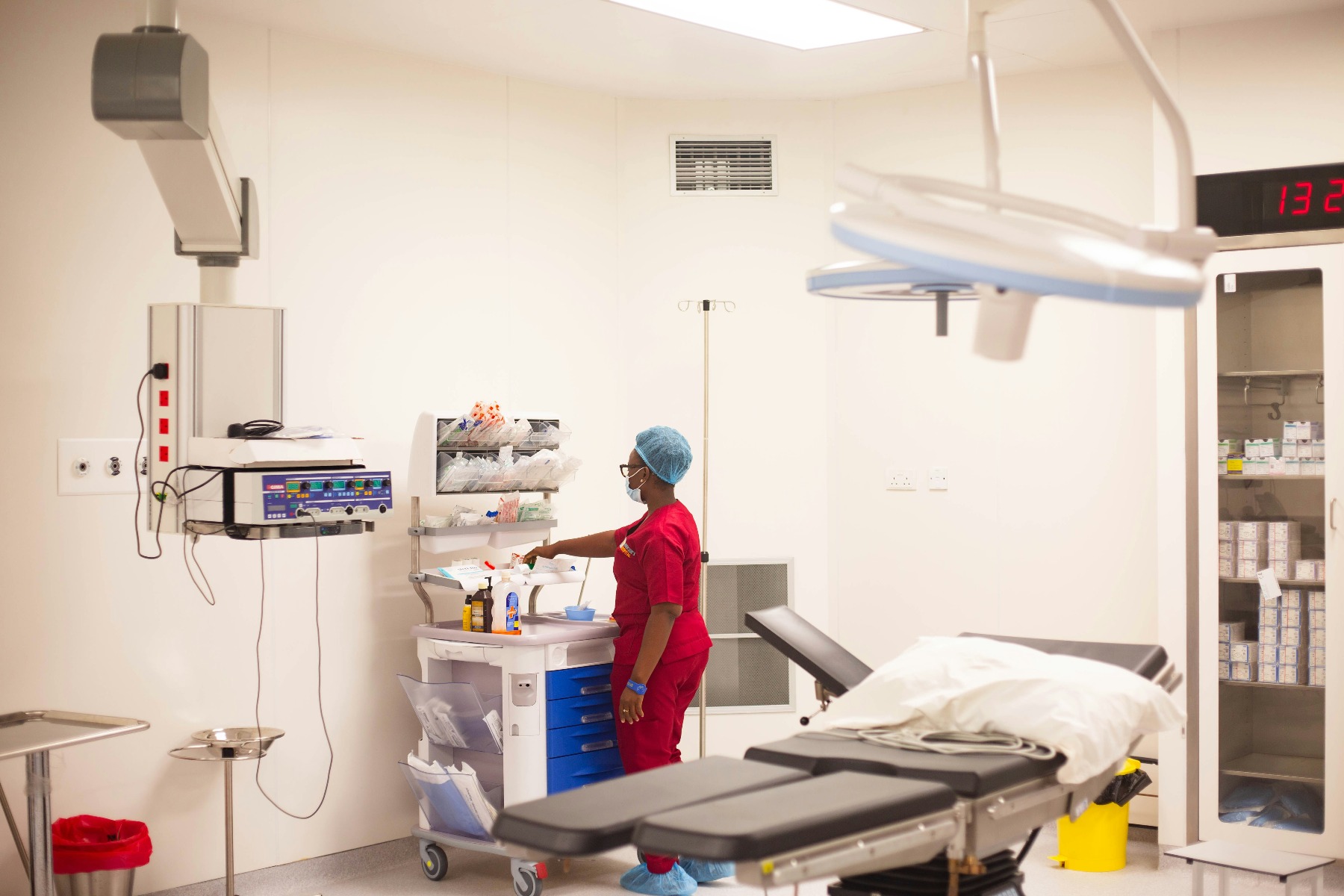
Evening shifts typically earn an additional $1-3 per hour above base pay. Night shifts command $2-5 hourly premiums. Weekend differentials add another $1-2 per hour on top of regular or shift pay.
These differentials accumulate. A technician earning $22/hour base pay who works permanent nights with weekend rotation might effectively earn $26-28/hour when accounting for all premiums. Over a year, that difference amounts to $8,000-12,000 in additional income, which is significant money for many households.
Sterile Processing Scheduling Preferences and Seniority

Most departments award shift preferences based on seniority and certification, meaning new technicians often get stuck with the least desirable schedules.
Prepare for the Sterile Processing CRCST Certification by taking our practice exam.
You'll likely start on evening or rotating shifts, working weekends and holidays until you accumulate enough time to bid for better assignments. This progression can take two to five years, depending on department size and turnover rates.
Some technicians prefer night shifts despite the health drawbacks. The quieter pace, reduced administrative oversight, and substantial pay differentials attract people who value autonomy and extra income over conventional schedules. Others specifically target evening shifts to accommodate childcare needs or second jobs.
Overtime Expectations and Burnout Risk

Mandatory overtime plagues understaffed departments. When emergencies hit or staff call out sick, remaining technicians often face forced overtime to maintain coverage. Some facilities cap mandatory overtime at four hours beyond scheduled shifts, while others have no limits during emergencies.
Chronic understaffing creates burnout cycles. Overworked technicians call out sick more frequently, which forces remaining staff into more overtime, which accelerates burnout, which causes more call-outs. Breaking these cycles requires either hiring more technicians (expensive) or reducing surgical volume (unrealistic).
Watch Our Video on HTA's Solutions to Workforce Shortage
Making the Shift Decision
Sterile processing isn't for everyone, and that's fine. The irregular hours, physical demands, and relentless pace weed out people who expect predictable schedules. But for those who stick it out, the career offers stability few fields can match. Hospitals will always need sterile processing technicians regardless of economic conditions or policy changes.
The shift differentials and overtime add up to compensation that exceeds expectations for a role with minimal prerequisites. More importantly, every instrument you process correctly represents a patient who won't develop a post-surgical infection. Every tray you assemble gives a surgeon the tools to save someone's life.
Go in expecting difficult hours, demanding physical work, and periods of intense stress. Expect weekends, holidays, and shifts that conflict with normal life. But you’ll find satisfaction in technical precision and attentive work that happens behind closed doors.
Frequently Asked Questions and Answers
What Shift Pays the Most in Sterile Processing?
Night shifts with weekend rotation earn the highest hourly rates due to stacked differentials. A night shift technician working weekends can earn $4-7 more per hour than day shift colleagues, translating to $8,000-14,000 additional annual income.
Can I Work Part-Time as a Sterile Processing Technician?
Many hospitals offer part-time positions, typically requiring 20-30 hours weekly with weekend and holiday obligations. Part-time roles may lack benefits like health insurance but provide scheduling flexibility.
How Often do Sterile Processing Schedules Change?
Most departments post schedules 2-4 weeks in advance. Schedule changes happen due to staff call-offs, surgical volume fluctuations, or emergency situations requiring additional coverage.
Do all Sterile Processing Jobs Require Rotating Shifts?
No. Larger facilities often have enough staff to offer permanent shift assignments. Smaller hospitals typically require all technicians to rotate through different shifts to maintain 24/7 coverage.
What's the Typical Staff-to-Workload Ratio in Sterile Processing?
Industry standards suggest one technician per 30-40 instrument trays during normal operations, though this varies by tray complexity and facility resources. Many departments operate below ideal ratios during staff shortages.
Can Sterile Processing Technicians Choose Their Shifts?
Shift selection usually depends on seniority and certification. New technicians work assigned schedules until gaining enough seniority to bid for preferred shifts during annual or semi-annual shift selections.
How does Emergency Surgery Volume Affect Scheduled Shifts?
Emergency cases create unpredictable workload spikes requiring rapid response. Evening and night shifts bear the brunt of trauma surges, though day shifts process the resulting instrument backlog.