According to the Bureau of Labor Statistics, employment for sterile processing technicians is projected to grow 9% through 2031 – faster than average for all occupations. That growth, combined with nationwide shortages in healthcare support roles, has created a surge in online training programs.
The online portion gets you maybe 70% of the way there. The rest? That happens in person, with instruments, sterilizers, and oversight.
Let's break down what's legitimately possible through remote learning and where you'll need to show up in scrubs.
What You Can Complete from Your Couch
The theoretical foundation of sterile processing – anatomy, microbiology, decontamination principles, sterilization methods, and infection control protocols – translates well to online formats. Quality programs deliver this content through video lectures, interactive modules, virtual simulations, and discussion boards that connect you with instructors and classmates.
- You'll learn the difference between high-level disinfection and sterilization.
- You'll memorize the Spaulding classification system until you can recite it in your sleep.
- You'll understand why ethylene oxide sterilization requires specific aeration times and why skipping steps is potentially deadly.
Health Tech Academy's Sterile Processing Program structures its online curriculum around the Certification Board for Sterile Processing and Distribution (CBSPD) requirements, specifically preparing students for the CRCST (Certified Registered Central Service Technician) exam.
The coursework covers everything from instrument identification to quality assurance protocols, all designed to be completed at your own pace.
Many people entering this field are career changers, parents, or working adults who can't drop everything for a traditional classroom schedule. Online education makes the transition possible without torching your current income.
Where Online Learning Hits a Wall
Sterile processing is a fundamentally hands-on profession.
“You cannot learn psychomotor skills through a computer screen. Sterile processing requires muscle memory, tactile feedback, and the ability to troubleshoot equipment in real-time.”
– Dr Nancy Chobin, RN, CSPM, and Educator in the Field
Most accredited programs require between 120-400 hours of clinical experience, depending on your state and the certifying body's requirements. During these rotations, you'll work in a sterile processing department, usually in a hospital or ambulatory surgery center.
You'll spend time in the decontamination area – arguably the least glamorous part – where instruments arrive covered in biological debris, and you're responsible for making them safe to handle. You'll operate automated washers, ultrasonic cleaners, and washer-disinfectors. You'll learn why inspecting instruments under magnification is how you'll spot damage that could compromise a surgical procedure.
Surgical instrument sets contain dozens of pieces, each with specific placement requirements. Wrap them wrong, and you've compromised sterility. Include the wrong instrument, and you've potentially delayed a surgery. This kind of spatial reasoning and attention to detail doesn't develop through watching videos.
Then there's the sterilization area itself, where you'll operate autoclaves, monitor biological indicators, and learn to interpret sterilization failure. According to a 2022 survey by the Healthcare Sterile Processing Association, 43% of new technicians reported feeling underprepared for troubleshooting sterilization equipment failures. This is a skill gap that only resolves through direct experience.
The Sterile Processing Certification Question Everyone Asks
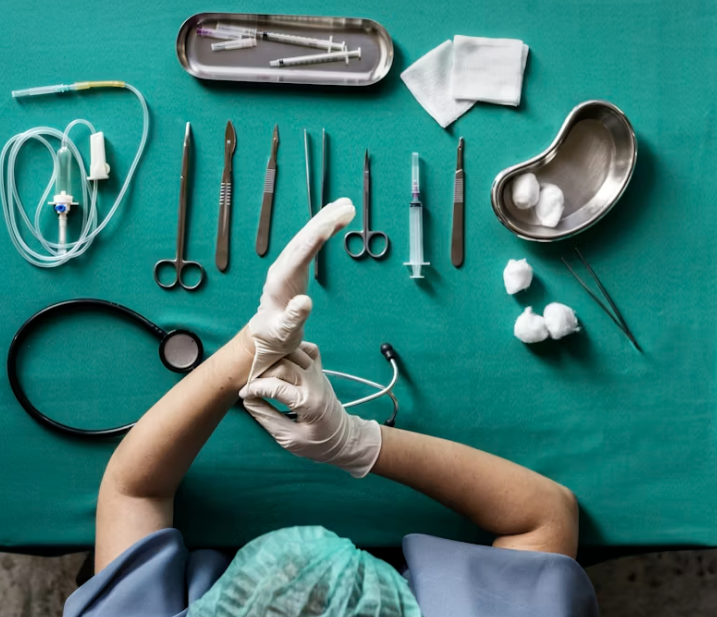
The CRCST certification from CBSPD is the industry standard, and yes, you can prepare for it largely online. The certification exam itself tests both knowledge and judgment that comes from practical application.
You'll face scenario-based questions like: "An emergency surgery is scheduled in 45 minutes. The specialized orthopedic set needs sterilization. What's your protocol?" The correct answer is understanding priority systems, communication chains, and backup procedures.
“The technicians who succeed are the ones who've had enough hands-on time to develop instincts about workflow, priority, and quality control.”
– William Seavers, CRCST, CSPDT, MBA, and Veteran in the Field
Before diving into the certification exam, try Health Tech Academy's free practice exam to gauge where you stand and what the certification tests.
Sterile Processing Clinical Requirements to Jot Down
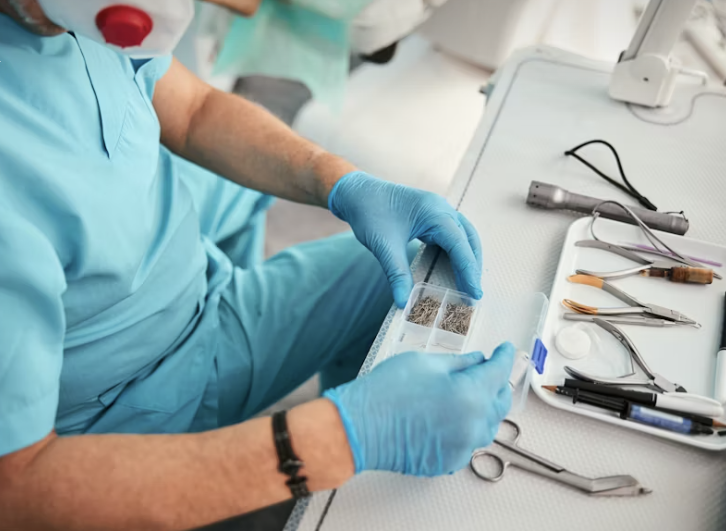
- Most states don't mandate licensure for sterile processing technicians (though New York and New Jersey are exceptions with specific requirements). However, facilities hiring SPTs almost universally prefer or require certification, which means meeting clinical hour requirements.
- CBSPD requires 400 hours of hands-on experience within the past five years or completion of an approved sterile processing program.
- You'll be evaluated on competencies like proper 'donning and doffing' of personal protective equipment, correct operation of sterilization equipment, accurate documentation, and adherence to safety protocols. Your clinical supervisor will track relevant skills – often 20-30 different competencies – before signing off on your completion.
- The clinical component usually spans several weeks, often requiring full-day shifts to simulate working conditions. You'll need to arrange transportation, childcare, and schedule availability just like any traditional program.
Hybrid Models: The Best of Both Worlds
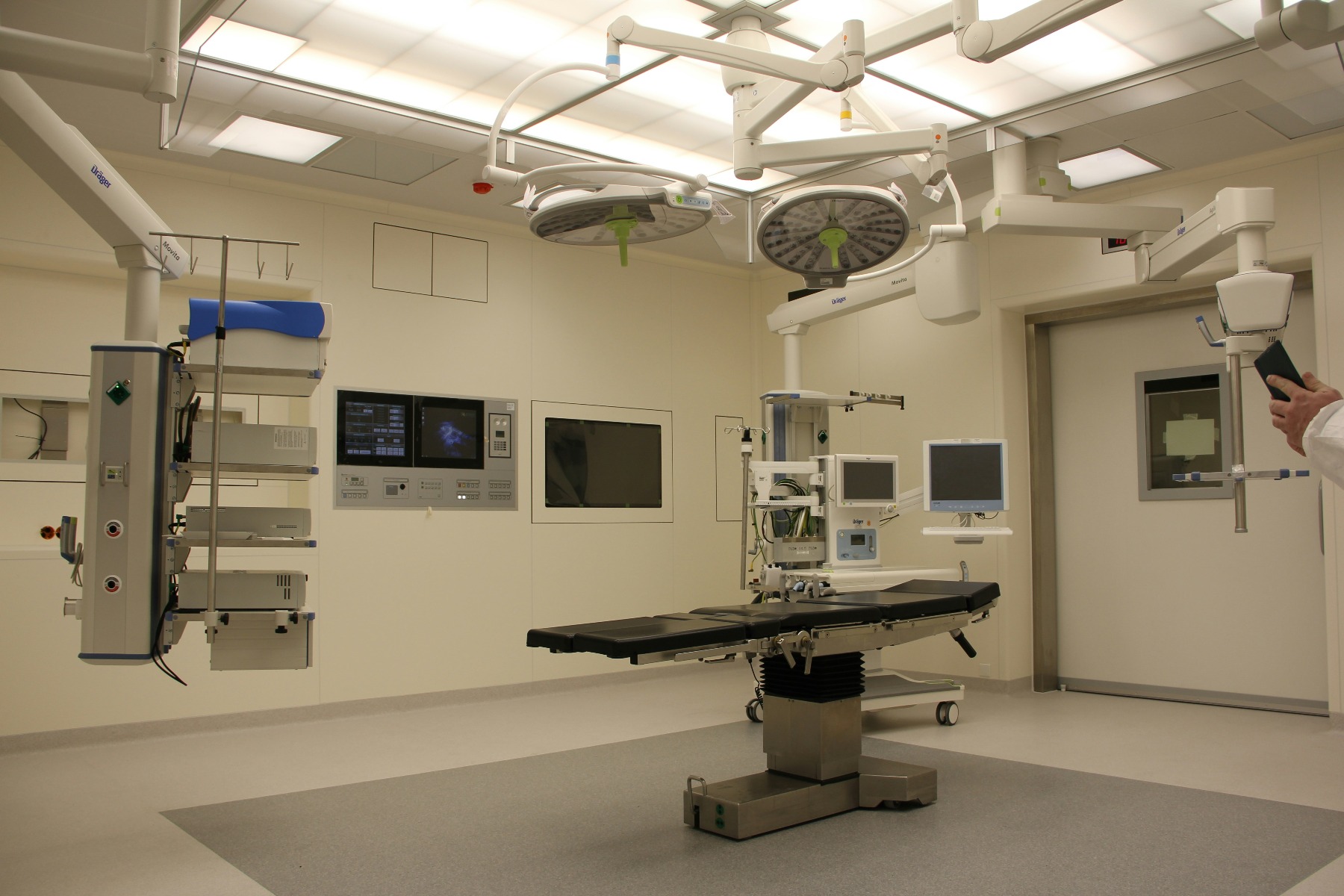
Some training approaches combine online didactic education with intensive, compressed clinical rotations. You might complete six months of online coursework, then do four weeks of full-time clinical hours.
You can maintain your current job while progressing through online modules, then take a month off for the practical component. It's more manageable than a year-long program requiring in-person attendance multiple days per week.
On the other hand, other programs like Health Tech Academy’s can be completed within 16 weeks.
Listen to One of Our Students
The Cost-Benefit Analysis
Online programs typically run between $2,900-$5,000, compared to $8,000-$19,000 for traditional technical school programs. The lower overhead of online delivery gets passed to students, making the field more accessible. Entry-level SPT positions average $36,000-$45,000 annually, with experienced technicians and those in specialized settings earning $50,000-$60,000 or more. The return on investment timeline is relatively quick compared to many healthcare careers requiring years of schooling.
Health Tech Academy vs Community and Online Colleges
| Feature | Health Tech Academy | Community College | Online Colleges |
|---|---|---|---|
| Program & Tuition Cost | $2,900 | $2,000 to $10,000/year | $8,000 to $19,000 per year |
| Books, Materials, & Fees | ✓ Included | + $500 to $2,000 | + $500 to $2,000 |
| Certification Exams & Fees | ✓ Included | + $200 to $500 | + $200 to $500 |
| Job Ready In | 4-6 months | 1 to 2 years | 6 months to 2 years |
| Clear Path to Certification | ✓ Yes | ✗ No | ✓ Yes |
| 1-on-1 Career Coaching | ✓ Yes | ✗ No | ✗ No |
| Schedule Flexibility | ✓ Yes | ✗ No | ✗ No |
| Travel Requirements | ✓ None | Required for in-person courses/labs | ✓ None |
| Job Placement Assistance | ✓ Yes |
✗ No | ✗ No |
Take it Online but Remain Hands-On
You can absolutely start your journey to becoming a sterile processing technician online, complete your education remotely, and prepare for the certification without stepping into a classroom. But you cannot skip the hands-on component.
Online education provides access, flexibility, and cost savings while maintaining educational rigor. But the moment you step into that decontamination room for your first clinical shift, surrounded by instruments you've only seen in videos, you'll understand why practical hours are non-negotiable.
The healthcare industry needs qualified sterile processing technicians. Online education has made entering the field more accessible than ever. Just remember that the screen time prepares you, but the ‘scrubs-and-gloves' time qualifies you.
Frequently Asked Questions and Answers
How Long Does it Take to Become a Sterile Processing Tech Online?
Most online programs range from 4-8 months, depending on your pace through the didactic material and the structure of clinical requirements. Self-paced programs offer the most flexibility but require discipline to complete in a reasonable timeframe.
Do I Need a College Degree to Enroll in an Online SPT Program?
No. Most programs require only a high school diploma or GED. Some prefer basic healthcare experience, but it's not mandatory.
Can I Take the CRCST Exam Online?
The exam is offered at testing centers, not from home. However, all your exam preparation can be completed online through approved programs.
What's the Passing Rate for the CRCST Exam?
CBSPD reports a 70% first-time pass rate. Programs with integrated clinical training and focused test prep typically see higher success rates among their graduates.
Will Hospitals Hire Me if I Only Completed an Online Program?
If the online program includes the required clinical hours and leads to CRCST certification then “yes.” The online delivery of didactic content doesn't concern employers if you've completed tangible training and passed the certification.
What States Require Licensure for Sterile Processing Technicians?
Currently, only New York and New Jersey have state-specific licensure requirements. However, many facilities in other states require certification regardless of state law.