
The Heart of Healthcare: Where Sterile Processing Happens
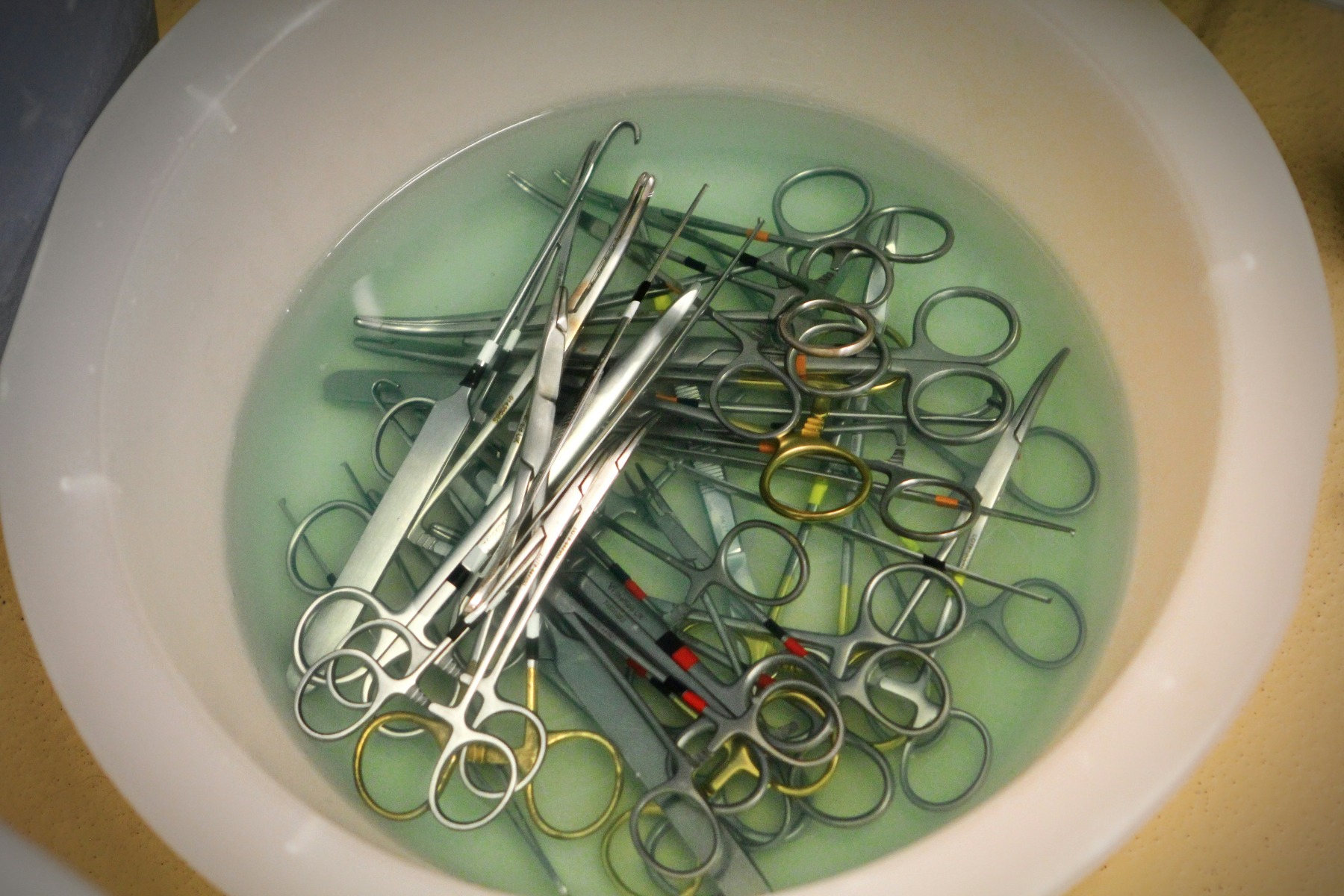
Sterile processing departments (SPDs) exist wherever reusable surgical instruments need cleaning, sterilizing, and preparing for their next life-saving performance. But not all SPDs are created equal. The pace, complexity, and daily rhythm shift dramatically depending on whether you're working in a bustling Level I trauma center, a specialized ambulatory surgery center, or a boutique specialty clinic.
“The most important thing for sterile processing or central sterile supply technicians to do in their field is the right thing every day for every patient every time and to remember that we do not have the luxury to dial it in.”
– Sharon Greene-Golden, Former President of the Healthcare Sterile Processing Association
That philosophy plays out differently depending on your work environment, and understanding these differences matters before you accept your first position.
Hospital SPDs: The Major Leagues of Sterile Processing
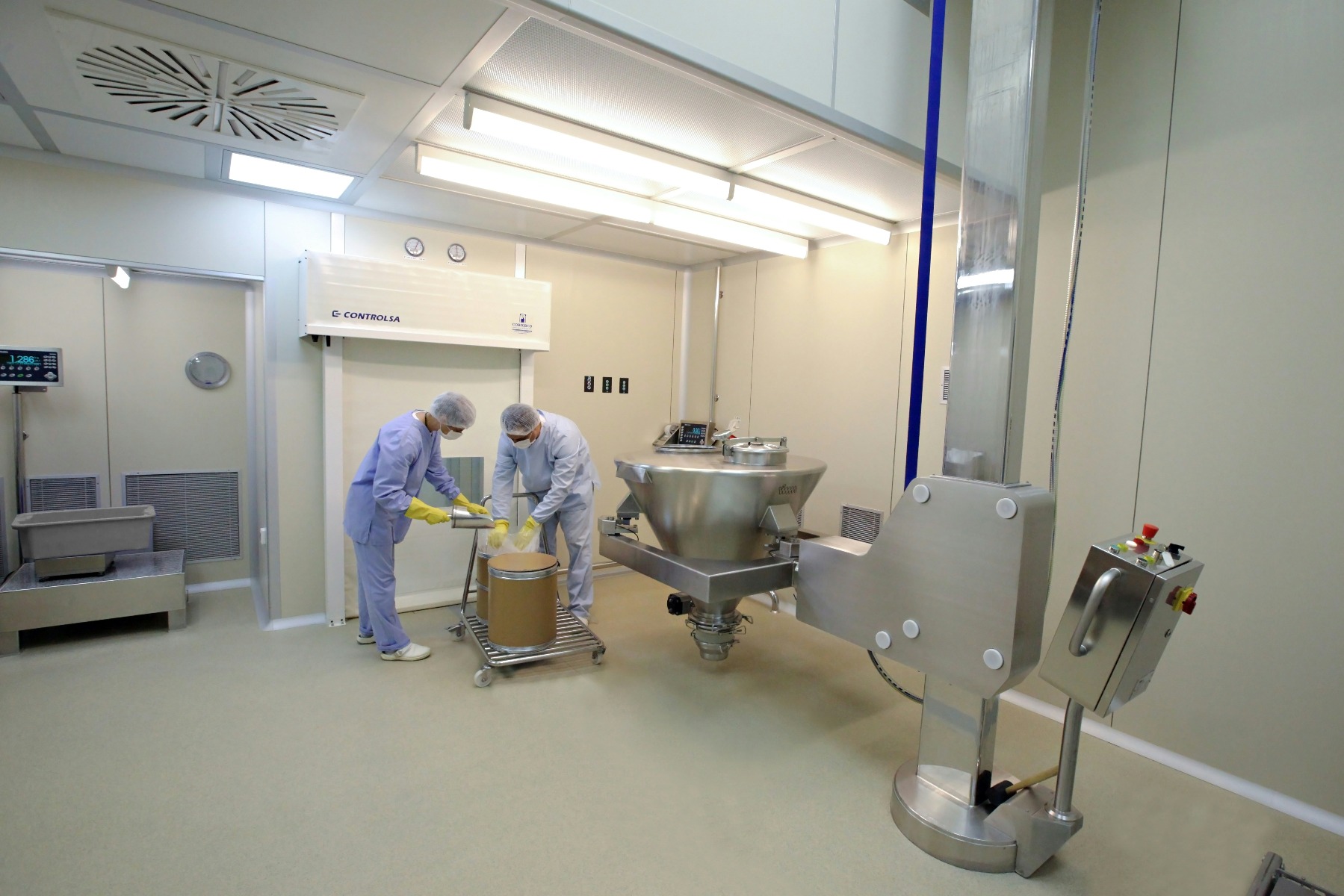
Hospital sterile processing departments process an average of 38,000 individual instruments monthly, according to industry data, with volumes swinging wildly based on surgical schedules and trauma demands. If you thrive on variety and unpredictability, this is your arena.
What Makes Hospital Work Unique
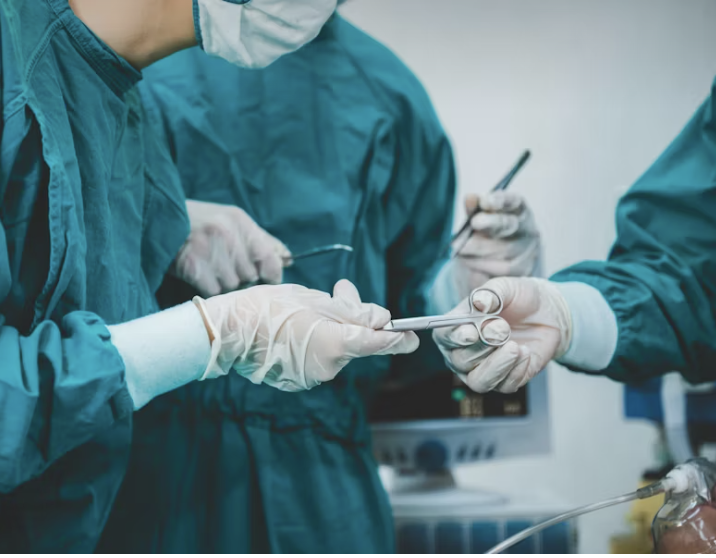
Hospital SPDs operate like air traffic control centers – 24/7 operations managing everything from routine gallbladder removals to emergency neurosurgery. You'll encounter instrument sets you've never seen before, vendor loaner trays that arrive at 4 PM for a 7 AM case, and the constant pressure of trauma cases that bypass the schedule entirely.
The workflow intensity in hospitals creates a unique career accelerator. You're exposed to dozens of surgical specialties, complex instrument sets, and every sterilization modality known to modern medicine. One day you're processing basic lap choles, the next you're assembling robotic-assisted surgical instruments for bariatric procedures.
Did you know that approximately 1 in 10 instrument trays delivered to operating rooms contain missing instruments, with another 1 in 20 harboring broken instruments? In hospital environments, catching these defects before they delay a $1,500-per-hour surgery becomes your daily checklist.
The Hospital Pace and Pressure
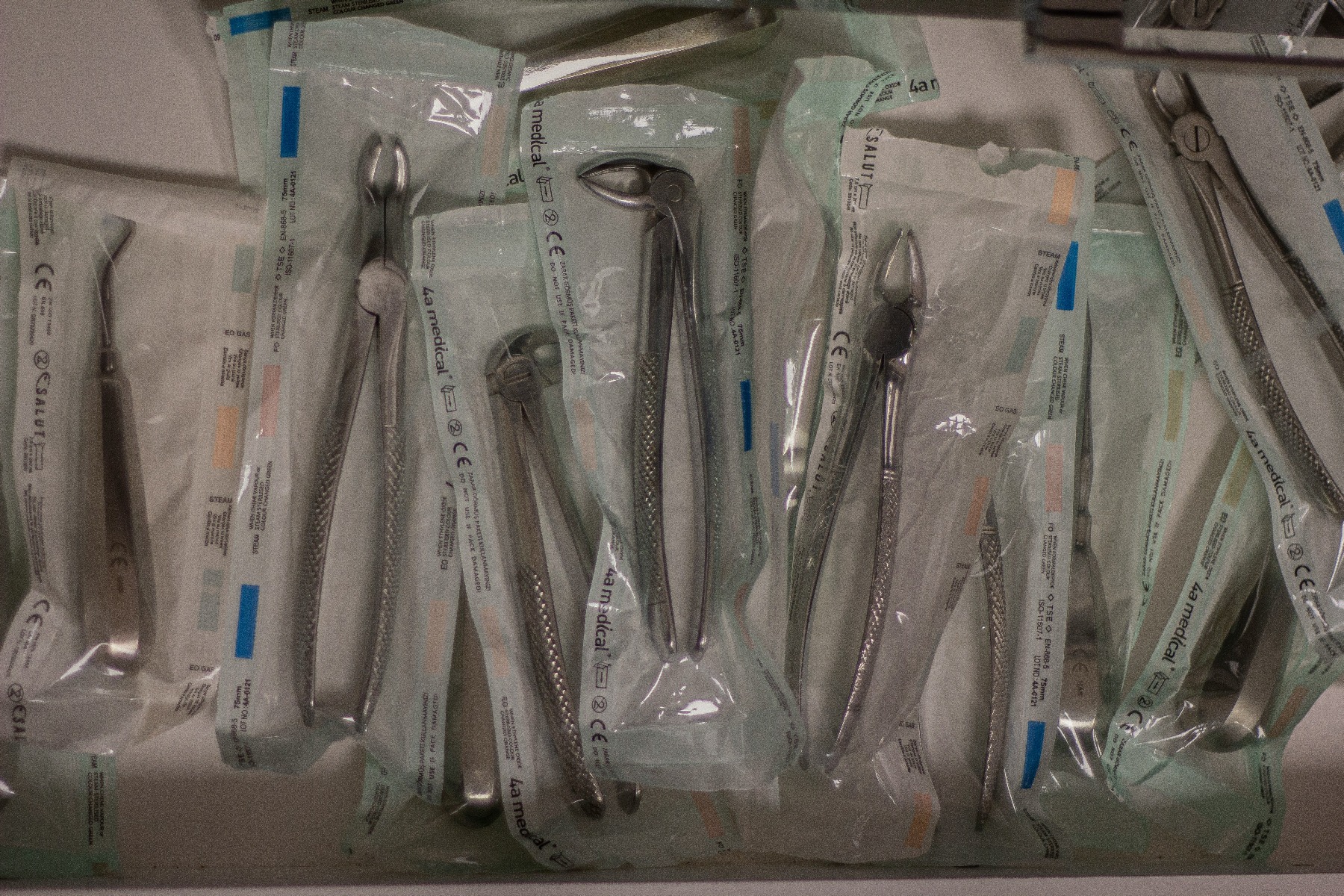
Trauma centers require round-the-clock SPD coverage, including holidays when everyone else is eating turkey. The expected daily completion rate fluctuates dramatically. When surgery or loaner trays arrive late in the day, and they're needed by morning, other work gets delayed to accommodate critical needs.
This creates staffing challenges unique to hospitals. Managers must staff according to expected volume by time of day, not just overall case load. The fatigue factor runs higher for jobs requiring constant physical movement, which describes sterile processing perfectly. You're hauling trays, scrubbing instruments, and staying on your feet through 8–12-hour shifts.
Watch Our Podcast on HTA's Solutions to Workforce Shortages
The ABCs of Ambulatory Surgery Centers (ASCs)
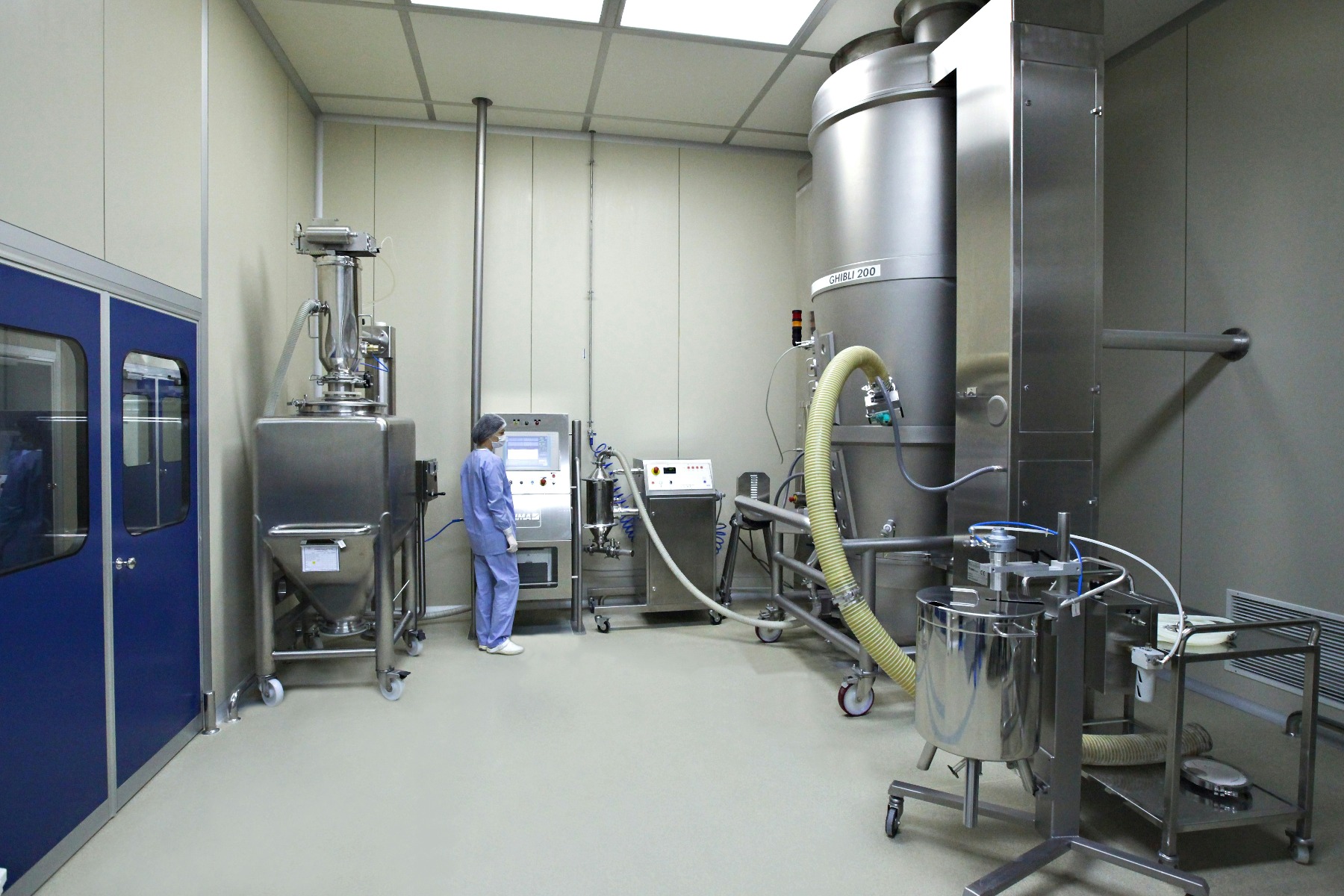
ASC case volumes have exploded, growing 6-7% annually, with orthopedic, cardiovascular, and spine procedures at the top of the list. These facilities perform same-day surgical care with costs running 35-50% lower than hospitals, and that efficiency extends to how their SPDs operate.
The ASC Advantage
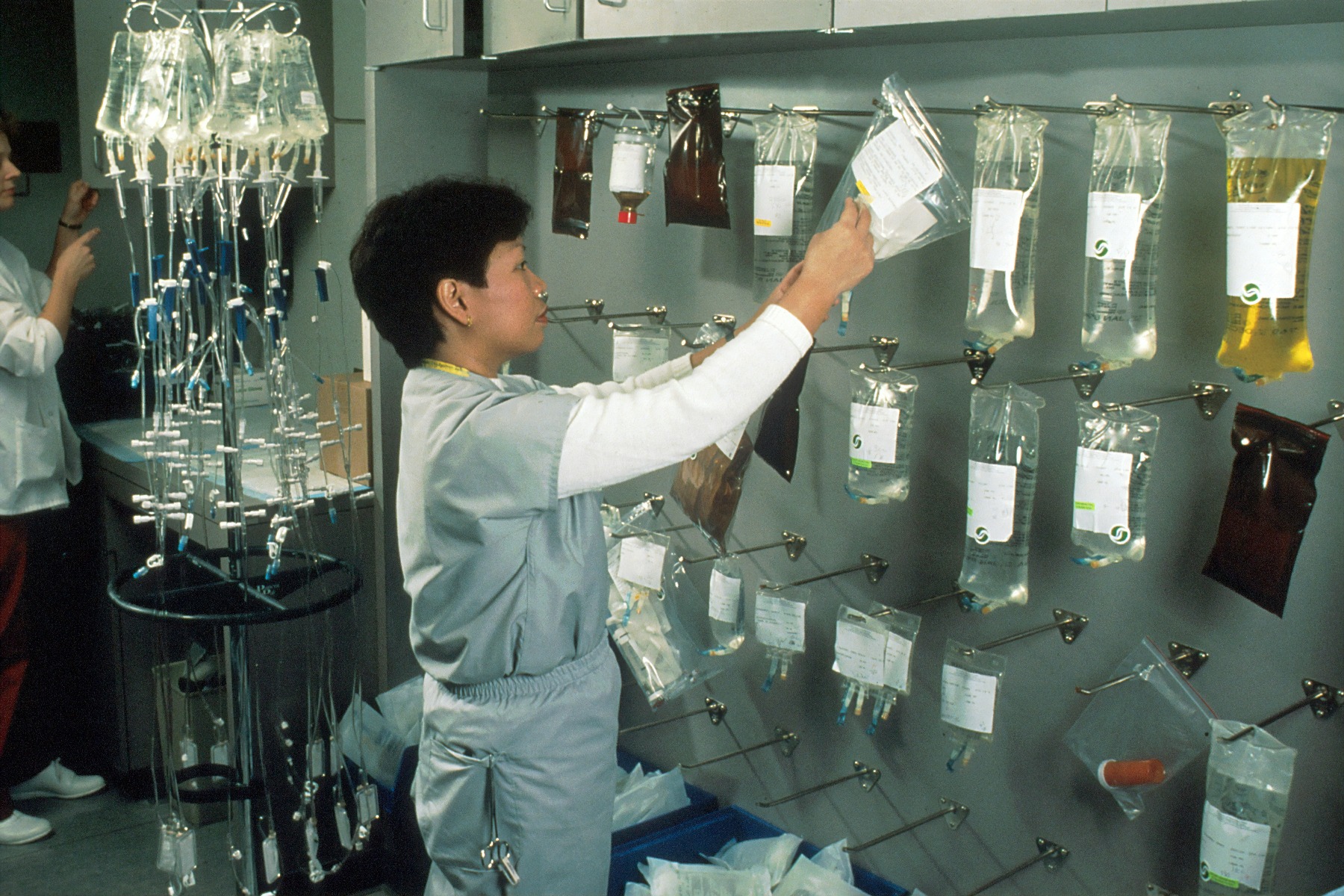
“You need adequate instrumentation so that you can increase your turnover time and eliminate flash sterilization as much as possible. Flash sterilization should not be a routine modality.”
– Ruth Shumaker, RN, BSN, CNOR, Healthcare Management Consultant specializing in both hospital and ASC settings
This philosophy defines ASC sterile processing. Unlike hospitals that juggle hundreds of different procedure types, ASCs typically focus on specific specialties. You'll tackle a narrower range of instrument sets, but you'll know them cold. The workflow becomes predictable.
- ASCs don't use case carts the way hospitals do.
- Orthopedic procedures might use around 10 trays, with 6 typically being containers.
- The focus shifts from broad expertise to deep specialization and lightning-fast turnover.
Container Processing: The Ever-Present Challenge
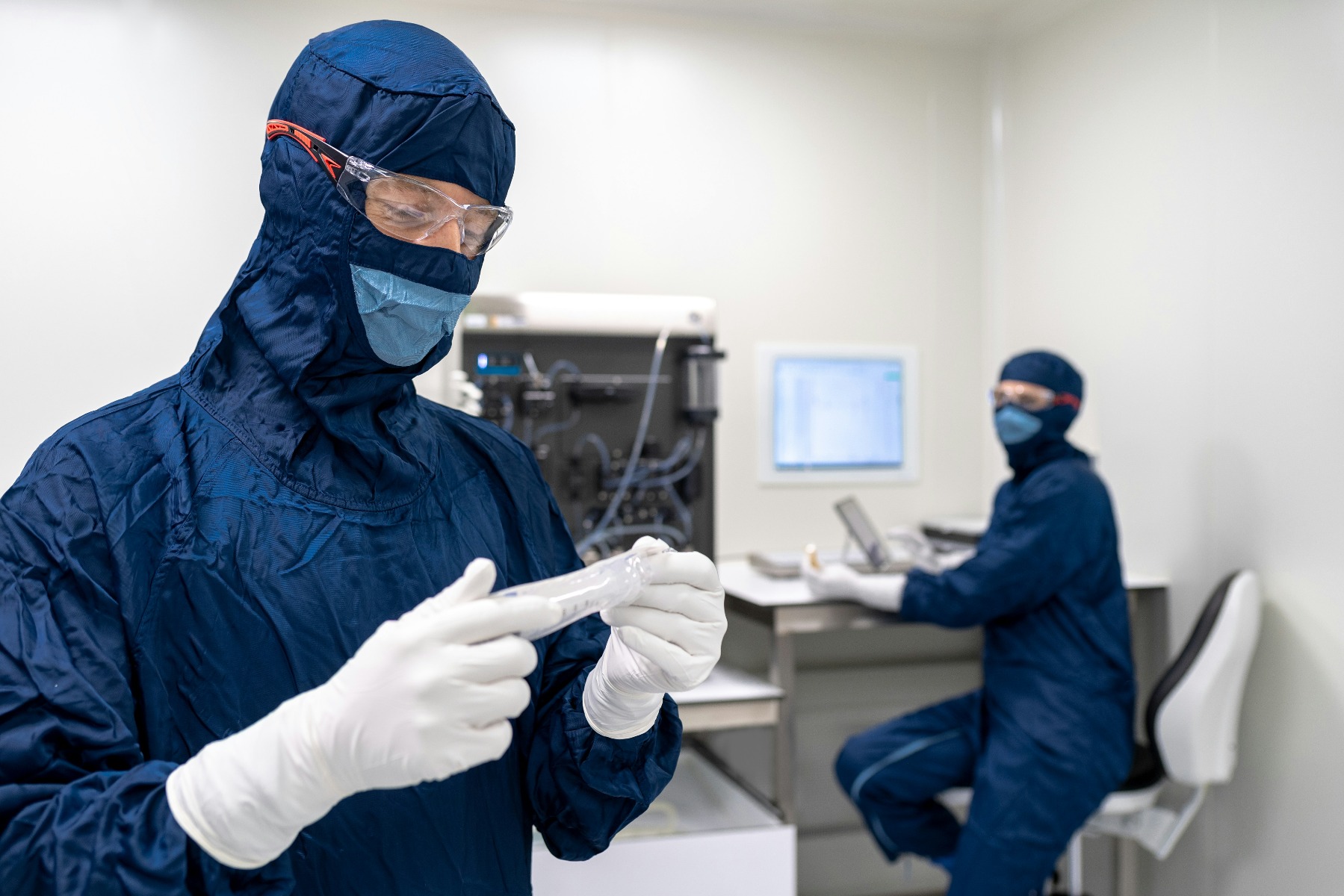
Container processing has become the bottleneck in ASC workflows. Before 2018, washing containers at the sink was standard. In 2026, ASC case volumes have rendered sink washing impractical – and potentially non-compliant with manufacturer "Instructions for Use."
Containers require pure water rinses that sinks can't deliver reliably. Single-chamber washer/disinfectors only accommodate 3-4 containers per cycle, eating up time that could be used to process instruments.
The predictability cuts both ways. Less variety means less exposure to rarer instrument sets and specialized procedures.
- If you're building your skills for future management roles, hospital diversity might serve you better.
- But if you value work-life balance and predictable schedules, ASCs deliver.
Specialty Clinics: The Boutique Experience
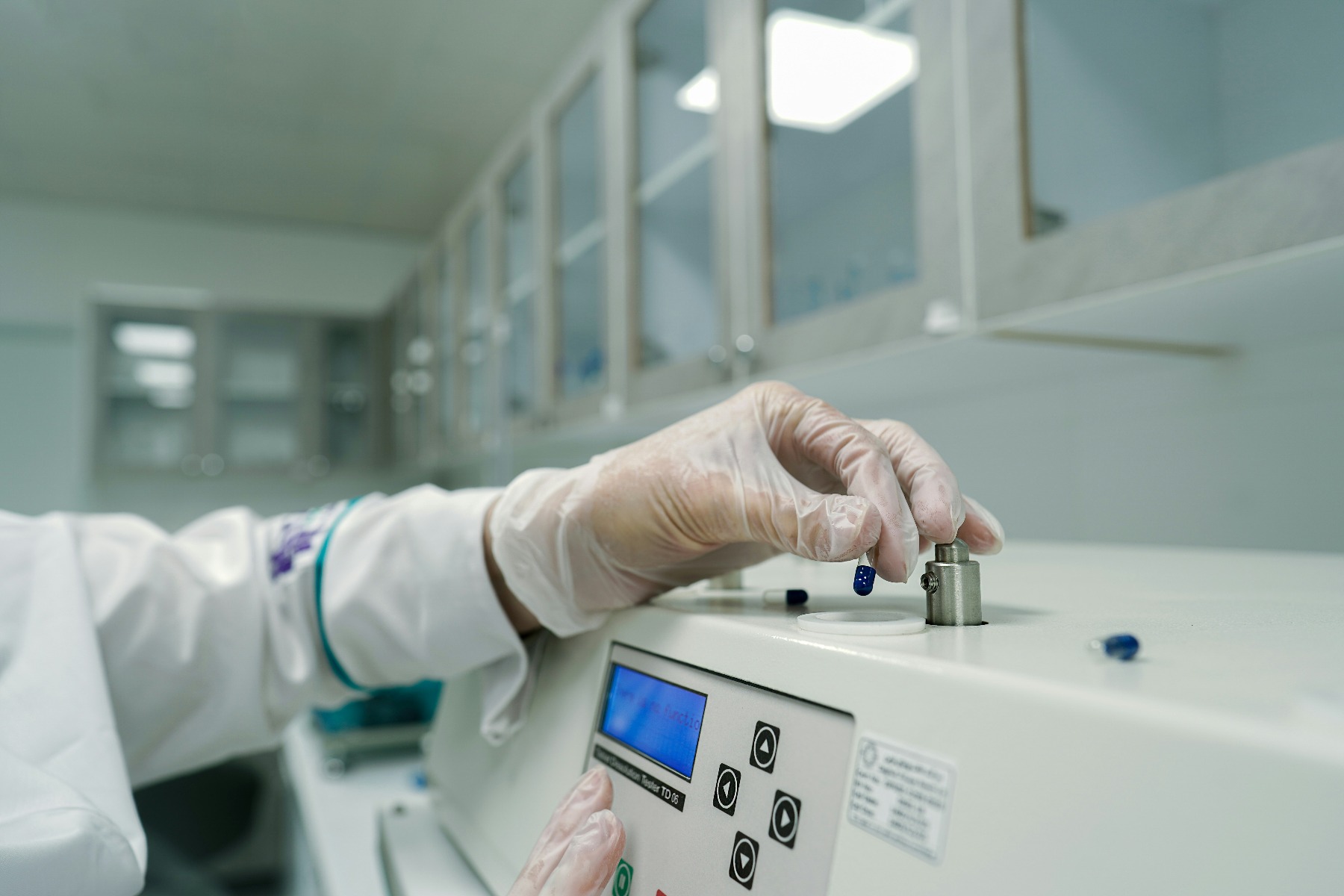
Dental offices, endoscopy centers, ophthalmology clinics, and other specialized facilities represent sterile processing's quieter corners. These environments process smaller volumes with hyper-focused expertise.
What to Expect in Specialty Settings
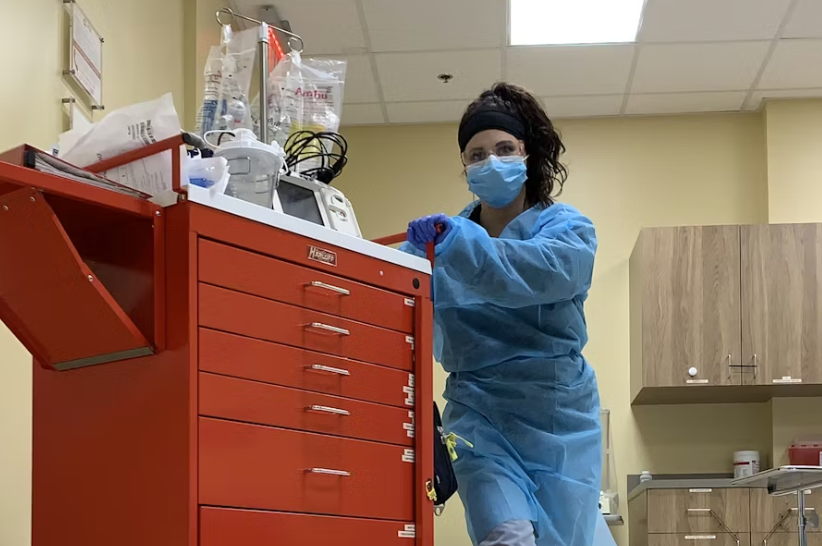
- An endoscopy clinic technician becomes intimately familiar with scope reprocessing protocols (the cleaning verification, high-level disinfection, storage, and tracking that keep flexible endoscopes safe). You'll likely never touch an orthopedic instrument set or cardiovascular tray.
- Specialty environments work beautifully for technicians seeking stability, those re-entering healthcare after breaks, or professionals prioritizing lifestyle over career ladder climbing. The pay typically runs lower than hospital or ASC rates, but the reduced stress and structured schedules appeal to many.
- The pace runs gentler, the hours more predictable. Many specialty clinics operate standard business hours without weekend or holiday coverage. But your certification maintenance and career advancement depend on staying current with broader sterile processing knowledge you won't use daily.
If you’re looking to keep your skills sharp and open doors for career growth, one option is to pursue a structured Sterile Processing Certification Program online through Health Tech Academy.
It gives you a clear path to build expertise, prepare for the Certified Registered Central Service Technician (CRCST) national certification, and step confidently into new opportunities.
The Sterile Processing Technician Workflow Differences to Evaluate
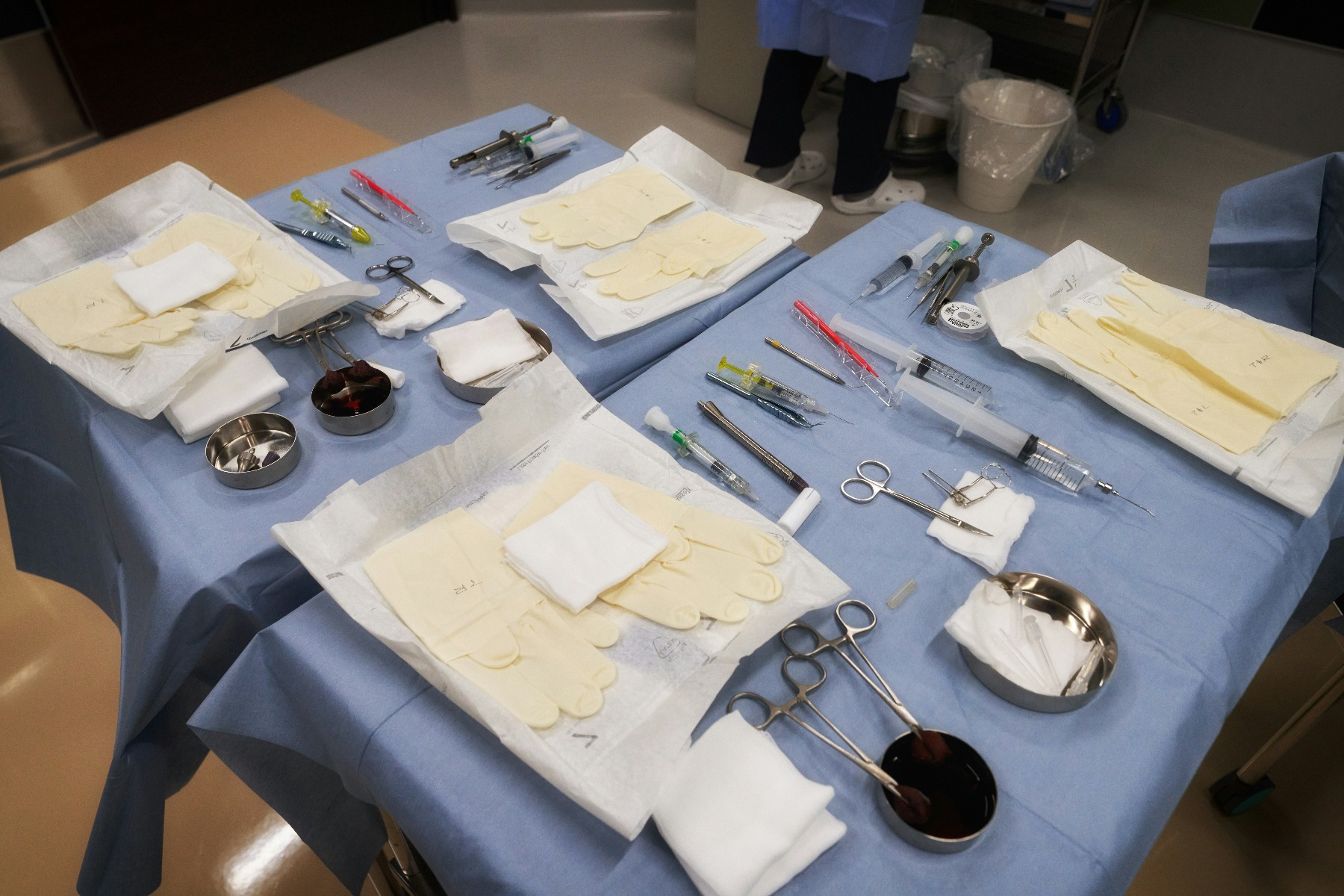
Regardless of setting, sterile processing follows the same fundamental cycle:
- Decontamination
- Cleaning
- Inspection
- Assembly
- Sterilization
- Storage.
But how that cycle unfolds varies dramatically.
Hospital Workflow Tangle
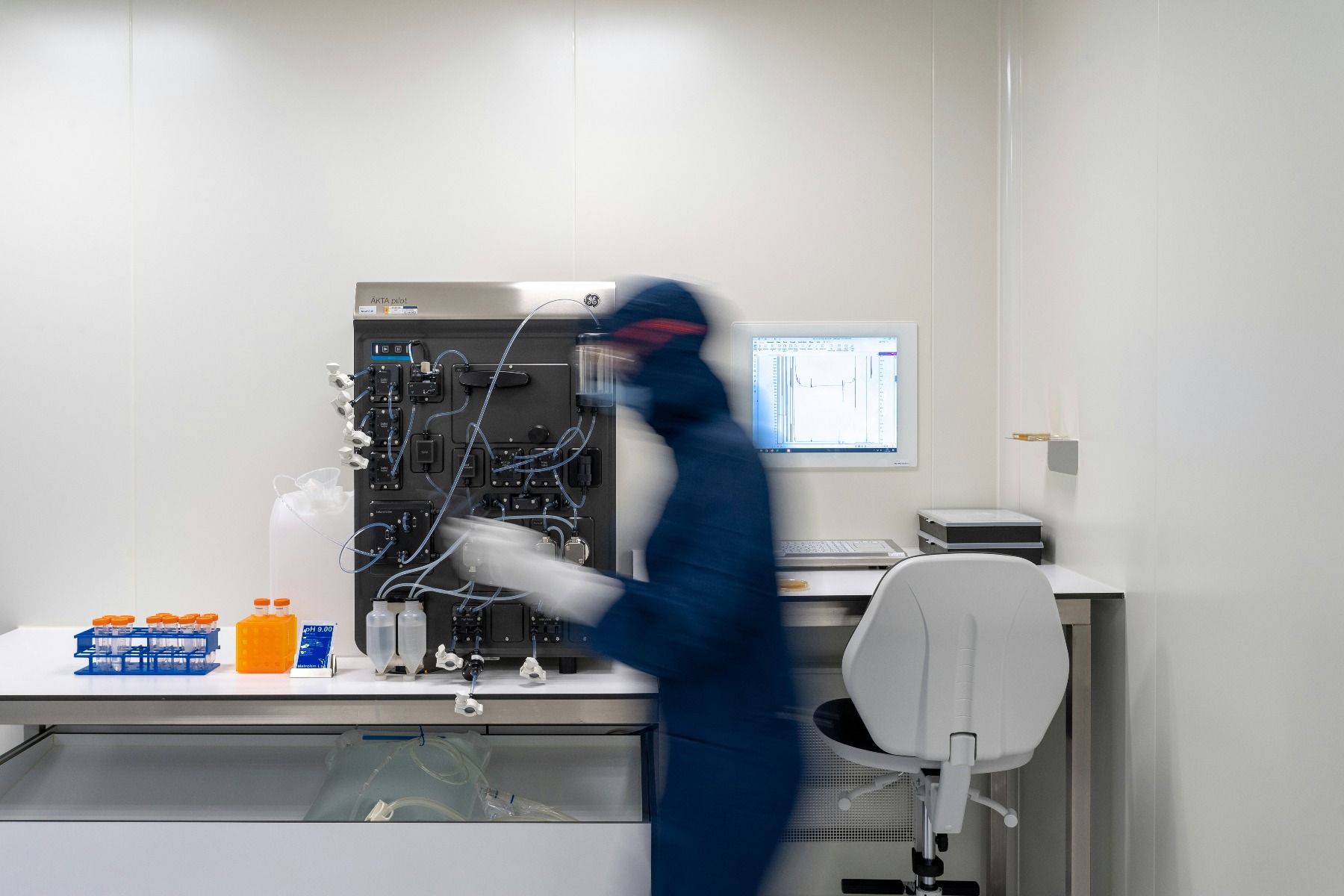
Hospital departments battle continuous instrument flow with minimal backlog – the lean manufacturing concept of continuous flow. But achieving it requires knowing when work arrives throughout the day. Using OR 'wheels out' reports, managers predict instrument arrival times and staff accordingly.
Physical distance impacts workflow efficiency. If your SPD sits on a different floor from the OR and shares service elevators with dietary and housekeeping, you'll spend more time transporting instruments. Department layout matters too. A long counter separating washers from prep-and-pack areas creates extra steps that multiply across thousands of daily instrument movements.
ASC Workflow Accuracy
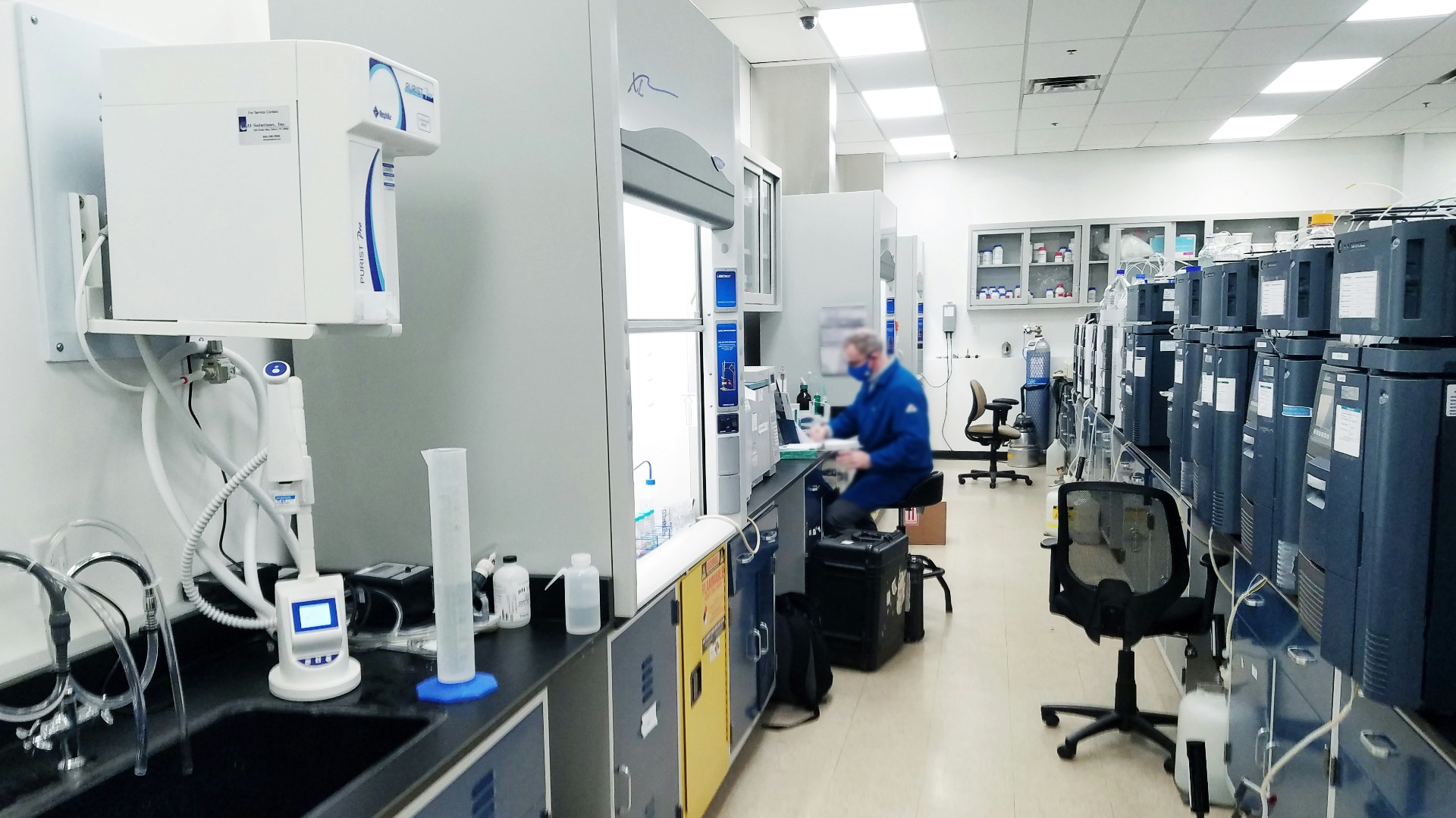
ASC workflows optimize around planned case schedules. You analyze case data to determine which instruments need duplicates, ensuring adequate stock for high-volume procedures. The goal is to eliminate rushing SPD processes or relying on flash sterilization as routine practice.
This data-driven approach means less firefighting, more planning. When your facility performs 30 total knee replacements monthly, you stock accordingly. The workflow becomes manufacturing-like in its predictability.
Sterile Processing Career Development and Certification
The CRCST credential validates your knowledge of sterilization techniques, infection prevention standards, and instrument handling protocols.
Health Tech Academy offers comprehensive CRCST certification preparation through a 16-week flexible online program. With an average starting salary of $44,574 for certified technicians, the investment pays dividends quickly. The program prepares you for the competencies required across all sterile processing environments.
If you’d like to test the waters and see if you’ll be able to grasp sterile processing before you take the certification exam, you can take our free online practice exam.
According to Bureau of Labor Statistics data, employment for sterile processing positions will grow 6% from 2023 to 2033. This growth reflects aging populations, increasing surgical procedures, and expanding healthcare facilities. Certified technicians position themselves for the best opportunities across all settings.
Making Your Environment Choice
Your ideal sterile processing environment depends on what energizes versus drains you.
- Hospital SPDs reward adrenaline seekers who thrive on variety and unpredictability. Every shift brings different challenges, from routine cases to middle-of-the-night trauma emergencies.
- ASCs appeal to technicians valuing specialization and work-life balance. You'll master specific procedure types deeply rather than broadly, with more predictable schedules and less weekend coverage.
- Specialty clinics suit professionals prioritizing lifestyle, reduced stress, and manageable workloads. The trade-off comes in narrower skill development and typically lower compensation.
Regardless of where you work, patient safety comes down to sweating the details, being properly certified, and knowing your instruments inside and out.
Frequently Asked Questions and Answers
What's the Typical Work Schedule for Hospital Sterile Processing Technicians?
Hospital SPD technicians work varied shifts, including days, evenings, nights, weekends, and holidays. Trauma centers require 24/7/365 coverage, so expect rotating schedules. Many hospitals offer shift differentials for evening, night, and weekend work, which can significantly boost your total compensation.
Do ASC Sterile Processing Jobs Pay Less Than Hospital Positions?
Not necessarily. While base pay might run slightly lower, ASCs often offer better work-life balance with predictable schedules and minimal weekend coverage. Total compensation depends on your region, facility size, certification status, and experience level. Certified technicians command higher wages regardless of setting.
Can I Work in Specialty Clinics without Hospital Experience?
Yes, many specialty clinics hire entry-level technicians and provide specialized training. However, hospital or ASC experience exposes you to broader instrument types and sterilization scenarios, which strengthens your foundation and makes you more marketable long-term.
How Do I Decide Which Environment Suits Me Best?
Consider your personality and priorities. Crave variety and fast-paced challenges? Hospitals fit well. Prefer specialization and predictability? ASCs deliver. Seeking work-life balance with a gentler pace? Specialty clinics work. Many technicians start in hospitals for broad exposure, then move to ASCs or specialty settings as career priorities shift.
What Certifications do Employers Prefer?
The CRCST (Certified Registered Central Service Technician) credential from CBSPD or CSPDT from IAHCSMM represents industry-standard certifications. Many employers require certification within 12-18 months of hiring. Health Tech Academy's 16-week program prepares you specifically for the CRCST examination, which opens doors across all healthcare settings.
Will Automation Eliminate Sterile Processing Jobs?
No. While technology improves efficiency – surgical asset-tracking software, automated washers, advanced sterilizers – human judgment remains irreplaceable. Inspecting instruments for damage, identifying assembly errors, troubleshooting equipment issues, and ensuring compliance with constantly evolving manufacturer guidelines requires skilled technicians. The field will evolve, but demand for qualified professionals continues to grow.