
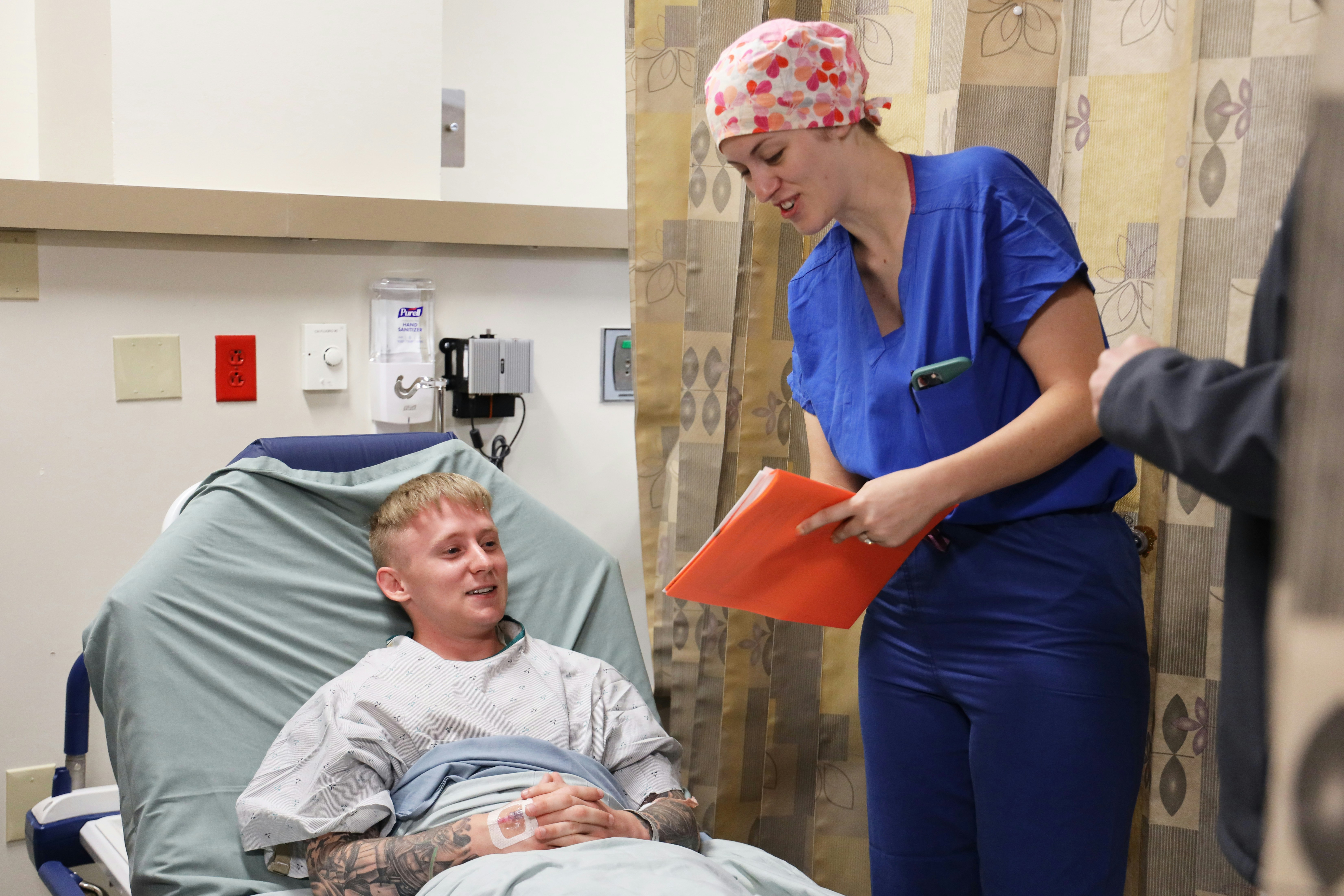
That gap is an opening. Employers are actively competing for medical assistants who show up with the right combination of skills and credentials. The candidates landing positions quickly are not necessarily the ones with the most experience; they are the ones who prepared deliberately and can demonstrate it.
Whether you are preparing to enter the field or looking to sharpen your competitive edge, this is an honest breakdown of the medical assistant skills that matter most in 2026.
Medical Assistant Technical Skills: The Foundation You Cannot Skip

Technical skills are the non-negotiables. They are what get you hired and what keep patients safe. In 2026, the definition of "technical proficiency" has expanded considerably beyond knowing how to draw blood or record vital signs.
Electronic Health Record (EHR) Navigation
As of 2024, 95% of U.S. office-based physicians have adopted electronic health record systems. That number is not going back down. Medical assistants who cannot navigate an EHR confidently are a liability in any clinic running Epic, Athenahealth, or Cerner.
EHR proficiency includes knowing how to document accurately to support billing codes, flag discrepancies, and protect patient data under HIPAA (Health Insurance Portability and Accountability Act) guidelines. Sloppy documentation has financial and legal consequences for a practice.
Clinical Procedures and Patient Preparation
The hands-on work – vital signs, phlebotomy (blood draws), ECG/EKG (electrocardiogram) preparation, injections, specimen collection, and wound care assistance. These are table stakes. Speed, accuracy, and composure are needed to carry out these tasks, particularly when a patient is anxious or in pain.
With healthcare-associated infections costing the U.S. healthcare system an estimated $28 to $33 billion annually, proper sterilization technique and PPE (personal protective equipment) compliance carry serious clinical weight.
Medical Coding and Billing Fundamentals
Medical assistants are not coders by title, but in smaller practices, they regularly bridge the gap between clinical documentation and front-office billing. Understanding ICD-10 (International Classification of Diseases, 10th Revision), CPT (Current Procedural Terminology) codes, and how they connect to insurance reimbursement makes a candidate more hireable. This is one of those ‘extra credit’ skills that becomes expected.
Telehealth Support Competency
Medical assistants in many practices handle virtual patient intake, assist providers during remote consultations, and manage the technical hiccups that come with video platforms. Many candidates still carry a gap here, which makes it an easy differentiator for those who prepare.
Ready to build these technical skills in a structured, career-focused program? Enroll in Health Tech Academy's 16-week online Medical Assistant Program. It prepares you for the CCMA (Certified Clinical Medical Assistant) credential through the NHA (National Healthcareer Association) – covering clinical procedures, EHR systems, billing fundamentals, and more.
Hear from One of Our Students
Meet Your Medical Assistant Instructor
Soft Skills: The Ones Hiring Managers Talk About
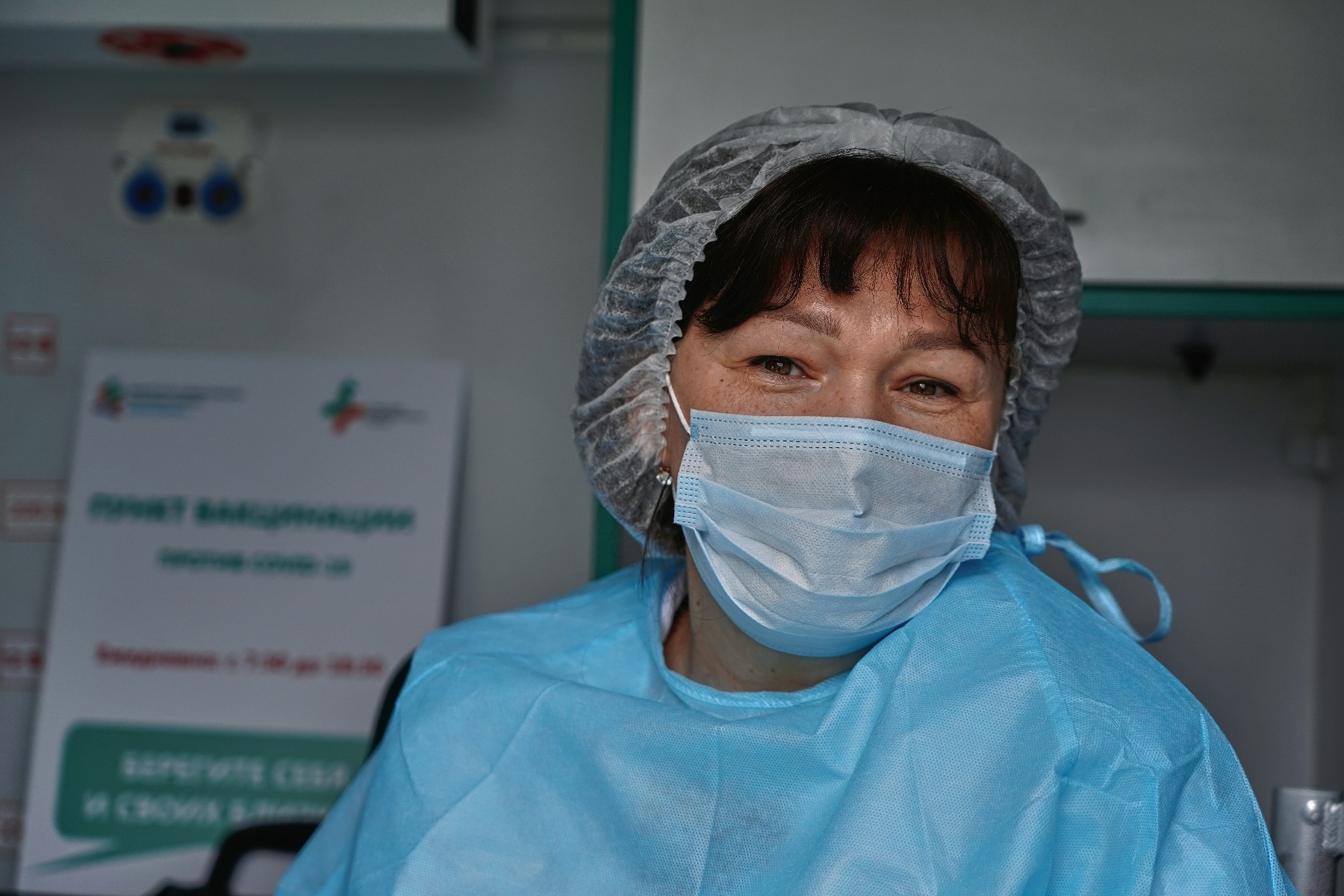
Soft skills are where candidates tend to fall short, and field professionals are vocal about it.
"To meet the demands of evolving healthcare and provide high-quality care to patients, technological proficiency, clinical skills, communication and soft skills – adaptability, problem-solving, empathy and compassion – are a must. I feel a lot of the younger generation lacks the soft skills needed in healthcare and professional jobs."
– Eve Leija, AAS and NCMA
That observation points to something important. Employers can teach an eager hire how to update a patient chart. Teaching someone to stay calm when a patient is frightened, confused, or hostile is a different matter entirely. In healthcare settings, soft skills are safety critical.
Adaptability and Flexible Thinking
Healthcare schedules unravel without warning. A provider runs late, a patient needs extra time, equipment stalls three procedures – and suddenly your organized morning is in pieces. Medical assistants who can pivot without freezing or grumbling are worth their weight in avoided staffing headaches.
Clear, Plain-Language Communication
Medical assistants often serve as the last person a patient speaks with before leaving a clinic – the one who clarifies what the provider just said, explains aftercare instructions, or answers the question the patient was too nervous to raise earlier. If that explanation is muddled or rushed, the patient goes home confused and potentially non-compliant with their care plan.
Bilingual candidates carry a measurable advantage. A medical assistant who communicates fluently in more than one language directly improves health outcomes.
Empathy That Does Not Burn Out
Empathy is a practiced skill. In clinical settings, it looks like maintaining a calm, reassuring tone during a blood draw with a needle-phobic patient or taking thirty extra seconds to acknowledge that someone is scared before launching into instructions.
The challenge is sustaining it. Compassion fatigue is a genuine risk in healthcare support roles, and medical assistants who develop healthy professional boundaries tend to last longer and perform more consistently.
Attention to Detail Under Pressure
"They need to have strong communication skills, attention to detail, and a compassionate approach to patient care."
– Candace Keck, Clinical Assistant Professor, Arizona State University's Edson College of Nursing and Health Innovation
Attention to detail in practice means catching a discrepancy in a medication dosage, noticing that a patient's blood pressure looks different from the last visit, or double-checking that a lab order matches what the provider requested. These are the moments where precision prevents harm.
Time Management and Workflow Prioritization
A busy outpatient clinic might see 30 to 40 patients in a day. Each one involves:
- A check-in process.
- A rooming procedure.
- Several tasks before the provider enters.
- Follow-up documentation.
Medical assistants who manage that flow proactively make entire clinics run better.
Recognizing that something falls outside your scope and getting the right person involved quickly requires both knowledge and confidence, and it develops with experience.
Professionalism and Discretion
Patient information is protected by law, and medical assistants handle sensitive data constantly. Professionalism here includes how you handle a frustrated patient, respond to a provider's criticism, or hold your composure when a situation is stressful.
According to field data, 62% of employers say certification is the first thing they look for in a new hire. Holding a recognized credential and conducting yourself accordingly signals that you take the role seriously, and that you are worth the investment.
Why the CCMA Certification Still Carries Significant Weight

The CCMA (Certified Clinical Medical Assistant) credential, offered through the NHA (National Healthcareer Association), remains one of the most widely recognized certifications in the field. It requires passing a competency-based exam and must be renewed every two years, with at least 10 continuing education credits earned during that period.
The CCMA exam tests both clinical and administrative knowledge, which aligns precisely with what employers are currently asking for. A candidate who holds a CCMA and can speak knowledgeably about their credential during an interview has a concrete edge.
Data consistently shows that holding certifications like the CCMA can boost pay by 10 to 20% – even at the entry level. That is not a minor incentive.
Wondering how ready you are for the CCMA exam? Take our free practice exam to gauge where you stand and identify any gaps before test day.
The Skills Most Medical Assistant Programs Do Not Emphasize Enough
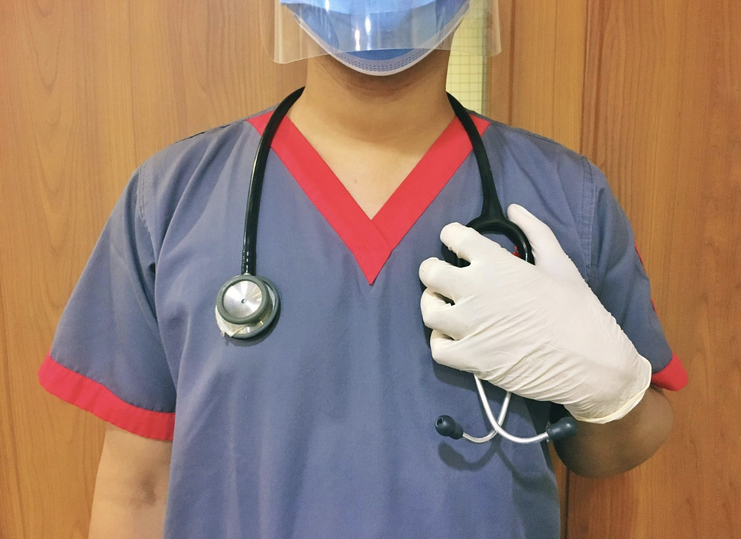
- Cultural humility: It means approaching each patient without assumptions about their background, health literacy, or comfort level with the healthcare system. Patients from different cultural contexts may express pain differently, carry different levels of institutional trust, and face different barriers to care. Medical assistants who move through those differences with genuine sensitivity improve outcomes in ways that are hard to quantify but easy to observe.
- Basic chronic disease management support: With conditions like type 2 diabetes, hypertension, and cardiovascular disease dominating outpatient caseloads, medical assistants who understand the foundations of chronic disease management (tracking lab trends, recognizing warning signs, and supporting medication adherence) become far more useful to the clinical team than those who treat every visit as a standalone encounter.
- Trauma-informed care awareness: Not every patient presents with visible distress, but many carry experiences that shape how they respond to clinical environments. Understanding the core principles of trauma-informed care is a competency that practices are beginning to prioritize in hiring.
Watch Our Beginner's Guide to Becoming a Medical Assistant Webinar
Show that You’re Skillful
Medical assistant skills in 2026 span a wider range than they did five years ago. The role demands clinical precision, digital fluency, and interpersonal steadiness. Employers are hiring for all three, and credentialing is a reliable signal for who those candidates are.
If you are building toward this career: get trained, get certified, and keep developing the human capabilities that no software can replicate. The field has sustained demand for people who take that seriously.
Frequently Asked Questions and Answers
What are the Most Important Medical Assistant Skills for Getting Hired in 2026?
Employers consistently rank EHR proficiency, clinical procedure competency, communication, and adaptability at the top of their criteria. Holding a recognized certification like the CCMA further strengthens a candidate's profile – with a significant portion of employers naming it the first thing they evaluate in a new hire.
Do I Need Both Clinical and Administrative Skills as a Medical Assistant?
In most outpatient and clinic settings, yes. While some larger facilities separate the roles, most practices expect medical assistants to handle both. Familiarity with scheduling software, insurance verification basics, and billing documentation makes candidates more versatile and hireable.
What is the CCMA Certification, and Who Offers it?
The CCMA is a credential issued by the NHA (National Healthcareer Association). It validates both clinical and administrative competency through a proctored exam and must be renewed every two years. It is one of the most widely accepted certifications in the field and recognized by employers nationwide.
How Long Does it Take to Become a Medical Assistant?
Program lengths vary, but many certificate and diploma programs take between four months and one year to complete. Online formats, like Health Tech Academy's 16-week program, allow students to train on a compressed timeline without sacrificing the clinical depth needed to pass the CCMA exam.
Are Soft Skills Important for Medical Assistants?
They are not optional. Practitioners working in the field note that soft skills are where many newer entrants struggle most. Clinical tasks can be practiced and refined quickly; the ability to stay composed with a difficult patient, explain discharge instructions clearly, or catch a subtle shift in someone's condition takes longer to develop and is harder to train on the job.
What is the Job Outlook for Medical Assistants Over the Next Decade?
The U.S. Bureau of Labor Statistics projects 12% employment growth for medical assistants from 2024 to 2034 with approximately 112,300 openings expected each year over that period. An aging population driving demand for preventive and outpatient care is the primary engine behind that growth, and the trend shows no sign of leveling off.