
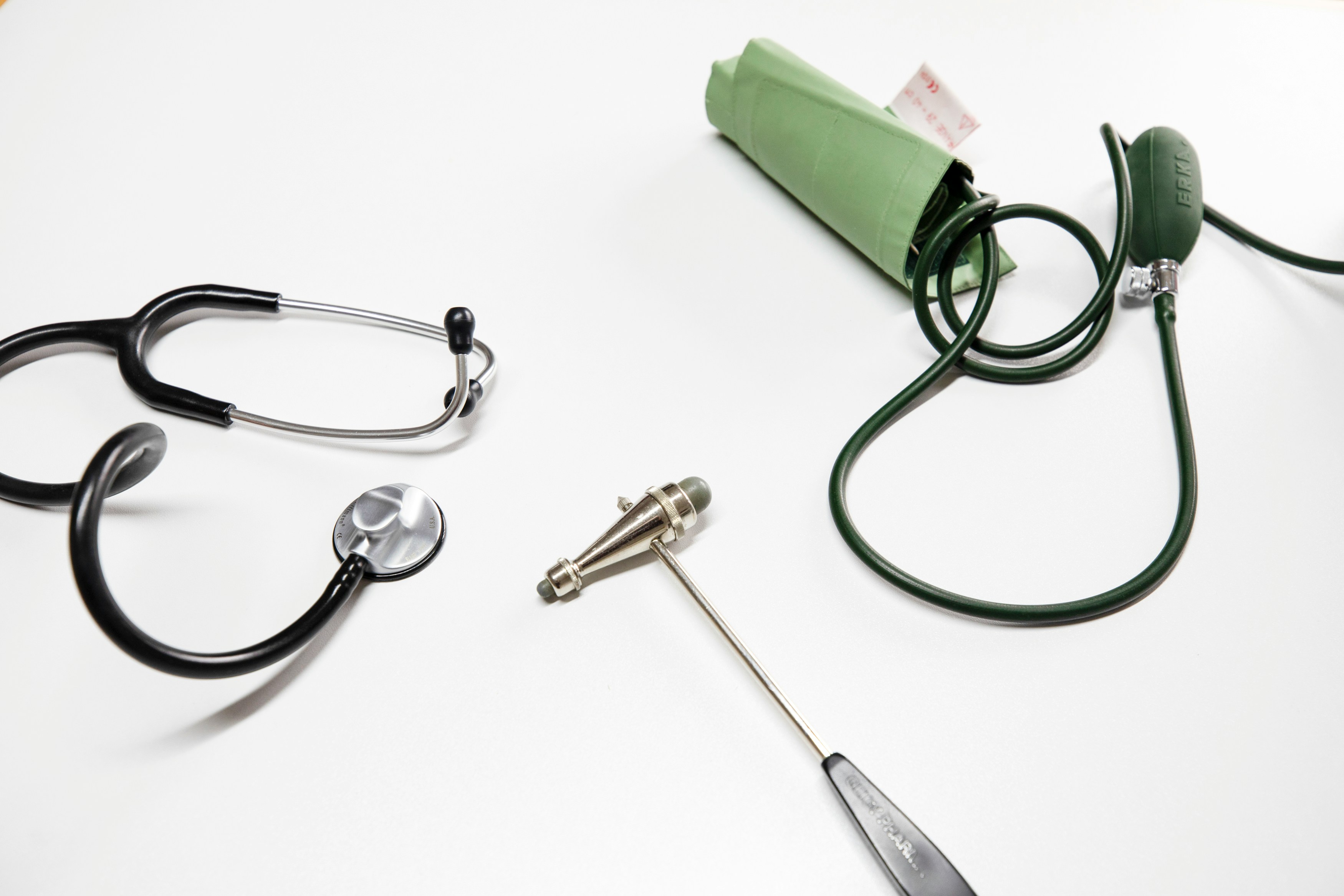
But growth statistics only tell part of the story. What matters more to the people working in scrubs, managing patient flow, and juggling electronic health record (EHR) systems is where the role can go. The answer, for those who pursue it deliberately, is quite far.
Why Medical Assistant Career Advancement Deserves a Second Look

Most career guides will tell you to get certified, promoted, and maybe go back to school. That's not wrong, but it skips over the decisions that separate people who spend a decade in the same role from those who ladder into healthcare administration, specialized clinical work, or even different healthcare professions within a few years.
The median annual wage for medical assistants was $44,200 as of May 2024, per BLS data. The highest 10% earned upward of $57,830 – and that ceiling rises considerably when specialization credentials and leadership roles enter the picture. The gap between floor and ceiling in this profession is wide, and it's almost entirely determined by continuing education and certification choices.
"Medical assistants need to have strong communication skills, attention to detail, and a compassionate approach to patient care. Those foundational qualities, when paired with the right credentials, position medical assistants for roles that go well beyond the exam room.”
– Candace Keck, Clinical Assistant Professor at Arizona State University's Edson College of Nursing and Health Innovation
The Certification Ladder: Starting With the CCMA

If you're mapping a path forward, the Certified Clinical Medical Assistant (CCMA) credential issued by the National Healthcareer Association (NHA) is the most practical first rung. The NHA is the largest allied health certification agency in the United States, having awarded over one million nationally recognized certifications to date. That scale matters because employer recognition of a credential is directly tied to how widely it's been adopted.
The CCMA exam consists of 180 multiple-choice questions across clinical and administrative domains, with a passing standard of 390 out of 500 – a score that requires solid preparation, not just familiarity with the field. The nationwide passing rate hovers around 77%, which is encouraging but not a guarantee.
What makes the CCMA particularly useful as a career tool is the Centers for Medicare and Medicaid Services ruling from 2012 that only credentialed medical assistants can enter laboratory, radiology, and medical orders into computerized systems. In practical terms, that means uncertified assistants are locked out of a slice of daily clinical workflow. Certifications expand what you're legally permitted to do on the job.
Ready to get credentialed? Enroll in Health Tech Academy's 16-week online Medical Assistant Program. It is built specifically to prepare students for the CCMA exam through the NHA – covering both clinical and administrative competencies in a format that works around real-life schedules.
Hear from One of Our Students
Meet Your Medical Assistant Instructor
Continuing Medical Assistant Education

Credentials open doors, but continuing education keeps them open. The healthcare landscape shifts frequently enough that what was current practice three years ago may already be outdated.
A few continuing education paths worth knowing:
- Specialty certifications beyond the CCMA: Once you hold a CCMA, you can stack additional credentials in phlebotomy, EKG (electrocardiogram) technology, patient care technician skills, and medical billing and coding (all of which Health Tech Academy offers programs for). Each additional credential expands the scope of what you can do and, in many facilities, justifies a pay differential. Healthcare organizations that run lean teams actively seek staff who can cover multiple functions.
- EHR platform proficiency: Epic, Athenahealth, and Cerner are the dominant EHR platforms, and verified proficiency in any of these is treated as a hard requirement rather than a soft skill. Medical assistants who can configure workflows, train colleagues on documentation best practices, or serve as a floor-level resource during system transitions become operationally valuable.
- Telehealth coordination skills: The shift toward outpatient and virtual care has created demand for medical assistants who can manage patient intake, coordinate provider schedules, and support virtual consultations. It's a skillset that didn't exist on most job descriptions five years ago and is now showing up in postings for roles with titles like "virtual care coordinator" or "telehealth MA."
"The growing demand for healthcare services is creating more job opportunities for medical assistants. Our program prepares students to meet these needs head-on."
– Dr Khaja Khaleel Ahmad, MD, RMA and Program Lead Instructor for the Medical Assistant Program at Northwest Suburban College
Want to see where you stand before committing to a certification exam? Take our free practice exam to gauge your readiness and identify the areas worth prioritizing in your prep.
Emerging Trends Reshaping the Medical Assistant Career Path
Ambient AI Documentation
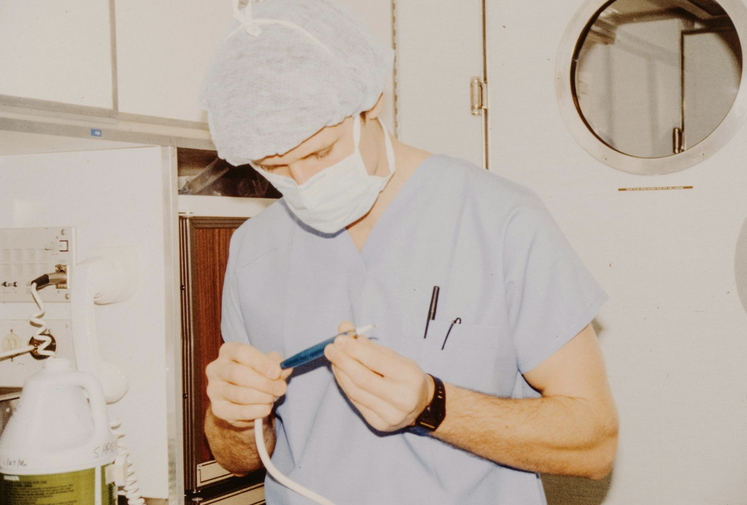
Microsoft Dragon Copilot – a clinical AI tool combining voice dictation with ambient listening – is now being integrated into medical assistant workflows at a growing number of facilities. The practical effect: documentation burden is shifting, and the medical assistants who understand how to work alongside AI-assisted tools rather than around them are the ones getting tapped for senior and supervisory roles.
Wearable Device Integration
The wearable medical devices market is projected to grow from $51.26 billion in 2024 to roughly $313.46 billion by 2032 – a compound annual growth rate (CAGR) of 25.40%. For medical assistants, that means an increasing volume of remote patient monitoring data flowing into clinical workflows. Staff who know how to interpret wearable device outputs, flag anomalies, and communicate relevant data to supervising providers are filling a gap that didn't exist a decade ago.
Outpatient Care Expansion
The broader healthcare system continues to shift volume away from inpatient hospital settings toward outpatient centers, urgent care clinics, and specialty practices. The BLS projects a 23% growth rate for medical and health services managers from 2024 to 2034, and the pipeline feeding those roles runs squarely through experienced clinical support staff – medical assistants among them.
Moving from floor-level clinical work into office management, lead assistant roles, or eventually healthcare administration is a well-established path, but the timeline compresses significantly when you hold relevant certifications and have demonstrable cross-functional experience.
Behavioral Health Integration
Primary care practices are embedding behavioral health screening into routine visits – a trend fueled by federal initiatives around whole-person care. Medical assistants trained in administering standardized screenings (such as the PHQ-9 for depression or GAD-7 for anxiety) are becoming more valuable in these settings.
Watch Our Beginner's Guide to Becoming a Medical Assistant Webinar
Medical Assistant Specialization Tracks That Pay Off

Most medical assistants know about phlebotomy and EKG as add-on specializations. Fewer know about these:
- Dermatology and aesthetics: Medical assistants in dermatology practices often assist with procedures, including biopsies, laser treatments, and cosmetic consultations. The pay premium relative to general practice is notable, and demand in this specialty continues to rise.
- Cardiology support: Cardiology practices require medical assistants with strong EKG competency and an understanding of cardiac monitoring protocols. The patient population tends to be more complex, the work more technically demanding, and the compensation reflects that.
- Oncology support: Oncology medical assistants work in high-acuity environments, assisting with chemotherapy preparation and administration, managing complex medication schedules, and providing intensive patient education. It's demanding, but it's also among the higher-paying tracks available without a nursing degree.
The Progression Map for Medical Assistants

Here's a career ladder that's entirely achievable within five to eight years for a medical assistant who approaches development intentionally:
- Entry-level MA → CCMA certification → Lead/Senior MA role (typically within one to three years, per industry data) → Office Coordinator or Practice Manager → Healthcare Administrator.
- At each stage, the credential and experience requirements shift. The lead MA role usually requires two or more years of hands-on experience and at least one recognized certification.
- Moving into office coordination typically involves adding administrative credentials or completing coursework in healthcare management. The healthcare administrator track – with that 23% projected growth rate – often requires an associate's or bachelor's degree in healthcare administration, but many who take this path start accumulating coursework while still working as senior MAs.
- The other fork in that road: Using the MA role as a foundation to enter nursing via a Licensed Practical Nurse (LPN) or Licensed Vocational Nurse (LVN) program, which typically takes 12 to 18 months, or continuing on to a Registered Nurse (RN) credential. The advantage medical assistants have in making that transition is that they arrive with clinical exposure, patient communication skills, and EHR familiarity.
What Employers Prioritize When Promoting
Surveys of healthcare hiring managers consistently surface a few factors that determine who gets tapped for advancement:
- Documentation accuracy: In an era of EHR-driven workflows and audit trails, medical assistants who produce clean, consistent documentation are immediately visible.
- Initiative in cross-training: Facilities with lean staffing models value people who voluntarily cross-train in adjacent functions – billing, coding, patient scheduling, and clinical procedures outside their primary scope. Asking to shadow or learn a new skill is more powerful than waiting to be assigned one.
- Patient satisfaction scores: Many outpatient practices now track patient feedback directly, and frontline staff, including medical assistants, factor into those scores. High-performing MAs in this dimension tend to surface quickly in performance reviews.
- Professional certification and active continuing education: Employers promoting from within consistently cite active credential maintenance and documented continuing education as differentiators.
Frequently Asked Questions and Answers
What is The Best Certification for Medical Assistant Career Advancement?
The CCMA credential from the NHA is the most widely recognized for career advancement purposes. It covers both clinical and administrative competencies, is accepted by employers nationwide, and also satisfies the Centers for Medicare and Medicaid Services requirement for entering orders into computerized clinical systems. Stacking specialty certifications in phlebotomy, EKG, or billing and coding on top of the CCMA adds further options.
How Long Does It Take to Advance from An Entry-Level Medical Assistant to a Lead or Supervisory Role?
Most medical assistants move into lead or senior roles within one to three years, though the timeline depends heavily on employer size, geographic market, and whether the candidate holds relevant certifications. Facilities with structured advancement pathways – typically larger outpatient systems and multispecialty practices – tend to move people faster than smaller private practices.
Can a Medical Assistant Transition into Nursing Without Starting from Scratch?
Yes, and the transition is streamlined. Many LPN and LVN programs credit prior clinical experience during admissions, and some RN bridge programs specifically recruit from the medical assisting workforce. The clinical foundation – vital signs, patient communication, EHR proficiency, assisting with procedures – means MA-to-nurse transitions often perform well in early clinical coursework.
Is Online Medical Assistant Training Credible for the CCMA Exam?
Accredited online programs that are structured around NHA exam outcomes are fully credible for CCMA eligibility. The NHA accepts program completion from online programs provided the program meets their eligibility criteria. The key differentiator between programs is whether the curriculum is specifically aligned to NHA exam domains – not whether the delivery format is in-person or online.
What are the Highest-Paying Specializations for Medical Assistants?
Cardiology, oncology, and dermatology/aesthetics consistently rank among the higher-paying specialty tracks for medical assistants. Within those settings, additional credentials in EKG, phlebotomy, or specific procedural support skills further increase earning potential. Geographically, California, Washington, and Massachusetts tend to offer the highest median wages for the profession.
How Does the CCMA Differ from the Certified Medical Assistant (CMA) Credential?
Both are nationally recognized and NCCA-accredited (National Commission for Certifying Agencies). The CCMA places slightly more emphasis on clinical procedures, while the CMA has a broader administrative component. Employer preferences vary by region and practice type, so it's worth researching which credential dominates in your target market before choosing a study path.