The U.S. Bureau of Labor Statistics (BLS) projects employment of medical assistants to grow 12 percent from 2024 to 2034, with approximately 112,300 openings expected each year over that decade. That’s a direct byproduct of an aging population, physician burnout, and a healthcare system that depends on qualified support staff to keep clinical operations moving.
The question is whether the program you choose prepares you for what happens on day one in a clinic – not just what's on the exam.
What the Certified Clinical Medical Assistant (CCMA) Credential Means

There are several medical assisting credentials floating around. The Certified Clinical Medical Assistant (CCMA) credential, issued by the National Healthcareer Association (NHA), is the most widely held medical assistant certification in the country. As of December 31, 2024, there were 233,190 active CCMA certifications, and in 2024 alone, 78,681 examinations were administered – with a passing rate of 81.38%.
What makes the CCMA particularly relevant compared to other certifications is its clinical emphasis. While other credentials split focus between administrative and clinical duties, the CCMA certification is specifically designed for medical assistants who want to focus on clinical procedures rather than general office administration. That's an important distinction for employers who need someone who can assist during procedures.
The CCMA exam consists of 180 questions over three hours, with a $155 fee, and Clinical Patient Care makes up 56% of the content – covering practical skills like electrocardiogram (EKG) monitoring, phlebotomy, and infection control. The 2024 update to the CCMA 3.0 version also added electronic health record (EHR) simulations, reflecting how deeply technology has woven itself into the daily realities of clinical work.
89% of organizations request certification, with 35% noting an increase in responsibilities for those who hold it. That affects scope of practice and day-to-day job function.
Why 16 Weeks Is the Right Length – and What That Timeline Demands of You
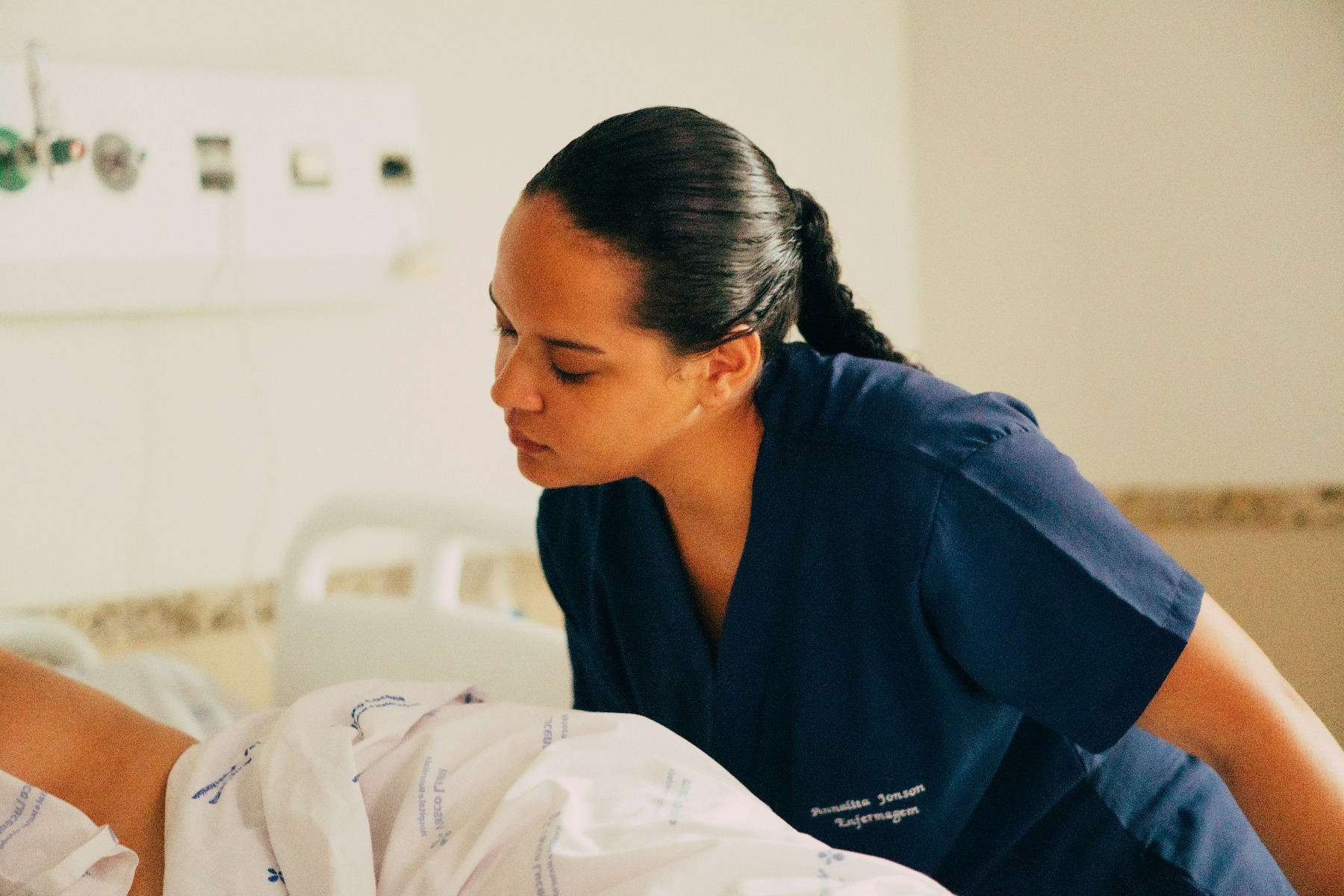
There's a version of online medical assistant training that takes five months. Another that stretches to a year. And then there's Health Tech Academy's 16-week online Medical Assistant Certification Program, which hits a deliberate middle ground: long enough to cover clinical and administrative skills comprehensively, short enough that you're not padding time for the sake of it.
Sixteen weeks is not a sprint, but it's also not designed to be comfortable. The curriculum maps directly to the CCMA exam content outline, covering:
- Patient intake and vitals.
- Phlebotomy.
- EKG testing.
- Infection control protocols.
- Health Insurance Portability and Accountability Act (HIPAA) compliance.
- Medical office administration.
What distinguishes a program that produces exam-ready graduates from one that produces people who memorized flashcards? Structure, sequencing, and the integration of real-world context into every module.
Health Tech Academy's program is built around that principle – clinical skills are taught alongside the administrative workflows they connect to, because that's how healthcare settings function. Ready to get certified in 16 weeks? Explore Health Tech Academy's online Medical Assistant Program.
Hear from One of Our Students
Meet Your Medical Assistant Instructor
The Medical Assistant Clinical Skills You'll Use

A common misconception about online medical assistant training is that the clinical component gets watered down or skipped entirely. That assumption costs people preparation time when they hit the field.
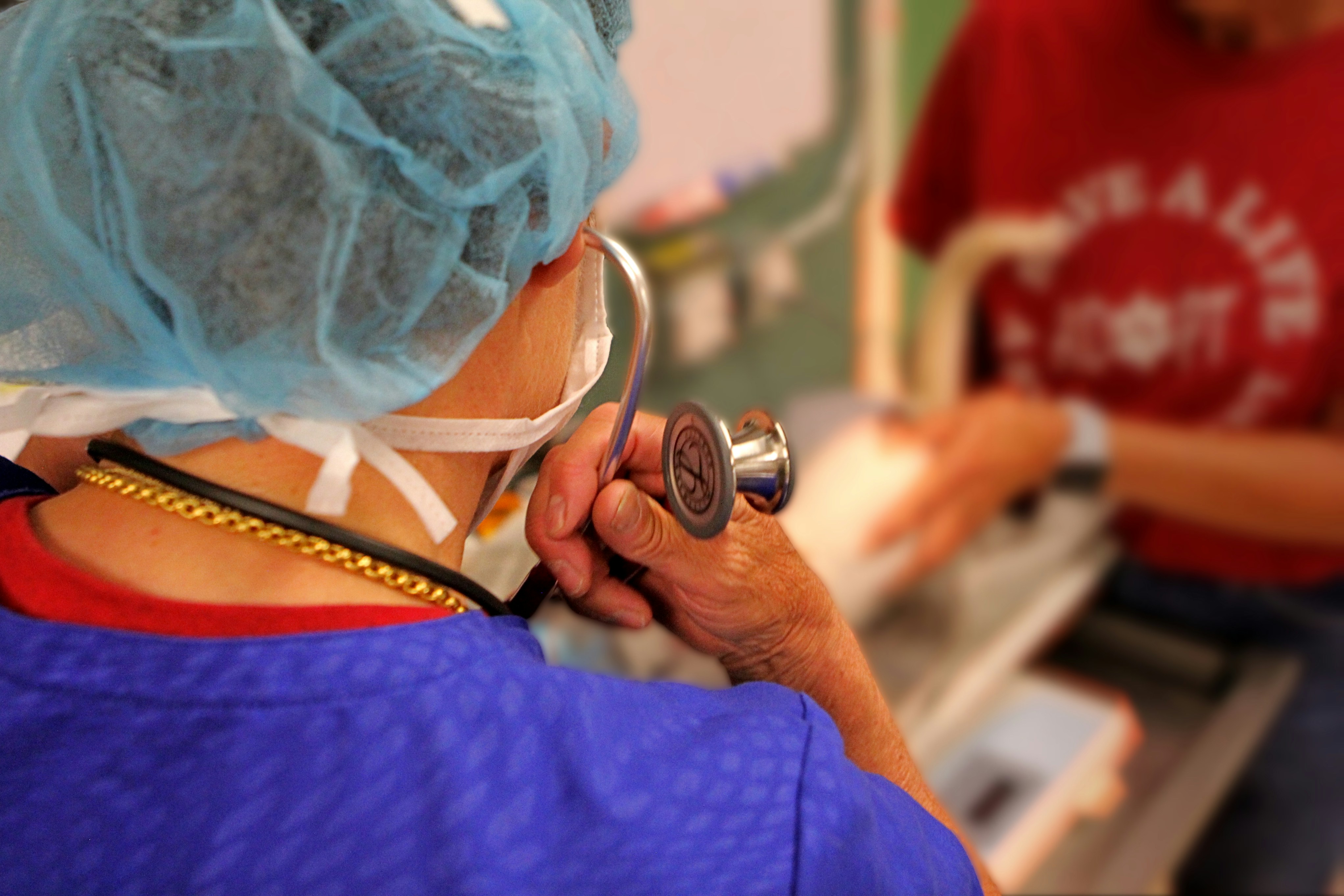
The CCMA exam isn't testing theoretical knowledge in isolation. The exam's Clinical Patient Care domain alone breaks into six subcategories: patient intake and vitals (14 items), general patient care (28 items), infection control and safety (15 items), point-of-care testing and laboratory procedures (9 items), phlebotomy (12 items), and EKG and cardiovascular testing (6 items) – totaling 84 out of 150 scored questions.
That weighting tells you something. More than half the exam is asking whether you can perform in a clinical setting, not just define terms. Health Tech Academy's curriculum is structured to reflect that – with clinical skill modules designed around the same domains the NHA exam tests, so there's no gap between what you learn and what you're evaluated on.
The administrative side is equally substantive. Scheduling, medical billing basics, EHR navigation, and patient records management aren't afterthoughts in this program – they're woven into the core curriculum because employers expect new hires to handle both sides of the job on day one.
"In a field facing workforce shortages and rapid change, we are being called to build programs that are aligned to the realities of the workforce. That means creating pathways that support working adults, integrate technology, and lead to tangible career outcomes."
– Geoffrey M Roche, Senior Vice President for Healthcare Solutions at Risepoint and Former North America Director of Workforce Development at Siemens Healthineers
How the Medical Assistant Program Prepares You for Healthcare Settings
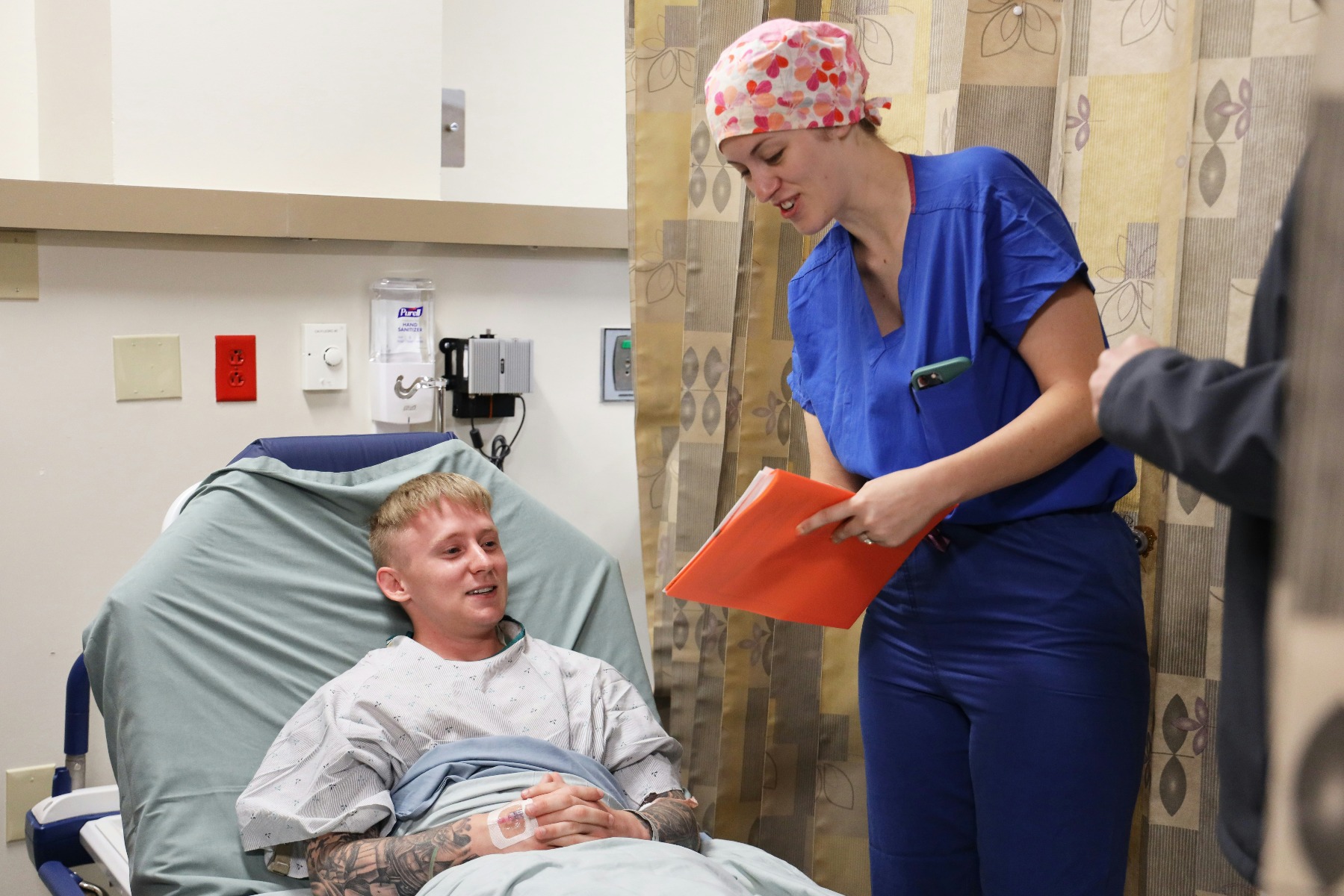
There's a gap that plagues a lot of certification programs: the distance between what's taught and what's expected on the floor. A new medical assistant walking into a busy outpatient clinic for the first time will encounter things no flashcard covers – a physician who needs vitals pulled on a patient before the chart has fully loaded, a front desk emergency, and an EKG that prints with artifact.
Health Tech Academy's program is designed with that gap in mind. Lessons build from foundational concepts into applied scenarios, so students are problem-solving in clinical contexts, not just absorbing information. The curriculum's alignment to the CCMA exam is a feature, because the exam itself was built from a job task analysis of what medical assistants do.
The MA Skillsbuilder™ within the updated NHA study materials focuses on the 39 clinical and 25 administrative skills that employers prioritize most – all areas tested on the CCMA and all areas that come up in daily practice.
"Becoming a CMA offers a stepping stone into the healthcare world, providing a broad understanding of medical field intricacies."
– Theresa Sinkevich, a Registered Medical Assistant and Educator at CareerStep
The Medical Assistant Stats to Bookmark
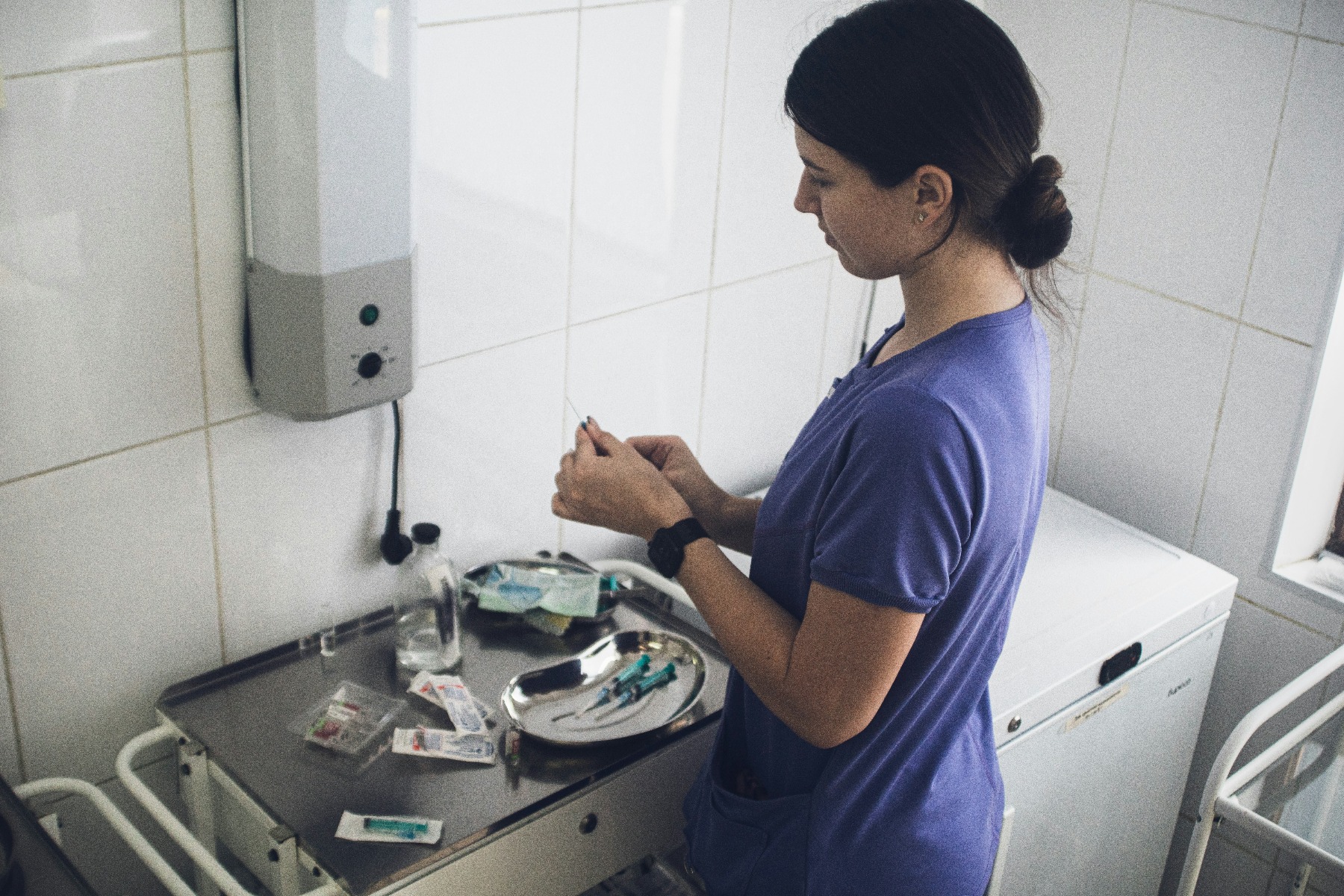
A few things about the medical assisting landscape that often get glossed over:
- Roughly 63% of employers offer higher pay to certified employees.
- 96% of employers either require or encourage certification when hiring.
That's a meaningful filter in the hiring process.
The median annual wage for medical assistants was $44,200 in May 2024, but certified professionals – particularly those with the CCMA – tend to sit above that median, especially in clinical settings versus administrative-heavy roles.
CCMA certification renews every two years and requires continuing education, which means the credential isn't a one-time transaction. It signals an ongoing commitment to the profession.
And the exam itself? The 2024 CCMA 3.0 update introduced EHR simulations and a stronger emphasis on professionalism, reflecting the reality that 35% of employers report medical assistants now take on more responsibilities than they did in prior years.
Who This Program Is Built For

Not everyone who searches "medical assistant certification online" is in the same situation. Some are career changers with zero clinical background. Others have worked in healthcare settings informally and want to formalize their skills with a nationally recognized credential.
Health Tech Academy's 16-week program serves both. There are no prior healthcare experience requirements to enroll. The curriculum starts with foundational knowledge – medical terminology, anatomy basics, and healthcare systems – before building into clinical and administrative competencies. That scaffolded approach means someone entering with no clinical background isn't left behind, and someone with some exposure can move through early material with greater ease.
94% of learners pursuing education for career advancement expect programs to fit into complex lives filled with work and family responsibilities. A 16-week online program that doesn't require you to upend your schedule is the only viable path to certification.
Before the Medical Assistant Exam: Where Practice Tests Make or Break Your Score

One detail that separates students who pass the CCMA on the first attempt from those who don't: exposure to exam-style questions before test day. The CCMA exam uses a scaled scoring method with a required minimum of 390 out of 500. In 2024, the national passing rate was 81.38%, which means nearly one in five test takers didn't make it through on the first try.
Practice exams train more than recall. They build exam stamina, surface knowledge gaps you didn't know existed, and reduce the cognitive load of encountering an unfamiliar question format under time pressure. Three hours is a long time to maintain focus across 180 questions, and candidates who've stress-tested that kind of sustained concentration in practice perform measurably better on exam day.
Take the free practice exam from Health Tech Academy and find out where you stand.
16 Weeks is All You Need
A 16-week online medical assistant certification program is a well-scoped commitment to entering one of the most in-demand clinical support roles in the country. The CCMA credential from the NHA carries weight because it's built on a rigorous exam, updated regularly to reflect the realities of practice, and recognized by the majority of employers who hire in this space.
What you get from the right program is the clinical foundation to handle your first day in a physician's office, the administrative fluency to navigate front-desk operations, and the professional credential to prove both. The healthcare workforce needs trained, certified people who show up ready to work.
Frequently Asked Questions and Answers
What is The CCMA Certification and Who Issues It?
The CCMA stands for Certified Clinical Medical Assistant. It's issued by the National Healthcareer Association (NHA), the largest allied health certification agency in the United States. The NHA is accredited by the National Commission for Certifying Agencies (NCCA), which validates the exam's rigor and employer recognition.
How Long Does it Take to Complete Health Tech Academy's Online Medical Assistant Program?
Health Tech Academy's program is 16 weeks, completed fully online. It's structured to prepare you for the NHA's CCMA exam while covering both clinical and administrative skills aligned to what employers expect in practice settings.
What Does the CCMA Exam Cover?
The CCMA exam has 180 multiple-choice questions across seven domains. Clinical Patient Care makes up 56% of the exam – covering areas like patient intake, phlebotomy, EKG testing, and infection control. Other domains include foundational science, anatomy and physiology, patient care coordination, administrative assisting, communication, and medical law and ethics. You have three hours to complete it, and the passing scaled score is 390 out of 500.
Do I Need Prior Healthcare Experience to Enroll?
No. Health Tech Academy's program is designed for both career changers and those with some prior exposure to healthcare settings. The curriculum is scaffolded to build from foundational knowledge up to exam-ready clinical and administrative competencies.
Is an Online Medical Assistant Certification Respected by Employers?
Yes – particularly when the credential is the CCMA from the NHA. Employer preference for certification is well-documented: 96% of healthcare organizations either require or encourage certification, and 63% offer higher pay to certified employees. The CCMA is the most widely held medical assistant certification in the country, with over 233,000 active certifications as of late 2024.
How Do I Prepare for the CCMA Exam Beyond Coursework?
Practice exams are among the most effective preparation tools available. Health Tech Academy offers a free practice exam to help you gauge your readiness, identify weak areas, and build familiarity with exam-style questions before test day.
What Can I Do After Earning My CCMA?
The CCMA opens doors across multiple healthcare settings – physician offices, outpatient clinics, hospitals, specialty practices, and more. Many CCMAs use the credential as a launching point toward roles in healthcare administration, clinical coordination, or further clinical training. The certification renews every two years and requires continuing education, which keeps your skills current with the evolving demands of the field.