

While everyone fights over nursing school spots, surgical tech careers are growing at 5% annually, with approximately 8,700 openings projected each year through 2034. But not all surgical tech jobs are created equal. It's not just the salary (though we'll get to that). It's whether you're racing against the clock to save lives or perfecting precision in elective procedures. It's the gap between 12-hour shifts on your feet versus predictable 9-to-5 schedules.
This guide dissects the workplaces where surgical techs build careers in 2026, complete with the salary data, day-to-day realities, and insider perspectives that'll help you figure out where you belong.
The Hospital Operating Room: Where Most Surgical Techs Start
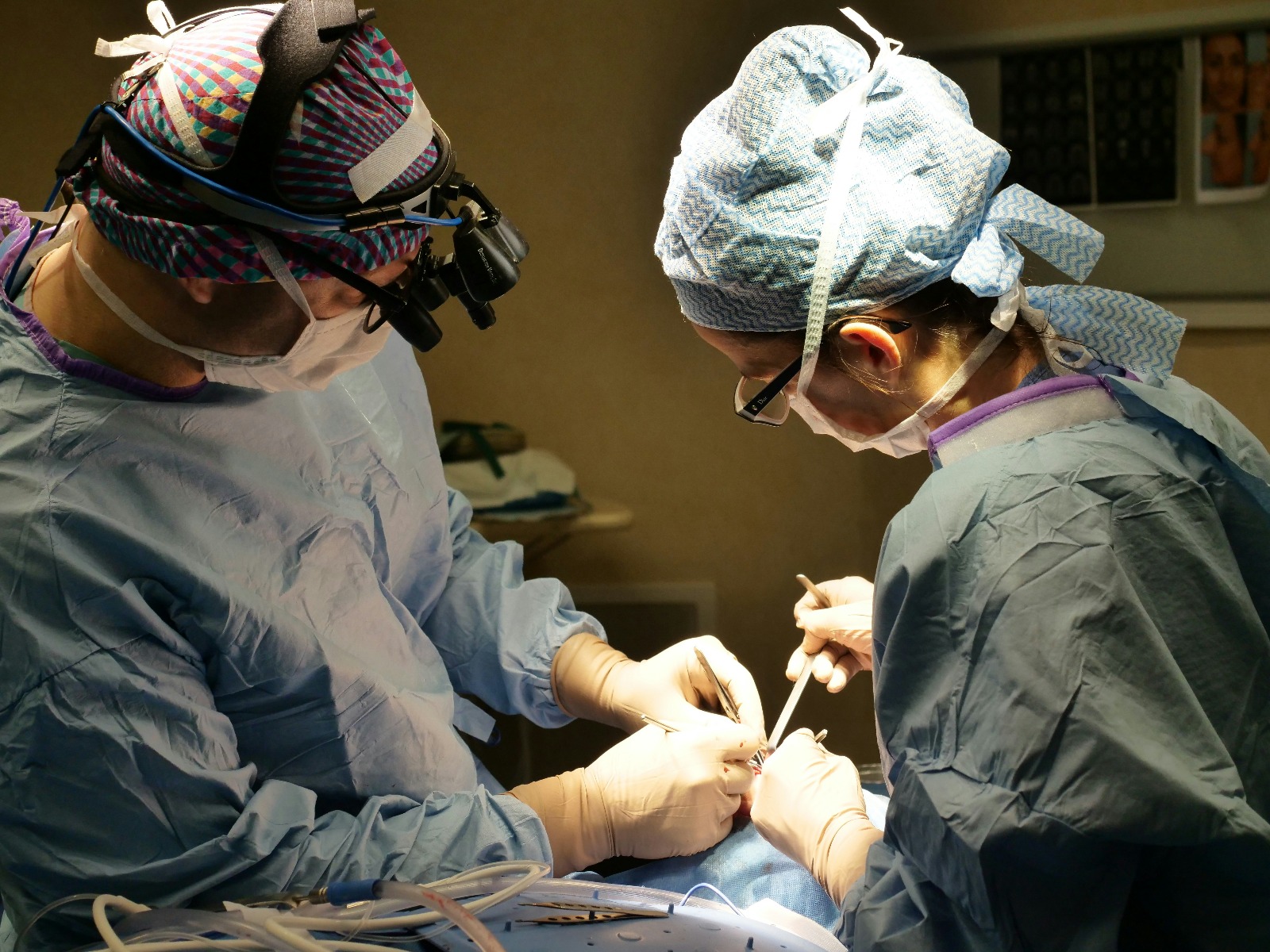
Most surgical technologists work in hospitals. It's often the best training ground you'll find. Think of hospitals as the Navy SEALs of surgical tech training. You'll see everything from emergency appendectomies at 3 AM to intricate neurosurgeries that last eight hours. One week you're in orthopedics, the next you're assisting with a cesarean section.
"I remember when I was a teenager watching surgeries on the Discovery Channel and thinking how amazing it was, and now I get to do that every day! On the other hand, the unpredictability can be exhausting."
– Jackie Royea, Certified Surgical Technologist at TRIA Orthopaedics
Here's the compensation breakdown for 2026:
- The median annual wage for surgical technologists working in hospitals was $64,650 in 2024. But that figure masks significant variation.
- Level I trauma centers in major metropolitan areas regularly start surgical techs at $55,000 to $65,000, while rural community hospitals might offer $45,000 to $50,000.
- Those rural positions often come with lower costs of living and tighter-knit teams.
Hospital hierarchies are real. You'll work alongside everyone from residents fresh out of med school to surgeons who've logged 10,000 procedures. The learning curve is steep, but so is the growth potential. Many surgical techs use hospital experience as a launching pad to specialize in high-paying fields like cardiovascular or neurosurgery.
Ambulatory Surgery Centers: The 9-to-5 that Exists in Healthcare
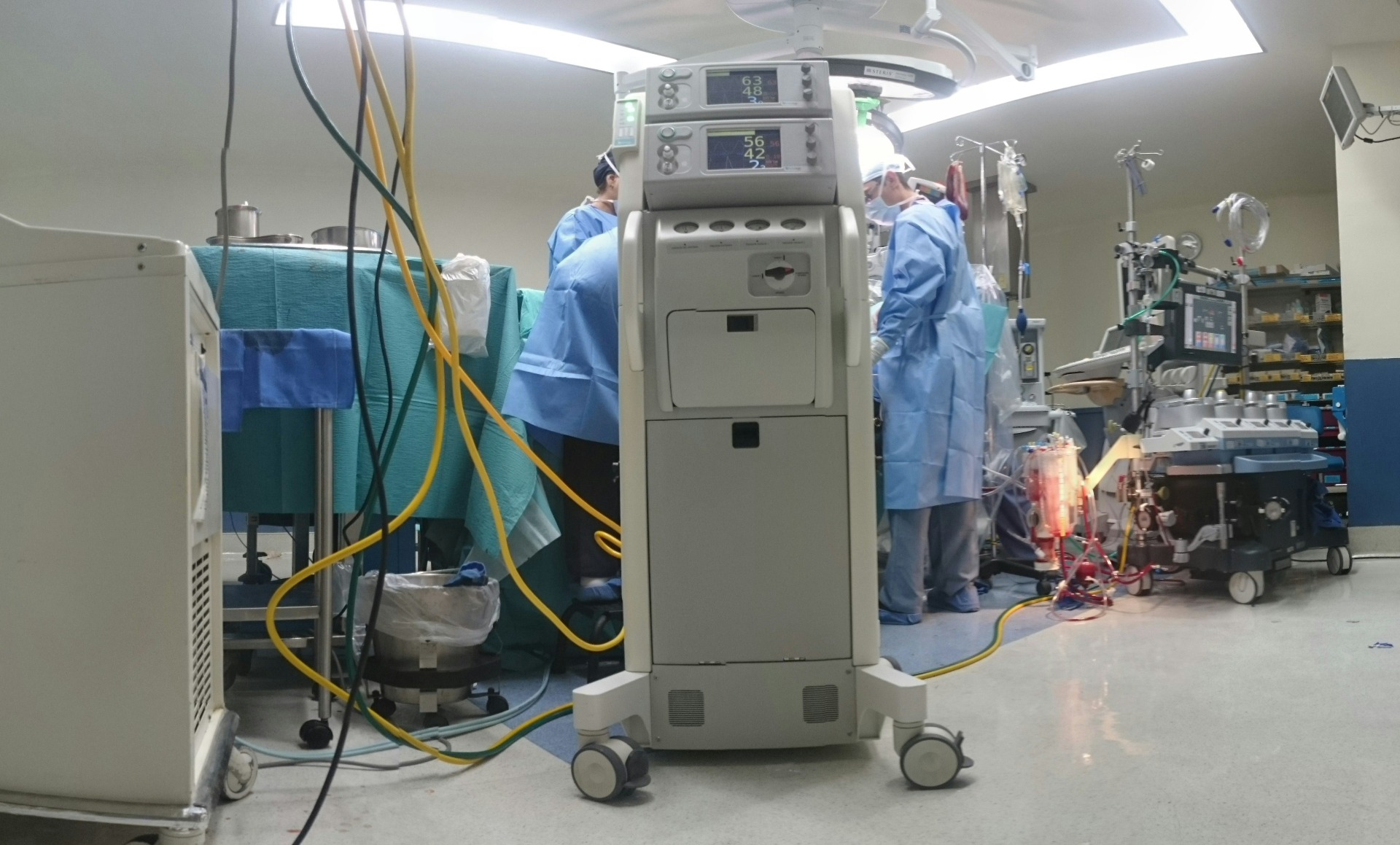
Ambulatory surgery centers, or ASCs, are outpatient facilities that handle any procedure where patients walk in and out the same day. Surgical technologists working in outpatient care centers earned a median annual salary of $63,510 in 2024, which is competitive with hospitals.
ASCs typically operate Monday through Friday, with rare weekend or holiday work, and focus on specific procedures. For some techs, that repetition is meditative. For others, it's mind-numbing.
ASCs also often have smaller teams, which means you're not competing with 50 other techs for attention or advancement. You'll develop relationships with the same surgeons, nurses, and staff daily.
Physicians' Offices: The Specialty Path Worth Considering

A busy OBGYN practice performing minor procedures like colposcopies or endometrial biopsies, or an ophthalmology office doing lens replacements, aren't your traditional operating rooms, but they absolutely need surgical techs. Surgical technologists in physicians' offices earned a median annual salary of $64,100 in 2024 – nearly identical to hospital pay.
You're typically working standard business hours (8 AM to 5 PM) in a small, close-knit team. The procedures are usually less complex than hospital surgeries, which means less stress but also less variety.
Instead of being one of dozens of surgical techs, you might be the surgical tech. That specialization makes you invaluable.
Once you've mastered a practice's procedures, advancement usually means jumping to another setting or negotiating directly with the physician for raises. But for surgical techs who value stability over climbing ladders, physicians' offices deliver.
Dental Offices: The Surgical Tech Job that Surprises Everyone
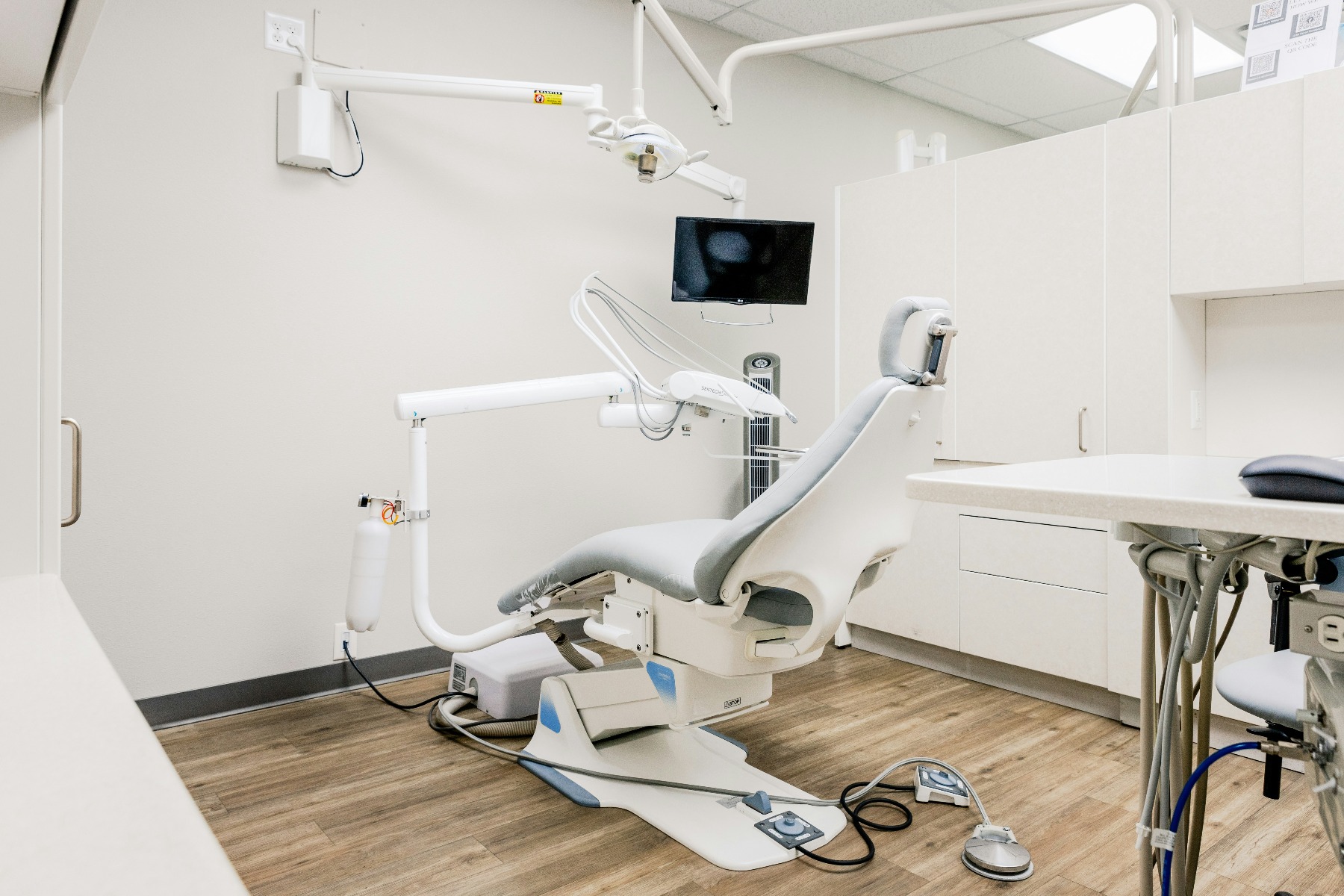
Wait, dental offices hire surgical techs? They do – specifically for oral surgery practices. Surgical technologists working in dental offices had an average annual salary of $50,610, which is notably lower than other settings.
- Dental oral surgery practices offer minimal on-call requirements. No weekends. No holidays.
- Many oral surgery practices close for a week during major holidays, which is basically unheard of in hospital settings.
- The work itself is highly specialized but less physically demanding than hospital ORs. You're not standing for 12-hour spinal surgeries.
- Most oral procedures wrap up in under two hours.
- The learning curve is steep at first, but once you've got it down, the job becomes remarkably predictable.
Specialty Hospitals: Where Surgical Techs Make Serious Money

Specialty hospitals represent the highest-earning potential for surgical techs. These facilities attract the most complex cases and, consequently, pay premium wages.
- Cardiovascular operating rooms (CVOR) are where experienced surgical techs can cash in. We're talking about assisting with open-heart surgeries, valve replacements, and bypass procedures.
- The technical knowledge required is extensive – you need to understand heart-lung bypass machines, cardiac anatomy at an expert level, and maintain ice-cold composure when a patient's chest is literally open on the table.
- CVOR specialists typically earn $10,000 to $20,000 more than general surgical technologists.
Neurosurgery represents another premium specialty. Brain and spine procedures demand exceptional precision, knowledge of sophisticated equipment like surgical microscopes and navigation systems, and the ability to stay focused during marathons – some neurosurgeries last 10+ hours. The compensation reflects this intensity.
You'll need 3-5 years of solid OR experience before most will even consider your application. And the interview process? Expect practical demonstrations, extensive clinical scenario questions, and multiple rounds. These facilities are investing serious training dollars in you, so they want to be sure you can handle it.
"We are the experts in everything sterile and aseptic. Who better to educate our communities than the people who work daily to alleviate contamination and cross-contamination?"
– Cindy Mask, a CST and Fellow of the Association of Surgical Technologists
Why Location Matters as Much as Workplaces
Where you work geographically matters just as much as where you work setting-wise. A surgical tech in Berkeley, California, averages $119,848 annually. That same tech with identical skills working in a rural community hospital in Alabama? Maybe $42,000.
- California pays among the highest of all states, with Berkeley paying an average annual salary of $119,848 and Cupertino paying an average of $120,758.
- New York follows with approximately $107,084, while states like North Dakota ($103,565) and Texas ($92,190) also offer strong compensation.
That $120,000 salary in the Bay Area looks impressive until you realize a one-bedroom apartment runs $3,500 monthly. Meanwhile, $60,000 in Nebraska, where housing costs a fraction of California prices, might leave you with more disposable income.
Travel surgical techs have figured out a workaround. They take 13-week contracts in high-paying states, often with housing stipends and completion bonuses.
Your Fastest Path to Your First Surgical Tech Job
If you're looking to become a surgical tech quickly, Health Tech Academy offers a 16-week online certification program.
- The program is self-paced, which means you could theoretically finish faster if you're motivated (and if you're not already working full-time).
- You'll work with expert coaches like Aleyda Hernandez, an Assistant Professor of Surgical Technology with eight years of experience specializing in orthopedic surgery.
Health Tech Academy vs Community and Online Colleges
| Feature | Health Tech Academy | Community College | Online Colleges |
|---|---|---|---|
| Program & tuition cost | $3,450 (one-time) | $2,000-$10,000 per year | $8,000-$19,000 per year |
| Books & materials | Included in tuition | Additional $500-$2,000 | Additional $500-$2,000 |
| Certification exam fee | Included in program | Additional $200-$500 | Additional $200-$500 |
| Job ready timeline | 4-6 months | 1-2 years | 6 months-2 years |
| 100% online format | ✓ Yes | ✗ No | ✓ Yes |
| 1-on-1 coaching | ✓ Yes | ✗ No | ✗ No |
| Job placement assistance | ✓ Yes | Varies by institution | Varies by institution |
Take the free surgical tech practice exam to test your readiness and get a feel for the material. 
Surgical Tech Career Trajectory Map
Understanding where surgical techs work is only half the equation. The other half is understanding where they go from there.
The typical progression looks like this:
- Start in a general hospital OR as a new grad.
- Spend 2-3 years building skills across multiple specialties.
- Choose a specialization (cardiovascular, neuro, orthopedic, etc.).
- Pursue advanced certifications.
- Either stay in your specialty and become the senior tech everyone relies on, or pivot to education, sales, or management.
Some surgical techs leverage their OR knowledge into medical device sales roles, where they earn significantly more than clinical positions. Others become surgical tech instructors, passing their expertise to the next generation. A few even pursue further education to become surgical first assistants or physician assistants.
When it comes to retention:
- 24% of surgical technologists stay less than a year.
- 29% stay for one to two years.
- 14% stay for three to four years.
- 16% remain in their jobs for five to seven years.
- 10% choose to stay for 11 years or more.
Those long-timers typically either found their perfect specialty niche or leveraged their experience into leadership positions.
The unemployment rate for surgical techs dropped dramatically from 5% in 2011 to just 1.29% in 2021, demonstrating strong job security in this field. Compare that to the broader healthcare industry, and surgical tech looks remarkably stable.
Making Your Workplace Decision
- Do you thrive in chaos or prefer predictability? Hospitals offer variety and adrenaline; ASCs and physicians' offices offer routine and stability.
- What's your geographic flexibility? Can you relocate for higher pay, or are you rooted to one area? This single factor can swing your annual income by $40,000+.
- How important is work-life balance versus maximum earnings? Sometimes the highest-paying jobs extract the highest personal costs. Be honest about your priorities.
- Can you handle the emotional weight of trauma? Emergency surgeries and critical cases aren't for everyone.
- Do you want to specialize or stay generalized? Specialists earn more but sacrifice variety. Generalists maintain flexibility but might plateau earnings sooner.
There's no wrong answer to these questions. The key is aligning your workplace choice with your values, not what you think you should value.
Frequently Asked Questions and Answers
Do Surgical Technologists Only Work in Operating Rooms?
While most surgical techs work in traditional operating rooms, they also work in endoscopy suites, cardiac catheterization labs, labor and delivery units for C-sections, and even in sterile processing departments.
Can I Work as a Surgical Tech with Just Nights or Just Days?
It depends on your workplace. Hospitals typically require rotating shifts and on-call availability, especially for new grads. ASCs and physicians' offices usually offer straight day shifts with minimal weekend or evening work. If you need a specific schedule, target your job search toward outpatient facilities rather than hospitals.
What's the Difference Between Working in a Teaching Hospital vs a Community Hospital?
Teaching hospitals have resident physicians learning surgical techniques, which means procedures often take longer, and you might spend time teaching as well as working. Community hospitals typically move faster since the surgeons are experienced. Teaching hospitals often offer more complex cases and potentially better learning opportunities, but community hospitals can be less chaotic for day-to-day work.
Do Surgical Techs Get Paid More for Working in Certain Specialties?
Absolutely. Cardiovascular and neurosurgery surgical techs typically earn $10,000 to $20,000 more annually than general surgical techs. Orthopedic specialists also command premium pay. However, breaking into these specialties usually requires 3-5 years of general OR experience first.
Is it True that Travel Surgical Techs Make Significantly More Money?
Yes, travel surgical techs often earn 20-40% more than permanent staff, plus housing stipends, travel reimbursements, and completion bonuses. However, you're giving up job security, consistent team relationships, and the comfort of staying in one location.