
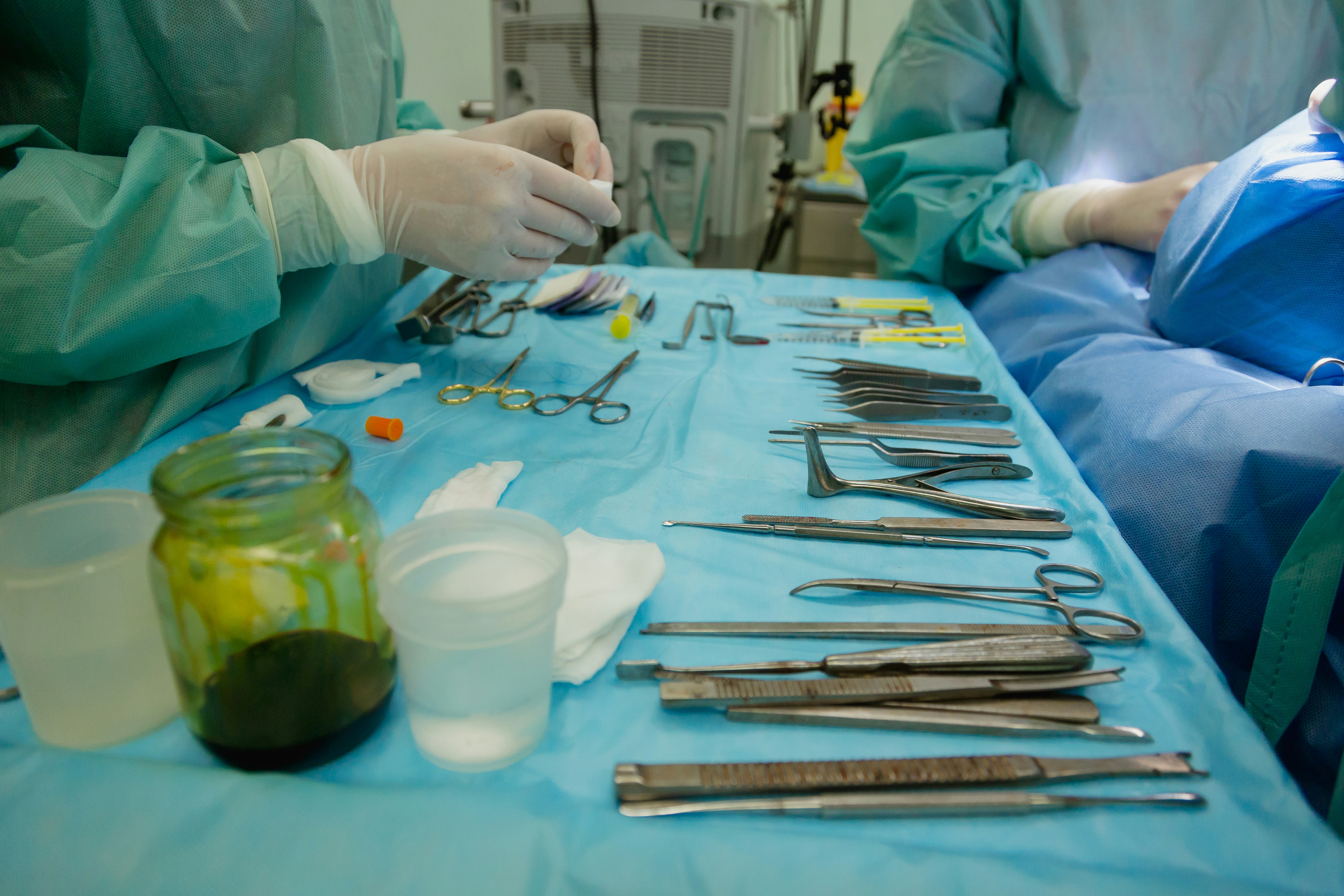
The surgical tech field is projected to grow 5% through 2034, with roughly 8,700 job openings materializing annually. Those positions are going to people who can anticipate the next three moves, communicate without breaking sterile field, and keep their composure when a routine appendectomy suddenly becomes a code blue. This guide breaks down the skills that matter – not just the ones listed in your textbook.
The Technical Foundation: What You Can't Fake Your Way Through
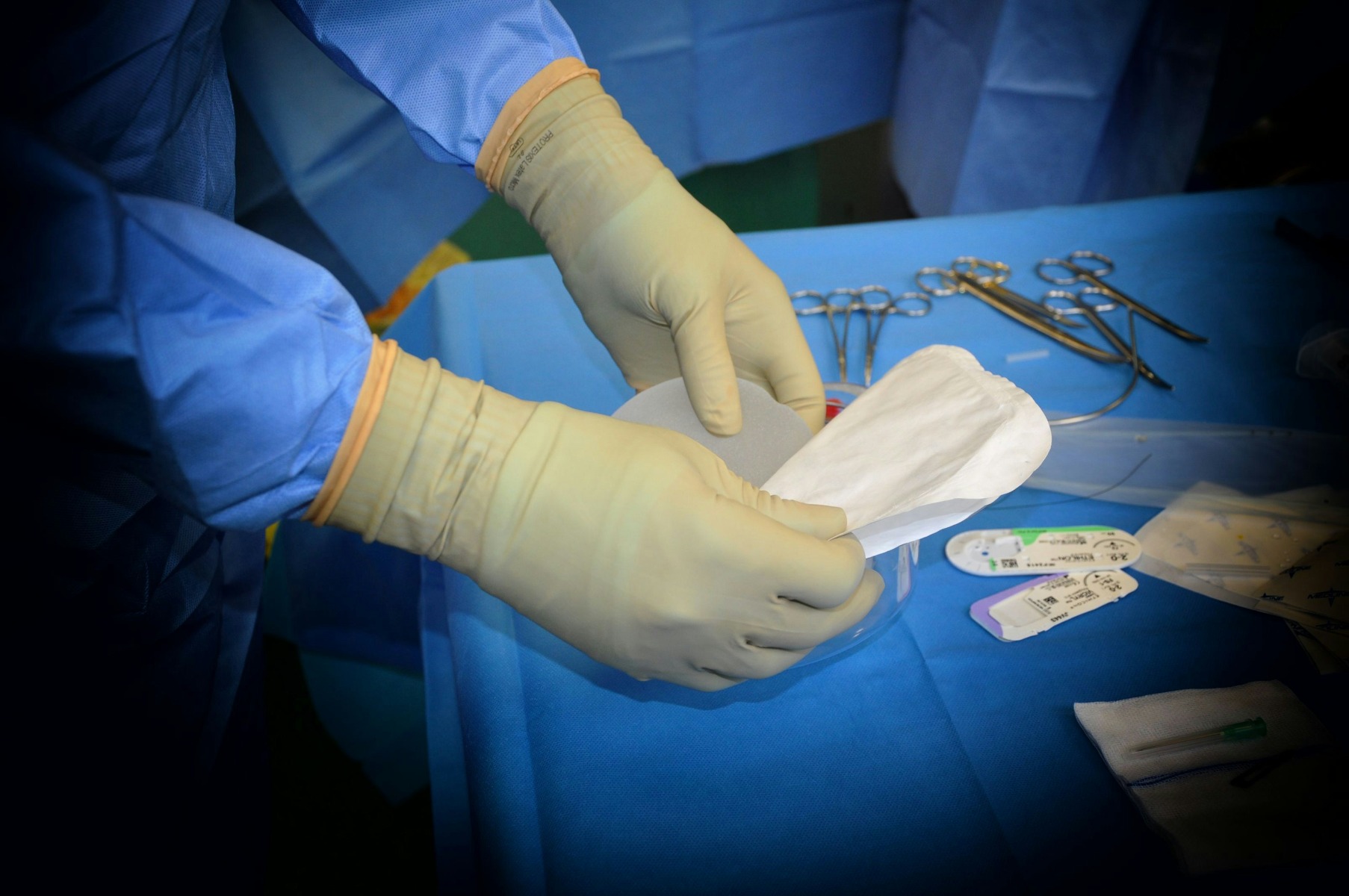
Sterile technique is the foundation of everything you'll do. Surgical technologists must be detail-oriented and pay close attention to their work, such as providing the correct sterile instruments for surgeons during an operation.
“We need to commit to certification and ongoing education for our sterile processing staff. They need to have the knowledge and skills required to produce quality work and ensure that our customers receive clean, sterile, and functioning instruments for their surgeries.”
– Mary Velasco, Manager of Sterile Processing at Henry Ford Macomb Hospital
That ‘expert’ designation is accurate. You're the person who spots the contaminated glove before anyone touches it. You're the one who calls out the break-in technique that could lead to a surgical site infection.
Here's what that expertise looks like in practice:
- Instrument recognition and handling become muscle memory: You need to identify hundreds of instruments by sight and feel, understand their specific uses, and know how to arrange them for different procedure types.
- Anatomy knowledge that goes beyond memorization: When you're standing across from a surgeon doing a bowel resection, you'd better understand which structures are where and why that matters for instrument placement.
- Equipment troubleshooting under pressure: Surgical technologists work with a variety of medical equipment, including diagnostic tools, imaging devices, and robotic systems, and must understand how to operate these instruments effectively and troubleshoot any issues. When the electrosurgical unit starts acting up mid-procedure, you need solutions in seconds, not minutes.
Soft Skills the Cream of the Crop Have
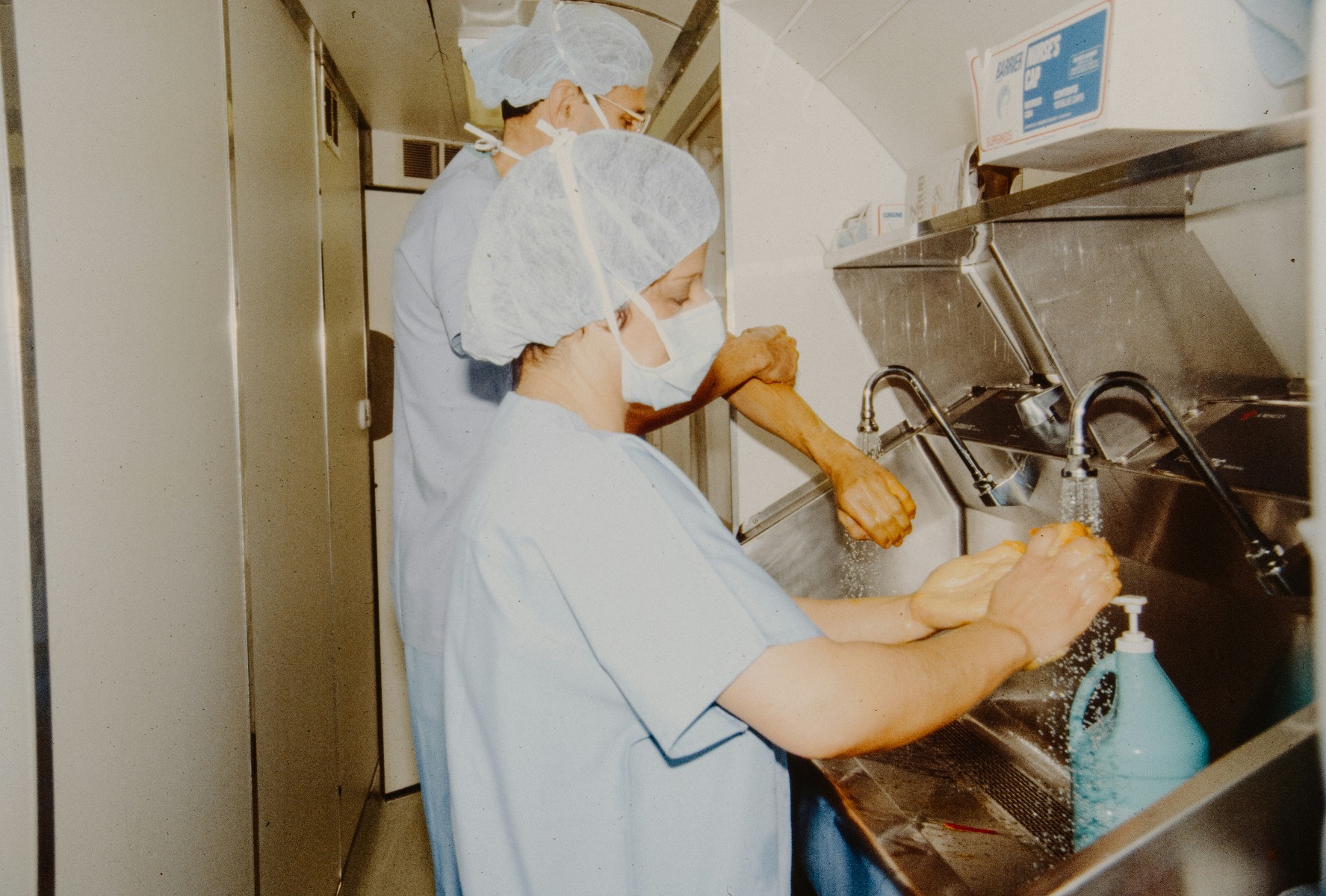
Now we get to the skills your program probably mentioned once during orientation before immediately returning to instrument counts. These matter more than anyone admits upfront.
Watch an experienced surgical tech, and you'll notice something: they're always one step ahead. Before the surgeon asks for the next instrument, it's already in position. Before the nurse needs another sponge, it's counted and ready. This is pattern recognition built from experience and active observation.
Essential skills for surgical technologists include:
- Communication
- Teamwork
- Problem-solving
- Adaptability
- Emotional resilience.
Here's how you’ll put those skills to practice:
- Communication that respects hierarchy without becoming invisible: You're working with surgeons, anesthesiologists, and nurses who all outrank you in the medical pecking order. But when you spot a problem, you need to speak up clearly and immediately. Surgical techs balance being assertive about patient safety and being respectful of team dynamics.
- Stress management that keeps you functional: Stress-management skills are critical as working in an operating room can be stressful, and surgical technologists should work well under pressure. I'm talking about true high-pressure scenarios: trauma surgeries where the patient is actively bleeding out, emergency C-sections where seconds matter, or those nightmare scenarios where complications cascade faster than anyone anticipated.
- Physical stamina for those surgical marathons: Surgical technologists should be comfortable standing for extended periods. Try standing in the same spot for eight hours wearing heavy lead if you're in a cardiac cath lab, maintaining perfect posture so you don't contaminate anything, and staying mentally sharp enough to catch every detail. That's the reality.
“Being a part of a surgical team is poetic to me. Being able to critically think, anticipate, and stay organized are the top assets that I bring to the field.”
– Brian Kriever, Surgical Technologist at Southeast Community College
The Skills You Develop on the Job (and Why Your First Year Counts)
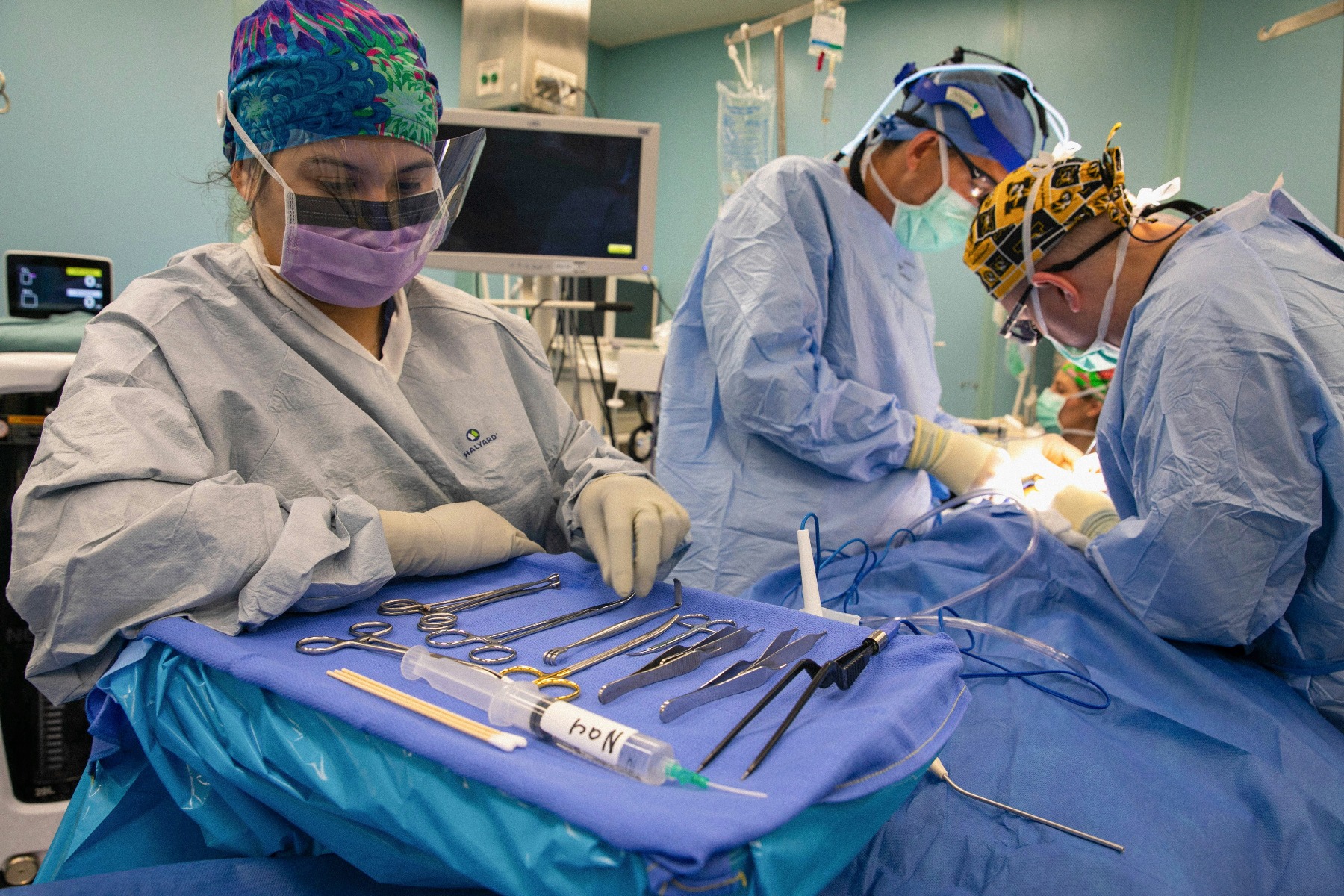
Your certification gets you in the door. But here's what you can't learn until you're physically doing it:
- Time management in controlled chaos: Your morning starts with three scheduled surgeries. Then an emergency trauma rolls in. Then the afternoon's orthopedic case runs long because of unexpected complications. Your ability to prioritize, communicate with staff, and maintain quality across all of it? That's what determines whether you're asked to work the next trauma or left off the schedule.
- Sustained emotional resilience: You're going to see things. A patient who doesn't make it off the table. A child with injuries that never should have happened. A routine surgery that goes catastrophically wrong despite everyone's best efforts. The surgical techs who last develop coping mechanisms and boundaries that protect their mental health while maintaining their empathy.
- Continuous learning as a survival strategy: New surgical techniques emerge constantly. Robotic surgery systems update their software. Instrument manufacturers redesign tools. If you're not regularly investing in continuing education, you're falling behind.
Building Your Surgical Tech Skill Set
Start with Proper Training
- Health Tech Academy's 16-week surgical technologist certification program costs $3,450 and includes the course materials, NRST certification exam fee, and exam prep resources that most programs charge extra for.
- Community colleges can take 1-2 years and cost $2,000-$10,000 annually before you factor in books ($500-$2,000) and exam fees ($200-$500).
Enroll and immediately gain access to our Surgical Tech Practice Exam to assess your OR readiness and identify knowledge gaps before you embark on the full program.
Health Tech Academy vs Community and Online Colleges
| Feature | Health Tech Academy | Community College | Online Colleges |
|---|---|---|---|
| Program & tuition cost | $3,450 (one-time) | $2,000-$10,000 per year | $8,000-$19,000 per year |
| Books & materials | Included in tuition | Additional $500-$2,000 | Additional $500-$2,000 |
| Certification exam fee | Included in program | Additional $200-$500 | Additional $200-$500 |
| Job ready timeline | 4-6 months | 1-2 years | 6 months-2 years |
| 100% online format | ✓ Yes | ✗ No | ✓ Yes |
| 1-on-1 coaching | ✓ Yes | ✗ No | ✗ No |
| Job placement assistance | ✓ Yes | Varies by institution | Varies by institution |
Hear from One of Our Surgical Tech Students
A Dose of Reality for Any Surgical Tech
Let's close with some honesty. This job isn't for everyone, and that's completely fine. If you can't handle blood, if you need frequent breaks, if you shut down under pressure, if you struggle with hierarchical environments – this might not be your calling.
If you find satisfaction in precision work and you like being the person who makes everything run smoothly behind the scenes, this will be a prosperous career for you.
- The median annual wage sits at $62,830 as of 2024, with room to grow as you specialize.
- Job security is strong, with an unemployment rate that dropped to just 1.29% by 2021.
Start with the technical foundation, but don't neglect the soft skills. Push yourself to grow beyond your comfort zone. And remember: every expert surgical tech was once standing where you are, wondering if they had what it takes.
Frequently Asked Questions and Answers
What's the Most Important Skill for a Surgical Tech to Master First?
Sterile technique, hands down. You can improve your speed, refine your communication, and develop better anticipation over time, but if you can't maintain a sterile field, you're a liability in the OR. Everything else builds on this foundation.
How Long Does it Take to Feel Confident as a Surgical Tech?
Most techs report feeling reasonably comfortable after 6-12 months in a clinical setting, but true confidence usually takes 2-3 years. Your first year involves constantly learning and occasionally feeling overwhelmed. That's normal.
Can I Specialize in a Specific Type of Surgery as a Surgical Tech?
Absolutely, and many techs do that after gaining 2-3 years of general OR experience. Cardiovascular, neurosurgery, and orthopedics represent the most common specializations. The downside is less variety in your daily work, but you become skilled at your speciality’s specific procedures and instruments.
Do I Need to Be Good at Math to Be a Surgical Tech?
You need basic math skills for counting instruments and sponges, calculating medication doses occasionally, and managing inventory. We're not talking calculus level though. If you can reliably add, subtract, multiply, and divide, you're fine. The bigger challenge is maintaining focus and accuracy when you're tired, stressed, or dealing with multiple tasks simultaneously.
What if I'm Great at the Technical Skills but Struggle with the Soft Skills?
Then you work on them intentionally, the same way you worked on learning instrument names. Communication, teamwork, and emotional resilience are skills you can develop. Many surgical tech programs and hospitals offer communication workshops specifically for OR staff. Seek out feedback from experienced techs and surgeons, watch how successful team members interact, and be willing to step outside your comfort zone.