
This breakdown covers the scope of practice differences, the training requirements, real salary data, and what each credential opens up down the road – so you can make a decision based on facts rather than guesswork.
What Each Role Does
The CNA's Day-to-Day
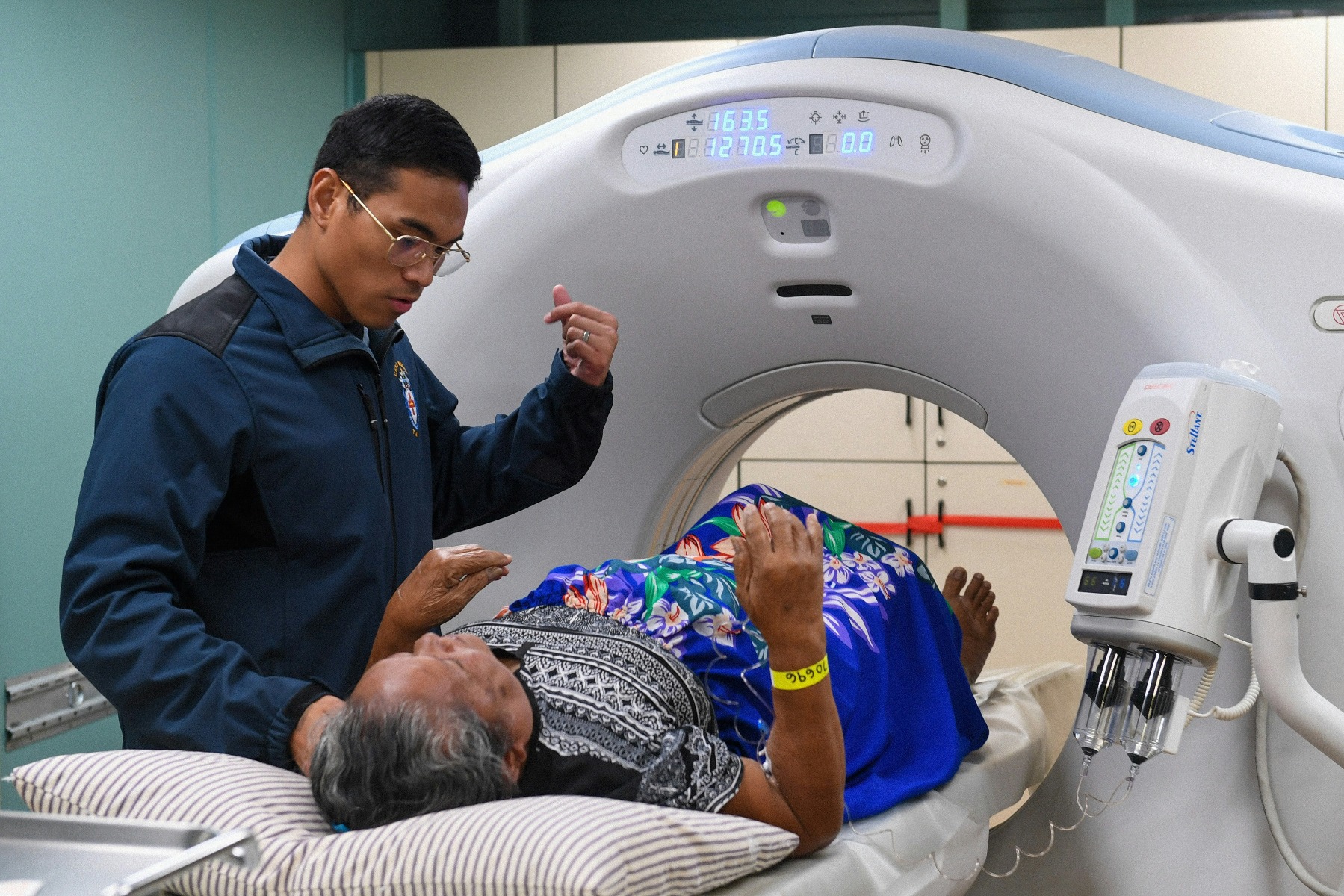
A Certified Nursing Assistant (CNA) operates primarily in the space of Activities of Daily Living – the clinical shorthand for the fundamental things patients need help with when illness, age, or disability gets in the way. Bathing, dressing, feeding, repositioning, mobility assistance, and toileting are the core of CNA work.
CNAs also monitor and record vital signs (blood pressure, pulse, temperature, and respiratory rate) and, critically, act as the eyes and ears of the nursing team – observing changes in patient condition and relaying them to the supervising registered nurse (RN) or licensed practical nurse (LPN).
What often surprises people entering CNA work is how much the role is built around communication. The licensed nursing staff relies on CNA observations to catch early warning signs. In a busy long-term care facility, a nurse might see a given patient for a few minutes per shift; the CNA may spend hours with them. That proximity matters clinically.
CNAs work most commonly in nursing homes, long-term care facilities, assisted living communities, and hospitals. Federal law, under the Omnibus Budget Reconciliation Act (OBRA), regulates the content of CNA training programs, which means a CNA certification earned in one state is generally portable across state lines, though you'll still need to appear on the receiving state's registry.
The PCT's Expanded Scope
A Patient Care Technician does everything a CNA does – and then layers on a set of clinical skills that cross into territory traditionally handled by licensed nurses or specialized technicians. The three skills that define the PCT role above CNA level are:
- Phlebotomy (drawing blood).
- EKG monitoring and electrode placement.
- Urinary catheter insertion and removal.
Some PCT positions also include basic wound care, specimen collection, IV access support (under supervision), and point-of-care testing. The exact scope varies by state regulation and employer policy, but in acute care hospital settings, the expanded skill set is well-utilized and expected.
This broader toolkit explains why PCTs are more commonly employed in hospitals and specialty clinics (dialysis centers, cardiac units, and emergency departments) rather than long-term care. When a floor nurse needs a 12-lead EKG at 2 AM or a stat blood draw before a physician arrives, a PCT handles it independently. That operational value is reflected, to some degree, in pay.
Training Length and Certification: What You're Signing Up For
CNA Training
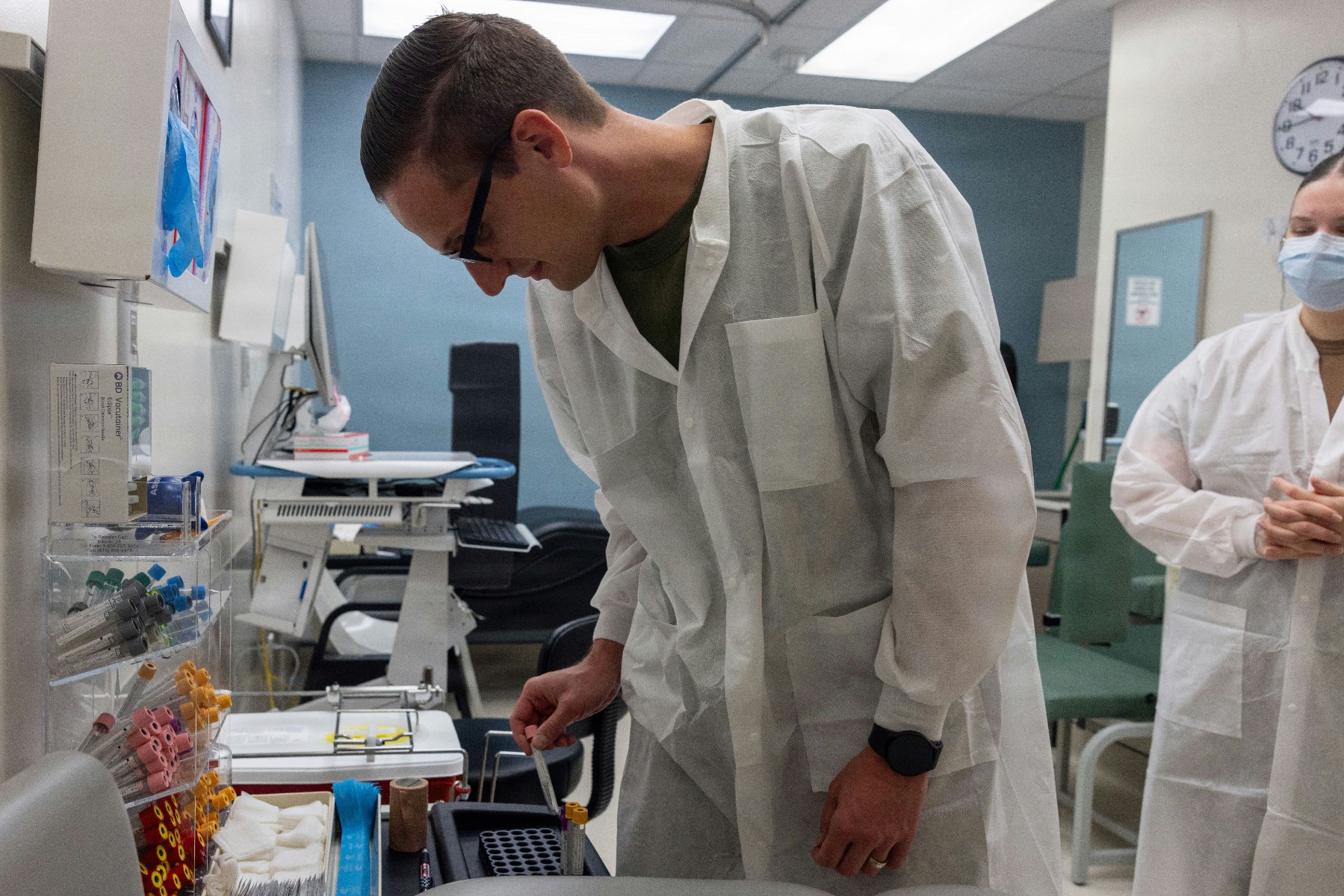
Federal regulations mandate a minimum of 75 training hours for nursing assistants working in Medicare- and Medicaid-certified facilities, though many states require between 120 and 180 hours. Programs include classroom instruction and a supervised clinical component. After completion, candidates sit for a state competency exam that includes both a written portion and a hands-on skills demonstration.
Once certified, CNAs must appear on their state's Nurse Aide Registry to legally work in regulated facilities. Recertification requirements vary, but most states require proof of ongoing employment in a nursing assistant capacity to maintain active status.
PCT Training
PCT training programs are longer and more clinically intensive. Programs range from roughly 3 to 6 months in traditional vocational or community college settings. Some hospital-based programs are shorter – often 2 to 3 months – but these are typically internal pipelines that require prior healthcare experience.
Health Tech Academy's 16-week Patient Care Technician Program is built specifically to take students from no clinical background to job-ready in a structured, focused format. The curriculum covers core CNA-level patient care skills, phlebotomy, EKG monitoring, and the clinical reasoning needed to work effectively in hospital environments.
Hear from One of Our Students
Graduates are prepared to sit for the CPCT (Certified Patient Care Technician) certification – a nationally recognized credential through the National Healthcareer Association (NHA) that is not tied to a single state, unlike the CNA registry system.
That portability is a genuine advantage. The CPCT credential follows you across state lines without the recertification bureaucracy that CNA holders sometimes encounter when relocating.
Pay Differences: The Black and White Numbers
Salary comparisons between PCTs and CNAs are messier than most articles let on, partly because PCTs aren't tracked as a standalone occupation by the Bureau of Labor Statistics (BLS).
- CNAs: The BLS reports a median annual wage of $39,530 for nursing assistants as of May 2024. The bottom 10% earn under $31,390; the top 10% exceed $50,140. Pay varies substantially by setting – hospital-based CNAs tend to earn more than those in nursing homes.
- PCTs: BLS categorizes many PCT roles under broader ‘health technician’ classifications. Glassdoor data puts the average PCT salary around $45,000 annually, while Goodwin University's analysis of BLS health technician data places the median closer to $45,000 per year (approximately $22/hour). Salary.com reports an average PCT salary of around $34,328, though this figure likely undercounts hospital-based roles where PCTs with phlebotomy and EKG skills command higher wages.
PCTs, on average, earn somewhat more than CNAs – with the gap most pronounced in acute care hospital settings, where the additional clinical skills have direct operational value. The differential tends to narrow in long-term care environments where PCT skills are underutilized.
Connecticut ranks as the highest-paying state for health technicians overall, with mean salaries around $67,380. California, New York, and Massachusetts consistently show above-average wages for both CNAs and PCTs.
Watch Our Video on How Much a Patient Care Technician Makes
What the Workforce Data Says

Mercer's 2024 analysis projects a nationwide deficit of over 73,000 nursing assistants by 2028 – making nursing assistants the healthcare occupation with the single largest projected shortage of any role analyzed.
"A shortage of 100,000 healthcare workers will exacerbate existing disparities in healthcare access in certain states."
– Dan Lezotte, Partner, Mercer’s US Workforce Strategy & Analytics Practice
That shortage creates leverage for people entering the field now. Facilities competing for direct care staff have been offering sign-on bonuses, shift differentials, and tuition reimbursement at rates that were uncommon a decade ago.
Watch Our Video on HTA's Solutions to Workforce Shortages
“Because of structural issues with the CNA role, including high workload and low wages, CNAs typically leave an organization after one year. That churn creates constant vacancies – and it's part of why PCT roles, which offer slightly higher pay and more clinical variety, tend to show better retention in acute care settings.”
– Allyson Paiewonsky, Mercer Advisory Board Member
Considering PCT training? Take our free career assessment to gauge your readiness.
Advancement Options: Where Each Role Can Take You
From CNA
The CNA credential is widely recognized as a starting point. Common progression paths include:
- LPN (Licensed Practical Nurse): 12–18 months of additional education. LPNs earn a median of around $59,730 annually.
- RN (Registered Nurse): Associate Degrees in Nursing (ADN) run approximately 2 years; Bachelor of Science in Nursing (BSN) programs 4 years. Median RN salary: $93,600.
- Specialized CNA roles: Some CNAs advance into restorative care aide positions, medication aide roles (in states that permit it), or supervisory aides.
CNA experience counts toward clinical hours in many nursing programs, which can reduce the time-to-completion in bridge programs.
From PCT
PCT career pathways overlap with CNA paths, but the PCT's specialized skills create some additional lateral options:
- Phlebotomy Technician (CPT): Already partially trained; additional certification opens dedicated phlebotomy roles with median wages around $41,810.
- Cardiovascular Technologist: For those drawn to the EKG side of PCT work. BLS reports median wages around $67,260 for cardiovascular technologists.
- Dialysis Technician: A specialized PCT niche with strong demand and a distinct certification pathway.
- Emergency Medical Technician (EMT): Some PCT skills transfer into EMT training programs, and the acute care experience is directly relevant.
The PCT's clinical breadth makes the credential useful as a stepping stone to allied health specializations, which gives this path a bit more flexibility for people who aren't certain they want to go the nursing route.
PCT vs CNA: A Direct Comparison
Who Should Choose Which Path
If your goal is to enter the healthcare workforce as fast as possible, especially in a long-term care or assisted living setting, and you're not yet certain you want hospital-based work, a CNA program gets you there quickly. The shorter training window and lower upfront time commitment make it a practical entry point.
If you're aiming for a hospital environment, want the clinical breadth that comes with phlebotomy and EKG skills, and prefer a nationally portable credential with a higher starting wage, the PCT route is the stronger play.
Labor pools that support nurses, such as nursing assistants or patient care technicians, have felt underpaid for years. With low unemployment rates and different benefits offered by the retail and hospitality industry, these healthcare workers are moving to other industries.
That's the competitive reality both roles face – and it's precisely why pursuing the credential with the higher earning potential and broader clinical application makes sense for anyone thinking beyond their first job.
Frequently Asked Questions and Answers
Is a PCT Higher than a CNA?
In terms of scope of practice and typical pay, yes. PCTs operate at a broader clinical level than CNAs. They perform all the functions of a CNA plus additional skills like phlebotomy and EKG monitoring. However, higher doesn't mean one role is more valuable than the other in every setting.
Can a CNA Become a PCT Without Starting Over?
In many cases, yes. Some PCT programs accept CNA certification as a prerequisite or give credit toward the curriculum's foundational components. Health Tech Academy's 16-week program is designed to bring candidates to PCT readiness regardless of prior clinical background, so prior CNA experience can be an asset, but isn't always required.
What is the CPCT Certification?
The CPCT is a nationally recognized credential issued through the National Healthcareer Association (NHA). Unlike state-based CNA certification, the CPCT is not tied to a specific state registry, making it portable across state lines.
Do PCTs Make More Than CNAs?
On average, yes – though the gap varies by setting. In hospital environments, PCTs typically earn a few thousand dollars more annually than CNAs, given their expanded skill set.
Is PCT Certification Valid in All States?
The CPCT credential from the NHA is nationally recognized and not state-specific, which is one of its primary advantages over state-based CNA certification. Individual employers or states may have additional requirements for specific skills (some states regulate phlebotomy separately, for example), but the core CPCT credential is recognized across the country.
Which Role is in Higher Demand?
Both face strong demand, but the context differs. PCTs are in particularly strong demand in hospital and specialty clinic settings as facilities look for support staff who can handle multiple clinical functions without requiring a licensed nurse.