

Yet the role stays poorly understood outside of healthcare, partly because patient care technician duties shift so dramatically depending on where in the hospital a PCT is deployed. The intensive care unit (ICU) PCT is doing something fundamentally different than the one working on a medical-surgical (med-surg) floor or the one managing triage flow in the emergency room (ER). Understanding those distinctions matters – whether you are exploring a career or just trying to understand what keeps hospital units running.
What a Patient Care Technician Does
The standard job description for a PCT covers:
- Vital signs.
- Activities of daily living (ADLs).
- Phlebotomy.
- Electrocardiogram (EKG) monitoring.
- Specimen collection.
- Patient transport.
That list is accurate but incomplete. What it misses is the relational dimension of the role. PCTs typically spend more direct, sustained time with individual patients than any other member of the care team, including nurses.
That proximity has measurable clinical value. Because PCTs are constantly at the bedside, they are frequently the first to notice when something is off – a patient who stopped eating, a subtle change in responsiveness, an unusual odor that signals infection. These observations get passed up the chain to the registered nurse (RN) or attending physician, and they genuinely affect outcomes.
According to the National Healthcareer Association (NHA), many nurses report feeling burnt out after having to practice outside their scope to cover support responsibilities better suited for patient care technicians – and when PCTs are available to monitor vital signs, respond to patient requests, and handle day-to-day care, nurses are less likely to be overextended.
The 2024 nursing turnover rate sat at 20.7%, and 53% of employers cited retention as their biggest challenge. PCTs are a documented part of the solution, not just a staffing convenience.
"I wish the public understood how integral patient care technicians are to the healthcare team. They provide essential support to both patients and nurses, ensuring that patients receive the best care possible. Their work often goes unrecognized, but they are the backbone of patient care, performing vital tasks that contribute to patients' overall well-being and recovery."
– Chevella Williams, MSN, Healthcare Program Manager at Midlands Technical College
How Patient Care Technician Duties Differ by Hospital Unit
The patient care technician credential is the same; the day-to-day work is not.
Intensive Care Unit
Working the ICU as a PCT is not an entry-level experience in the emotional sense. Patients here are the sickest in the hospital, often on mechanical ventilators, continuous intravenous (IV) drips, and invasive monitoring lines. The PCT is not running the equipment – that falls to the RN and respiratory therapist – but they are deeply embedded in the care cadence.
In the ICU, a PCT typically handles:
- Turning and repositioning patients on a strict schedule (pressure injury prevention in ICU patients is a serious protocol).
- Maintaining meticulous intake and output records.
- Assisting with oral care for intubated patients (which directly reduces ventilator-associated pneumonia rates).
- Performing 12-lead EKGs on demand.
- Drawing blood cultures.
- Providing continuous companionship to patients who are often disoriented or sedated.
PCT-to-patient ratios in the ICU are intentionally low. Where a med-surg PCT might cover eight to ten patients alongside nursing staff, an ICU PCT may work with four to six patients across the shift. The acuity demands it.
Medical-Surgical Units
Med-surg is the beating heart of most hospitals and, arguably, the most demanding environment for PCTs in terms of sheer volume and task variety. Patient turnover is high – admissions, discharges, and transfers can happen multiple times per shift. Patient populations are extraordinarily mixed:
- Post-surgical recovery.
- Diabetic management.
- Cardiac monitoring.
- Orthopedic cases.
- Stroke follow-up.
Here, patient care technician duties lean heavily toward ADLs (bathing, feeding, ambulation, and hygiene), vital sign monitoring every four hours (or more frequently for unstable patients), specimen collection, blood glucose checks, and helping patients get up for the first time after surgery, which carries fall-risk management responsibility.
Med-surg PCTs often develop more clinical adaptability than specialists in higher-acuity units, simply because the patient mix is so diverse. A single PCT might assist a 78-year-old hip replacement patient in the morning and a 34-year-old managing a diabetic ketoacidosis workup that same afternoon.
Ready to work in environments like this? Health Tech Academy's 16-week Patient Care Technician Program trains you for the full scope of hospital-based PCT work.
Hear from One of Our Students
Health Tech Academy vs Community and Online Colleges
| Feature | Health Tech Academy | Community College | Online Colleges |
|---|---|---|---|
| Program & Tuition Cost | $2,000 | $2,000 to $10,000/year | $8,000 to $19,000 per year |
| Books, Materials, & Fees | ✓ Included | + $500 to $2,000 | + $500 to $2,000 |
| Certification Exams & Fees | ✓ Included | + $200 to $500 | + $100 to $200 |
| Job Ready In | 4-6 months | 4 months to 2 years | 4 months to 2 years |
| Clear Path to Certification | ✓ Yes | ✗ No | ✓ Yes |
| 1-on-1 Career Coaching | ✓ Yes | ✗ No | ✗ No |
| Schedule Flexibility | ✓ Yes | ✗ No | ✓ Yes |
| Travel Requirements | ✓ None | Some | ✓ None |
| Job Placement Assistance | ✓ Yes |
✓ Yes | ✓ Yes |
Emergency Department
The emergency department (ED) PCT operates in a fundamentally different rhythm than ICU or med-surg counterparts. Where other units value sustained monitoring over time, the ED rewards speed, adaptability, and the ability to rapidly assist without complete clinical context.
ED PCTs perform:
- Initial intake vitals.
- Assist with wound care and splinting.
- Draw blood for rapid lab turnaround.
- Perform 12-lead EKGs on chest pain presentations.
- Set up procedure rooms.
- Transport patients for imaging.
- Provide essential coordination when a trauma bay fills up fast.
Some ED departments also cross-train PCTs in basic patient triage support – flagging patients who cannot wait – though the formal triage role belongs to licensed nurses.
On the other hand, the emotional labor of the job is disproportionately high. Patients in the emergency department often arrive frightened, in pain, or in crisis, with minimal advance preparation. PCTs are frequently the first calm face a patient sees, and their ability to de-escalate, reassure, and communicate clearly has a direct bearing on the clinical encounter that follows.
Skills and Competencies That Cross Every Department

Despite the unit-specific variation in patient care technician duties, a set of core competencies runs through every deployment.
Clinical Technical Skills
- Vital sign measurement and interpretation.
- Phlebotomy.
- 12-lead EKG acquisition.
- Blood glucose monitoring via point-of-care devices.
- Urinary catheter care.
- Wound care support.
- Specimen collection and labeling.
The depth of application shifts by unit, but the foundational skill set is shared.
Communication and Documentation
Electronic health record (EHR) documentation is now a core PCT responsibility, not peripheral to the role. PCTs document vitals, intake/output records, ADL completion, and any noted changes in patient status. Accuracy here is clinical. An inaccurate output measurement in an ICU patient managing fluid balance is a patient safety issue.
Infection Control
Hand hygiene compliance, proper use of personal protective equipment (PPE), and isolation protocol adherence are non-negotiable across every unit. PCTs perform more physical patient contact than most clinical staff, making their infection control discipline especially consequential.
Physical Stamina and Body Mechanics
PCT work involves frequent patient transfers, repositioning, and ambulation assistance. Proper body mechanics – safe patient handling techniques – protect both the patient and the PCT. Most facilities now mandate training in zero-lift or minimal-lift patient handling, and PCTs are expected to use mechanical lift equipment for high-weight or high-risk transfers.
Emotional Regulation
PCTs witness patient suffering, family distress, and clinical emergencies on a regular basis. The ability to maintain composure, offer steady reassurance, and process difficult moments without burning out is genuinely a clinical skill – one that correlates with both patient satisfaction scores and PCT career longevity.
The Certified Patient Care Technician Credential
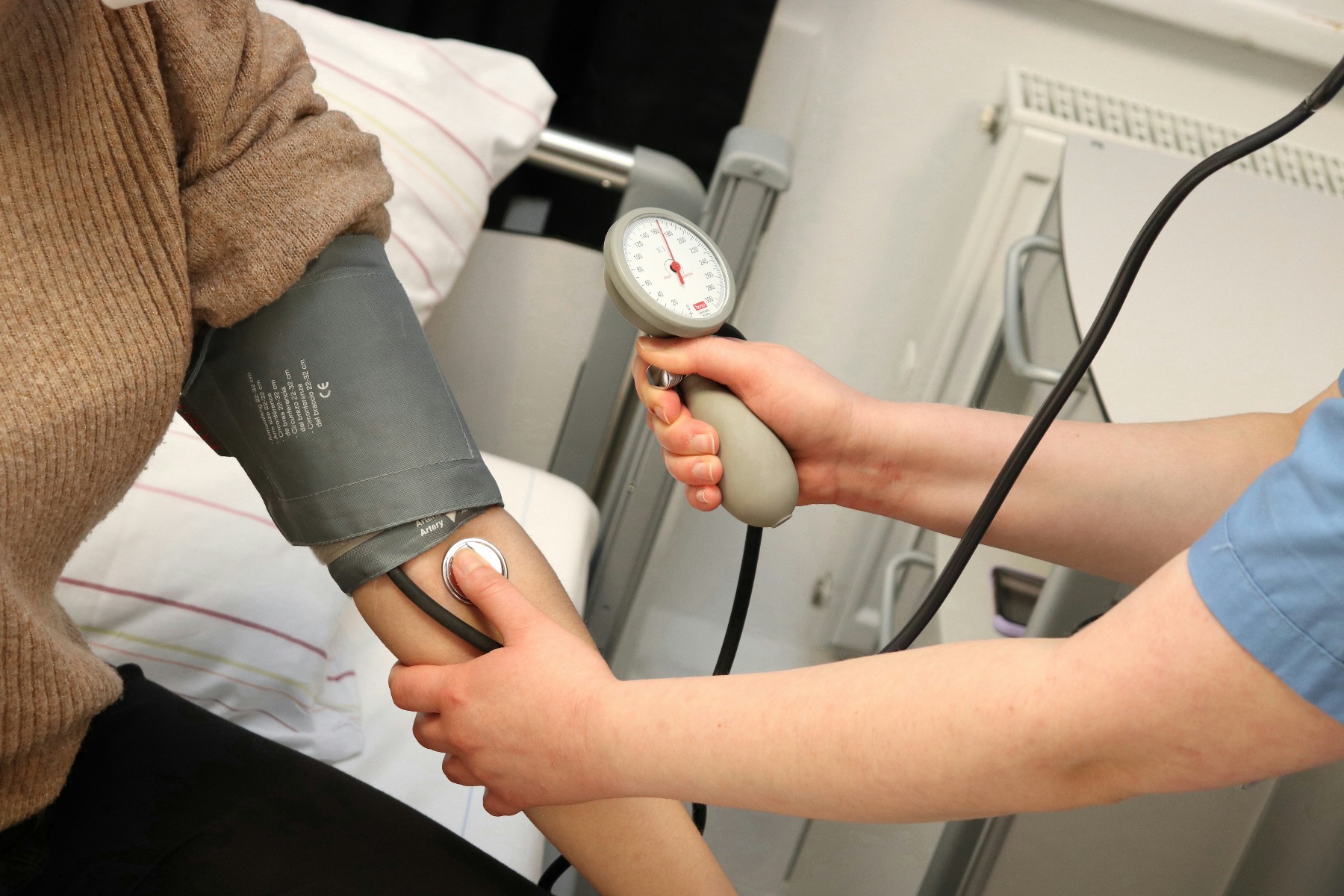
Not all PCT credentials carry equal weight with hospital employers. The Certified Patient Care Technician (CPCT) is the nationally recognized standard – and it is the certification that Health Tech Academy prepares students to earn.
The CPCT validates competency across the full scope of PCT practice: patient safety, phlebotomy, EKG, infection control, and direct patient care. Employers increasingly treat CPCT certification as a baseline hiring requirement rather than a bonus credential, particularly in acute care hospitals. Certified PCTs also demonstrate a commitment to professional standards that matter in promotion decisions.
PCTs must renew their certification every two years and complete ten continuing education credits during that period – an ongoing learning expectation that reflects how seriously the field takes clinical currency.
Watch Our Video on Whether a Patient Care Technician Certification is Worth It
Not sure if being a patient care tech is for you? Gauge your readiness with our free career assessment.
Facts about the Patient Care Technician Role to Bookmark
A few things that rarely surface in standard career guides:
- PCTs are frequently the bridge in language-access situations. In high-diversity patient populations, bilingual PCTs often serve as informal language liaisons between patients and nursing staff. Hospitals with structured language-access programs increasingly recruit PCTs who speak Spanish, Mandarin, Haitian Creole, or other prevalent community languages.
- The Bureau of Labor Statistics (BLS) projects approximately 211,800 PCT-category job openings each year. Not because the workforce is growing dramatically, but largely due to turnover. That means consistent hiring demand regardless of economic conditions, and it makes PCT certification a genuinely stable career foundation.
- Patient satisfaction scores are partly PCT-driven. Hospital Consumer Assessment of Healthcare Providers and Systems (HCAHPS) scores – which affect hospital reimbursement – include questions about response time to call lights, cleanliness, and staff communication. PCTs directly influence all three. Hospitals have a financial incentive to invest in PCT training that most patients never see on the surface.
Where Patient Care Technician Experience Leads
For many healthcare professionals, the PCT role is the launchpad, not the destination. The clinical exposure gained across hospital units builds a foundation that accelerates success in nursing school, paramedic training, respiratory therapy programs, and surgical technology.
The median annual wage for nursing assistants (which includes PCTs) as of May 2024 was $39,530, with experienced PCTs in hospital settings earning closer to $44,540 to $50,140. Phlebotomy certification and EKG competency push earning potential higher, and geographic location shifts those numbers substantially – PCTs in California, Massachusetts, and Alaska earn well above the national median.
For students entering the field now, the calculus is favorable: a 16-week investment in training and certification leads to employment in a field with consistent demand and a natural ladder to higher clinical credentials.
Frequently Asked Questions and Answers
What are the Main Patient Care Technician Duties in A Hospital?
Core duties include vital sign monitoring, phlebotomy (blood draws), 12-lead EKG performance, ADL assistance (bathing, feeding, and ambulation), specimen collection, catheter care, wound care support, and EHR documentation. The specific mix shifts significantly by unit – ICU PCTs focus heavily on critical monitoring support, med-surg PCTs manage high patient volume and diverse care needs, and ED PCTs prioritize speed and rapid patient intake.
How do PCT Duties Differ Between the ICU, Med-Surg, and ED?
ICU PCTs support critically ill patients with intensive repositioning, oral care protocols, precise intake/output tracking, and close collaboration with nursing on hemodynamically unstable patients. Med-surg PCTs manage broader patient loads with varied diagnoses, emphasizing thorough ADL care and frequent vitals. ED PCTs work at a fast, unpredictable pace.
Do I Need Certification to Work as a PCT?
Many employers, particularly acute care hospitals, require or strongly prefer the CPCT credential. Health Tech Academy's 16-week program prepares students to earn the CPCT, which is the nationally recognized standard for hospital-based PCT employment.
How Long Does it Take to Become a Patient Care Technician?
Most dedicated PCT programs run between 8 and 16 weeks. Health Tech Academy's program is 16 weeks – long enough to develop genuine clinical competency across phlebotomy, EKG, patient care fundamentals, and certification exam preparation.
Is PCT a Good Career for Someone Considering Nursing?
Strongly so. PCT work gives aspiring nurses direct, sustained clinical exposure across multiple patient populations and acuity levels before nursing school. Students who enter nursing programs with PCT experience typically report faster skill acquisition during clinical rotations and a stronger practical foundation for board exam preparation.
What Skills are Most Important for a Patient Care Technician?
Beyond the technical competencies, strong observational awareness, precise documentation habits, physical stamina, genuine empathy, and the ability to communicate clearly across the care team are vital. Communication skills are increasingly cited by hospital nursing managers as the differentiating factor in PCT hiring decisions.
What Does the CPCT Certification Cover?
The CPCT validates competency in patient safety and mobility, phlebotomy techniques, EKG acquisition, infection control, and direct patient care procedures. It requires renewal every two years with continuing education, keeping certified PCTs current with evolving clinical standards.