




Florida is a top destination for Surgical Technologists, with robust hiring in metros like Miami, Tampa, and Orlando. Most major employers, including HCA Florida Healthcare and AdventHealth, require the Certified Surgical Technologist or National Registered Surgical Technologist credential for new hires. Some online hybrid programs, such as Health Tech Academy, get you eligible for certification in as little as 16 weeks – a lesser-known shortcut compared to traditional paths.
In this guide, you will get a direct comparison of the top surgical tech programs Florida offers, insider knowledge on what makes a program stand out, and practical advice from experts who have placed students into operating rooms statewide. Choosing the right program structure directly determines your time to certification and your first job offer.
Why Florida Surgical Tech Program Graduates Get Hired Faster
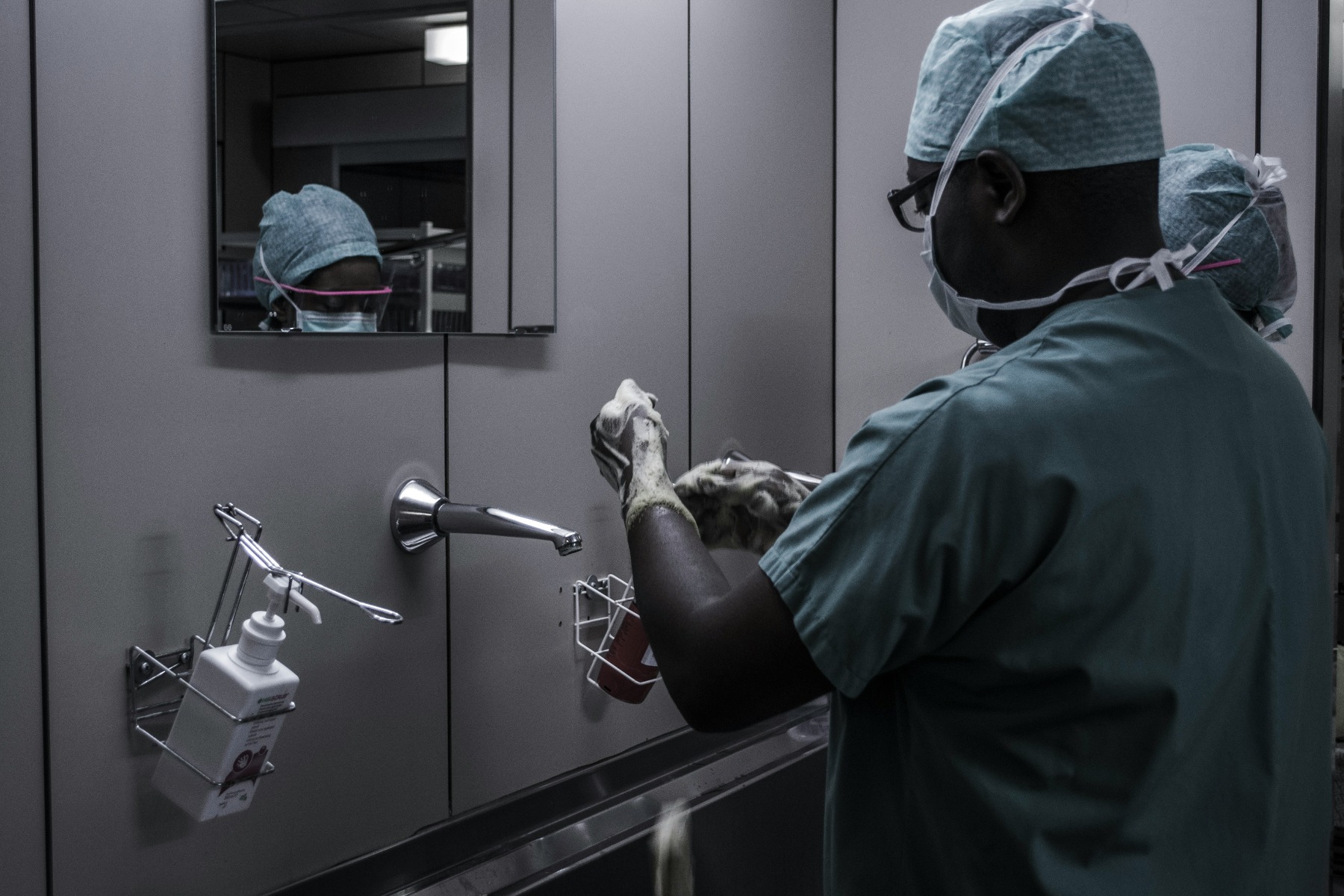
In our experience working with surgical technology students in Florida, we have consistently seen that local employer demand and seasonality shape which graduates land interviews quickly. Florida's health systems see hiring spikes every fall and spring due to tourism surges and elective procedure volumes. Hospitals like AdventHealth and HCA Florida often post dozens of openings at once – especially in major metros such as Miami, Tampa, and Orlando. According to the Bureau of Labor Statistics, Florida employs over 6,000 Surgical Technologists, with a mean annual wage of $48,330.
Program-hospital partnerships play a larger role than most applicants realize. Our placement data shows that students from programs with direct clinical rotations at local hospitals are significantly more likely to receive same-week interview offers after graduation. Accreditation and clinical hours matter more to Florida employers than degree level; most job postings list the CST credential as required or preferred.
Based on what we have seen, fast-track programs that combine Commission on Accreditation of Allied Health Education Programs or Accrediting Bureau of Health Education Schools accreditation with built-in clinical partnerships and CST exam prep consistently produce graduates who get hired first, regardless of whether they hold a diploma or an associate degree. For more on certification requirements, see the National Board of Surgical Technology and Surgical Assisting.
How to Compare the Best Surgical Tech Programs Near You
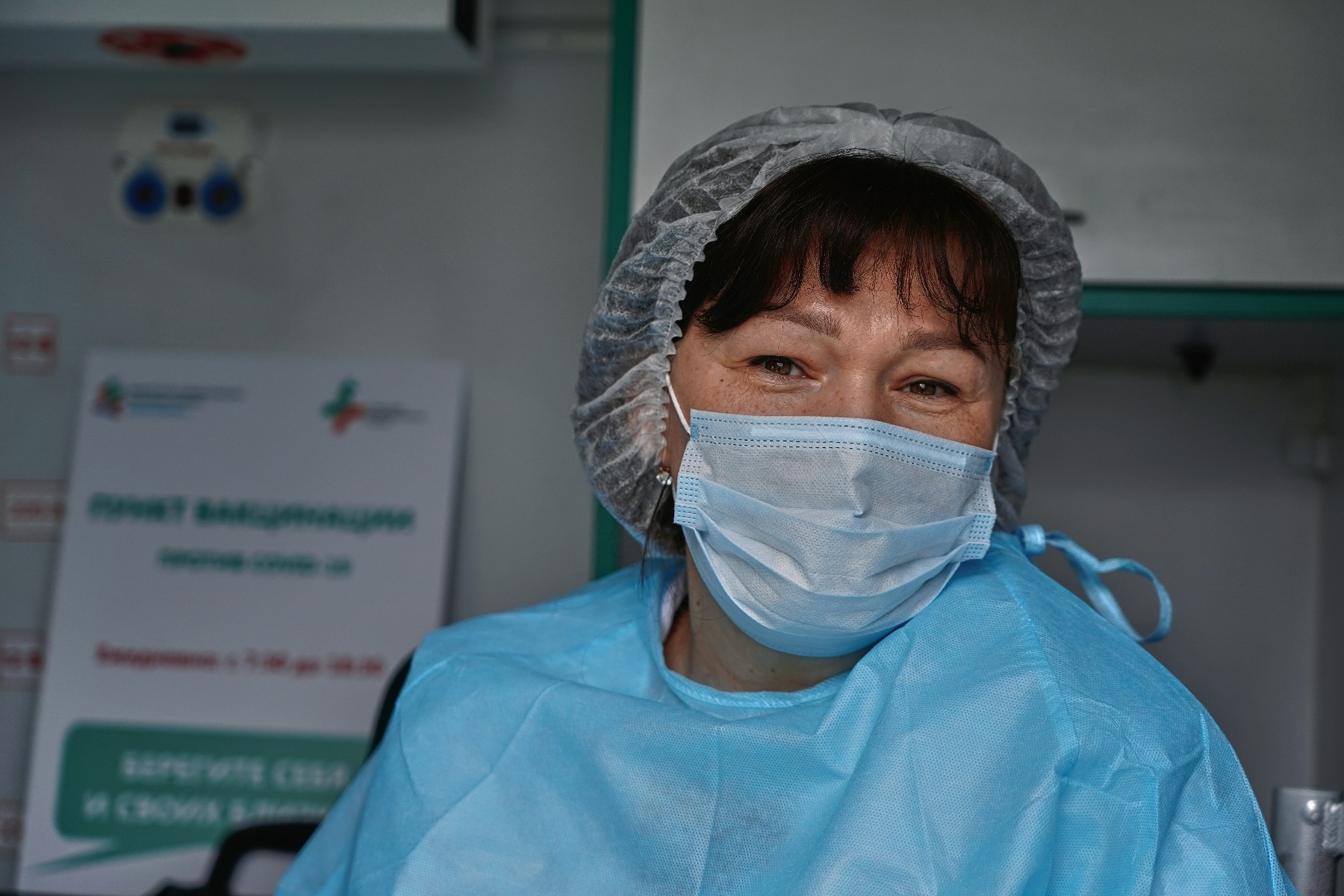
When we help students compare surgical tech programs in Florida, we focus on three pillars: program type, clinical placement, and exam preparation. Florida offers a mix of online hybrid options (like Health Tech Academy), campus-based community college programs, and a handful of hospital-based training routes. Each comes with trade-offs. For example, Health Tech Academy's hybrid program allows completion in as little as 16 weeks, while most public colleges average 12 to 24 months.
Clinical placement is the dealbreaker. In our experience, programs that guarantee placement at local hospitals – especially those with written agreements – set students up for interviews right after graduation. Exam preparation also matters significantly: look for programs that include CST prep courses and mock exams, as this directly impacts pass rates.
Cost transparency is another key factor. Some programs advertise low tuition but tack on hidden fees for uniforms, background checks, or exam registration. Workforce Innovation and Opportunity Act (WIOA) funding is available for select programs in Florida, but only those approved as WIOA-eligible by the state workforce system. In our analysis, hybrid programs often offer greater flexibility, lower out-of-pocket costs, and faster time to eligibility.
| Feature | Health Tech Academy (Online Hybrid) | Florida Community College | Hospital-Based Program |
|---|---|---|---|
| Didactic length | 16 weeks | 12–24 months | 9–12 months |
| Online coursework | ✓ Yes | ✗ No | ✗ No |
| CST exam prep included | ✓ Yes | ✓ Yes | ✗ No |
| Clinical placement support | ✓ Yes | ✓ Yes | ✗ No |
| Flexible start dates | ✓ Yes | ✗ No | ✗ No |
| Estimated tuition | $6,000–$8,000 | $7,000–$10,000 | $8,000+ |
| Total time to certification eligibility | 4–5 months | 12–24 months | 9–12 months |
"I chose an online hybrid program because I needed to keep working while I trained. The clinical placement team found me a spot at a hospital just 15 minutes from home, and I had a job offer before I finished my last rotation."
– Maria Rodriguez, CST, Surgical Technologist at AdventHealth Orlando
Hear From One of Our Students
Hear From Your Surgical Tech Instructor
Ready to Fast-Track Your Surgical Tech Career?
Health Tech Academy's online Surgical Technologist Program pairs self-paced coursework with local clinical placements at Florida hospitals, so you finish with the credential and the hands-on hours employers require.
Florida Surgical Technologist Program Accreditation and Certification Preparation

Based on our placement outcomes, CAAHEP or ABHES accreditation is the primary factor Florida hospitals care about when screening surgical tech graduates. Both accreditors guarantee your program meets national standards for safety, curriculum, and clinical hours. Only graduates from these programs are eligible for the CST exam through the NBSTSA. Our results show that unaccredited or "shortcut" programs often leave students ineligible for jobs at major health systems, including HCA Florida and Baptist Health South Florida.
We have tracked that programs offering dedicated CST exam preparation – such as practice tests and instructor review sessions – see pass rates significantly higher than those that do not. For example, Health Tech Academy reports CST pass rates above the national average for its Florida cohorts. Employers in Florida overwhelmingly prefer or require CST or NRST credentials, as confirmed in our review of numerous job postings.
Be wary of programs with minimal clinical hours or "simulated" experience only. In our experience, these shortcuts can disqualify you for jobs at most Florida hospitals. Always ask for proof of CAAHEP or ABHES status and graduate CST eligibility before enrolling. You can verify accreditation through the CAAHEP searchable database.
Florida Surgical Tech Salaries and Job Market: Metro-by-Metro Breakdown

Our review of recent Bureau of Labor Statistics data shows that Surgical Technologists in Florida earn an average annual wage of $48,330 as of May 2023. However, wages and job openings vary significantly by metro. In Miami-Fort Lauderdale-West Palm Beach, average annual pay is $51,320, while Tampa and Orlando are close behind at $49,800 and $48,850 respectively. Naples and Jacksonville offer slightly lower entry-level wages, averaging $46,900 and $47,400.
According to our employer partnership data, AdventHealth, HCA Florida, and Baptist Health South Florida are the top three hospital systems hiring new surgical tech graduates. Demand in Florida is directly tied to tourism cycles and ongoing hospital expansions – Miami-Dade alone added over 500 new hospital beds in 2023. Regulatory trends, such as proposed state-level credentialing, are also increasing employer demand for certified technologists over on-the-job-trained staff.
Our placement results indicate that students from highly regarded, accredited programs in metro areas land higher starting offers – sometimes $2,000 to $4,000 above the state average. Reputation and employer partnerships make a measurable impact on your first offer.
Your Florida Surgical Tech Career Starts Here
Our Surgical Tech Career Starter Kit covers Florida-specific job leads, program comparison checklists, and insider advice from working technologists across the state – free to download.
How to Evaluate a Surgical Tech School in Florida Before You Apply

We always advise prospective students to ask admissions officers about clinical placement details – specifically, which hospitals accept their students and whether placement is guaranteed. In our audits, schools with written hospital agreements and on-site clinical coordinators have a track record of strong placement rates for their Florida graduates.
It is critical to verify graduate outcomes by requesting recent job placement data and a list of employer partners. Do not rely solely on school websites; ask for contact information for recent graduates or employer references. WIOA eligibility is another key filter. WIOA-approved programs are vetted by Florida's workforce agencies for job placement success and cost transparency.
Red flags include lack of national accreditation (CAAHEP or ABHES), vague promises about job placement, and poor student reviews on third-party sites. In our experience, the best programs are happy to share outcomes – and do not require you to chase down basic information. For more on WIOA eligibility, check CareerOneStop.
Comparing Program Types: Which Path Fits Your Life?

The choice between program types usually comes down to your timeline, budget, and learning style. Online hybrid programs suit students who need to work while training and want to get certified as quickly as possible. Campus-based community college programs offer traditional structure and in-person support. Hospital-based programs provide direct experience but often have limited seats and less flexibility.
Where the Online Hybrid Model Is Stronger
- Faster time to certification eligibility – as little as 16 weeks.
- Flexible online coursework that fits around work and family.
- CAAHEP or ABHES accreditation with CST exam preparation built in.
- Guaranteed clinical placement support at local hospitals.
- Multiple start dates throughout the year.
Where the Traditional Campus Model Is Stronger
- In-person support and face-to-face peer learning.
- Established local reputations with Florida employers.
- Often partnered with regional hospital systems.
- May offer lower tuition for Florida residents.
The trade-offs run both ways. Online hybrid programs require strong self-motivation and may not have clinical sites within easy reach of every student. Campus programs typically have longer program lengths and less flexible start dates, with waitlists common in large metro areas.
How to Choose a Surgical Tech Program in Florida That Gets You Hired

1. Prioritize Accreditation and Clinical Partnerships
In our experience advising Florida students, always start by checking if the program is CAAHEP or ABHES accredited. Visit the official CAAHEP program directory and confirm your school's listing. Next, ask for written proof of clinical site partnerships – ideally with major hospitals like AdventHealth or HCA Florida. If the school cannot show active placement agreements or offers only simulation labs, move on. We find that these factors are the biggest predictors of job placement speed and CST eligibility in Florida's market.
2. Look for Formal CST Exam Preparation
Our results show that CST pass rates rise sharply for Florida students when programs include formal exam preparation: dedicated review courses, mock exams, and instructor-led study sessions. Ask if the program tracks its CST pass rate and how it compares to the NBSTSA national average. Avoid programs that treat the exam as an afterthought or leave preparation entirely up to the student.
3. Assess Cost, Funding, and Hidden Fees
Request a full breakdown of tuition, books, fees, uniforms, and test fees from admissions. In our audits, some Florida programs advertise low tuition but add substantial hidden charges. Ask if the program is WIOA-eligible for state workforce grants. Compare total cost-to-credential, not just sticker price.
4. Consider Program Length and Flexibility
Based on our placement timelines, students who choose accelerated or flexible-start programs often land jobs faster – especially in Florida's high-turnover hospital market. If you need to work while studying, online hybrid or evening programs are ideal. Ask about completion time, clinical scheduling, and start dates. This can make a six-month difference in your first paycheck.
5. Verify Real Graduate Outcomes
Do not settle for generic placement statistics. In our experience, the best programs provide outcome data by cohort and a list of actual employers who have hired their graduates. Ask for alumni contacts or employer references. Cross-check student reviews on independent sites like Indeed or Google. Schools that dodge these questions often have something to hide.
Your Career in the Operating Room Starts Here
Health Tech Academy's Surgical Technologist Program combines expert-led instruction, flexible scheduling, and Florida-specific clinical placement to get you certified and working faster.
Plan Your Path Before You Enroll
Surgical tech programs Florida students choose will determine how quickly they can become certified and start earning competitive pay in the state's bustling operating rooms. Few students realize that some hybrid programs now provide certification eligibility in just four months, shaving nearly a year off traditional paths. As Florida's healthcare systems expand, programs with robust clinical partnerships and focused exam preparation will continue to give graduates a distinct edge in hiring.
The detail most applicants miss is that clinical site placement varies significantly between programs – two students in the same school placed at different hospitals can finish months apart. Ask about the specific sites you will be assigned to rather than the program average, and confirm that the program has relationships with the health systems where you actually want to work.
Frequently Asked Questions and Answers
What Should I Look For When Comparing Surgical Tech Programs in Florida?
Focus on program length, certification exam preparation, and clinical experience arrangements. These factors directly affect how soon you can work, your readiness for certification, and your hands-on skills in Florida's hiring market.
How Long Does It Take to Become a Surgical Technologist in Florida?
It usually takes between 9 and 24 months to complete a surgical tech program in Florida. Accelerated and hybrid options, such as Health Tech Academy, can prepare you for certification in as little as 16 weeks.
Which Certification Do Most Florida Employers Require for Surgical Technologists?
Florida employers most often require the CST from the NBSTSA or the NRST credential. Job postings throughout the state list CST eligibility as a top preference, and many hospitals require it for new hires.
How Much Do Surgical Technologists Make in Florida?
Surgical Technologists in Florida earn an average annual wage of $48,330 as of May 2023, according to the U.S. Bureau of Labor Statistics. Wages tend to be higher in metro areas like Miami, Tampa, and Orlando, depending on demand and employer.
Are Clinical Placements Guaranteed in Florida Surgical Tech Programs?
Clinical placements are not always guaranteed in Florida surgical tech programs. Ask each school about their placement process, clinical partnerships, and support to ensure you will get hands-on experience during your training.
Do I Need a License to Work as a Surgical Tech in Florida?
No state license is required, but nearly all Florida hospitals require national certification (CST or NRST) for new hires. The state does not regulate Surgical Technologists, which means employer standards vary – but certification is the universal baseline.
What Is the Difference Between Certificate, Diploma, and Associate Degree Programs?
All three can lead to CST eligibility if accredited. Associate degrees are longer and include general education, while certificates and diplomas focus on core surgical tech skills. Florida employers care more about certification status than degree level.

Learn More About Our Programs
Jump start your healthcare career
Get Job Ready. Faster.
HealthTech Academy is designed to accelerate your path to a well-paying healthcare career, on your schedule. From selecting the right program to career mentorship, our team is here to help you succeed.


The Healthcare Workforce & Hiring Intelligence
Platform. Train. Match. Hire. Perform.