
Why Patient Care Technicians Are in Demand

The U.S. Bureau of Labor Statistics projects that nursing assistant and orderly positions – the category PCTs fall under – will see a 4% growth rate through 2032, but that figure undersells the shortage. A 2022 report from the American Hospital Association found that hospitals across the country were short more than 100,000 healthcare workers, with entry-level clinical roles sitting among the hardest to fill.
PCTs sit in an interesting middle ground. They do more than a Certified Nursing Assistant (CNA) – drawing blood, running electrocardiograms (EKGs), and assisting with more complex patient monitoring – but they don't require a nursing degree. That scope of practice, combined with the shortage, is why hospitals and long-term care facilities are actively recruiting people with formal PCT training even when they have no prior bedside experience.
Watch Our Podcast on HTA's Solutions to Workforce Shortages
What "No Experience" Means in This Field
Healthcare employers aren't necessarily looking for clinical experience – they're looking for clinical competency. Those are different things.
Someone who spent 10 years in retail management has transferable skills (patient communication, composure under pressure, and working odd hours) that genuinely matter on a hospital floor. What they're missing is the technical knowledge:
- How to properly take vitals.
- Perform a 12-lead EKG, collect a specimen.
- Respond when a patient's condition changes.
That gap is what structured PCT training is designed to close. This is also why the label "patient care technician no experience" doesn't mean what it sounds like. It means untrained yet.
The Patient Care Technician Training Paths Worth Considering
Not all PCT programs are created equal, and some are more employer-friendly than others. Here's a breakdown of the main routes:
- Community college programs: These typically run 6–12 months and include an in-person clinical component. They're accredited and well-regarded, but they come with scheduling constraints that don't work for everyone – especially people who are already working or raising kids. Costs vary widely, usually between $1,500 and $6,000, depending on the institution and state.
- Hospital-sponsored training: Some large hospital systems run their own PCT training pipelines. The upside: you're often hired upon completion. The downside: spots are limited, the curriculum is tailored to that system's specific protocols, and you're geographically locked. These programs aren't widely advertised, so most people don't even know they exist.
- Online bootcamp-style programs: Accelerated online programs have been designed specifically for career changers who need flexibility without sacrificing rigor. The program prepares students for the Certified Patient Care Technician/Technologist (CPCT) credential through the National Healthcareer Association (NHA), which is one of the most widely recognized PCT certifications among employers.
Hear From One of Our Students
How Structured PCT Training Bridges the Gap
Good PCT programs sequence learning in a way that builds clinical reasoning alongside technical skills. You don't start by learning how to draw blood. You start by learning about infection control, patient rights, and communication – the foundational layer that makes every other skill safer and more effective. EKG interpretation, phlebotomy, and vital signs monitoring get layered in as your baseline competency grows.
"The biggest predictor of student success in accelerated health programs is whether the curriculum is scaffolded properly and whether students have access to practice-based learning."
– Dr Cynthia Cunningham, Healthcare Educator
Employers can teach you their system's specific charting software or protocols. What they can't teach quickly is clinical judgment, and that's what a well-designed program builds over weeks of structured practice.
The CPCT Certification: What It Is and Why It Opens Doors

The CPCT from the NHA is not the only PCT certification on the market, but it's among the most portable. Unlike some credentials that are recognized primarily in one region or by one type of employer, the CPCT carries weight in hospital systems, outpatient clinics, rehabilitation centers, and long-term care settings across the country.
The exam tests across domains, including patient care skills, safety, communication, and technical procedures like phlebotomy and EKG. Passing it signals to employers that you've met a standardized benchmark, which is what they need when hiring someone without a track record of clinical employment.
One lesser-known detail: many employers actively use NHA certification status as a filter during hiring, even for entry-level roles. If you're submitting applications without a recognized credential, you may be screened out before a human ever reads your resume.
What Career Changers Get Wrong About PCT Training

The most common mistake is underestimating how much the certification exam matters relative to the training itself. Some people complete a training program, feel confident about their skills, and then don't invest enough preparation time into the NHA exam. The CPCT pass rate for first-time test-takers hovers around 70–75%, which means a meaningful portion of candidates have to retake it.
Practicing with realistic exam questions before test day is one of the most reliable ways to close that gap.
Take Health Tech Academy's free practice exam and see where you stand before the real thing.
What Employers Are Looking for in Entry-Level PCT Candidates
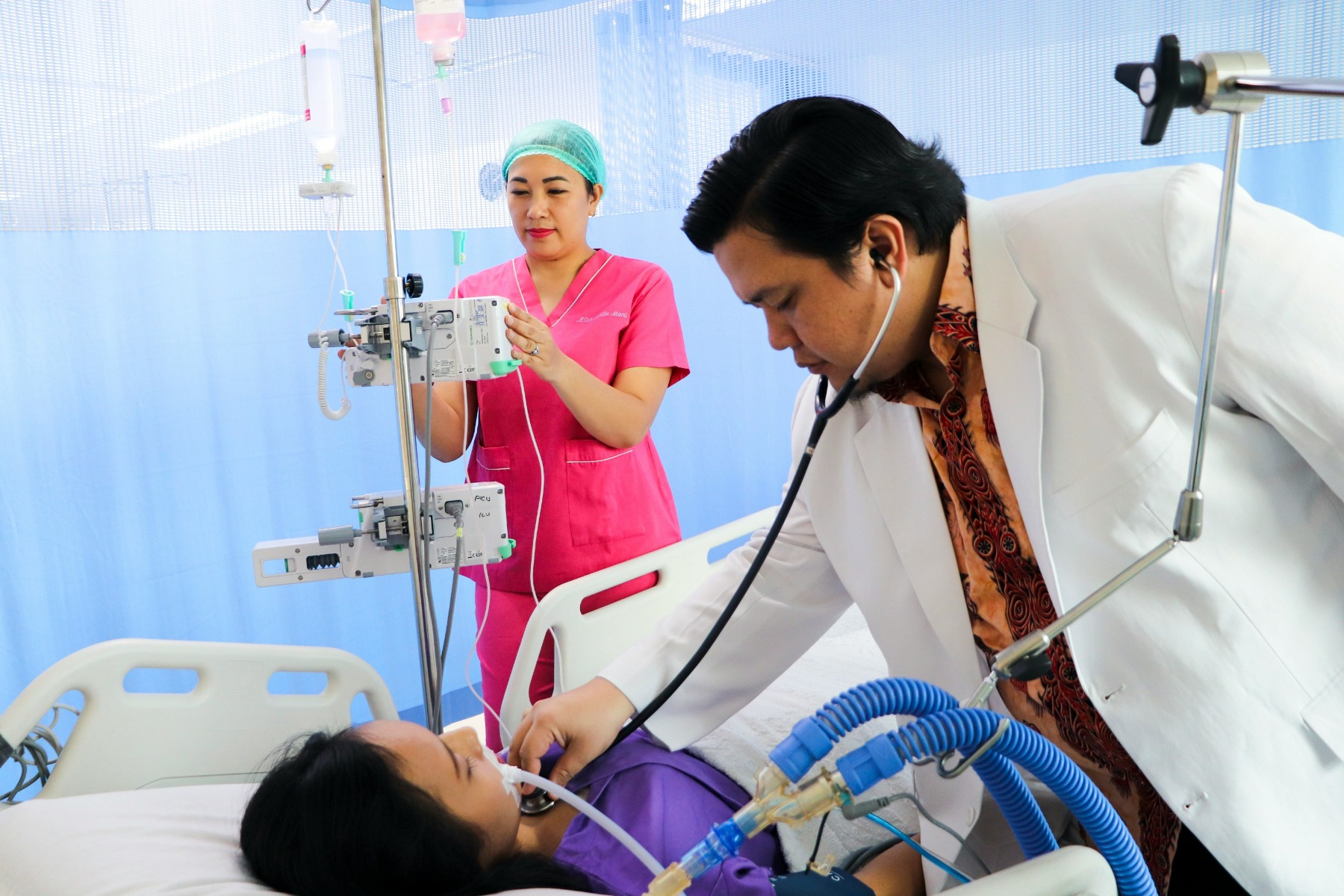
Hiring managers at hospitals aren't expecting new graduates to walk in knowing everything. What they do expect is evidence that a candidate took their training seriously – and can communicate that clearly.
"Entry-level clinical staff who come in with a formal certification and a clear understanding of their scope of practice tend to onboard faster and make fewer errors in their first 90 days than those who come in through informal pathways."
– Dr Phillip Beale, Physician and Healthcare Workforce Consultant
Scope of practice is worth unpacking here, because it's something no one explains well to people entering the field. As a PCT, you operate within a defined set of tasks. Knowing those boundaries is a professional skill in itself. Training programs that build this awareness into their curriculum give graduates a measurable edge.
Patient Care Technician Timeline Expectations
- Sixteen weeks sounds fast, but it requires consistent effort. Most online PCT programs that run on an accelerated schedule expect students to put in 15–20 hours per week. That's manageable alongside part-time work.
- After completing training and passing the CPCT exam, the typical job search for a new PCT runs 4–8 weeks, depending on the local market and how competitive the candidate's application materials are. In high-demand metro areas, that window can shrink significantly.
- From start to first paycheck, a motivated candidate going through an online bootcamp is often looking at 5–6 months, which, for a full career pivot, is a short runway.
No PCT Experience, No Problem
The gap between no healthcare experience and being a working Patient Care Technician is small, but it requires the right training structure, not just any program. The credential and exam preparation matters. And the design of the curriculum stacks up more than the brand name attached to it.
If you're a career changer weighing your options, choose the program that will prepare you well enough that employers see it the same way.
Frequently Asked Questions and Answers
Can I Become a Patient Care Technician with No Medical Background?
Yes. PCT training programs are specifically designed for people without prior clinical experience. The curriculum assumes you're starting from scratch and builds foundational and technical skills progressively. What counts is completing a structured program that prepares you for a recognized certification like the CPCT from the NHA.
How Long Does it Take to Become a PCT if I'm Starting from Zero?
Most accelerated programs run 12–16 weeks. Add 2–4 weeks for exam preparation and scheduling, and another 4–8 weeks for the job search, and you're looking at roughly 5–6 months from enrollment to employment in most cases.
Is the NHA CPCT Certification Recognized Nationally?
Yes. The NHA's CPCT is one of the most widely accepted PCT credentials across hospital systems, outpatient facilities, rehabilitation centers, and long-term care providers. It functions as a portable credential, meaning it's not locked to a specific employer or region.
What Does a PCT Do that a CNA Doesn't?
PCTs generally have a broader scope of practice than Certified Nursing Assistants. In addition to basic patient care tasks, PCTs are typically trained in phlebotomy (blood draws), EKG monitoring, IV assistance, and more complex patient observation. The specific scope varies by state and employer, but PCTs are generally considered a step up in technical responsibility.
How Much Does a PCT Earn Starting Out?
According to the Bureau of Labor Statistics, the median annual wage for nursing assistants and orderlies was $38,130 as of 2023. Entry-level PCT roles in hospital settings often come with shift differentials for evenings, weekends, and holidays, which can push take-home pay meaningfully higher than the base figure suggests.
Do Online PCT Programs Prepare You for Clinical Work?
The short answer is it depends on the program. Programs (like Health Tech Academy’s) built around active skill demonstration, timed practice, and certification-aligned assessments tend to produce job-ready graduates. Passive, video-heavy programs with no structured competency checks are a different story.
What's the CPCT Exam Like?
The CPCT from the NHA is a proctored exam covering patient care, safety, communication, EKG, phlebotomy, and related clinical topics. The exam contains multiple-choice questions and has a time limit. First-time pass rates typically run in the 70–75% range, so preparation is not optional if you're serious about passing on the first attempt.