

California does not require certification by law, but most top employers do – especially in metro areas. Clinical rotations are your pipeline to job offers and insider referrals. Here is how to move to the front of the line for surgical technologist jobs in California.
California's Surgical Tech Job Market: What You Need to Know

California's surgical technologist job market stands apart for its scale and pay. We analyzed Bureau of Labor Statistics data and found California leads the country in both employment and median wage for surgical technologists. The May 2023 BLS report shows over 10,790 surgical techs employed statewide, with a mean annual wage of $73,460 – more than $15,000 above the national average (BLS OEWS May 2023).
No state license is required, but top employers – especially in Los Angeles, San Francisco, and San Jose – strongly prefer national certification. In our experience hiring in California, union representation shapes both pay and working conditions. SEIU-UHW and CNA contracts often guarantee higher PTO and stronger retirement packages compared to non-union settings. Major metros provide not just higher salaries but denser job postings, with San Francisco and San Jose routinely offering roles starting at $36 per hour for new graduates.
For more on statewide regulations, the California Department of Consumer Affairs confirms there is no licensure law for surgical technologists. This unregulated status means entry is possible for recent graduates, but competition for top posts is intense. If you are still choosing where to train, our guide to surgical tech programs in California covers accreditation and clinical placement in detail.
How California Employers Hire Surgical Technologists
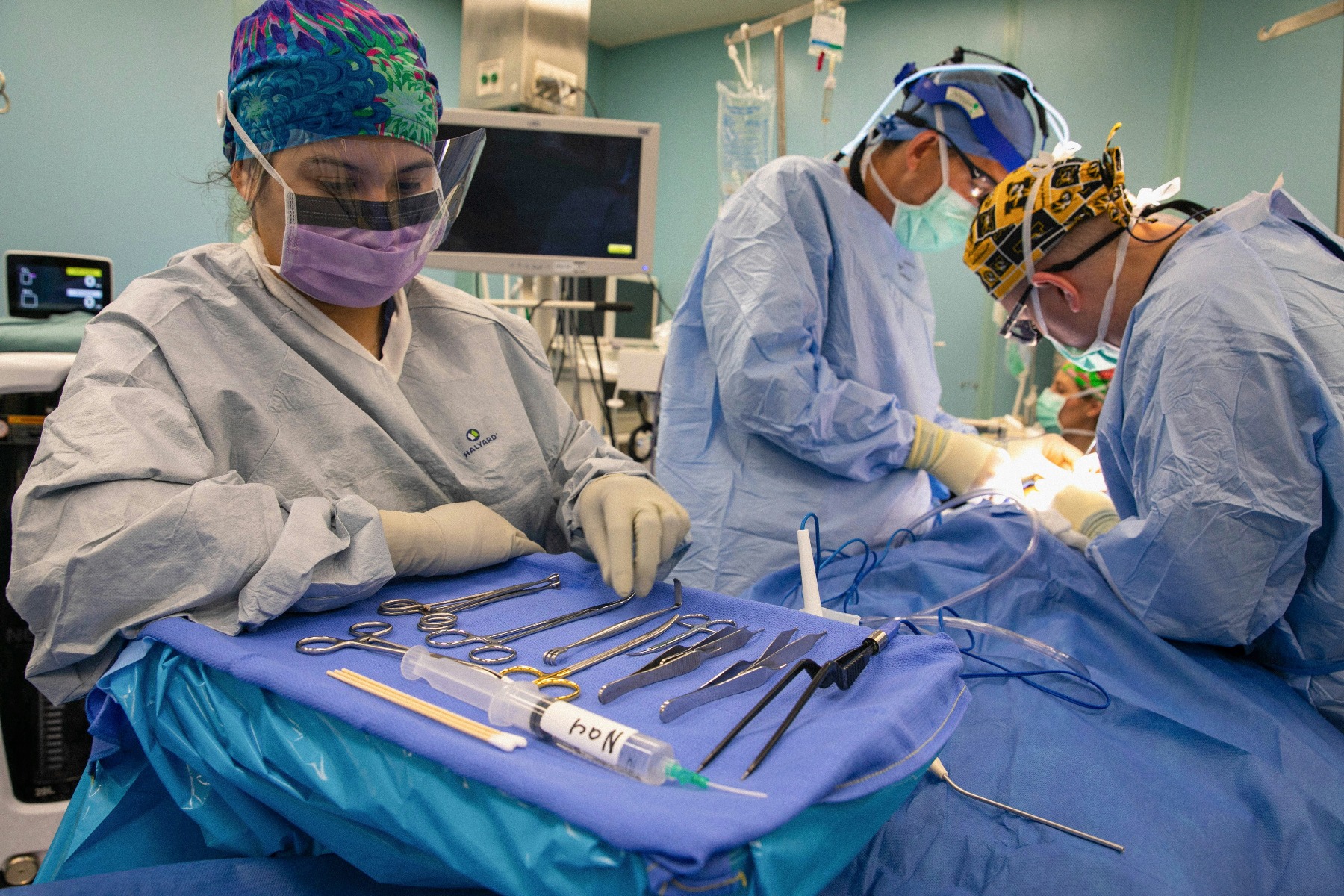
In our experience screening candidates for surgical technologist jobs in California, employers focus on three things: national certification, verifiable clinical hours, and proven operating room readiness. Employers rarely care about GPA. Instead, they want candidates who can anticipate surgeon needs, turn over rooms fast, and handle high-volume caseloads. Most new graduates land their first interviews thanks to clinical rotations, which remain the main hiring pipeline at large systems such as Kaiser Permanente and Sutter Health.
Networking during clinicals works. A recent graduate from our program received two offers after shadowing a busy OR team in San Diego, and neither job was ever posted online. Technical skills matter, but so does fitting in with the surgical team. According to HSPA, teamwork and communication top the list of soft skills sought by California employers.
"Most of our surgical tech hires come directly from our clinical rotation pool. We look for candidates who can jump into a busy OR and keep pace on day one."
– Tanya Munoz, RN, OR Manager at Cedars-Sinai Medical Center
Decoding California Job Postings: Required Vs Preferred Qualifications
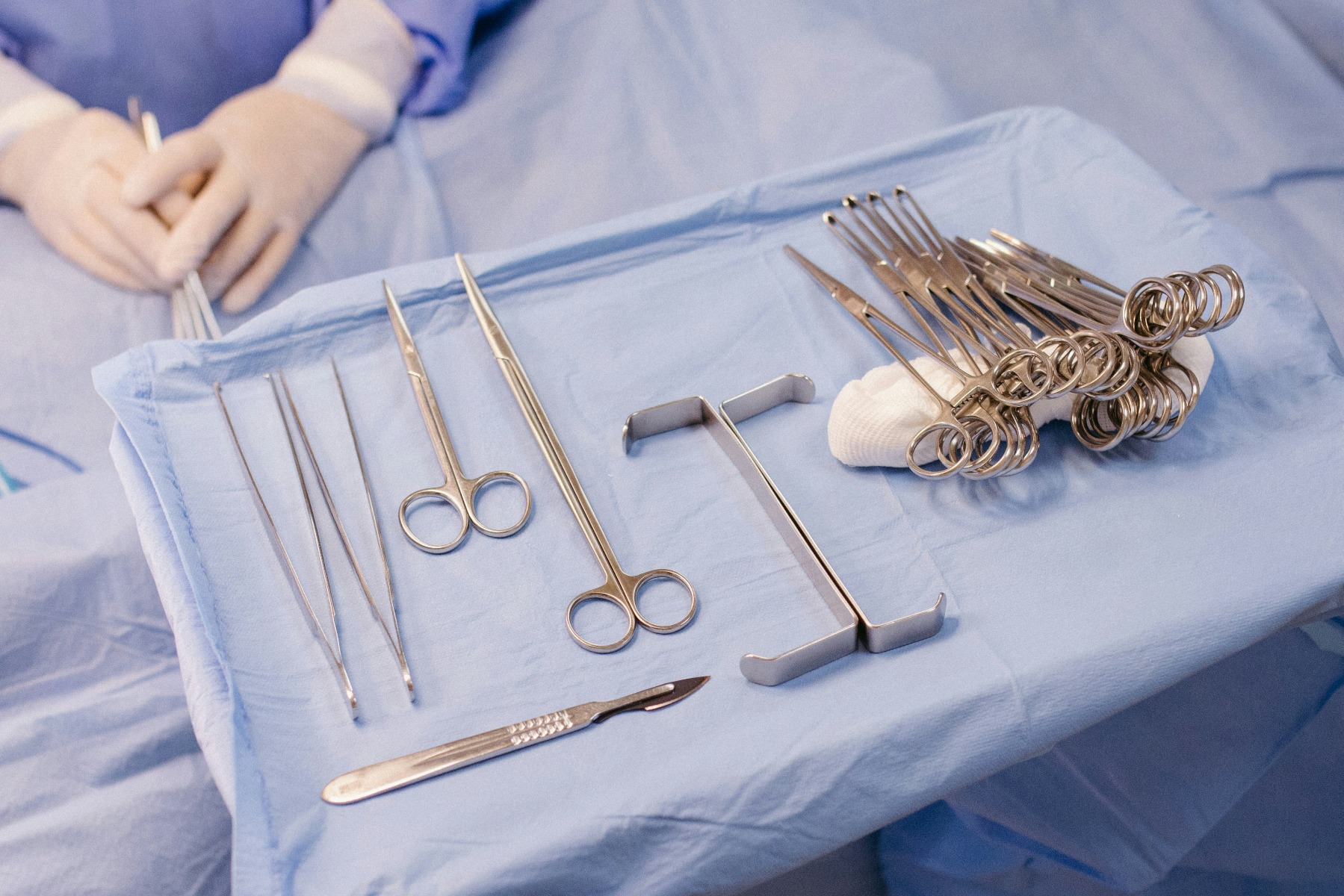
We have reviewed hundreds of surgical technologist listings across California. Most employers list national certification as "preferred" rather than "required" for entry-level roles, especially in underserved or rural counties. For new graduates, postings that read "eligible within 6 months" or "graduates of accredited program accepted" are green lights. If you are in the process of certification or have just completed an accredited program, you can safely apply to these positions.
Mirror the posting language to get past automated HR filters – use the exact keywords from the listing, such as "sterile processing," "AORN standards," or "OR turnover." Avoid generic templates. Roles that request "previous hospital experience" but list it as preferred often hire new graduates when clinical rotations were completed in a similar setting. Watch for red flags such as vague shift descriptions or non-union status in urban markets, which sometimes signal high turnover or lower pay.
Certification Shortcuts: How to Stand Out and Get Hired Fast

Graduating from a CAAHEP- or ABHES-accredited program is non-negotiable for exam eligibility. California employers know which schools count, and skipping this step can delay your hire by months. WIOA-approved programs can offer funding and a faster route to preferred status in certain counties. In our analysis, students who completed structured clinicals and could document site hours consistently received more interview invitations – even over applicants holding multiple certifications with less hands-on time.
Pitch your clinical skills during interviews. Describe a time you managed turnover for a high-acuity case or flagged a break in sterile technique. Highlighting real, recent clinical scenarios sets you apart from paper-only applicants. For more on program accreditation, see CAAHEP. You can also compare state markets through our breakdown of surgical tech programs in Texas.
Ready to Fast-Track Your Certification?
Health Tech Academy's online Surgical Technologist Program combines self-paced coursework with California-ready clinical placements, so you finish with the credential and the hands-on hours employers screen for.
"Clinical rotations aren't just a requirement – they're the best way to prove your readiness. Every new hire in my OR had a standout clinical reference."
– Alex Tran, CST, Lead Surgical Technologist at the UCSF Medical Center
Hear From One of Our Students
Hear From Your Surgical Tech Instructor
Comparing Surgical Technologist Jobs Across California Settings
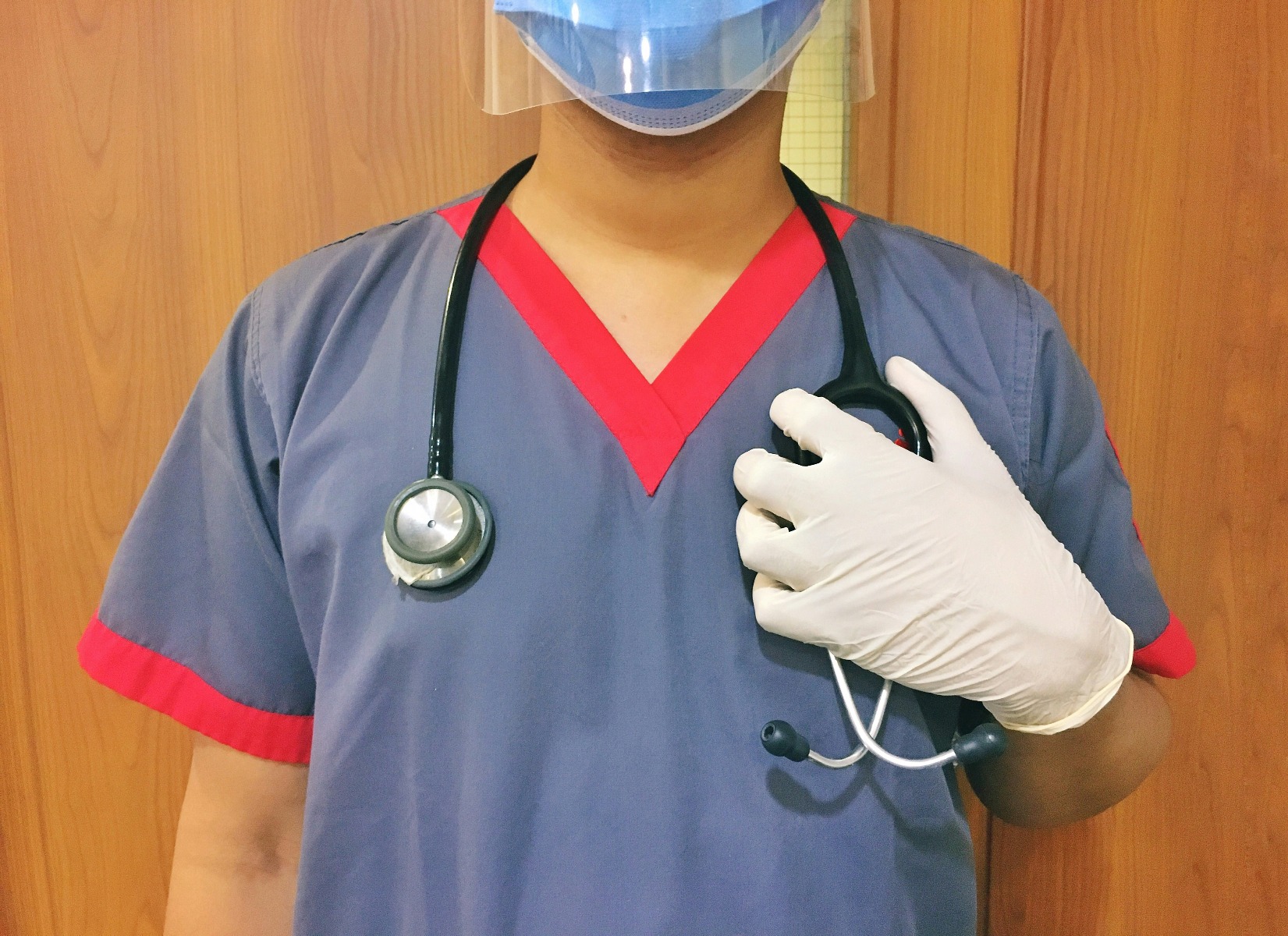
Our analysis of California's surgical technologist roles reveals sharp differences by setting. Hospital operating rooms, especially in union facilities, offer the highest pay, the strongest benefits, and the broadest case exposure. Ambulatory surgery centers move faster on hiring but often pay less and offer fewer specialty cases. Travel and per diem contracts can pay well above the median, but expect variable hours, fewer benefits, and steeper onboarding for new graduates.
| Feature | Hospital OR | Ambulatory Surgery Center | Travel/Per Diem |
|---|---|---|---|
| Entry-level hires | ✓ Yes | ✓ Yes | ✗ No |
| Typical pay range | $36 – $45 per hour | $28 – $36 per hour | $40 – $60 per hour |
| Case exposure | High – all specialties | Low – mostly outpatient | Varies by assignment |
| Union benefits | ✓ Yes | ✗ No | ✗ No |
| Speed to hire | 4 – 8 weeks | 2 – 4 weeks | 1 – 2 weeks |
New graduates fare best in hospital and ambulatory surgery center settings. Unionized ORs such as Kaiser in Oakland or UC Davis deliver the strongest benefits and job security, as confirmed by current SEIU-UHW contracts. Travel roles tend to require at least one year of experience and suit techs seeking flexibility over stability.
Salary Deep Dive: Surgical Tech Pay by California Metro Area

BLS May 2023 data confirms that San Francisco and San Jose top the salary charts for surgical technologists in California, with mean annual wages over $85,000. Los Angeles follows closely at approximately $79,000. In our review of local job offers, union hospitals in these metros typically add strong PTO, health, and retirement packages, often worth another $8,000 to $12,000 annually in total compensation (BLS OEWS May 2023).
Suburban markets pay less – Sacramento and San Diego come in around $70,000 to $74,000, while rural counties may dip to $60,000 to $65,000 but often hire new graduates faster. We advise candidates to reference BLS data when negotiating, since most HR departments expect you to advocate for market-rate pay. Unionized facilities, according to CNA, consistently provide the best combination of salary and benefits, while non-union centers may compensate with signing bonuses or flexible schedules.
Fast-Track Strategies: Clinical Rotations, Networking, and References

Based on our hiring and program experience, clinical rotations are the single most effective route into a surgical technologist job in California. Most new graduates we have seen land jobs directly from their clinical sites. To get the most from your clinical, show initiative: volunteer for complex cases, ask for feedback, and build rapport with the OR team. Networking does not have to be awkward – keep in touch with staff and managers, and follow up with a thank-you note after your rotation ends.
References carry real weight. Strong, recent endorsements from clinical instructors or preceptors matter more than employer references from unrelated roles. We have seen students use memberships in organizations such as CSA-AST, or attend local industry meetups, to reach hidden job leads. For more on professional networking, see AST. Our full surgical technologist resource library covers interview preparation and resume framing in more depth.
How to Get Started in California

1. How to Choose the Right Surgical Tech Program in California
We recommend considering only CAAHEP- or ABHES-accredited programs. California employers recognize these credentials and they are required for certification exam eligibility (CAAHEP). Check for programs with built-in clinical rotations in major metro areas, since placements at hospitals such as UCLA or Sutter Health make a difference. If you need funding, look for WIOA-approved options listed by your local workforce board. Hybrid and online programs with in-person clinicals offer the best flexibility without sacrificing job placement rates. Always verify graduation and placement statistics before enrolling.
2. How to Target High-Paying Surgical Tech Jobs by Location
Apply to the metros first – San Francisco, San Jose, and Los Angeles offer the highest mean salaries in the state according to BLS May 2023 data. Unionized hospital systems provide the strongest wage floors and benefits, so check job listings for SEIU-UHW or CNA representation. For faster hiring, consider suburban or rural hospitals, which often have higher demand and less competition. Willingness to commute or relocate within California expands your options significantly.
3. How to Read Between the Lines in Surgical Tech Job Postings
Scan for phrases such as "certification preferred" versus "certification required." In California, many employers will hire new graduates who are eligible for certification but have not yet passed the exam. If the posting mentions "recent graduates encouraged to apply" or "clinical experience accepted," you are likely in their target pool. Watch for red flags: vague shift details, high turnover comments on Glassdoor, or pay significantly below BLS averages. To beat applicant tracking system filters, mirror the employer's language in your resume and cover letter.
4. How to Pitch Your Clinical Skills in Interviews
Bring three concrete examples from your clinical rotations. Describe a time you identified a break in sterile technique or successfully supported a high-acuity case. Interviewers respond best to stories that demonstrate teamwork, adaptability, and attention to detail. Bring a printed reference letter from your lead clinical instructor, which can tip the scales when competing against more experienced applicants. Emphasize your readiness to work in diverse OR teams and your familiarity with local hospital protocols.
5. How to Decide Between Hospital, ASC, and Travel Surgical Tech Roles
If you are new, start with hospital ORs or ambulatory surgery centers. These settings offer structured onboarding and team support, which are critical for new graduates. Travel and per diem contracts pay more but almost always require at least one year of experience and the ability to adapt quickly to new teams. Hospital roles provide the most complete training and career growth, while ambulatory surgery centers offer faster entry for those who want to start immediately.
Everything Above, in One Place
The Surgical Tech Career Starter Kit covers resume framing for clinical hours, interview preparation for operating room questions, and a side-by-side certification comparison – free to download.
Land Your California Surgical Tech Job Faster
Surgical technologist jobs in California continue to pay more than any other state and offer fast hiring for candidates who bring certification, proven clinical skills, and a strong reference from their final rotation. Many hiring managers fill entry-level slots directly from their clinical placements, sometimes before the last day of training.
One overlooked advantage: travel and per diem contracts in rural California often pay more than large hospitals, particularly for credentialed graduates willing to relocate for a few months. Pair accredited training with hands-on experience and local networking, and your application reaches the right decision-makers rather than an applicant tracking system queue.
Frequently Asked Questions and Answers
What Are the Basic Requirements for Surgical Technologist Jobs in California?
Most California employers require graduation from an accredited surgical technologist program, documented clinical hours, and proof of technical skills. While the state does not mandate certification, nearly all hospitals and surgery centers prefer or require a national credential to confirm readiness for the operating room. Clinical experience and strong references also strengthen your application.
Do I Need Certification to Work as a Surgical Technologist in California?
Certification is not legally required in California, but most reputable employers list it as required or preferred in job postings. A recognized national credential helps your resume rise to the top and can lead to faster job offers, especially in competitive metro markets such as Los Angeles and San Francisco.
How Much Do Surgical Technologists Earn in California?
Surgical technologists in California earn a mean annual wage of $73,460 as of May 2023, according to the Bureau of Labor Statistics. This is the highest average in the nation and reflects both strong demand and high living costs, with top earners in Bay Area metros making considerably more.
What Do California Surgical Tech Employers Look For in New Hires?
California employers look for certification status, documented clinical experience, and immediate readiness for the operating room. They also value adaptability, technical skill, and prior exposure to fast-paced, high-pressure cases during training or clinical placements.
How Can I Stand Out When Applying for Surgical Technologist Jobs in California?
Earn a recognized certification, perform well in clinical rotations, and tailor your resume to highlight relevant skills and hours. Networking with staff during clinicals and securing strong references from preceptors will set you apart from other new graduates.