
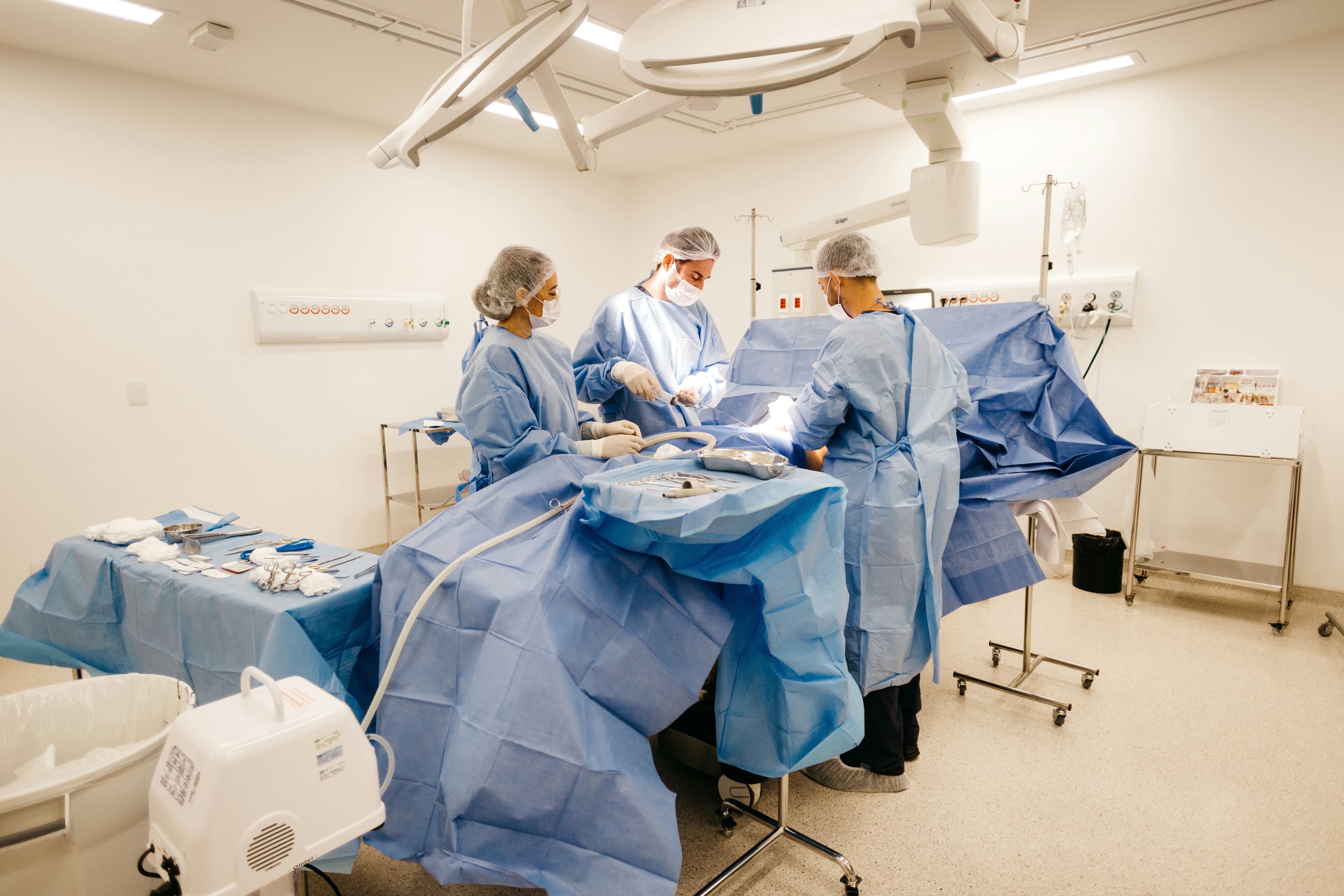
The National Board of Surgical Technology and Surgical Assisting (NBSTSA) and the Alliance for Allied Health (AAH) both require at least 120 surgical cases, with most requiring at least 80 as first scrub. Documentation has to be airtight, and detailed, signed case logs are non-negotiable.
Online and hybrid programs can offer a faster route by letting you complete didactic coursework at home and clinicals locally. Every shortcut still has to meet the same clinical benchmarks, though, and missing your case count delays your career start rather than shortening it.
Understanding Surgical Tech Clinical Case Requirements

Every aspiring surgical technologist faces one hurdle before certification: meeting the clinical case requirements. In our experience supervising clinical cohorts, the number and type of surgical cases you complete directly determines when you can sit for the certifying exam. The National Board of Surgical Technology and Surgical Assisting currently mandates at least 120 surgical cases, with a minimum of 80 in the first scrub role. The Alliance for Allied Health and the National Center for Competency Testing (NCCT) set similar but not identical requirements.
Recent years brought changes to what counts as a valid case and how programs structure clinicals to help students reach the numbers efficiently. NBSTSA updated the breakdown of required general versus specialty cases, which now affects which rotations students should prioritize. A student who logs only minor procedures, or who does not secure enough first scrub experience, risks delayed eligibility. The rules are not red tape – they exist because the operating room (OR) is unforgiving of underprepared staff.
Students who start tracking case categories early and seek out diverse procedures hit the minimums faster and with far less stress. If you are still comparing training options, our guides to surgical tech programs in California and surgical tech programs in Texas cover how clinical placement is arranged in each state.
Comparing Certifying Bodies: Who Sets the Rules?
We have guided students through eligibility for three credentials: the Certified Surgical Technologist (CST) from NBSTSA, the Tech in Surgery – Certified (TS-C) from NCCT, and the National Registered Surgical Technologist (NRST) from AAH. Each body sets its own clinical case and documentation standards. All three require hands-on experience, but their minimums and definitions differ in ways that matter.
NBSTSA requires 120 cases with 80 as first scrub. NCCT allows more flexibility in how cases are documented and often accepts a broader variety of surgical specialties. AAH mirrors the NBSTSA count but differs on accepted program accreditation. Exam eligibility pathways vary too: NBSTSA mandates graduation from a program accredited by the Commission on Accreditation of Allied Health Education Programs (CAAHEP) or the Accrediting Bureau of Health Education Schools (ABHES), while NCCT permits some on-the-job training with employer verification. Documentation must include your role, the procedure, and a supervising preceptor signature. Missing signatures are the single most common reason we see eligibility applications held up.
Students who plan their clinicals around the strictest certifying body requirements stay eligible for all three exams, whichever they eventually choose. For current requirements, see NBSTSA and NCCT directly, since figures are revised periodically.
| Requirement | NBSTSA (CST) | NCCT (TS-C) | AAH (NRST) |
|---|---|---|---|
| Minimum surgical cases | 120 | 120 | 120 |
| First scrub minimum | 80 | Not specified | 80 |
| Accredited program required | ✓ Yes | ✗ No | ✓ Yes |
| Accepted documentation | Preceptor-signed log | Employer or preceptor log | Preceptor-signed log |
| Exam eligibility pathway | CAAHEP or ABHES graduate only | Multiple pathways | CAAHEP or ABHES graduate only |
| Work experience pathway | ✗ No | ✓ Yes | ✗ No |
First Scrub Versus Second Scrub: Defining Surgical Case Categories

Case logs only count if you document your role clearly, and not every scrub experience moves you closer to certification. NBSTSA and AAH require a majority of your logged cases to be first scrub, meaning you take the primary duties: gowning and gloving, setting up the sterile field, passing instruments, and assisting with hemostasis. Students who actively request first scrub assignments reach the 80-case minimum well before graduation.
Second scrub roles involve less responsibility – holding retractors, managing suction, handling sponges. These cases are valuable experience but count only as backup, and you cannot substitute them for first scrub requirements. We routinely see students lose weeks by logging multiple second scrub cases before realizing they fall short of the 80-case first scrub minimum. Only one scrub role per case counts, and shadowing or observing counts for nothing.
One piece of advice from experience: ask clinical preceptors to rotate you through high-volume specialties such as general surgery or obstetrics and gynecology (OB/GYN) early on. Students who do this often complete requirements up to a month faster and walk into their first job with visibly more confidence.
How Surgical Tech Programs Structure Clinical Hours and Case Counts

Not all surgical tech programs are equal when it comes to clinical scheduling. In our oversight of both campus-based and hybrid models, online and hybrid programs tend to use block scheduling to maximize time in the OR, which means more cases per week than a traditional semester-based format delivers.
Accelerated and hybrid options are gaining ground, particularly among career changers. These programs partner with high-volume clinical sites so students are not left waiting for rare specialty cases. Students in hybrid or accelerated tracks often reach the 120-case mark weeks earlier than those in traditional programs. The trade is that these formats demand strict time management and proactive communication with preceptors to secure the first scrub roles that matter most.
Clinical rotations typically span general surgery, OB/GYN, orthopedics, and specialty services, each designed to help you log a diverse case mix. Students who treat each clinical like a job – showing up early, volunteering for extra shifts – consistently meet or exceed required case counts.
Fast-Track Your Surgical Tech Certification
Health Tech Academy's online Surgical Technologist Program pairs self-paced coursework with local clinical placements at high-volume partner sites, so your case log builds from week one rather than stalling in a quiet operating room.
Hear From One of Our Students
Hear From Your Surgical Tech Instructor
Documenting and Verifying Your Surgical Case Log

We have reviewed hundreds of student case logs for certification audits, and documentation errors delay more students than case shortfalls do. NBSTSA, NCCT, and AAH all require a case log signed by your clinical preceptor. The log must carry the procedure date, your role, the procedure name, and the preceptor signature. Programs are expected to retain copies for several years in case of audit.
Do not wait until the end of your rotation to fill in your log, because missing details are close to impossible to reconstruct accurately. Log cases daily and confirm entries with your preceptor at the end of each week. Certifying bodies audit logs at random and may request de-identified copies for verification, so the students who treat their log as a legal record are the ones who move through eligibility without friction.
The most common mistakes are predictable: illegible handwriting, missing signatures, and logging observation-only cases that were never going to count. Use the official log template from your certifying body and confirm every field is complete before you submit your application.
When You Do Not Meet the Case Requirement: Your Options
In our years supervising externships, we have seen students finish all scheduled clinical hours and still fall short of 120 cases. It happens most often in low-volume hospitals, or when a student misses rotations through illness. None of the three certifying bodies make exceptions – you cannot sit for the exam until the cases are logged.
Programs generally offer two routes out. The common one is arranging extra clinical placements or extending your existing rotation until you reach the minimum. Some programs instead require students to repeat a portion of their clinical hours. Students who raise their case log status with faculty early secure those extra placements faster and avoid pushing back their graduation date.
Keep a running tally of logged cases and go looking for high-volume specialties rather than waiting for them to be assigned. If you do fall behind, speak to your program director quickly, since most clinical partners will accommodate additional student shifts when asked in advance. Our full surgical technologist resource library covers what to do at each stage of the clinical process.
Comparing the CST and TS-C Credentials

The choice between credentials usually comes down to your background. The CST suits students graduating from an accredited program who want the credential most hospital systems name in job postings. The TS-C suits experienced technologists without formal program graduation, since it accepts work-experience pathways the CST does not.
Where the CST Is Stronger
- Widely recognized across hospital systems nationwide.
- Clear, standardized case count and role definitions.
- CAAHEP or ABHES accreditation requirement enforces consistent training quality.
- Structured audit process reduces documentation fraud.
Where the TS-C Is Stronger
- Multiple eligibility pathways, including documented work experience.
- Accepts a broader range of documentation, including employer logs.
- Practical route for career changers and technologists trained on the job.
- Recognized across a variety of surgical settings, particularly outpatient.
The trade-offs run both ways. The CST offers no alternative pathway for on-the-job trained technologists and its documentation requirements are unforgiving. The TS-C carries no first scrub minimum, which some hospital systems read as less rigorous, and its accreditation flexibility means training quality varies more between programs.
How to Choose a Program That Gets You to 120 Cases
1. Assess the Clinical Case Structure Before You Enroll
The fastest route to certification is a program with strong clinical partnerships and high-volume rotation sites. Ask how clinical blocks are scheduled, which specialties are available, and how the program helps students secure first scrub roles. Programs with dedicated clinical coordinators, structured case tracking, and flexibility for make-up shifts consistently post higher on-time graduation rates. Verify accreditation through the CAAHEP searchable database before you commit.
2. Evaluate the Clinical Placement Itself
Not all clinical sites offer equal opportunity. Large teaching hospitals and busy surgical centers generate the case volume that fills a log quickly, and students placed there log cases considerably faster than those in smaller community hospitals. Ask whether you will have access to core specialties – general, OB/GYN, orthopedics – and whether your preceptors have experience teaching students.
3. Check How the Program Manages Case Logs
Programs with digital case log systems and weekly faculty reviews see far fewer eligibility delays. Ask whether the program supplies official log templates, digital tracking, and proactive faculty check-ins. Those that audit student logs monthly catch documentation errors while they are still fixable rather than at the application stage.
4. Ask These Questions Before Enrolling
What percentage of students complete case minimums on schedule? How does the program support students who fall behind? Are extra clinical placements available when needed? Request recent graduate testimonials, or ask to speak with current students. Programs that answer these transparently tend to be the ones with outcomes worth quoting.
5. Plan Your Rotations Before Clinicals Begin
Successful students map their rotation schedule in advance, track progress on a calendar, and set weekly targets for first scrub cases. Communicate early with preceptors to request more responsibility rather than waiting to be offered it. Students who approach each rotation as a working interview log meaningfully more cases than those who stay passive.
Get Career-Ready Faster
Our Surgical Tech Career Starter Kit covers case log checklists, certification exam preparation, and practical advice on getting the most from every clinical rotation – free to download.
Plan Your Case Log Before Your First Rotation
Surgical tech clinical case requirements determine not just your eligibility for certification, but how quickly you move from student to practicing technologist. Choosing a program with strong clinical partnerships can remove months from that timeline, and some hospitals offer specialty rotations that fill a case log far more efficiently than a general assignment would.
The detail most students miss is that case volume is a site characteristic, not a program characteristic. Two students in the same program, placed at different hospitals, can finish months apart. Ask about the specific site you will be assigned to rather than the program average, and keep your log current from day one rather than reconstructing it at the end.
Frequently Asked Questions and Answers
How Many Surgical Cases Are Required to Get Certified as a Surgical Technologist?
The minimum is 120 surgical cases across all three major certifying bodies. NBSTSA and AAH additionally require at least 80 of those cases to be completed as first scrub, with the remainder as second scrub. Confirm current figures with your certifying body directly, since requirements are revised periodically.
What Is the Difference Between First Scrub and Second Scrub Roles?
First scrub means you perform the critical parts of the case, including sterile field setup and direct instrument handling. Second scrub means assisting without taking the lead, typically holding retractors or managing suction. Certifying bodies require most cases to be first scrub because that role demonstrates hands-on competency.
How Do Online and Hybrid Surgical Tech Programs Structure Clinical Hours?
Online and hybrid programs deliver coursework virtually and coordinate in-person clinical rotations at partner hospitals near you. This structure can help students reach the case minimum faster, provided the program has strong hospital partnerships and enough case volume to support timely completion.
What Documentation Is Accepted to Verify Surgical Tech Clinical Cases?
Accepted documentation is a signed case log or official verification form from your clinical preceptor, listing the procedure type, the date, and your role. Logs must be detailed and signed, and observation-only cases are not accepted by any of the three certifying bodies.
Can I Count Observation-Only Cases Toward My Case Log?
No. Only cases where you serve as first or second scrub count toward the requirement. Observation and shadowing do not meet NBSTSA, NCCT, or AAH standards, regardless of how many hours you spend in the operating room.
What Happens If You Do Not Complete Enough Cases Before Your Program Ends?
You may need to extend your clinical placement or enroll in additional rotations. Many programs help students secure extra clinical experience, but you cannot sit for the certification exam until all requirements are met and documented.
How Long Does It Usually Take to Reach 120 Cases?
Timelines vary substantially with clinical site volume. Students placed at high-volume teaching hospitals frequently complete the requirement in four to six months, while lower-volume sites can extend that to nine or twelve months.