If you're comparing sterile processing programs in California, it comes down to which one gets you certified, clinically experienced, and hired – in that order, and as fast as possible. This guide will help you tick all those boxes.
Why California is a Particularly Strong Market for Sterile Processing Careers
California employs approximately 8,630 sterile processing technicians, according to the Bureau of Labor Statistics (BLS) data, with a median annual wage of $62,710.
San Diego County alone is projected to see a 15.8% increase in sterile processing technician roles, according to job market data. Statewide, that demand is compounded by a chronic shortage of trained, credentialed candidates.
Sterile processing department (SPD) vacancies often remain open for months, with hospitals struggling to attract and retain staff due to low wages, limited career pathways, and complex certification requirements. That's good news for job seekers who finish a strong program. You're not entering a crowded market.
The other thing worth knowing: California requires no state-issued certification or licensure for medical equipment preparers, including sterile processing technicians. But that doesn't mean you can skip credentialing. Virtually every hospital system and ambulatory surgery center in the state lists the Certified Registered Central Service Technician (CRCST) or CBSPD (Certification Board for Sterile Processing and Distribution) certification as either required or strongly preferred. In practice, going uncertified significantly narrows your options before your first interview.
The Three Variables of Sterile Processing Programs
Program Length: Faster isn't Always Better, But Slower is Rarely Worth It
Sterile processing programs in California typically run anywhere from four weeks to nine months. Community college certificates lean longer; private and online programs compress the timeline considerably.
The sweet spot for most working adults sits in the eight-to-sixteen-week range. Shorter programs that try to cover the full CRCST content domain in under six weeks tend to rush clinical reasoning in favor of vocabulary memorization. That's a problem when the actual CRCST exam and job tests applied understanding.
The CRCST certification requires passing the certification exam plus 400 hours of hands-on experience in a Central Service department, with those hours completable before testing or within six months of passing. A program that tells you nothing about how to secure those hours is leaving you to navigate the hardest part of the process alone.
Sterile Processing Certification Prep: What the Exam Tests
The CRCST, issued by the Healthcare Sterile Processing Association (HSPA), is accredited by both the ANSI National Accreditation Board (ANAB) and the National Commission for Certifying Agencies (NCCA). That dual accreditation matters when hospitals are checking credentials during onboarding. The CRCST must be renewed annually. That means ongoing professional development is baked into the credential's structure.
The exam covers:
- Decontamination.
- Sterilization methods.
- Packaging.
- Inventory management.
- Infection prevention.
But the way it asks questions is worth noting. Many first-time test-takers underestimate the scenario-based format. Programs that provide mock exams, timed practice sets, and domain-by-domain breakdowns produce higher first-attempt pass rates than those that simply deliver lecture content and wish you luck.
Test Your Baseline Knowledge
If you're weighing options and gauge your readiness before enrolling anywhere, Health Tech Academy's free practice exam is a no-cost way to see exactly where you stand.
Take the Free Practice Exam →Clinical Experience: The Make-or-Break Differentiator
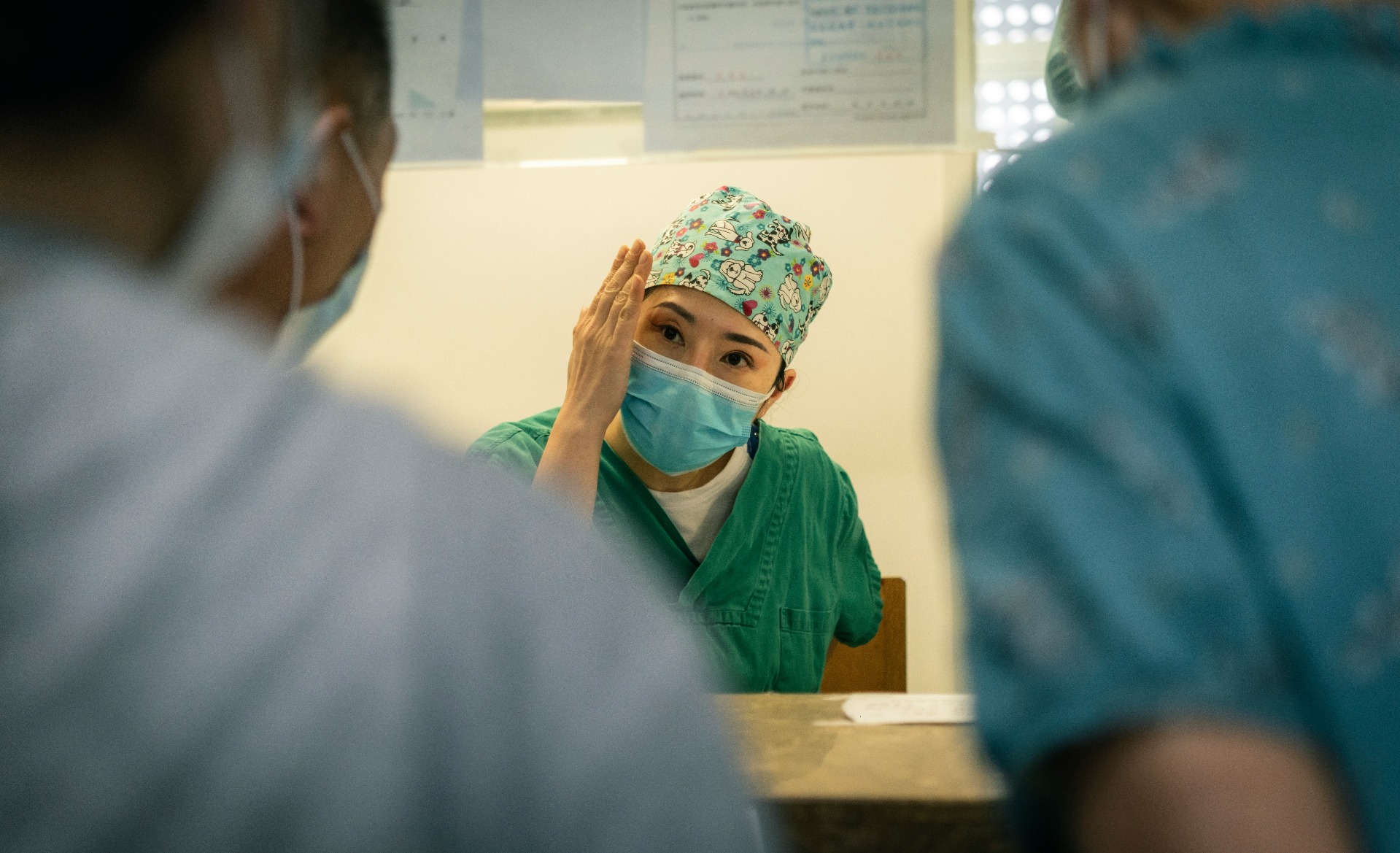
This is where most prospective students ask the wrong question. Instead of "Does this program include clinical hours?", the better question is: "Does this program help me secure them, or do I figure that out myself?"
The 400 hours of hands-on experience required for the CRCST certification must be completed in a Central Service department. In California's competitive hospital market, getting a foot in the door at an SPD without any existing connection is harder than it sounds. Programs with hospital partnerships, externship networks, or placement assistance give students a measurable advantage on that front.
For California specifically, this is worth pressing programs on before you enroll. Ask them directly: "Where have your last ten graduates completed their clinical hours?" If the answer is vague, that tells you something.
What Sterile Processing Hiring Managers in California Want
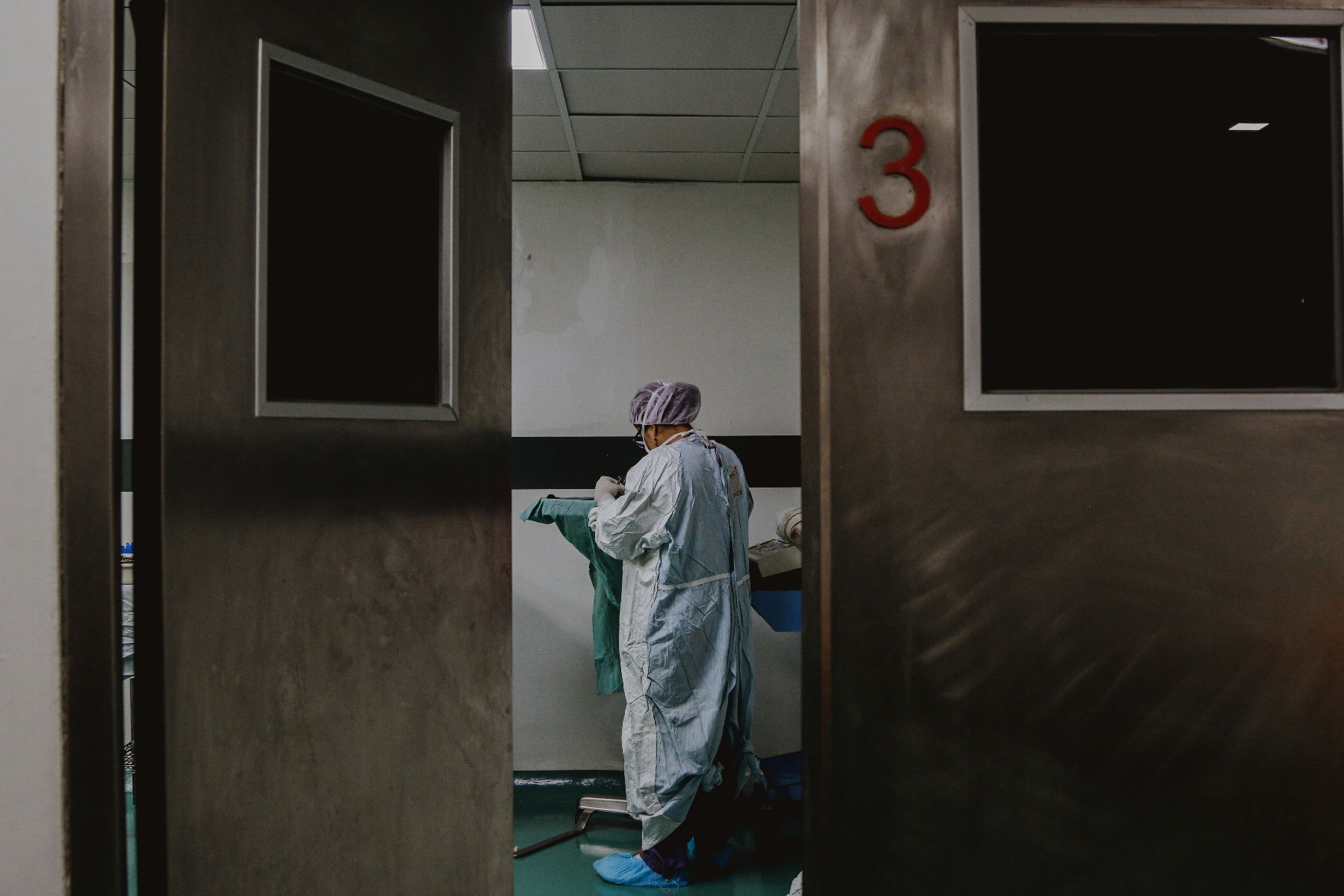
"One of the biggest challenges faced by sterile processing departments is a shortage of technician talent. Staffing shortages have the potential to cause critical issues, such as processing failures resulting in regulatory non-compliance and a threat to patient safety."
– Robby Miller, SPD Manager at St Joseph's Hospital and Medical Center
Miller's assessment isn't hypothetical. The CDC reports that approximately one in thirty-one hospital patients acquires at least one healthcare-associated infection on any given day. Improperly reprocessed instruments represent a direct, preventable pathway to that outcome.
For hiring teams, this context shapes what they look for in candidates.
- Certification is table stakes.
- Clinical hours logged in an SPD environment signal readiness.
- What separates candidates at the interview stage is whether they can speak to sterilization science.
How to Choose a California Program that Leads to Faster Hiring
Here's a framework that slices the comparison process down considerably:
- Does the program prepare you specifically for the CRCST? Programs that reference CRCST prep loosely, without mock exams or domain assessments, are often teaching to a generic standard rather than the credentialing benchmark employers check.
- Is there structured support for the 400 clinical hours? This is the single most common point of failure for candidates who complete a program but stall before getting hired. A program that actively connects you to partner facilities – or teaches you how to approach hospitals for externships – shortens your timeline.
- What's the format, and does it fit your life? Community college programs in California often run in-person, evenings, and weekends, over four to six months. Online programs with asynchronous coursework let you move faster if you're disciplined.
Health Tech Academy's 16-Week Online Sterile Processing Program
Health Tech Academy offers a fully online, 16-week Sterile Processing Technician Certification Program built around CRCST preparation through the HSPA. The program covers all content domains tested on the exam – decontamination protocols, sterilization cycles, packaging and storage, infection control principles, and quality assurance – with structured pacing designed for working adults.
A 16-Week Pathway to CRCST Certification
The 16-week structure hits a deliberate middle ground: Long enough to build genuine comprehension of sterilization science, short enough that you're not spending a semester on material you could cover in a focused quarter. Students leave with a clear pathway to the CRCST credential and support for securing the 400 clinical hours required for certification.
Explore Health Tech Academy's Sterile Processing Program →Two Environmental Factors that Impact Sterile Processing Certification
- California's high cost of living shapes your hiring leverage: As of May 2026, the average hourly pay for sterile processing technicians in California is $27.13, with most workers earning between $19.71 and $32.74 per hour depending on experience, location, and employer. Certified candidates with documented clinical hours command the upper end of that range – and in a market where SPD vacancies stay open for months, negotiating from a position of credentialed readiness is entirely reasonable.
- Ambulatory surgery centers are expanding, and so is their SPD demand: The shift of surgical volume to outpatient settings has expanded the number of employers competing for SPD talent – ambulatory surgery centers, specialty surgery centers, and hospital outpatient departments all need sterile processing support, adding employer demand to an already constrained local supply of qualified technicians. This means your job search doesn't have to start and end with major hospital systems.
The Best Sterile Processing Program for You is Out There
Choosing a sterile processing program in California comes down to whether the curriculum is mapped to the CRCST exam, whether the program helps you secure clinical hours rather than leaving that problem entirely to you, and whether the total timeline from enrollment to hired fits your life.
The combination of workforce shortages and high employer demand means that a credentialed candidate with documented hours moves through hiring pipelines considerably faster than one without.
Pick the program that takes your certification outcome seriously.
Frequently Asked Questions and Answers
Do Sterile Processing Technicians Need a License in California?
No. California requires no state-issued certification or licensure for sterile processing technicians. However, most employers – hospitals, ambulatory surgery centers, and specialty clinics – require or strongly prefer national certification such as the CRCST from the HSPA. Going uncertified limits both your job options and your earning potential in the California market.
How Long Does it Take to Become a Sterile Processing Technician in California?
Sterile processing technician training in California typically takes four to nine months, depending on the program. Online programs like Health Tech Academy's 16-week course can compress the educational portion significantly. Factor in the 400 clinical hours required for the CRCST certification, which can run concurrently with your studies or follow program completion within a six-month window.
What Does a Sterile Processing Technician Do Day-to-Day?
SPTs decontaminate, inspect, assemble, package, and sterilize reusable surgical instruments. They manage sterilization logs, run biological indicators and autoclave tests, prepare case carts for operating rooms, and maintain inventory for sterile supplies. The role requires precision and a working understanding of microbiology, sterilization science, and infection control protocols. It's more technical than most people expect from an entry-level healthcare position.
Is Sterile Processing a Good Career in California?
By most measures, yes. The median annual wage for sterile processing technicians in California is $62,710, which is $16,220 above the national median, and employment is projected to grow 10.0% up until 2034. Experienced techs with multiple HSPA credentials – such as the Certified Instrument Specialist (CIS) or Certified Endoscope Reprocessor (CER) – can move into supervisory and SPD management roles over time, with salaries that climb accordingly.
Can I Complete Sterile Processing Training Entirely Online?
The didactic coursework (everything taught in a classroom) can be completed online. The 400 hours of hands-on clinical experience, however, must be completed in a Central Service department at a healthcare facility. This is an HSPA requirement. The best online programs provide support for locating and securing those clinical placements.
How Hard is the CRCST Exam?
Harder than most people expect if they underestimate the format. The exam is scenario-based, meaning questions present situations requiring applied judgment. First-attempt pass rates vary considerably by program.