

What makes this pairing worth paying attention to is what happens after the credential is earned. Certified EKG technicians measurably change how a cardiac unit operates.
What WIOA Covers and Who Qualifies

WIOA is a formula grant program administered jointly by the U.S. Department of Labor (DOL) and Department of Education. Of the $4.1 billion allocated to WIOA Title I programs in fiscal year 2023, $885.7 million went to Adult programs alone – covering individuals 18 and older who meet income or employment eligibility thresholds.
Qualifying groups include:
- Dislocated workers.
- Low-income adults.
- People receiving public assistance.
- Those facing documented barriers to employment.
Funding flows through American Job Centers nationwide, connecting eligible participants to approved workforce training providers on each state's Eligible Training Provider List.
Health Tech Academy is an approved training provider with many American Job Centers nationwide, and eligible participants can complete our allied healthcare bootcamps fully funded by a federal grant at no cost.
The EKG program leads directly to the National Healthcareer Association (NHA) Certified EKG Technician (CET) exam. Tuition is often the single largest obstacle between a motivated person and a healthcare credential. WIOA eliminates it.
Ready to Get Started?
Explore Health Tech Academy's online 8-week EKG Certification Program
NHA exam prep included, and qualifying students are WIOA-eligible.
Get Certified in 8 Weeks →Hear from One of Our Students
Why Certified EKG Technicians Run Tighter Cardiac Units
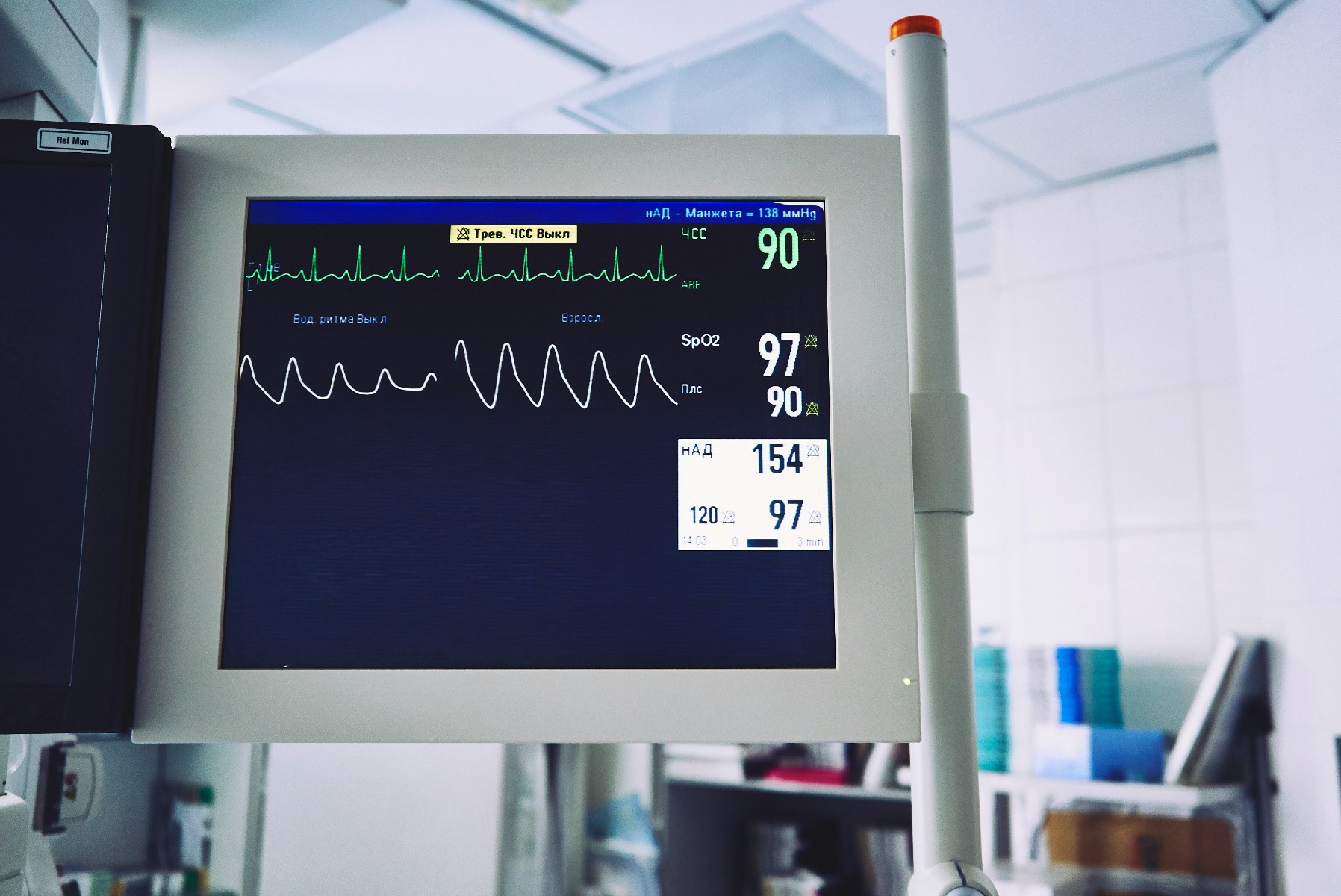
Hiring an uncertified technician who learns on the job is a gamble hospitals are unwilling to take. Approximately 87% of hospitals, primary care offices, and clinics hiring EKG technicians now require certification. That figure reflects a shift in how cardiac departments think about diagnostic throughput.
The efficiency case is straightforward. A certified EKG technician knows proper lead placement by training, not trial and error. Correct electrode positioning on the first attempt means fewer repeat tests, fewer artifact-contaminated tracings, and faster turnaround from test to physician review. In a hospital where the average tech runs 13 tests per day, compressing even a few minutes per test compounds across a full shift.
"An EKG's day is filled with going from room-to-room and performing EKGs on patients with various medical and surgical problems."
– Terri Glazewski, a Program Adviser for the EKG/Cardiac Monitor Technician Certificate Program at Edmonds College in Washington
That room-to-room cadence only holds up when the technician at each bedside can recognize an abnormal tracing before the physician has been called.
Certification training programs cover cardiac rhythm interpretation systematically – Holter monitoring, exercise stress test supervision, and telemetry monitoring in step-down units included. Facilities that staff credentialed techs in these areas reduce the physician time spent on preliminary screening and shorten the window between a concerning finding and clinical response.
WIOA program year 2024 data showed a 73.6% credential attainment rate among adult participants who completed training, which is evidence that short-term certification programs produce job-ready graduates on a meaningful scale.
The Funding Access Gap Worth Closing

One of the lesser-known realities of WIOA is that many eligible people never use it. Despite allied healthcare being explicitly in scope, the majority of eligible workers (and hospital HR departments) have never engaged with the program. That's a missed pipeline on both sides: Candidates who could be credentialed aren't, and hospitals that could benefit from a tuition-free talent pool don't know to direct people toward it.
For individuals who qualify, the path is clear:
- Contact your local American Job Center.
- Confirm eligibility.
- Select a WIOA-approved program – like Health Tech Academy’s.
- Enroll.
The NHA CET credential on the other side carries national recognition across hospitals, cardiology practices, cardiac rehabilitation centers, and outpatient clinics.
Eight Weeks, Zero Tuition, and One Credential that Sticks
Spending eight weeks and no money out of pocket to enter a field with a median annual salary of $67,260 and roughly 3,800 projected annual openings is a concrete proposition. Hospitals need staff who can move efficiently through a cardiac floor.
Patients need technicians who recognize an abnormal tracing and know what to do about it. WIOA removes the financial barrier that otherwise keeps qualified candidates out of the pipeline entirely. The program exists, and the funding is available.
Frequently Asked Questions and Answers
What is Workforce Innovation and Opportunity Act Funding, and How Does it Apply to EKG Training?
WIOA covers training costs for eligible adults, dislocated workers, and youth with barriers to employment. Eligible participants can use funds to enroll in approved EKG technician programs at no personal cost. Eligibility is confirmed through local American Job Centers.
Who Qualifies for Workforce Innovation and Opportunity Act-Funded EKG Training?
Generally, adults 18 and older who meet income thresholds, receive public assistance, or face documented employment barriers. Criteria vary by state, so contacting your nearest American Job Center is the fastest way to confirm.
How Does EKG Technician Certification Improve Patient Care Efficiency?
Certified technicians produce cleaner recordings faster through proper technique, reducing repeat tests and delays. They're also trained to recognize abnormal tracings and escalate findings promptly – shortening the time between test completion and physician response.
How Long Does it Take to Become a Certified EKG Technician Through a Workforce Innovation and Opportunity Act-Funded Program?
Eight weeks with a structured online program like Health Tech Academy’s. After completing approved training, candidates sit for the NHA CET – 100 questions, two-hour window. Most graduates are employer-ready within a few months of starting.
Is the NHA CET Exam Recognized by Employers?
Yes. The NHA CET is the industry-standard credential for entry-level EKG technicians. With 87% of hiring facilities requiring certification, it satisfies that requirement at facilities nationwide.