

What Texas Medical Assistant Employers Are Prioritizing

Texas employers want someone who can walk in and do the job from day one.
The state doesn't mandate licensing for medical assistants – you operate under a physician's delegation, not your own credential. But that doesn't mean employers don't care. A whopping 83% of employers consider certification a hiring preference. That's a filter.
Major hospital systems like UT Health Austin and University Health explicitly require certification or graduation from an accredited program. UnitedHealth Group and Baylor Scott & White will consider candidates with no experience if they hold a certification, versus requiring a full year of clinical work without one.
Basic Life Support (BLS) isn't negotiable. Multiple postings from clinics require current BLS certification before hire. If you don't have it, you won't get a callback. Period.
The Hurdles Most Medical Assistant Applicants Miss
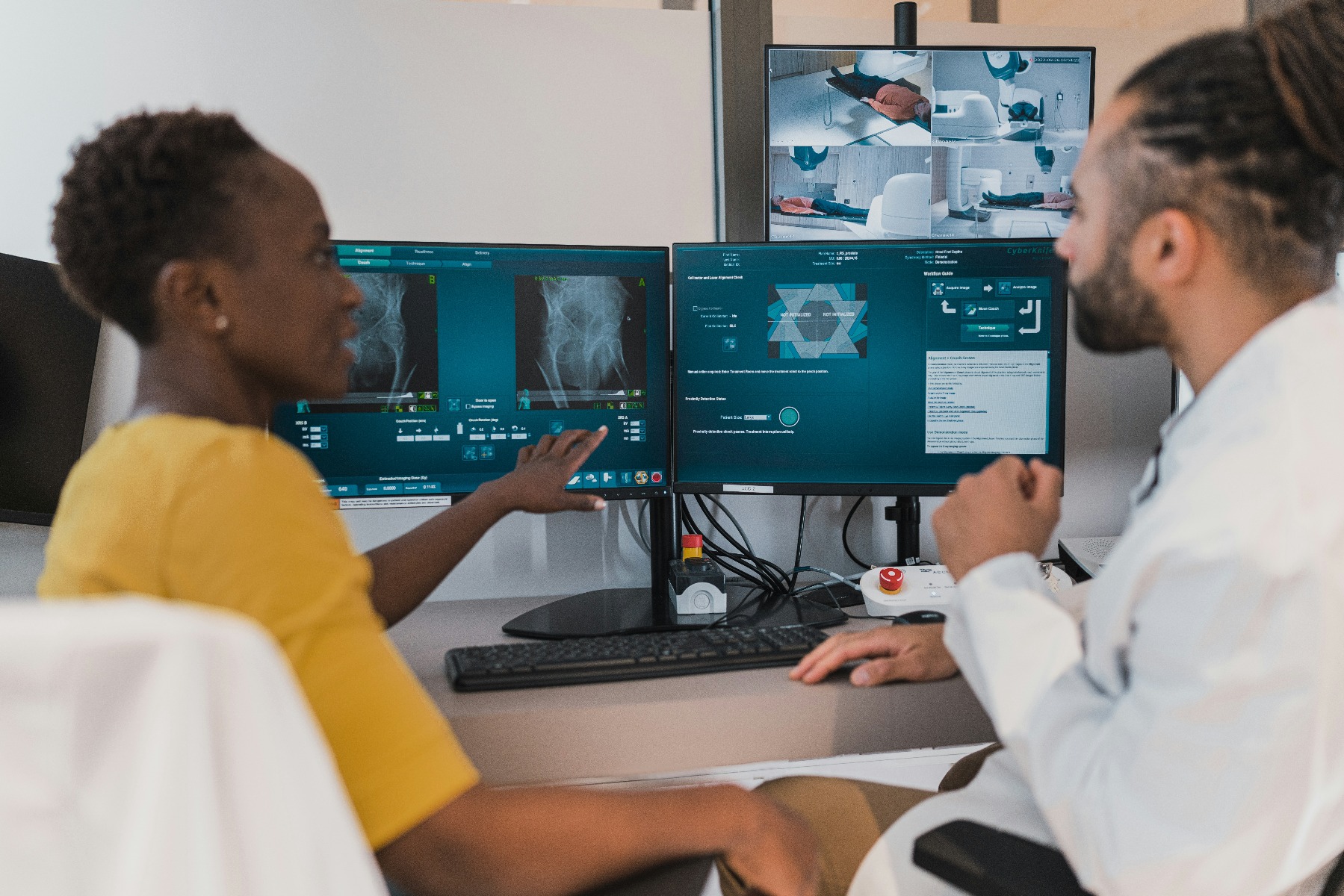
Beyond clinical tasks, there are logistical tripwires that derail otherwise qualified candidates.
Scope of practice is fuzzy, but employers know the boundaries. Texas law doesn't spell out exactly what medical assistants can and can't do. It's determined by the supervising physician and the Texas Medical Board's interpretations. That means employers want someone who understands the delegation model: you're not practicing independently; you're executing delegated tasks under supervision.
Injections? Yes – with proper training and demonstrated competency. But if you can't articulate where your scope ends, hiring managers notice.
The Texas Medical Board's expectations are procedural, not licensing-based. According to the Texas Administrative Code, anyone performing radiologic procedures must be certified or hold a temporary certificate. You won't be reading x-rays solo, but this legal emphasis on formal credentials signals how seriously employers take clinical readiness.
How to Stand Out as a Medical Assistant

The job market in Texas is active – Austin alone had 146 medical assistant positions listed recently. San Antonio had 246. But "active" doesn't mean "easy."
The single most effective way to bypass the "no experience" trap is certification through a program that emphasizes hands-on clinical skills.
Ready to Land Your First Medical Assistant Job in Texas?
Health Tech Academy's online 16-week Medical Assistant Certification Program gets you CCMA-certified through the NHA and job-ready in four months – fully online, without the cost of traditional vocational school. Skip the "no experience" trap and walk into interviews with a credential employers recognize.
Start Today →Hear From One of Our Students
Meet Your Instructor
Programs that produce high pass rates produce job-ready candidates. The CCMA exam has a first-time pass rate around 69-77% nationally. Employers recognize that as a signal of clinical competence. That's the kind of preparation that gets you past the initial resume screen.
Practical Steps That Work in Medical Assisting

- Step 1: Get your BLS certification done before you apply. Many applicants wait until after they land an interview. Don't. It's a checkbox requirement that takes a few hours to complete.
- Step 2: Target employers who explicitly hire certified candidates with no experience. Systems like University Health and UT Health Austin post roles that specifically state certification is required or preferred. These are your entry points.
- Step 3: Build clinical competence that translates to the interview. Employers are asking about specific skills: Phlebotomy, EKG placement, injection administration, and electronic health records (EHR) documentation. If you can't speak to these, you're not ready.
Test Your Readiness Before You Commit
Health Tech Academy's free practice exam evaluates your current knowledge and readiness for national certification exams. Take the short, skills-based assessment to see where you stand before enrolling – no commitment required.
Take Our Free Assessment →What Medical Assistant Employers Aren't Saying Out Loud
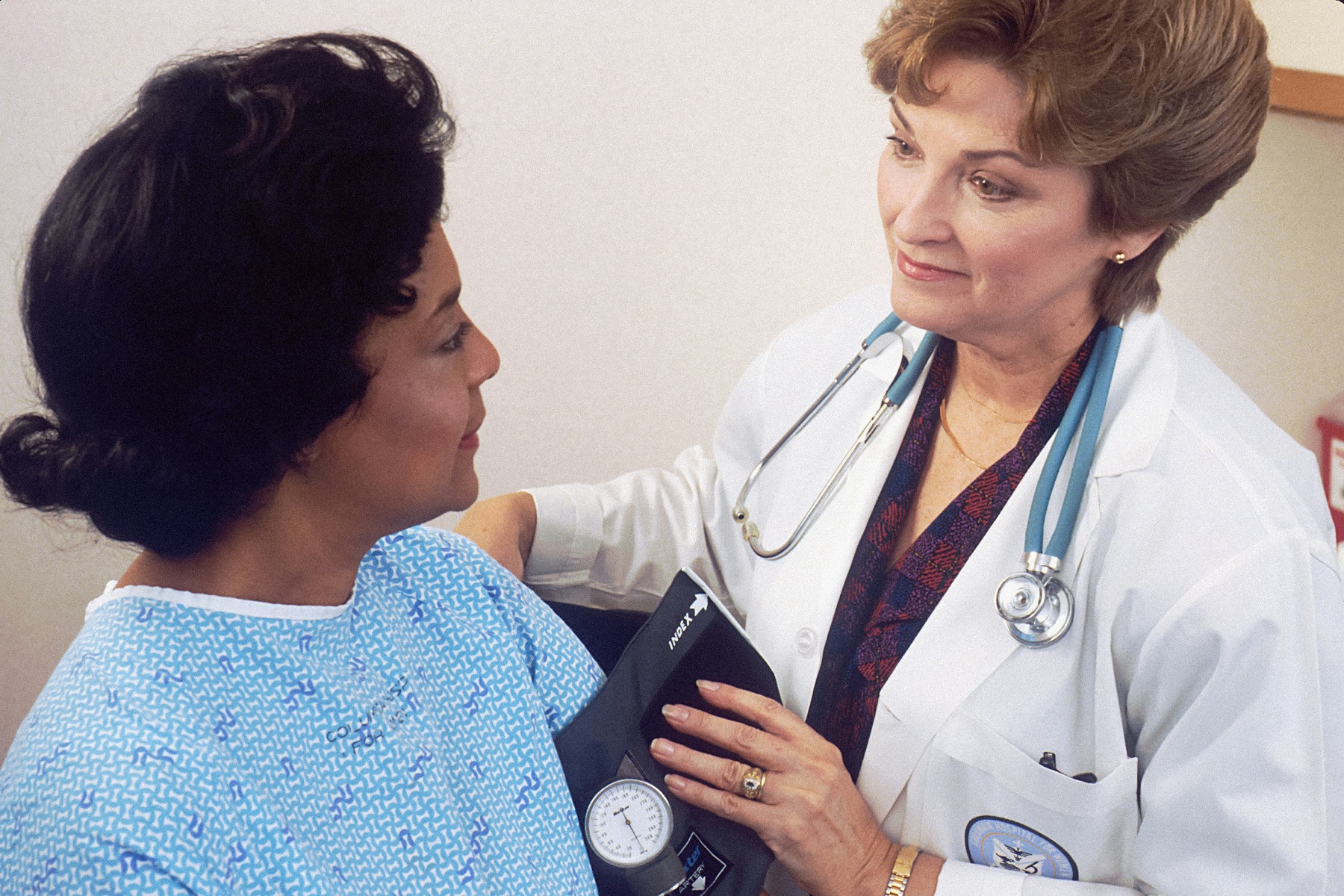
The interview is about whether you understand the workflow.
Clinics like Westlake Dermatology and Austin Regional Clinic emphasize room turnover, EHR charting, and supply stocking as core responsibilities. They're the daily rhythm of the job. If you treat them as minor, you're signaling inexperience.
Larger systems place a premium on triage phone calls and prior authorizations – administrative functions that certified programs often don't emphasize enough. If you can speak to managing a high-volume phone queue while maintaining patient documentation, you're ahead of most applicants.
The Bottom Line
The Texas medical assistant market isn't impossible to break into – it's specific. Employers want certified, clinically ready candidates who understand the delegation model and can handle the administrative load without hand-holding.
If you're serious about landing a role, get certified through a program that employers recognize – like Health Tech Academy’s.
The people who get hired in Texas are the ones who showed up prepared.
Frequently Asked Questions and Answers
Do I Need a License to Work as a Medical Assistant in Texas?
No. The Texas Medical Board does not license medical assistants. However, you must work under the direct supervision of a physician and can only perform tasks delegated to you. Employers still require certification and BLS credentials.
Which Certification is Most Recognized by Texas Employers?
The CCMA through the National Healthcareer Association is widely recognized, along with the Certified Medical Assistant (CMA) through the American Association of Medical Assistants and the Registered Medical Assistant (RMA) through the American Medical Technologists. Texas employers strongly prefer certified candidates.
How Much Do Medical Assistants Make in Texas?
The state median annual wage is roughly $38,930. Pay varies significantly: Austin averages higher, while other areas lag behind. Entry-level positions typically start lower, while experienced or certified candidates earn more.
Can I Get Hired Without Prior Experience if I'm Certified?
Yes. Major employers will consider certification in lieu of work experience. Certification signals clinical readiness, which many employers value more than unrelated work history.
What's the CCMA Pass Rate?
The national first-time pass rate is around 69-77%, depending on the reporting period. Programs with structured preparation can push pass rates higher.