
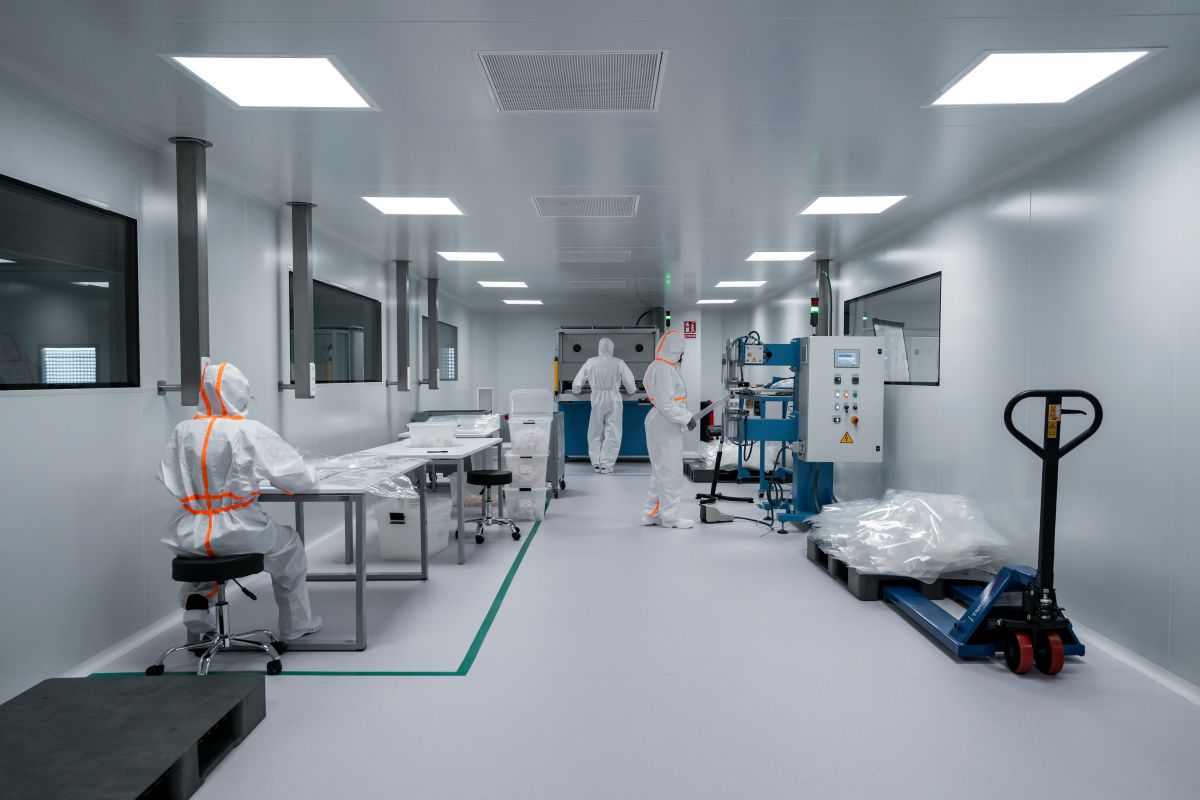
As hospitals, surgical centers, and outpatient clinics continue to expand and evolve, the demand for skilled sterile processing technicians is rising. These behind-the-scenes healthcare professionals ensure that surgical instruments and medical devices are properly cleaned, sterilized, and ready for patient use. In 2026, the expectations for sterile processing professionals are higher than ever – requiring a unique combination of technical knowledge, attention to detail, and adaptability to new technologies and standards.
Sterile processing is a career built on precision and responsibility. Lives depend on the cleanliness and safety of the tools doctors and nurses use every day. If you're considering entering this rewarding field – or are already in it and aiming to advance – it's important to know which skills will be most in demand. The following five skills will be essential for sterile processing technicians in 2026 and beyond.
1. Mastery of Infection Control Protocols
At the heart of sterile processing is infection control. The ability to understand and apply infection prevention protocols will remain the cornerstone of this role in 2026. With growing awareness of hospital-acquired infections (HAIs) and the need for stronger safety standards, technicians will be expected to stay up to date with best practices and evolving guidelines from regulatory bodies such as the CDC and AAMI.
This goes beyond basic knowledge of hand hygiene or PPE use. Technicians must understand the life cycles of pathogens, the difference between disinfection and sterilization, and how improper handling of instruments can result in patient harm. In a high-stakes healthcare environment, the technician who can consistently uphold infection control procedures ensures both patient safety and institutional compliance. This domain also carries the heaviest weight on the Certified Registered Central Service Technician (CRCST) exam, the credential issued by the Healthcare Sterile Processing Association (HSPA) that most employers require for hire.
"The professional sterile processing technician does far more than clean instruments. They interpret complex IFUs, make critical decisions about reprocessing methods, and serve as the last line of defense against surgical site infections."
– Michael Schaffer, President of the International Association of Healthcare Central Service Materiel Management
2. Advanced Equipment Handling and Troubleshooting
Sterile processing technicians in 2026 must be comfortable working with increasingly complex sterilization equipment. From ultrasonic cleaners and automated washers to high-temperature steam sterilizers and low-temperature hydrogen peroxide systems, each machine plays a vital role – and each requires proper handling to prevent malfunctions or contamination.
In addition to operating the equipment correctly, technicians will need to recognize signs of mechanical failure, perform basic troubleshooting, and ensure regular maintenance logs are accurate and up to date. This level of competence allows facilities to maintain smooth operations and avoid costly delays. As automation in sterilization departments becomes more widespread, those with the ability to manage and troubleshoot advanced machinery will have a significant edge.
Build These Skills in 16 Weeks
Health Tech Academy's Sterile Processing Bootcamp covers every skill on this list and prepares you directly for the CRCST exam.
Enroll in the Bootcamp →Hear From One of Our Students
3. Attention to Detail and Quality Assurance
Every step of the sterile processing workflow – from decontamination to inspection, assembly, packaging, and sterilization – must be executed with precision. A single error, such as a missed crack in an instrument or incorrect tray configuration, can lead to serious complications in the operating room. That's why attention to detail is a safety mandate.
In 2026, healthcare facilities continue to place greater emphasis on quality assurance metrics. Technicians are expected to perform visual and functional inspections, document all sterilization cycles accurately, and follow protocols exactly as written. Some may even participate in internal audits or performance improvement programs. The ability to stay focused, follow checklists, and work meticulously remains a non-negotiable part of the sterile processing technician's role.
150 questions on the CRCST exam,
covering 8 content domains in a 3-hour testing window – with national median pay for the role sitting in the mid-$40,000s, per BLS data.
4. Knowledge of Surgical Instruments and Medical Terminology
Understanding the instruments you work with is essential for proper assembly and sterilization. Technicians are expected to recognize hundreds of different tools used in general surgery, orthopedics, cardiovascular procedures, and more. This familiarity is crucial not just for correct processing, but also for identifying missing or damaged items before they reach the surgical team.
Technicians will also benefit from knowing basic medical and surgical terminology, which helps with reading surgical preference cards and communicating with operating room staff. For example, knowing the difference between a retractor and a dilator, or understanding a surgeon's preferred tray layout, can speed up turnaround times and reduce errors. As surgical procedures become more specialized, this depth of knowledge becomes increasingly valuable.
5. Adaptability and Ongoing Learning
Healthcare is constantly changing – and sterile processing is no exception. New sterilization technologies, updated infection control protocols, revised industry standards, and even shifts in hospital software platforms require sterile processing technicians to be lifelong learners. In 2026, adaptability remains just as important as technical ability.
This means staying current with continuing education, pursuing certifications, and remaining flexible when workflows or procedures change. The technicians who thrive will be those who are curious, eager to improve, and open to feedback. Whether it's learning a new sterilizer interface or embracing a hospital-wide digital tracking system, your willingness to grow will directly affect your value and longevity in the field.
Build These Skills and Start Your Journey
As the healthcare industry grows more complex, the skills you bring to the sterile processing department will set the standard for patient safety and operational excellence. Infection control expertise, advanced equipment proficiency, meticulous attention to detail, deep instrument knowledge, and a commitment to continuous learning are the key ingredients to success today.
Get CRCST-Ready
Health Tech Academy's 16-week Sterile Processing Technician Bootcamp prepares you for the CRCST certification exam from the Healthcare Sterile Processing Association (HSPA), with hands-on instruction in every skill covered above.
Start Your 16-Week Program →Frequently Asked Questions and Answers
What Certification Do Sterile Processing Technicians Need?
The Certified Registered Central Service Technician (CRCST) credential, issued by the Healthcare Sterile Processing Association (HSPA), is the most widely held entry-level certification in the field. The exam covers 150 multiple-choice questions across 8 content domains in a 3-hour testing window.
How Much Do Sterile Processing Technicians Earn?
According to the U.S. Bureau of Labor Statistics, medical equipment preparers – the category that includes sterile processing technicians – earn a national median annual wage in the mid-$40,000s, with top earners exceeding $60,000.
Is Demand for Sterile Processing Technicians Growing?
Yes. The BLS projects job growth for this field faster than the average for all occupations, driven by expanding surgical volumes and increased regulatory focus on instrument reprocessing compliance.
Which Skill Matters Most for New Sterile Processing Technicians?
Infection control protocol mastery is foundational – it underlies every other skill on this list, from equipment handling to instrument knowledge, and is the area most heavily weighted on the CRCST exam.