
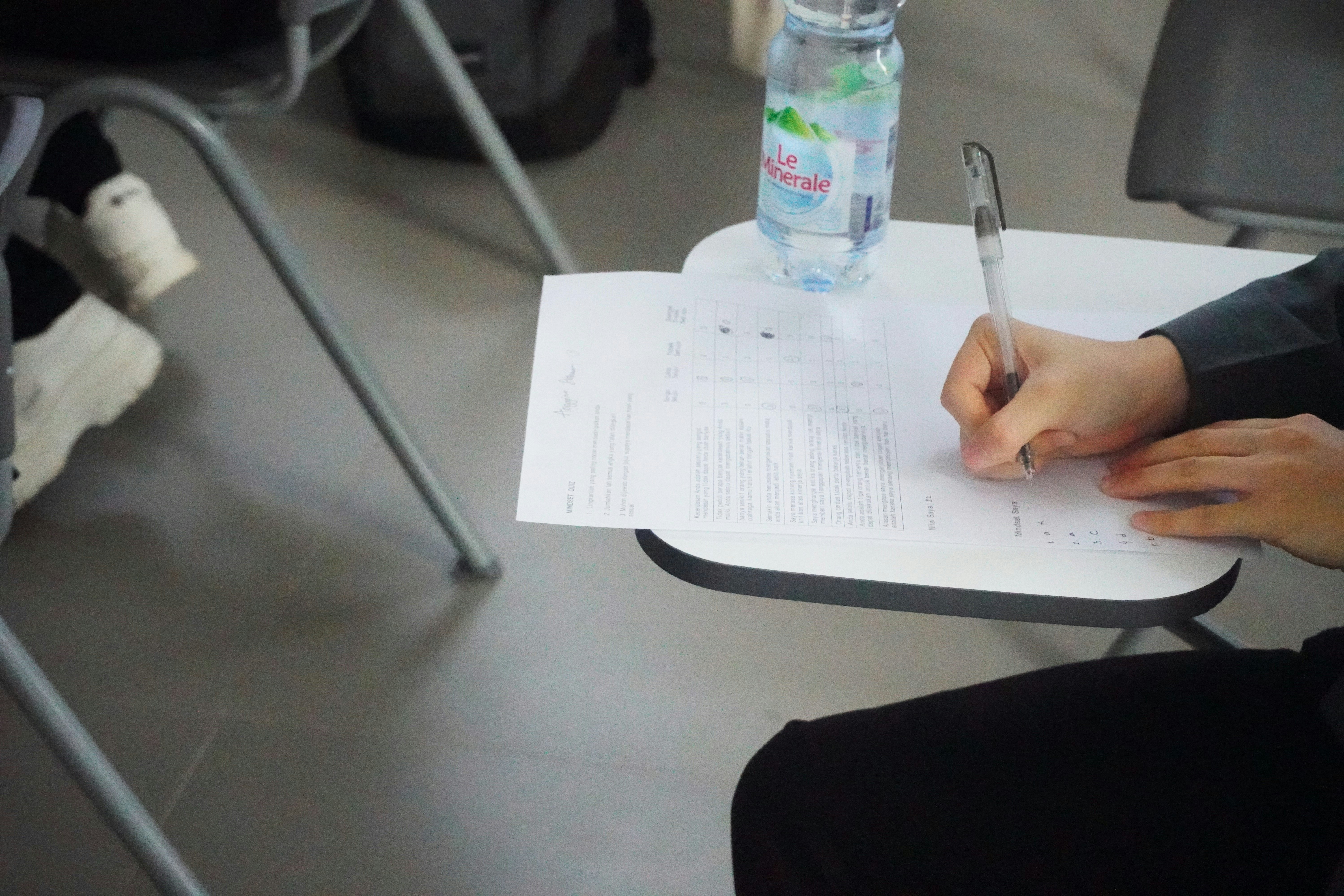
What most candidates do not know before they fail is that HSPA's 'pass/fail' system produces no numerical score. There is no percentage. The cut score is set through a psychometric process each exam cycle, and the HSPA does not disclose it under its accreditation requirements. What you receive after a "fail" score is a domain-level score report – and knowing how to use that report is what distinguishes candidates who pass the second attempt from those who repeat the same mistakes twice.
What the HSPA Gives You After a Failed Sterile Processing Exam
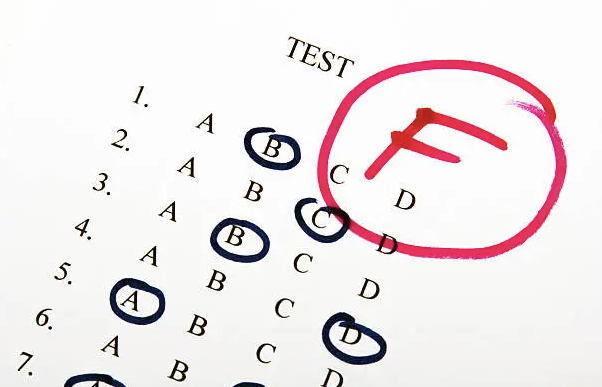
The CRCST exam score report you receive shows performance by knowledge domain. It does not identify which individual questions you answered incorrectly. The HSPA is explicit on their website: They cannot provide a copy of the exam. What you get is a profile – which content areas were strong, which fell below the competency threshold, and where the gap is widest.
This is more actionable than a numerical score if you know the exam's weighting structure, which most failed candidates have not closely studied.
The 2026 Sterile Processing Retake Rules: Timeline and Costs

The rules are direct and non-negotiable:
- A mandatory six-week waiting period applies between all exam certification attempts.
- A new application must be submitted to the HSPA for each retake.
- The full $140 exam fee applies with each new application.
- A no-show at your scheduled appointment produces the same outcome as a fail: You reapply and repay in full.
- Arriving late to a Prometric testing center may result in a no-show classification if seating is unavailable.
Six weeks is not generous time if five of them repeat the same preparation. It is enough time to close specific knowledge gaps if you start from the score report rather than from the beginning.
Get and Stay Certified
Health Tech Academy's 16-week online Sterile Processing Certification Program covers all seven CRCST content domains as weighted on the HSPA exam.
See the Full Program Here →A Word From One of Our Students
How to Use Your Score Report Against the Domain Weighting

The CRCST content outline weights its seven domains as follows:
- Decontamination: 25% of scored questions.
- Preparation and packaging: 26%.
- Sterilization: 26%.
- Sterile storage and distribution: 10%.
- Equipment handling: 5%.
- Documentation: 4%.
- Communication and professionalism: 4%.
The top three domains account for 77% of your total score. A score report showing weakness in decontamination, preparation and packaging, or sterilization is the explanation for why you did not pass. Spending retake preparation time on documentation (4%) when sterilization (26%) is the problem is a mismatch no amount of study hours can compensate for.
The exam's 150 questions include 25 unscored pretest items the HSPA uses to pilot questions for future cycles. You cannot identify which items are unscored, which means treating any question as a throwaway is an avoidable risk.
Preparing Before the Second Sterile Processing Exam Attempt

"We need skilled technicians – eyes and boots on the ground."
– Arlene Bush, HSPA 2025 President
The CRCST is the threshold that defines that skilled standard. Passing it requires not just familiarity with the content but the ability to apply it the way a competent practitioner would apply it, which is what the exam is designed to test.
"I began to meet people who were passionate about sterile processing, and I began to really understand the importance of what we do and the "why" behind what we do."
– Anthony Bondon, Director of Sterile Processing at WellStar Kennestone Regional Medical Center
That depth of understanding is what the score report indirectly reveals when a domain falls short. The retake is where candidates who have moved from knowing facts to understanding their clinical purpose tend to separate from those who studied harder using the same flashcards.
Turning a Failed Attempt Into a Pass
A failed CRCST costs $140 and six weeks. Failing twice using the same preparation method costs $280 and three months. The score report is the tool the HSPA gives you to avoid that outcome – map it against the domain weightings, concentrate on the 77% of the exam controlled by decontamination, preparation and packaging, and sterilization, and approach the retake with a domain-specific plan rather than increased volume of unfocused review. The 54,525 people who currently hold an active CRCST all sat where you are at some point.
Test Your Readiness
Check your current knowledge against the domains the HSPA tests before your next attempt. Take our free practice exam and see where you stand.
Start Your Free Practice Exam →Frequently Asked Questions and Answers
How Long is the Waiting Period Before Retaking the CRCST in 2026?
The HSPA requires a mandatory six-week waiting period between all exam attempts. A new application and the full $140 fee must be submitted before a new Prometric appointment can be scheduled.
Does the HSPA Tell You Your Score If You Fail the CRCST?
No. Results are reported as ‘pass/fail’ only. The HSPA does not disclose the passing threshold as a percentage. You receive a domain-level score report showing relative performance across the seven content areas.
Can You See Which Questions You Got Wrong on the CRCST?
No. The HSPA does not provide access to exam questions after any attempt. The score report shows domain-level performance – use those breakdowns to direct your retake preparation toward the highest-weighted areas.
What Happens If You Miss Your CRCST Exam Appointment?
Candidates who do not appear at their scheduled time or who arrive too late to be seated are classified as a no-show. The result is identical to a failed attempt – you must reapply and pay the full fee before a new appointment can be scheduled.
How Many Questions Are Scored on the CRCST?
Of the 150 total questions, 125 are scored and 25 are unscored pretest items the HSPA is evaluating for future exams. You cannot identify which questions are pretest items, so every question should be answered with full care.