

Medical Assistant Program Length in Texas: Longer isn't Automatically Better

Texas program options ranges from 9-month diploma tracks to two-year associate degrees, plus a newer crop of 16-week accelerated formats built around working adults. The associate degree adds general-education coursework that has little bearing on whether a clinic hires you.
Hiring managers care about competency and a credential – not how many semesters you sat through. A focused 16-week program that compresses anatomy, pharmacology, and patient care into a structured online format gets graduates into externships and exam seats faster, without trimming the clinical content employers expect.
Medical Assistant Certification Prep Required in Texas

The Certified Clinical Medical Assistant exam, administered by the National Healthcareer Association (NHA), runs 180 multiple-choice questions and requires a score of 390 out of 500 – roughly 78% – to pass, not 70% like many assume. The national pass rate sits around 81%, meaning roughly one in five test-takers walks out without the credential. A program that builds exam strategy into the curriculum, rather than handing students a study guide in week 15, changes those odds.
"A strong credential stands apart because it's the only one in our field that requires graduation from an accredited medical-assisting program. The school you choose and the certification you earn aren't separate decisions, they're the same one."
– Donald Balasa, Chief Executive Officer and Legal Counsel of the American Association of Medical Assistants
CCMA Prep Built Into Every Module
Health Tech Academy's online 16-week Medical Assistant Certification Program builds CCMA prep into every module rather than tacking it on at the end, with NHA certification as the finish line, not an afterthought.
Start Your 16-Week Program →Hear from One of Our Medical Assistant Students
Meet Your Instructor
Medical Assistant Clinical Experience: What Texas Employers Check
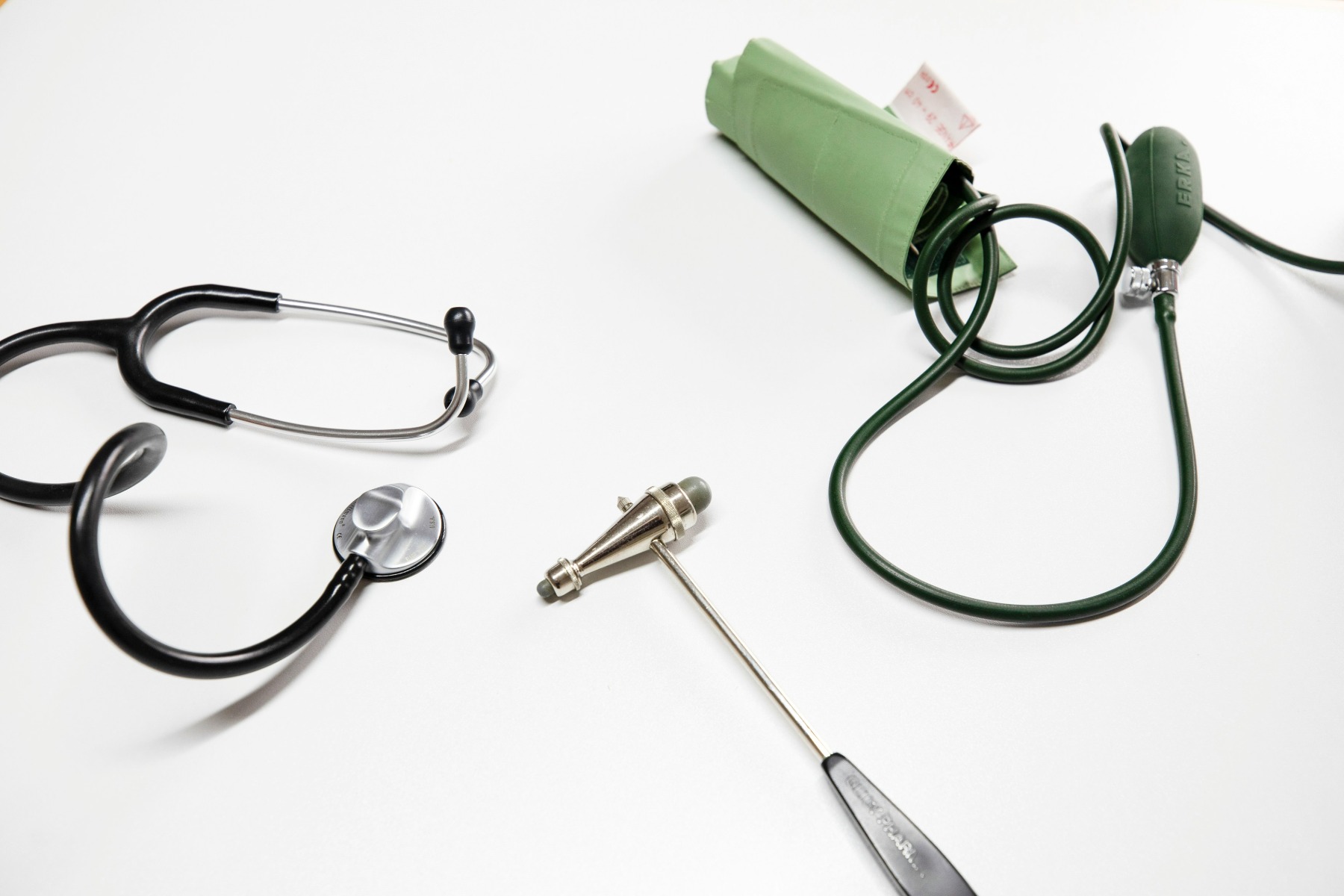
Coursework teaches the material; clinical hours prove you can apply it under pressure with a real patient in front of you. Healthcare systems and urgent care chains hiring across Texas – Texas Health Resources among them – routinely ask about externship setting and supervised hours during interviews, not just GPA.
Organizations that succeed are accountable, adaptable, and successful in helping employers train and certify talented medical assistants who stick around. That same logic applies to choosing a school: pick one that places students in active clinical sites, not a simulated lab with a mannequin standing in for a patient.
Choosing for Speed: The Medical Assistant Program Decision Checklist

- Exam pass rate.
- Placement support after graduation.
- Whether tuition includes the NHA exam fee.
- How soon clinical placement starts relative to enrollment.
Programs that front-load clinical exposure rather than saving it for the final weeks tend to produce graduates who interview better, because they've already handled real patient intake, vitals, and EHRs (electronic health records) documentation before a hiring manager ever asks.
Test Your Readiness Before Exam Day
One underused step before exam day: Take a free practice exam to find weak spots while there's still time to fix them. Health Tech Academy's free practice exam flags those gaps before they cost you a passing score.
Take Our Free Practice Exam →Where this Leaves You
Texas isn't short on medical assistant programs in Texas – it's short on programs that connect coursework to a credential and a credential to a job offer. Length matters less than structure; a brand name matters less than externship placement; and a diploma without NHA certification often stalls at the application stage before it reaches an interview.
Choose the program that treats certification and clinical hours as the curriculum, not the extras.
Frequently Asked Questions and Answers
How Long Do Medical Assistant Programs in Texas Typically Take?
Anywhere from 16 weeks for accelerated online formats – like Health Tech Academy’s – to two years for an associate degree, with most diploma programs landing between nine and twelve months.
Is Certification Required to Work as a Medical Assistant in Texas?
Texas law doesn't mandate it, but most employers prefer or require CCMA, CMA (Certified Medical Assistant), or RMA (Registered Medical Assistant) credentials before extending an offer.
What's the Passing Score on the CCMA Exam?
390 out of 500 on a 180-question exam – about 78%, not the 70% many candidates assume.
Do Online Medical Assistant Programs Include Clinical Hours?
Accredited online programs pair virtual coursework with in-person externships at clinics or hospitals, so clinical hours aren't skipped – they're scheduled separately from lecture time.